REVIEW · ADDIS ABABA
6 Days Omo Valley Tribes Tours From Addis Ababa
Book on Viator →Operated by Aman Ethiopia Tours And Travel Agent · Bookable on Viator
Tribes, lakes, and ancient stones in one road trip. I love the hotel pickup that keeps this packed schedule realistic, and I also love the mix of UNESCO stops with Lake Chamo wildlife. The main drawback is simple: you’ll log long driving days, and village visits can feel intense if you prefer a slower pace.
You’re not just bounced around. This trip is built around an English-speaking guide and professional drivers, plus entrance fees and 5 nights of accommodation with breakfast, so you’re not stuck solving logistics while you’re in remote places.
At $1,399.98 per person, it’s not a budget-by-default option, but the value is in the included guiding, transport, and entry fees. Still, you’ll want to plan for what’s not included: lunch and dinner most days, and domestic flights.
In This Review
- Key things to know before you go
- Day 1 in Addis Ababa: Lucy fossil, WWII church, and Mercato energy
- From Addis to Tiya and Arba Minch: leaving the city behind the right way
- Lake Chamo boat ride and the crocodile market name game
- Dorze beehive huts: stunning village architecture in the Gughe Mountains
- Konso terraces, coffee culture, and meeting Bana then Turmi
- Dassanech on Lake Turkana’s northern shore, then onward to Jinka
- Mago National Park and the Mursi village visit: the day’s biggest visual moment
- Jinka’s folkloric dinner and coffee ceremony before your flight back
- Price and logistics: what you’re really paying for
- The tour’s real pace: long days, a lot of culture, and one key skill from your guide
- Who this Omo Valley tribes tour is best for
- Should you book this Omo Valley tribes tour from Addis Ababa?
- FAQ
- How many days is this Omo Valley tour?
- Where do you meet and how does pickup work?
- What’s included in the price?
- What’s not included?
- Is there a flight during the trip?
- Can I cancel for a full refund?
Key things to know before you go

- Mount Entoto + Addis museums on Day 1: start with panoramic views and the National Museum including the Lucy fossil.
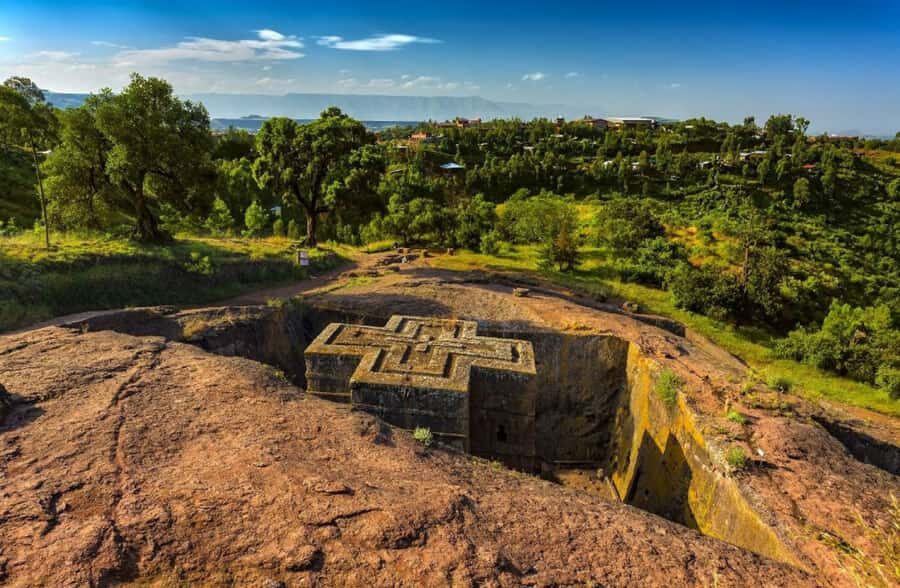
- Tiya UNESCO stop on the way south: ancient stone monuments before Arba Minch.
- Lake Chamo boat ride with hippos and birds: plus a local spot called the crocodile market where crocs just hang out.
- Dorze beehive-shaped huts in the Gughe Mountains: a visually striking UNESCO-recognized village style.
- Konso terraces and local coffee culture: then onward to Bana and Turmi’s Hamer communities.
- Mago National Park day trip and Mursi village visit: followed by a folkloric dinner in Jinka and flying back toward Addis.
Day 1 in Addis Ababa: Lucy fossil, WWII church, and Mercato energy
Your trip starts in Addis Ababa with pickup and a fairly quick move from airport-world into city-world. First stop is up to Mount Entoto for a panoramic view, which is a smart move on a first day because it helps you orient your brain before you start touring museums and churches.
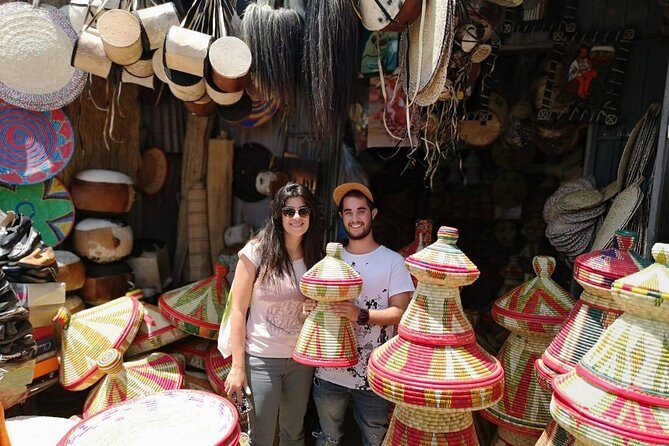
Then you hit the National Museum, where you can see the oldest hominids in the collection, including the famous Lucy fossil. After that, you’ll visit the Holy Trinity church, known for being built during WWII. Finally, you’ll wind down with a drive through Merkato, described as the biggest market in East Africa, where the street noise and motion give you a real sense of scale.
Why this matters for your whole trip: a lot of people think of the Omo Valley as the whole point. But if you get your bearings in Addis first, the rest of the country makes more sense. You also get a smoother transition into the different cultures you’ll see later, because you’ve already spent the day grounding yourself in Ethiopian history.
Practical note: Day 1 is about setup and context. Don’t treat it like a restful day, but it’s also not a brutal grind.
A few more Addis Ababa tours and experiences worth a look



From Addis to Tiya and Arba Minch: leaving the city behind the right way

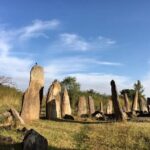
On Day 2 you drive south early after breakfast, and the first major cultural stop is Tiya. It’s a UNESCO-listed archaeological site, and it’s a great early anchor point because it shifts your thinking from modern Ethiopia into deep time.
Then you move on toward Arba Minch, where lunch is part of the day’s flow. Arba Minch also sets up the next day’s highlight: the water-and-wildlife portion of the trip, centered on Lake Chamo.
Here’s what I like about this structure: you don’t jump directly from city touring to remote tribes in a single leap. You get a transition day that includes both history and travel, so you arrive in the Omo region feeling like you know what you’re looking at.
Lake Chamo boat ride and the crocodile market name game

Once you’re around Lake Chamo, you take a boat trip. This is one of the more fun, low-effort moments in the whole itinerary because you’re not hiking. You’re just watching the lake and scanning for wildlife.
The trip includes a stop locally called the crocodile market. Important detail: it’s a local name for a place in Lake Chamo where crocodiles come out and chill. There’s no buying or selling there, so you’re not walking into a bazaar. You’re basically getting a wildlife viewing spot.
Along the way you should expect hippos and different kinds of birds too. Even if you’re not a hardcore wildlife birder, this is the kind of moment that makes the trip feel alive. You can see how people live alongside wetlands and seasonal wildlife rather than imagining the Omo region as only dry tribal imagery.
After the lake time, you head toward Dorze village.
Dorze beehive huts: stunning village architecture in the Gughe Mountains

Dorze village is known for its traditional beehive-shaped huts, which are recognized as one of the UNESCO-listed forms of traditional housing in Ethiopia. The trip takes you to the Dorze people located high up in the Gughe Mountains, so it’s more than just a roadside stop.
This stop is visually memorable, which matters because the Omo Valley days can pile up quickly. When you have a strong architectural feature to focus on, it gives you mental breathing room from the heavier cultural topics like identity markers and pastoral life.
What to keep in mind: you’re visiting communities, not theme parks. The best approach is a calm one—observe first, ask questions second, and keep your distance when people look busy with daily tasks.
Konso terraces, coffee culture, and meeting Bana then Turmi

Day 3 starts with Konso. Konso is another UNESCO site, and the focus here is the terraced landscape and human-made farming structure. This is one of those places where you can feel human ingenuity in the ground. The guide’s job matters a lot on this stop because the terraces and farming systems are the story.
You’ll also hear about Konso coffee, since the village is linked to one of Ethiopia’s best types of coffee. That’s a small detail, but it’s the kind of local flavor that makes the day feel like it’s about more than just photos.
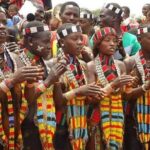
From Konso you go to Bana village. Bana are described as indigenous pastoral and semi-nomadic people living in the harsh environment of the lower Omo Valley. The itinerary includes details about men wearing colorful clay caps decorated with feathers, which helps you understand that clothing and adornment aren’t random; they’re part of a culture adapted to daily life.
Then you reach Turmi, home to the Hamer people. Turmi is where the visuals and cultural rhythms start feeling very distinct from Addis and from earlier stops. You’ll overnight in Turmi, which is a nice break because it means you’re not sleeping in transit.
If you’re deciding whether to take this tour, here’s my take: this is the day where you can either fall in love with the Omo Valley or feel overwhelmed. The key is to keep expectations realistic. You’re seeing a lot in short time, and the guide is what turns it into understanding.
Dassanech on Lake Turkana’s northern shore, then onward to Jinka
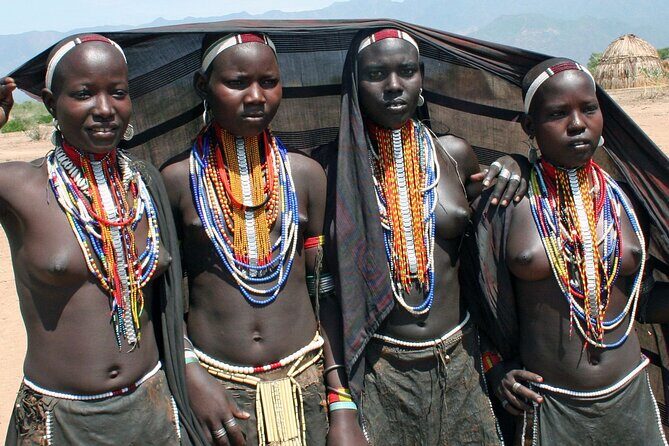
Day 4 includes an excursion to Omorate to visit the Dassanech, described as the people of the Delta. The itinerary places them on the northern shore of Lake Turkana.
This is a different environment than Konso or the higher areas you’ve already visited. Lake Turkana’s region feels remote and raw in a way you can’t fully anticipate from images alone. You’re not just changing villages; you’re changing landscapes, climates, and daily survival strategies.
After the Dassanech visit, you drive back toward Turmi for lunch, then continue to Jinka, where you overnight. That back-and-forth matters because it shows you how much of your time here is spent moving between different ethnic regions rather than staying put.
Comfort tip that’s worth taking seriously: long drives add up. Drink water, use the restroom when you can, and don’t plan anything that depends on being fresh and energized later in the day.
Mago National Park and the Mursi village visit: the day’s biggest visual moment

Day 5 is the big wildlife-and-tribe day. You drive from Jinka to Mago National Park and back in a single day for a village visit with the Mursi.
The Mursi are described as one of the exotic ethnic groups in Ethiopia, with women living in low huts made from straw leaves. You’ll also see the body ornaments described in the itinerary: terra cotta worn on enormously stretched lower lips and ear lobes. Those are the kind of details that stick in your memory because they’re so distinctive.
Then the day continues beyond Mago. After driving back to Jinka for lunch, you also drive to the Ari people area. The itinerary says the women wear skirts made from enset, and that they are expert in pottery.
I’m going to say this plainly: the Mursi portion is the part many people come for, but it’s also the part that requires the most patience and respectful behavior. If you treat it like a checklist photo stop, it can feel uncomfortable fast. If you treat it as a cultural meeting with a guide explaining context, it feels more like learning instead of spectacle.
Also, note the rhythm: this is a long day even by Omo Valley standards. Expect that your time is tightly organized, not freeform.
Jinka’s folkloric dinner and coffee ceremony before your flight back

On your final day, you’re transferred to Jinka Airport for your flight to Addis Ababa.
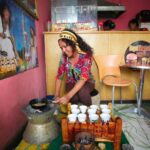
In the evening you attend a folkloric dinner, where you can taste several national dishes and watch dances from various ethnic groups of Ethiopia. The traditional coffee ceremony is also served. This is a good way to close the loop because you’re ending in a shared Ethiopian tradition after days of very specific local cultures.
Why this ending works: it gives you a social, performative view of Ethiopia that isn’t limited to one ethnic group. It’s a reminder that Ethiopia isn’t one culture; it’s many, interacting over time.
Price and logistics: what you’re really paying for
Let’s talk money in a practical way. You’re paying $1,399.98 per person, and that includes:
- 5 nights accommodation with breakfast
- entrance fees
- hotel pickup and drop-off
- an English-speaking guide
- a car with professional drivers
What’s not included:
- alcohol drinks
- lunch and dinner
- domestic flights
Is it good value? For this kind of route, yes—if you value having transport, guides, and entry fees handled end-to-end. The included car and professional driving are a big deal because you’re moving between distant regions with limited flexibility. And the guide is what turns village visits and historical sites into more than just a sequence of stops.
Where you might feel the budget squeeze: meals. Since lunch and dinner aren’t included (except for the included-style folkloric dinner experience), you’ll likely spend extra daily on food. Also, domestic flights are not included, even though the schedule includes a flight step from Jinka to Addis.
One more practical detail: this is listed as a private activity, meaning it’s only your group. If you’re traveling with someone, that can raise value because your guide and driver attention stays on you.
The tour’s real pace: long days, a lot of culture, and one key skill from your guide
This is not a laid-back tour. The itinerary is built for limited time, and the driving segments can be long. The listed duration is around 8 to 12 hours per day in the overall schedule, and the day-to-day flow confirms it: breakfast, driving, a few core stops, then an overnight.
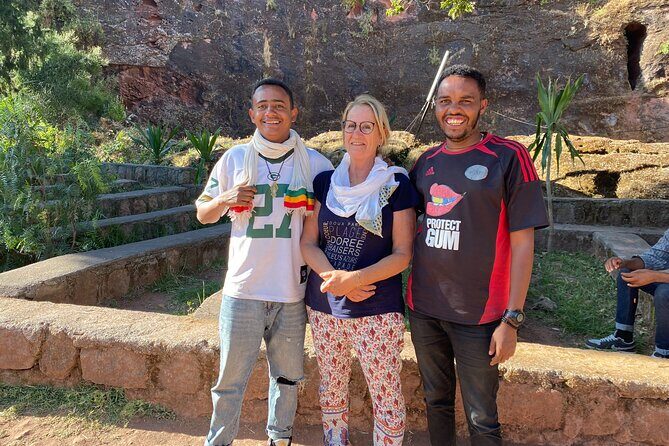
That’s why the guide matters. In past experiences tied to this route, people have highlighted guides such as Dagi, Shasha, Sasha, Yihun, and overall support like Sisay or drivers like Niko, with notes about safety and clear explanations. I can’t promise your team will match those names, but the lesson carries: you want a guide who can connect what you’re seeing to why it exists.
Also, keep an eye on how you feel at the end of each day. The tour is built around seeing a lot, but you still need downtime. If your tolerance for crowds, long commutes, and frequent new faces is low, this might be too intense.
On the other hand, if you like structure, appreciate context, and want to cover major parts of the Omo Valley circuit efficiently, you’ll likely enjoy the pace.
Who this Omo Valley tribes tour is best for
This tour is a strong match for:
- First-time Ethiopia visitors who want a guided introduction to southern Ethiopia and the Omo Valley’s cultural range
- Travelers who want UNESCO stops plus wildlife in one trip, rather than focusing on only one theme
- People who prefer not to self-drive remote regions and don’t want to juggle separate guides for each area
It might be a poor fit if:
- You hate long driving days and want more free time in each place
- You prefer a slower, more independent travel style with fewer planned village visits
- You’re looking for luxury over function—this is adventure travel, with comfort built around getting you safely from place to place
Should you book this Omo Valley tribes tour from Addis Ababa?
If you want a structured, fast-but-not-chaotic sampler of Ethiopia’s south, I think this is a smart book. The value comes from the combo of included guiding, entrance fees, and professional driving across multiple regions, plus the balance of history, wildlife, and culture.
My advice: go in with respect and patience. This isn’t about collecting images. It’s about learning how different communities live in different environments—from Addis museums and WWII-era history to Lake Chamo wildlife viewing, UNESCO village patterns, and the Mursi and Ari cultural days.
If that sounds like your kind of travel, this trip earns a strong recommendation.
FAQ
How many days is this Omo Valley tour?
It’s a 6-day excursion from Addis Ababa. The trip includes 5 nights of accommodation, and daily driving time is listed as roughly 8 to 12 hours.
Where do you meet and how does pickup work?
The meeting point is Bole Airport in Addis Ababa. The tour also offers hotel pickup and drop-off.
What’s included in the price?
Included are 5 nights accommodation with breakfast, entrance fees, hotel pickup and drop-off, English-speaking guides, and a car with professional drivers.
What’s not included?
Alcohol drinks, lunch and dinner, and domestic flights are not included.
Is there a flight during the trip?
You’ll be transferred to Jinka Airport for your flight to Addis Ababa. Domestic flights are not included in the tour price.
Can I cancel for a full refund?
Yes. Free cancellation is offered up to 24 hours in advance for a full refund. Canceling less than 24 hours before the start time won’t be refunded.