REVIEW · ADDIS ABABA
6 days Omo valley cultural Tour
Book on Viator →Operated by Liyu Ethiopia Tours · Bookable on Viator
Omo Valley history walks right up to you. This six-day Omo Valley cultural tour stays in Ethiopia’s south and keeps things local-led with a small group size (max 8), so you’re not stuck watching from afar. I love how the route mixes well-known stops like Konso with more remote village experiences, and I love having an English-speaking guide to manage the day. One consideration: the tour asks for a moderate fitness level and includes long, sometimes uphill drives—so come prepared for real road time, not a resort schedule.
You start early (7:30 am) with pickup offered, and most days include admission tickets plus a dinner and six breakfasts. At $1,250 per person, it’s pricey, but the money is going to access, vehicle time in remote areas, and handling the details so you can focus on what you came for: people, customs, and the daily work behind the ceremonies.
In This Review
- Key highlights worth planning for
- Omo Valley in a small group: the practical payoff
- Price and value: what $1,250 buys you here
- Day 1: Dorze Village weaving, enset gardens, and bee-hive homes
- Day 2: Konso UNESCO walls and the Ari women’s pottery in Jinka
- Day 3: Mursi in Mago National Park, then Turmi Hammer and market day
- Day 4: Karo customs, body painting and beads, plus Turmi Bulls timing
- Day 5: Kara headdresses, scarification, and the Dimeka market to Jinka museum
- Day 6: Addis Ababa shopping and a cultural farewell dinner
- How the operator’s style shows up on the ground
- Who should book this Omo Valley cultural trip (and who should skip)
- Should you book Omo Valley Tours by Liyu Ethiopia Tours?
- FAQ
- How long is the Omo Valley cultural tour?
- What time does the tour start?
- What is the group size limit?
- Is pickup included?
- Is there an English-speaking guide?
- What does the $1,250 per person price include?
- Are admission tickets included?
- What is not included in the tour price?
- What fitness level do I need?
- What if weather is poor or I need to cancel?
Key highlights worth planning for

- Small group size (up to 8 people) for more conversation time and less waiting around
- Local-led cultural access focused only on the Omo region, including less-traveled areas
- Konso UNESCO visit with stone wall villages and the terrace system
- Mago National Park Mursi stop focused on distinctive dress and ear/lip adornments
- Market-day timing built into the route (like Key Afer on Thursday and Dimeka on Saturday)
- A real farewell evening in Addis Ababa with traditional buffet and local drinks
Omo Valley in a small group: the practical payoff
The Omo Valley is one of those places where the details matter. A small group (maximum 8) changes the feel fast: you can ask questions, your guide can adjust pacing, and you’re less likely to feel like you’re herded from one photo spot to the next.
This is also a tour that stays focused. Instead of hopping around the whole country, you spend your days in and around southern Ethiopia’s Omo region, which is exactly what you want if your goal is culture and community rather than check-box sightseeing.
You can also read our reviews of more historical tours in Addis Ababa

Price and value: what $1,250 buys you here
Let’s be real: $1,250 per person isn’t pocket change. But for this route, you’re paying for several things bundled together: pickup, an air-conditioned vehicle, an English-speaking guide, and “all fees and taxes.”
You also get meals and admissions doing work in the background. Dinner is included, and breakfast is included for all six days. On the sightseeing side, some stops list admission ticket inclusion while others are listed as free—either way, you’re not constantly paying entry fees day after day.
The one cost to watch is personal expenses, which the tour doesn’t cover. So keep some cash or card for extras like shopping during the Addis Ababa time window, plus any small items you decide you can’t leave without.
Day 1: Dorze Village weaving, enset gardens, and bee-hive homes

Day 1 starts with an uphill drive toward Chencha, then a visit to the Dorze. This group is part of the Omotic language family, and the tour frames their story as a shift from warrior life to farming and weaving.
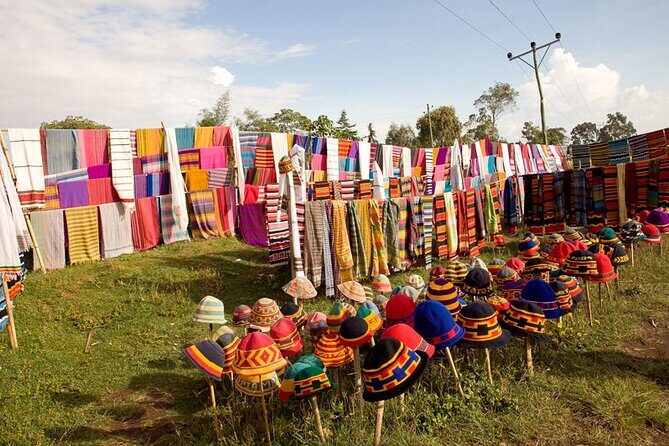
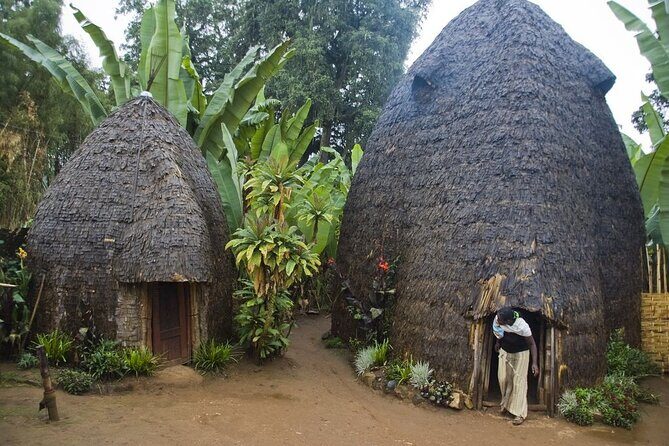
What you’ll notice is how much the homes reflect day-to-day living. Expect tall, bee-hive-shaped Dorze houses made of bamboo, each with its own small garden. The enset plantations (false banana), plus spice beds, cabbage, and tobacco areas tell you this isn’t a staged village—these are working spaces. The weaving is the headline: Dorze cloth is described as top-tier, and the name Dorze is tied to some of the best woven cotton in the region.
A fun detail worth keeping in mind: Dorze culture includes tobacco use, so don’t be surprised if smoking shows up in everyday scenes during your visit. Time on site is listed as about 3 hours, and admission is included, so you’re not rushed out after one pass.
Day 2: Konso UNESCO walls and the Ari women’s pottery in Jinka
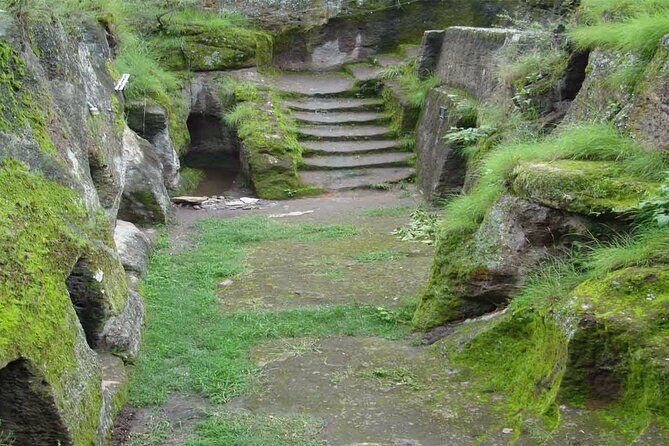
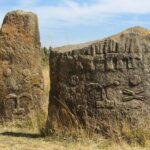
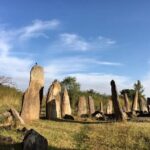
Konso is the UNESCO stop on this trip, and it’s a strong anchor. You’ll visit the Konso Cultural Centre and learn how Konso villages use stone walls and work together on terraces—an ongoing communal system recognized for sustainable farming.
That matters because it shifts the focus from “look at the people” to “see how people make land work.” If you care about long-term traditions rather than one-off ceremonies, Konso is a great early checkpoint.
Later, the trip moves toward Jinka for the Ari village visit. Here, the emphasis is on daily life and skills: food preparation, a unique way of living, and craft expertise. The Ari women are described as pottery experts, and their skirts are made from enset. The stop runs about 2 hours and is listed as free for admission, so you can spend your time watching processes rather than worrying about ticketing.
Day 3: Mursi in Mago National Park, then Turmi Hammer and market day
Day 3 takes you to Mago National Park for a Mursi settlement visit. The Mursi dwellings are described as low structures made from straw leaves. The most striking visual element is women’s body adornment: expanded lower lips and stretched earlobes with terracotta. Even if you’ve seen photos before, seeing it in context—near homes and daily routines—feels different.
From a travel rhythm point of view, this day is doing two jobs: one cultural viewing stop that’s listed as about 4 hours with admission included, then an afternoon drive to Turmi. Turmi is home to the Hamer (also spelled Hammer in common travel writing).
In Turmi, the tour highlights cultural links and differences. The Hammer are described as sharing a very similar culture with the Banna nearby, plus some shared traditions with the Kara. The women’s hairstyles and necklaces are noted as meaningful, not just decorative. You’ll also visit the market place on market day—Thursday is Key Afer—so you’re seeing a broader social routine, not only village life.
Admission for the Turmi portion is listed as free, and the visit is about 4 hours. If you like photography, this is one of those days where the guide’s timing helps you catch people during normal day activity.
A few more Addis Ababa tours and experiences worth a look





Day 4: Karo customs, body painting and beads, plus Turmi Bulls timing
Day 4 has a big “culture plus” feel because it includes a Karo tribe excursion and then returns to Turmi for more Hammer-focused experience.
The Karo visit is described as a guided village visit where you’ll observe traditional practices, including body painting and beadwork. The day may also include participation in local activities like farming or fishing, plus a traditional meal. The tour notes that you’ll interact with community members to learn customs and beliefs, and that there are opportunities for photography with respect for local etiquette.
That etiquette piece matters. In this kind of cultural encounter, you’ll get the best experience when you follow the guide’s cues: when to step closer, when to back off, and when a moment is meant for observation rather than interaction.
In the afternoon, you move back to Turmi to visit a Hammer village. The tour lists learning about housing, music, coffee, and more, with a chance to attend the Jumping of the Bulls traditional Hamer wedding ceremony if it’s taking place during your visit. The time block is about 3 hours, and admission is listed as free.
One reality to accept: ceremony timing isn’t something a tour can guarantee like a train schedule. When it lines up, it’s the kind of cultural event that makes the whole trip feel real.
Day 5: Kara headdresses, scarification, and the Dimeka market to Jinka museum
Day 5 focuses on Kara (spelled Karo in some travel references) and ties the cultural expression to ceremonies. The tour describes Kara people using elaborate headdresses, body scarification, and body painting as self-expression with symbolic meaning.
It also gives a sense of scale. The information provided notes the Kara number fewer than a thousand people, which helps explain why being careful, respectful, and attentive matters so much in small-community settings.
After the Kara visit, you drive to Jinka. The route includes a market stop on Saturday: Dimeka Market. This is another chance to see how trade and daily needs shape social life beyond ceremonial moments.
Then you visit the ethnological museum in Jinka. This part is smart if you want to place what you saw into a wider context. The museum visit is meant to give you a hint about nations and nationalities of Southern Ethiopia—helpful when names, languages, and regions start blending in your head after a few days.
The Kara stop is listed as about 6 hours, and the museum time is about 2 hours. Admissions for these portions are listed as free.
Day 6: Addis Ababa shopping and a cultural farewell dinner

After days in the south, Day 6 brings you back to Addis Ababa. There’s shopping time, which is a nice release valve after villages and markets. In the evening you’ll be part of a farewell party with a cultural dinner, a traditional buffet, and local drinks.
This is where the trip closes the circle: you’ve been learning about food and daily routines in Omo region communities, and now you get Ethiopia’s table in a more urban setting.
After the farewell party, you’ll transfer to the airport for international departure. The tour lists this final day as about 6 hours, and admission is listed as free for the included activities.
How the operator’s style shows up on the ground
The provider for this experience is Liyu Ethiopia Tours. The standout theme in the feedback you’ve got here is dedication—especially when plans need tweaking. People also praised the driver and the local guide as professional, friendly, and helpful, with safe driving called out specifically. That matters a lot in a region where the roads can be long and the days can start early.
Booking support also comes up: one note highlights that the operator took on a lot of requests and modifications and still managed to keep the trip organized. That’s a real value-add if you’re the kind of traveler who plans everything carefully, then changes your mind once you start thinking harder about what you actually want to see.
Finally, the experience is described as confidence-building even for solo travelers, including women traveling alone. The tour’s structure—small group, guide support, and careful driving—helps explain why.
Who should book this Omo Valley cultural trip (and who should skip)
I’d book this if you want a culture-focused Omo Valley experience with tight group size, English-speaking guidance, and real village stops across multiple ethnic communities. You’ll likely enjoy it most if you care about how people live—farming, weaving, craft, ceremonies, and market day routines—more than you care about ticking off city attractions.
You might want to think twice if you want a low-effort itinerary, because the tour calls for moderate physical fitness and includes long road stretches and uphill driving. It also depends on good weather for operation, so build in some flexibility in your trip planning.
Should you book Omo Valley Tours by Liyu Ethiopia Tours?
Yes, if your idea of a great trip is learning directly from communities and seeing the Omo region’s cultural variety in a structured, small-group way. This tour is built around village visits like Dorze weaving houses, Konso stone-walled villages, Mursi settlement scenes, and Hammer and Kara cultural expression—plus market-day stops timed like Key Afer and Dimeka.
Also, the operator’s reputation for responsive booking changes and helpful guiding is a big plus. If you’re worried about planning friction in a remote region, this kind of support can make the difference between a stressful trip and a smooth one.
If you’re the type who hates early starts, bumpy drives, or uncertainty around ceremonies, then the tour’s practical reality (moderate fitness and weather dependence) may annoy you. But if you’re okay with that and you want authentic access, this is a strong pick.
FAQ
How long is the Omo Valley cultural tour?
It runs for approximately 6 days, from the first day in the Omo region through the Addis Ababa farewell day.
What time does the tour start?
The tour start time is 7:30 am.
What is the group size limit?
This experience has a maximum of 8 travelers.
Is pickup included?
Pickup is offered.
Is there an English-speaking guide?
Yes. The tour includes an English speaking guide.
What does the $1,250 per person price include?
The price includes dinner, air-conditioned vehicle, all fees and taxes, the English speaking guide, and breakfast (6).
Are admission tickets included?
Some admissions are included (like Dorze Village, Konso Cultural Centre, and the Mago National Park stop). Other stops are listed as free for admission (like Ari, certain Turmi visits, the ethnological museum in Jinka, and the Addis Ababa farewell activities).
What is not included in the tour price?
Personal expense is not included.
What fitness level do I need?
The tour notes that travelers should have a moderate physical fitness level.
What if weather is poor or I need to cancel?
The experience requires good weather. If it’s canceled due to poor weather, you’ll be offered a different date or a full refund. Cancellation is free up to 24 hours in advance for a full refund; within 24 hours, the amount paid is not refunded.