REVIEW · ADDIS ABABA
6 day Omo ValleyTours
Book on Viator →Operated by Danakil Depression Tours · Bookable on Viator
Tribes first, bus later. This 6-day Omo Valley trip sends you through southern Ethiopia’s tribal regions with real village time, not just quick photos. You’ll also travel in a small group (max 15) with an air-conditioned vehicle and local guidance.
I especially like the way this route stacks experiences by tribe, from Hamar market days to Kara face painting, then on to Dassanech canoe travel and Dorze food and weaving. I also appreciate the service style: guides like Mickey (English-speaking) and Abey are part of the team, and the focus is on making the day feel smooth and understandable.
One possible drawback: the days are long, with big road transfers plus at least one internal flight you’ll need to handle since domestic flights aren’t included. Add optional ceremonies and market timing, and you’ll want to stay flexible with your expectations.
In This Review
- Key things to know before you go
- Omo Valley in six days: what you’re really signing up for
- Price and logistics: $899 worth it, if you pack smart
- Day 1 in Turmi: Hamar villages, market timing, and optional ceremonies
- Day 2 in Turmi: Kara people by the Omo River and face/body painting
- Day 3 to Jinka via the Dassanech: canoe crossing near the Kenyan border
- Day 4: Mursi lip plates, Mago National Park crossing, and Konso villages
- Day 5 to Arba Minch: Dorze weaving on Guge Mountain and the food story of Kocho
- Day 6 in Arba Minch: Chamo Lake crocodiles, fish markets, and final return to Addis
- The guiding style that makes this tour easier (Mickey and Abey factor)
- What you should expect at each tribe stop (and how to make it respectful)
- Should you book? My take on who this tour fits best
- FAQ
- What is the price of the 6-day Omo Valley tour?
- How long is the tour?
- Where does the tour start and end?
- What time does the tour start?
- Is pickup included?
- Are domestic flights included?
- Can I cancel for a full refund?
Key things to know before you go
- Max 15 travelers means less crowding when you meet people and move through villages.
- Market-day visits depend on timing (Monday, Tuesday, Thursday, Saturday), so you’ll get a different feel depending on the day.
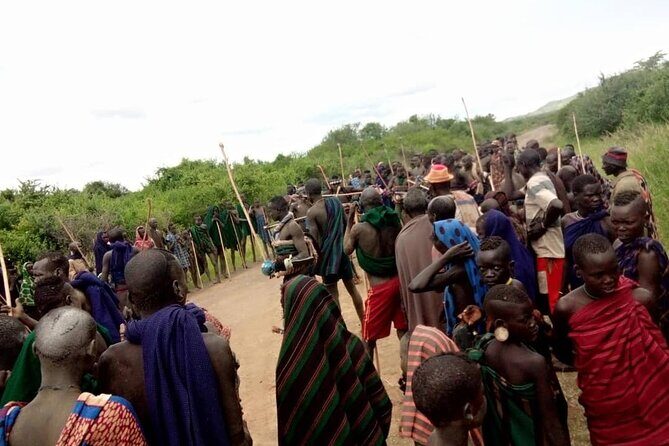
- Multiple tribe introductions in six days (Hamar, Kara, Dassanech, Mursi, Konso, Dorze) is a lot to take in—plan for strong visual days.
- Omo River dugout canoe plus an immigration post stop makes the Dassanech day more structured than it sounds.
- Kocho and Enset: you get hands-on context around local food traditions, not just sightseeing.
- Chamo Lake day includes a crocodile view area and a fish market, plus a boat hang-time.
Omo Valley in six days: what you’re really signing up for
The Omo River Valley is one of those places where “culture” isn’t a single museum exhibit—it’s how daily life works. In a compact region, you’ll meet communities with distinct clothing styles, body marking practices, and social customs that have persisted even as outside influences grow stronger.
This tour is built for people who want more than a drive-by. You’ll spend time in and around villages and markets, usually with a local guide helping you understand what you’re seeing and why it matters. The goal is to keep you informed and comfortable while you take in some intense and highly visible traditions.
The rhythm here is also part of the bargain: big regional transfers by road, then quick flights later. If you like your travel days orderly and predictable, this works well. If you hate long drives, you’ll need a game plan for hydration, snacks, and patience.
A few more Addis Ababa tours and experiences worth a look


Price and logistics: $899 worth it, if you pack smart
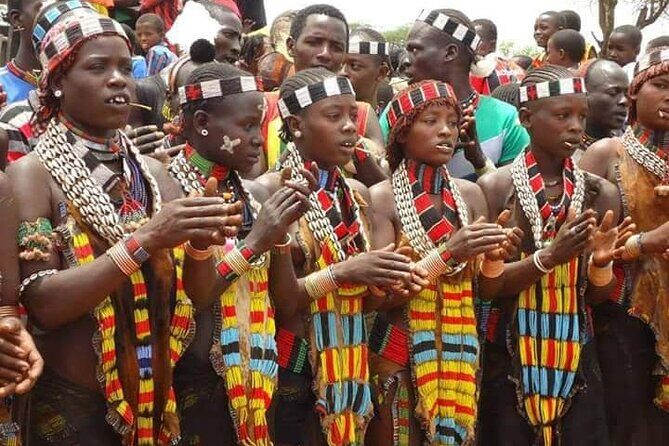
At $899 per person for about six days, you’re paying for ground transport, a local guide, and most key costs on the itinerary. The included list covers an air-conditioned vehicle, accommodation (multiple nights), meals (5 breakfasts, 5 dinners, 6 lunches), entrance fees as per the program, and government taxes. You’ll also get airport/departure tax coverage and a mobile ticket.
What’s not included is just as important: drinks and domestic flights. That means you should budget separately for internal transportation between Addis Ababa and the southern towns your itinerary uses. If you’re the kind of traveler who hates surprises, confirm what domestic flight segments you’ll book and when—so you don’t end up rushing at the last minute.
Group size is capped at 15, which is a real quality factor in this kind of trip. When you’re meeting tribes and moving through small towns, fewer people usually means less waiting and more control of how the day unfolds.
Day 1 in Turmi: Hamar villages, market timing, and optional ceremonies
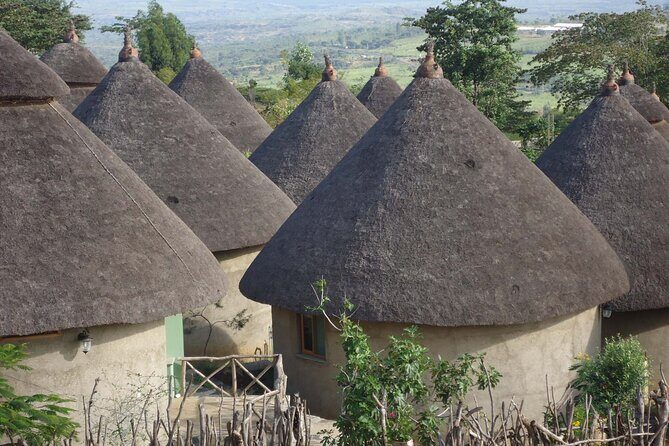
You start with a welcome and a drive from Jinka (Baco) Airport to Turmi, roughly 130 km (about 2 hours). Turmi is where the Hamar are based in nearby villages, and the day is structured around two different ways to experience them: market life and village life.
If your day lines up with market schedules—Monday, Tuesday, Thursday, or Saturday—you may visit a tribal market in places like Jinka, Kako, Keyafer, Alduba, or Turmi town. Markets are where you see the social system in motion: trading, visiting, and the everyday styles people choose to wear when they’re meeting others.
Later, you’ll go to a Hamar tribal village for an immersion-style visit. You may also have the chance to see the Bull Jumping Ceremony or the Evangadi Dancing Ceremony (both optional). Those options matter because they can shift the trip from “meet people” into “watch a major cultural event,” but nothing is guaranteed if timing doesn’t line up.
Overnight is at Paradise Lodge Turmi, and the day’s value is mostly in the human contact—arriving, observing, then having time in a village setting rather than just passing through.
Day 2 in Turmi: Kara people by the Omo River and face/body painting
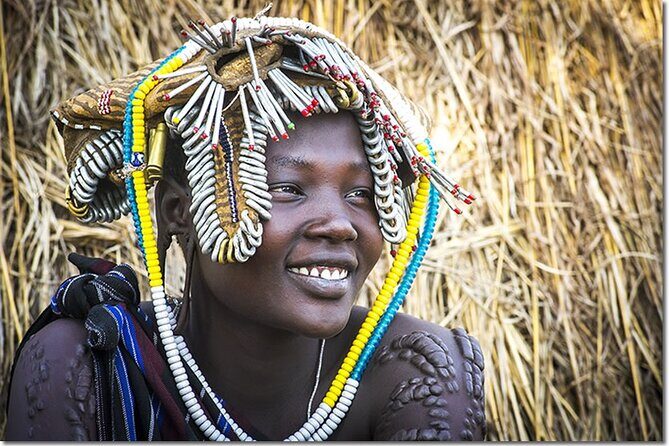
Day two keeps you in the Turmi area, then adds a different community: the Kara (Karo) people. You’ll drive about 65 km (around 1 hour) west to reach their part of the Omo River region.
Kara is described as the smallest ethnic group in the Omo Valley, and they’re known for elaborate body and face paintings. The tour includes time to experience their lifestyle and culture, with the option for face or body painting in the Kara way of beautification.
Here’s the practical thought: body painting can be a meaningful custom, but it can also be a tourist activity. If you want to do it, go in with respect, ask your guide how participation works, and don’t treat it like a quick souvenir. If you’d rather watch and photograph instead, that’s also a valid approach.
You’ll return to Turmi for lunch, and if it’s a market day again, you may attend another market stop. You’ll also have the same optional ceremony options as day one. Overnight stays at Paradise Lodge Turmi again, which helps you avoid constant hotel changes.
Day 3 to Jinka via the Dassanech: canoe crossing near the Kenyan border
After breakfast, you’ll leave around 8:30 am for Omo Rate (about 72 km, roughly 1 hour). This is your entry into Dassanech territory, and the day includes a couple of details that make it feel more real than a simple “visit a village.”
First, the itinerary notes going to an immigration post before heading to the Dassanech village. That’s a reminder that this region isn’t a controlled theme park—there are real borders and real procedures involved.
Then comes one of the most memorable mechanics of the day: you’ll cross the Omo River by dugout canoe and walk about 10 minutes to reach the village. The canoe crossing changes the tone instantly. It slows you down and puts you in the geography instead of just seeing it from a vehicle window.
After the village visit, you’ll return to Turmi for lunch and possibly another market stop if the calendar matches. Finally, you continue to Jinka for the night at Eco-Omo Lodge in the new building rooms.
The value of this day is the mix of movement and structure: immigration step, river crossing, short walk, village time—so you’re not just dropped at a spot and sent back.
Day 4: Mursi lip plates, Mago National Park crossing, and Konso villages
Day four shifts you toward two different communities and a new overnight town. You’ll drive about 50 km and cross Mago National Park on the way to meet the Mursi people.
Mursi women are known for lip plates, which is exactly why this day attracts so much attention from first-time visitors. The tour frames this as meeting the people and interacting genuinely, rather than treating it as a show. Still, it’s worth saying plainly: this is the kind of tradition that some people find emotionally challenging or distracting. Your job is simple—stay respectful, listen to your guide, and let interaction happen at human pace.
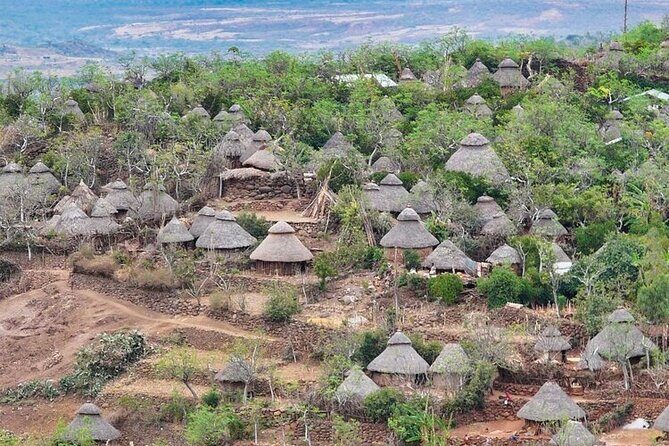
After the Mursi visit, you’ll drive back toward Jinka, then continue about 150 km to Konso, where you’ll visit a Konso village. The overnight spot is Kanta Lodge Konso.
This is a long day by distance, but it’s also where the itinerary becomes more than a checklist. You’re not just seeing one tribe—you’re comparing how different communities organize identity, art, and everyday life across the region.
Day 5 to Arba Minch: Dorze weaving on Guge Mountain and the food story of Kocho
On day five you head farther toward Arba Minch, driving around 130 km. This is where the tour brings in a different kind of cultural experience: more craft and food process than body art.
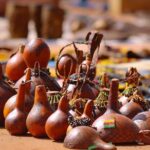
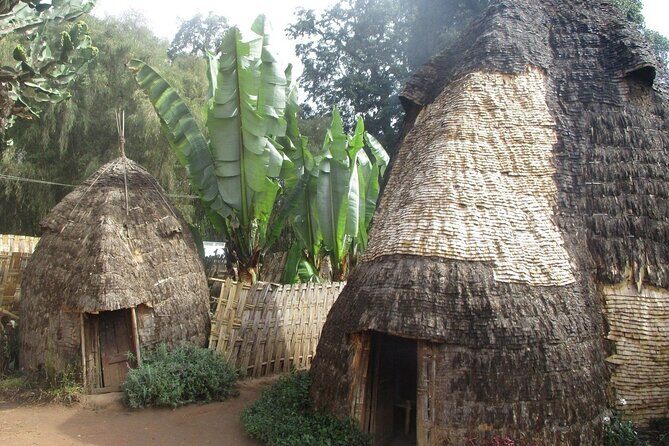
You’ll visit the Dorze people who live on Guge Mountain at an altitude of about 2400 meters. Dorze are known for handicrafts such as weaving and pottery. If you like crafts, this day gives you a chance to slow down and focus on skill—how people make things that last longer than a camera moment.
A highlight here is food: you’ll experience preparation of Kocho, described as local food from the false banana plant (Enset). Enset-based food traditions often make sense only when you understand that the plant isn’t a background detail—it’s part of the local survival system. Even if you don’t remember the whole process, you’ll come away with a better sense of how “local food” is really local science and local practice.
After lunch, you’ll head to Arba Minch Airport for an afternoon flight to Addis Ababa.
If you hate losing time to airports, you may find this day slightly rushed. But it’s also a good pacing choice: you get a strong village/craft day before the jump back to the capital.
Day 6 in Arba Minch: Chamo Lake crocodiles, fish markets, and final return to Addis
Day six starts with an 8:00 am pickup from your hotel. You’ll go to Chamo Lake to see crocodiles, a fish market, and spend a few hours hanging around by boat.
This portion of the trip feels different from the tribe days in a helpful way. It gives you a window into regional life shaped by the lake—how food is collected, traded, and eaten. The fish market element adds texture: you’re not only seeing nature; you’re seeing the economy of it.
After that, you’ll drive back to Arba Minch for some walking and city viewing before taking the plan to Addis. After lunch at about 1:30 pm, you’ll be transferred to Arba Minch Airport for your flight back to Addis Ababa.
Tour-wise, day six is where you close the loop. You get one more outdoor, practical experience before returning to the meeting point at Bole Addis Ababa International Airport.
The guiding style that makes this tour easier (Mickey and Abey factor)
A big part of why this itinerary works is how it’s guided. In the feedback tied to this provider, Mickey is repeatedly praised for English and professional handling of the day. Another named guide in that same context is Abey, and the overall impression is that the team tries to keep logistics from turning into stress.
In a region like this, that matters. You’re dealing with internal travel, shifting schedules, optional ceremonies, and places where you’ll want interpretation. A strong guide helps you decide what to ask, when to wait, and how to behave respectfully around people whose lives aren’t staged for visitors.
If you’re the type who wants clear expectations and fast answers, this team’s communication style sounds like a good fit.
What you should expect at each tribe stop (and how to make it respectful)
This trip is designed around interaction, but “interaction” doesn’t mean you control the pace. Your guide should set norms for where you can go, what’s acceptable to photograph, and how to show respect in village settings.
Here’s how to mentally prep for each style of stop based on the route:
- Hamar and Kara: expect strong visual traditions—body art and market energy—and time to meet people in social spaces.
- Dassanech: expect structured movement—immigration post, canoe crossing, and a short walk into village life.
- Mursi and Konso: expect traditions tied to identity and community structure, plus longer travel days between areas.
- Dorze: expect more craft and process—hand skills and food preparation (Kocho/Enset).
A practical tip: keep your questions focused on everyday life and meaning. Avoid treating traditions like trivia. And always follow the guide on what’s permitted.
Should you book? My take on who this tour fits best
You should book this 6-day Omo Valley tour if you want a guided route that covers multiple communities and also includes hands-on cultural elements like Kocho preparation and craft work. The small group size, included entrance fees, and meal plan make it easier to budget and keep moving without constantly chasing details.
You might want to think twice if you dislike long driving days and airport timing, since domestic flight segments are not included and the itinerary includes travel jumps. Also, if you strongly prefer low-intensity encounters and minimal viewing of intense traditions, this route will likely feel like a lot.
If you come with flexibility, a respectful attitude, and an appetite for learning (even when it’s fast), this is the kind of trip that changes how you understand Ethiopia.
FAQ
What is the price of the 6-day Omo Valley tour?
The price is $899.00 per person.
How long is the tour?
It lasts 6 days (approx.).
Where does the tour start and end?
It starts at Bole Addis Ababa International Airport in Addis Ababa and ends back at the meeting point.
What time does the tour start?
The start time is 9:00 am.
Is pickup included?
The tour notes pickup offered, and the itinerary also mentions pickup from your hotel on day 6.
Are domestic flights included?
No. Domestic flight is listed as not included.
Can I cancel for a full refund?
Yes. You can cancel for free up to 24 hours in advance of the experience for a full refund.