REVIEW · ADDIS ABABA
Northern Ethiopia Historic Route
Book on Viator →Operated by Memento Ethiopia Tours · Bookable on Viator
Early mornings can be worth it. This two-day Northern Ethiopia Historic Route pairs a 5:30am Addis Ababa start with the big “north Ethiopia” feeling, then ends by the Blue Nile and Lake Tana’s monastery islands. Even though it’s short, the stops cover church art, major archaeology, and the kind of everyday life you won’t get from a photo-only day.
I love the contrast in the day-1 line-up: Holy Trinity Cathedral gives you imperial-era symbolism and famous church art, while the National Museum puts Ethiopia’s prehistory front and center with Lucy. I also like that the schedule includes a real boat ride on Lake Tana, so you’re moving through the lake ecosystem instead of just reading about it.
One consideration: the tour expects formal dress, and it’s not a fully seated tour. You’ll do moderate walking at several stops, including a village walk tied to the Blue Nile Falls, so plan for comfort even if you dress up.
In This Review
- Key highlights I’d target
- Addis Ababa’s first big spiritual stop: Holy Trinity Cathedral
- National Museum of Ethiopia: Lucy and the Ethiopia story behind the famous bone
- Mercato Market: real walking time in one of Africa’s biggest open-air markets
- Mount Entoto: panoramic Addis Ababa without turning it into a workout
- Lake Tana: monastery islands, birds, and hippos on a boat
- Blue Nile Falls near Bahirdar: the village walk and the famous river crossing
- Price and value: what $1,000 buys you in 2 days
- How the tour pace works: private group, comfort, and early starts
- What to pack for the “formal dress + active legs” combo
- Is this the right Northern Ethiopia route for you?
- Should you book this 2-day Northern Ethiopia Historic Route?
- FAQ
- What time does the tour start?
- How long is the Northern Ethiopia Historic Route?
- What’s included in the price?
- Are admission tickets included?
- Is pickup available?
- Is there a vegetarian option?
- Is there moderate walking?
- Is this tour private?
Key highlights I’d target
- Holy Trinity Cathedral in one focused visit: architecture, tomb, murals, and a museum stop in the same block of time
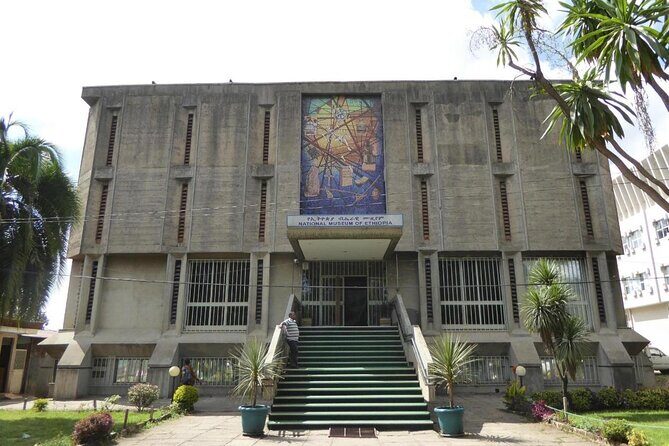
- National Museum of Ethiopia and Lucy: one of the country’s most famous fossils, plus more collections to connect the dots
- Mercato Market walking time: time to move through one of Africa’s largest open-air markets and grab photos
- Mount Entoto for fast panoramic views: either a climb or a drive, with a simple way to see Addis from above
- Lake Tana monastery islands: you’re visiting historic religious sites scattered across islands on the lake
- Blue Nile Falls with a boat crossing: a village approach, river scenery, and then crossing by boat
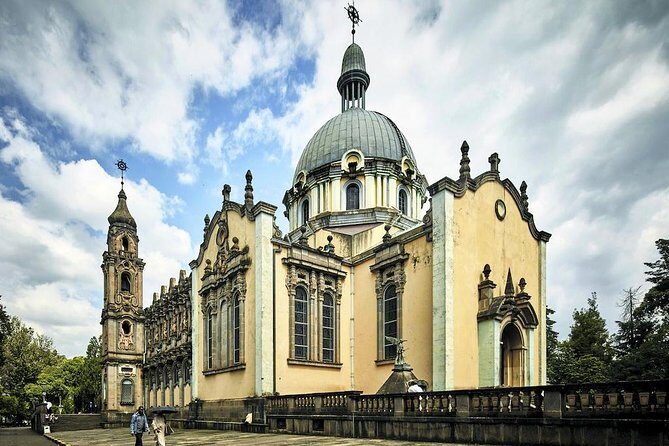
Addis Ababa’s first big spiritual stop: Holy Trinity Cathedral
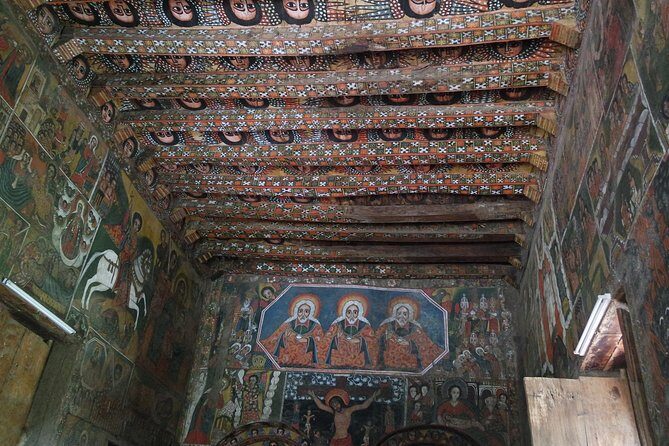
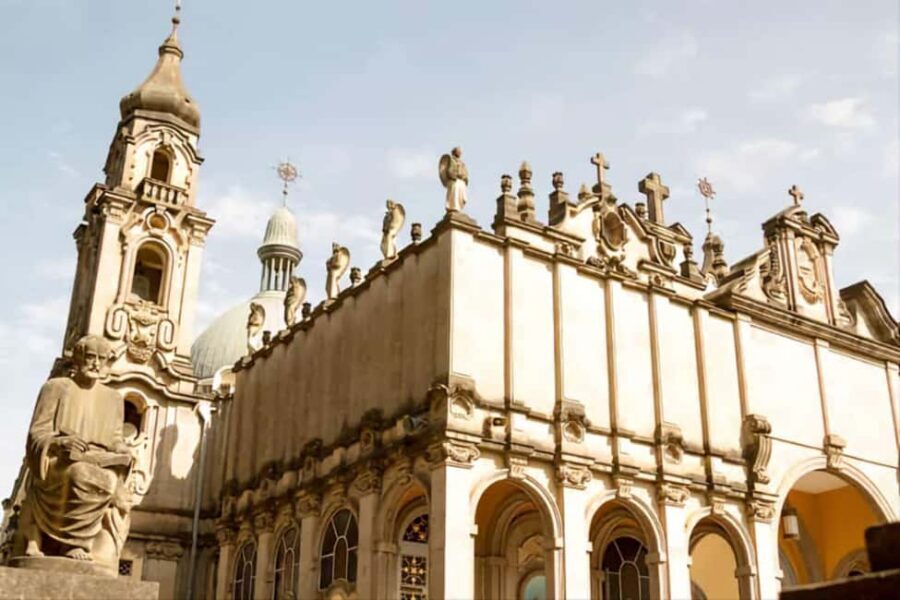
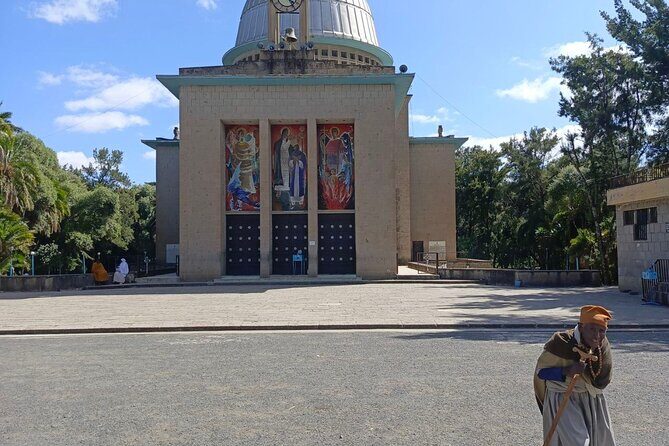
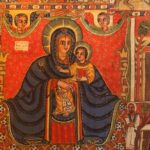
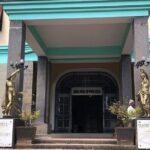
If you only see one church in Addis Ababa, I’d still push for Holy Trinity Cathedral. The reason is simple: it packs several layers into one visit—unique church architecture, a tomb tied to the last Ethiopian emperor, religious paintings, and a museum component. That means you’re not just ticking off a building; you’re learning how the space is meant to be understood.
The museum adds context. You’ll get a chance to slow down and look at objects and visuals that help you read the church’s symbolism. This is also one of the places where a local guide really matters, because the details are specific, not generic.
Practical note: the tour is designed with a formal dress code, so make sure you bring something appropriate before you leave the hotel. If you’re traveling with a mix of casual and dressy outfits, this is the stop that decides whether your day feels comfortable or stressful.
You can also read our reviews of more historical tours in Addis Ababa
National Museum of Ethiopia: Lucy and the Ethiopia story behind the famous bone
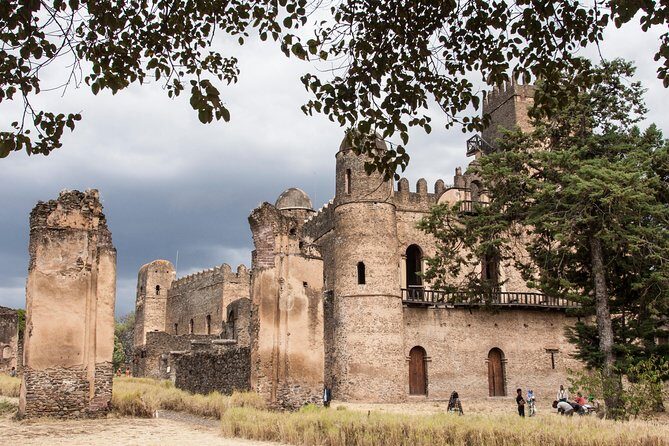
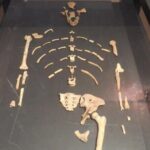
Next up is the National Museum of Ethiopia, and yes—this is your Lucy moment. You’ll see the famous female skeleton of Lucy, along with other objects that reflect Ethiopia’s history, culture, and natural world. The value here isn’t just seeing Lucy; it’s what the museum helps you do afterward: connect deep time to everyday culture.
In practice, I like museum time early in a trip because it changes how you look at everything else. After Lucy, later stops feel less like sightseeing and more like a chain of meaning—human origins, then belief systems, then how modern Ethiopia holds onto its identity.
Budget tip: admission is included for this stop, so you won’t be making cash decisions midstream. Just plan to spend the full hour and don’t rush your photos. Some details only make sense when you pause.
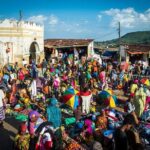
Mercato Market: real walking time in one of Africa’s biggest open-air markets
Mercato is often described in big terms, and it mostly earns it. This stop is built around walking through the market’s interesting sections and taking pictures as you go. Instead of driving past “a market,” you get to experience the rhythm: crowd flow, shop fronts, and the constant movement of daily business.
What to love here is that it’s unforced. You’re not being herded into a single photo spot and sent away. With a local guide, you can ask basic questions that make the place feel less like a spectacle and more like a living marketplace.
What to watch for: markets can be visually intense. If you’re someone who prefers quiet photography, you may need a few pauses. Bring a small amount of patience for crowds and keep your phone secure while walking.
Mount Entoto: panoramic Addis Ababa without turning it into a workout

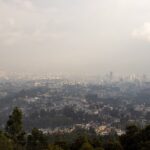
Mount Entoto is the “view” stop that keeps this route balanced. You’ll get the best panoramic look over Addis Ababa, and the tour gives you a choice: climb up or drive with the car. That flexibility is useful. If you’re tired from earlier walking, you can still get the payoff.
This is also a good spot for a mental reset. Big museums and markets take your attention in different directions. Mount Entoto is about letting your eyes catch up and your brain catch breath.
Timing matters: plan for the short duration. This isn’t a long hike day; it’s a quick ascent or drive and then take in the views before you move on.
Lake Tana: monastery islands, birds, and hippos on a boat
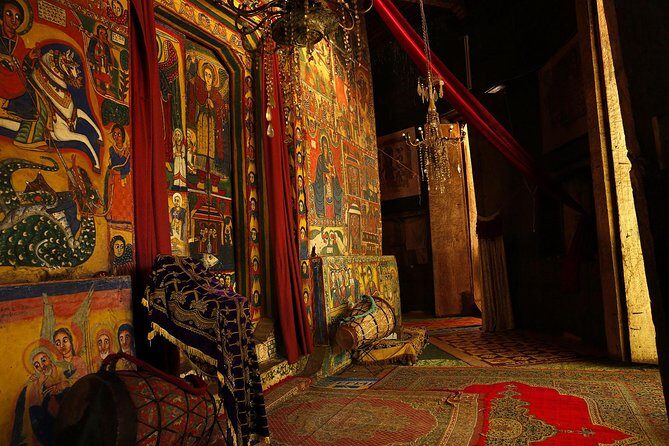
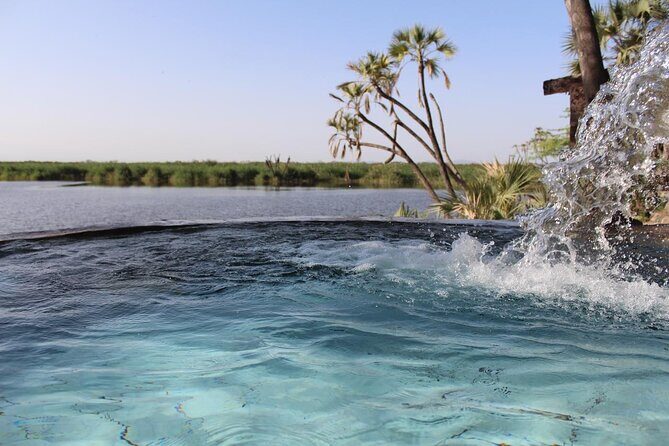
Day two starts with Lake Tana, the largest lake in Ethiopia, spread across 37 islands. The highlight isn’t one temple—it’s the system of ancient churches and monasteries scattered across islands. The tour specifically mentions around 22 ancient holy places on these islands, and you’ll visit some of them.
This is where the “north Ethiopia historic route” idea comes into focus. Ethiopia’s Christian heritage is often seen through famous church sites in cities, but Lake Tana shows how spiritual life can be shaped by geography. Islands slow time. Even if you only spend a few hours here, it can change how you understand religious sites in Ethiopia.
The boat element is important for two reasons:
1) you actually get lake perspectives, not just shore angles
2) the tour is set up so you can watch for birds and hippos
That combination makes the lake feel alive. You’re not just visiting buildings; you’re reading the environment around them.
Small practical detail: if you’re sensitive to motion, mention it to your guide before the boat ride so they can help you plan where to sit and how to prepare. The itinerary doesn’t claim any special conditions, but water days are always a little unpredictable.
Blue Nile Falls near Bahirdar: the village walk and the famous river crossing
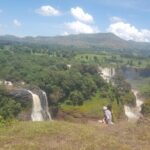
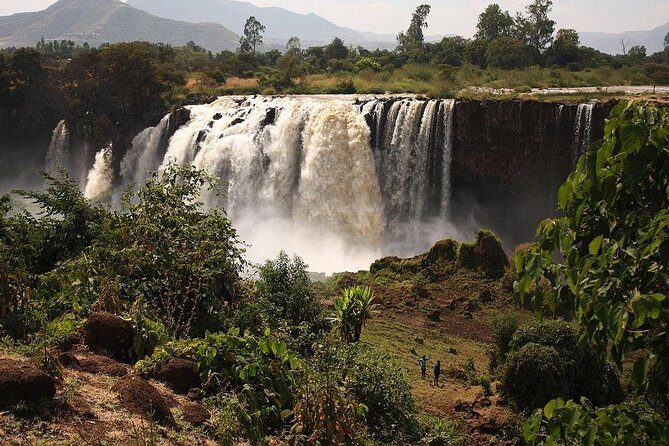
After Lake Tana, you’ll head to the Blue Nile Falls, about 36 km from Bahirdar. The tour includes a walk through the village to reach the falls, which is one of the best ways to experience the area without turning it into a photo-only stop. Along the way, you’ll see the countryside and get a feel for how local life connects to the natural site you came for.
Then comes the iconic part: crossing the Blue Nile river by boat. It’s built into the experience, so you’re not watching it from a bank. You experience it—moving across the same water the falls depend on.
What you’ll want to plan for is footing and weather. Falls days can be slippery depending on conditions. Wear shoes that you trust, and don’t let the formal-dress expectation tempt you into uncomfortable footwear.
Price and value: what $1,000 buys you in 2 days
At $1,000 per person for roughly two days, this is not a budget sampler. So here’s how I’d judge the value based on what’s included.
You’re paying for:
- accommodation arranged as part of the itinerary
- admission tickets at the listed stops (Holy Trinity Cathedral, National Museum, and the rest)
- transport by air-conditioned minivan with pickup and drop-off
- local guide support and a professional driver service
- bottled water and coffee/tea
- the boat ride on Lake Tana
- national park fees (where applicable)
- breakfast (3 included)
What’s not included is also important: meals aren’t included beyond breakfast. Alcohol is sold separately. Tips aren’t covered, and laundry and excess luggage charges can add up if you’re not traveling light.
So is it worth it? I think it can be, especially if you want a smooth flow between Addis Ababa and the lake area with site admissions handled for you. If you’re comfortable organizing on your own and you don’t value guided context, you could potentially lower your cost. But if you’d rather spend your energy looking at Ethiopia instead of managing logistics, this package is designed for that.
How the tour pace works: private group, comfort, and early starts

This is a private tour/activity, meaning it’s limited to your group rather than a mixed crowd. The maximum group size is capped at 20, and a minimum of 2 people per booking is required. In practice, that usually means you get enough flexibility for questions and pacing, especially at churches and museums.
You also start early—meeting time is 5:30am. That’s not a random number. It helps you fit the first set of Addis stops and still reach day-two highlights without cutting the lake/falls time short.
The transport is handled by an air-conditioned minivan with a professional driver. That matters in Ethiopia, where road conditions can change. You’ll feel the difference between being stuck on a rough drive with no plan and having someone who’s used to the route.
One more factor: moderate walking is part of the plan, and it’s not recommended for pregnant women. If that applies to you, it’s worth choosing another option with fewer walking segments.
What to pack for the “formal dress + active legs” combo
Even when a tour sounds cultural, you still need clothing that works on the ground. Here’s what I’d pack for this route based on the stated rules and typical realities of the sites:
- Formal outfit for Holy Trinity Cathedral (something you can sit/stand in comfortably)
- Comfortable walking shoes for markets and the village approach to Blue Nile Falls
- A light layer for early morning (your schedule starts at 5:30am)
- A small day bag for water and essentials
- If you’re visiting religious spaces: bring respectful coverage and follow the guide’s cues
Also, consider the vegetarian option. It’s available, but you must request it at booking. If dietary requirements matter to you, don’t wait until the day-of.
Is this the right Northern Ethiopia route for you?
This short tour fits best if you want a guided introduction to northern Ethiopia’s “core themes” without taking a week. You’ll get:
- imperial-era and religious art connections in Addis Ababa
- Ethiopia’s human-origin story at the museum
- a deep taste of daily life at Mercato
- lake islands with ancient monasteries
- a natural spectacle with a village walk and river crossing
If you’re the type who loves big sights but also needs context—what you’re seeing and why it matters—this route makes sense. If you hate mornings that start before sunrise, or you’re traveling with limited stamina, you may feel rushed or uncomfortable.
Should you book this 2-day Northern Ethiopia Historic Route?
I’d book it if you want a guided, admission-included overview of Addis Ababa’s key culture stops plus Lake Tana and the Blue Nile Falls. The mix is efficient: cathedral + Lucy + market + views on day one, then lake monasteries + boat + falls on day two. For many people, that’s the ideal “first Ethiopia” course correction.
I wouldn’t book it if your idea of a vacation is slow and casual, with no formal dress expectations. Also skip it (or choose carefully) if walking time and early starts would derail your enjoyment.
If you do book, ask for help with the details that affect your comfort: formal outfit expectations, footwear advice for falls and walking segments, and vegetarian meals if needed. That’s how you turn a good route into a smooth one.
FAQ
What time does the tour start?
The start time is 5:30am.
How long is the Northern Ethiopia Historic Route?
It runs for about 2 days (approx.).
What’s included in the price?
Included features are accommodation as per the itinerary, national park fees, bottled water, local guide, hotel pickup and drop-off, air-conditioned minivan transport, coffee and/or tea, boat ride, professional driver service, and breakfast (3).
Are admission tickets included?
Yes. Admission tickets are included for Holy Trinity Cathedral, the National Museum of Ethiopia, and the listed sights on both days.
Is pickup available?
Yes, hotel pickup and drop-off are included.
Is there a vegetarian option?
Yes, a vegetarian option is available if you advise them at the time of booking.
Is there moderate walking?
Yes. A moderate amount of walking is involved, including walking during the falls segment.
Is this tour private?
Yes. It’s a private tour/activity, and only your group participates.