REVIEW · ADDIS ABABA
Addis Ababa +Mount Entoto View Point,Museums Palace Market Tours
Book on Viator →Operated by Daily Addis Tours · Bookable on Viator
Entoto Hill is Addis Ababa’s rooftop view. This guided day blends panoramic city overlooks with major cultural stops, and it’s paced well enough for a short stay. I also like how the experience feels organized and personal with guide Yonas, not a rushed bus tour, and you’ll get a smart combo of monuments plus the National Museum. One catch: if you want to go beyond the viewpoints into the Entoto park area, you’ll pay an extra park fee on the day.
You’ll start with pickup and a smooth drive uphill at about 3,200 meters, through eucalyptus and hillside neighborhoods. On clear days, the views help you understand how Addis Ababa stretches out; on cloudy or rainy days, the skyline is still interesting, just less dramatic. The group stays small (up to 15), and the day runs about 4 to 6 hours with enough flexibility to match your interests.
At $65.55 per person, this is strong value if you want admissions handled and don’t want to stitch together multiple tickets and rides. Most major stops have admission covered, plus air-conditioned transport and WiFi on board. If you’re budget-tight, just plan for lunch (not included) and any extras like tips and the Entoto park entry.
In This Review
- Quick highlights of this Addis Ababa + Entoto day
- Mount Entoto viewpoints: eucalyptus air, big altitude, real Addis Ababa views
- Menelik II palace area: a sacred mount feeling without the museum-march vibe
- Shiro Meda Market: handwoven cotton shopping near the US Embassy
- National Museum of Ethiopia: Lucy, fossils, and the deep timeline you can actually follow
- Derg Monument, Yekatit 12, Lion of Judah, and Menelik II Square
- Tiglachin Monument (Derg Monument)
- Yekatit 12 Memorial
- Lion of Judah and Menelik II Square
- Tomoca Coffee and Ethiopian honey: small stops that taste like the country
- Tomoca Coffee stop
- Pure honey tasting shop in Bole
- Lunch at Addis Ababa Restaurant: when to budget time and money
- Price and logistics: what $65.55 buys you (and where extra costs appear)
- Who this tour suits best in Addis Ababa
- Should you book this Addis Ababa + Mount Entoto day?
- FAQ
- How long is the Addis Ababa + Mount Entoto viewpoint and museum tour?
- What is the price per person?
- Is pickup offered?
- What admissions are included?
- What is not included?
- Do I need to pay extra to enter Entoto park?
- How big is the group?
- Is cancellation free?
Quick highlights of this Addis Ababa + Entoto day
- Mount Entoto viewpoints for big-sky panoramas over the capital (especially on clear days)
- Menelik II’s palace area and its eucalyptus-covered sacred mountain feel
- Shiro Meda Market for handwoven cotton textiles and scarf shopping where bargaining is expected
- National Museum of Ethiopia, including the Lucy fossil and major archaeological exhibits
- Addis Ababa downtown monuments and coffee, plus a quick honey stop to round out the day
Mount Entoto viewpoints: eucalyptus air, big altitude, real Addis Ababa views

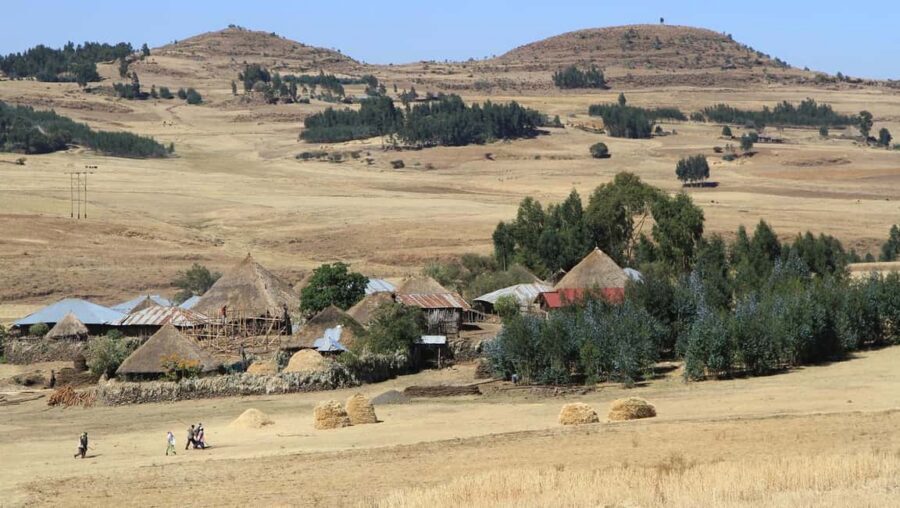
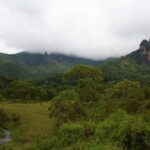
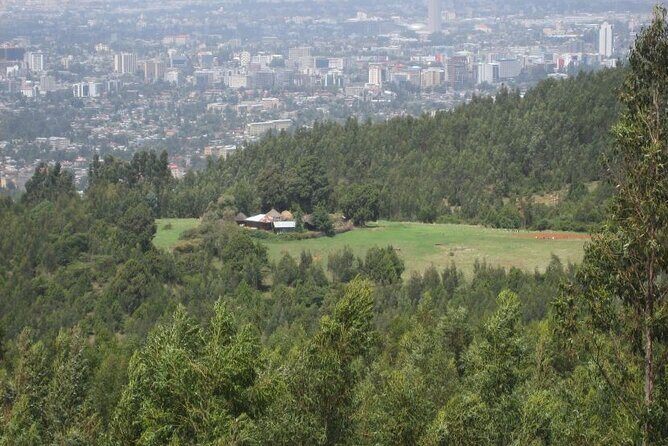
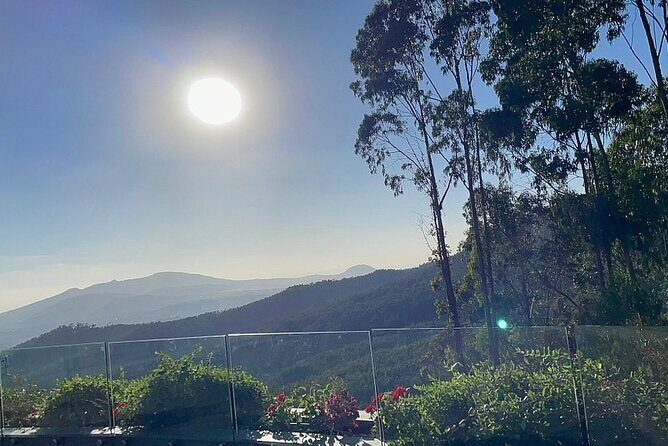
Mount Entoto is the kind of place that makes the city feel instantly more “readable.” You’re starting from Addis Ababa’s everyday streets and climbing up to about 3,200 meters, so the air and the scenery shift as you go. The drive uphill passes small villages and hillside growth, then the eucalyptus scent gets stronger as the forest takes over.
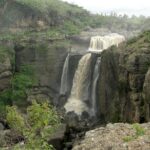
From the top, you get panoramic views of Addis Ababa and the surrounding countryside. That view is the main payoff here, and it’s why this stop works even if you only have a few hours in the city. The timing is also friendly: you’ll spend about 35 minutes up there, long enough to take photos, look out, and catch your breath before you head back down.
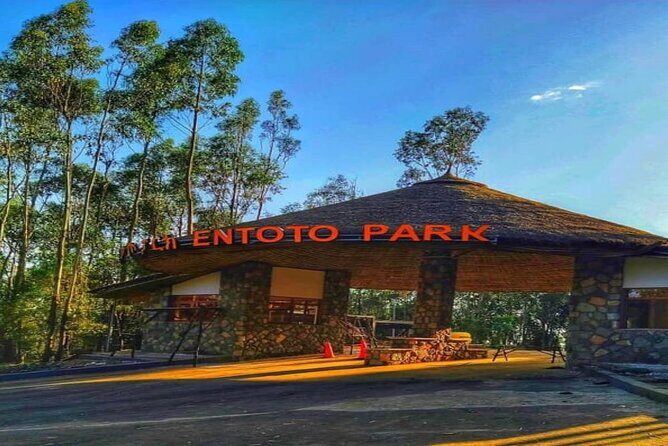
A practical note: there’s a difference between the viewpoint experience and entering the park area. The entrance fee for the Entoto park is not included in the base price. If you decide you want to enter the park, the cost is $9 USD per person. If you mainly care about the overlook, you can often skip that extra spend.
If weather is turning (rainy season clouds happen), don’t panic. The viewpoints can still be atmospheric, but the skyline details will be softer. I’d plan for a “views first, weather second” mindset.
You can also read our reviews of more museum experiences in Addis Ababa

Menelik II palace area: a sacred mount feeling without the museum-march vibe
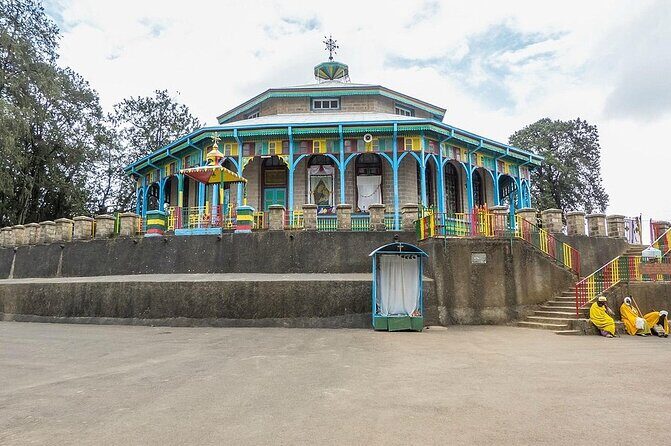
Menelik II’s palace on Entoto Hill is where the day gets more meaningful, not just scenic. You’ll be on Mount Entoto’s slopes, an area tied to Emperor Menelik II’s time as he helped found Addis Ababa. This site isn’t presented as a quick history badge; it feels like a lived-in religious landscape.
This stop is also eucalyptus-heavy, which matters because it explains why the mountain is often called the lung of Addis Ababa. The eucalyptus forest was imported during Menelik II’s reign and expanded during Emperor Haile Selassie’s era. Whether you’re a plant person or not, it helps you connect the modern city to the environmental choices made across Ethiopian history.
You’ll spend about 1 hour here, and the time should feel comfortable. The palace area is described as a sacred mountain with monasteries and several churches in the region, including Saint Raguel and Saint Mary. If you’re the type who likes to see how religion, royalty, and everyday geography overlap, this is a highlight.
The tour also includes admission fees for the menelik palace site and Saint Mary church. That’s one less thing to manage when you’re trying to move through Addis efficiently.
Shiro Meda Market: handwoven cotton shopping near the US Embassy
After the hill stops, Shiro Meda Market is a satisfying gear shift. Instead of looking down at the city, you’re in the middle of it, with textiles in every direction.
Shiro Meda (also spelled Chiromeda) is known for Ethiopian textiles in many forms—clothing, linens, and items that make great souvenirs. The focus is especially on handwoven cotton pieces, with a strong selection of scarves and women’s clothing. It’s also a place for smaller gift items like bed covers and table clothes, plus jewelry options such as necklaces and earrings.
This stop lasts about 35 minutes. That’s enough time to browse without turning it into a full afternoon shopping spree. And yes, bargaining is part of the experience. The tour doesn’t put you on a strict schedule of “buy or leave,” so you can take your time comparing patterns and deciding what you actually want to carry home.
If you’re shopping with a plan, go in with one or two item types in mind—like scarves or a specific textile size—so you’re not overwhelmed by options. If you’re flexible, Shiro Meda is also a great place to practice bargaining because the market sells many price points.
National Museum of Ethiopia: Lucy, fossils, and the deep timeline you can actually follow
Then comes one of Addis Ababa’s biggest anchors: the National Museum of Ethiopia. If you’ve ever been curious about human origins but didn’t want a textbook day, this is a good match.
The museum is described as one of the best in quality and diversity of exhibits. The headline object is the Lucy fossil (Dinkinesh in the local language), a 3.5 million-year-old Australopithecus afarensis hominoid. The discovery in 1974 changed how people understood human genealogy by suggesting that early ancestors were walking around about 2.5 million years earlier than previously thought.
That’s a lot of big-picture science to fit in your head during a museum visit, but the way it’s presented here tends to make it feel concrete. You’ll also see artifacts tied to older civilizations, including items dating back to pre-Axumite periods.
Time-wise, plan on about 45 minutes. That might sound short, but it’s right for a half-day itinerary that still needs monuments, coffee, and a market. If you want a slower, deeper museum day, you can treat this visit as a solid orientation and then come back later on your own time.
Admission fees for the National Museum are included, so your money goes into the experience rather than ticket-hunting.
Derg Monument, Yekatit 12, Lion of Judah, and Menelik II Square
Once you’re back in the city proper, the tour shifts from museums and markets to public spaces and monuments—places where Ethiopia’s 20th-century story and national symbols show up in plain sight.
You can also read our reviews of more shopping tours in Addis Ababa



Tiglachin Monument (Derg Monument)
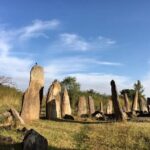
The Tiglachin Monument is tied to the Ogaden War, commemorating Ethiopian and Cuban soldiers involved in that conflict. It was built during the rule of Mengistu Haile Mariam and sits on Churchill Avenue. The monument features a central statue, a 50-meter pillar, wall reliefs on both sides, and squares where portraits of Cuban soldiers are visible. There are also sculptures said to have been given by the North Korean government in 1984.
You’ll spend about 20 minutes. That’s enough to read the memorial’s structure and understand what it’s marking without rushing through it like a drive-by.
Yekatit 12 Memorial
Next is the Yekatit 12 memorial, a commemoration of the Yekatit 12 pogrom—an Italian war crime in Ethiopia. The dates are given as 19 to 21 February 1937, and the name comes from the Ethiopian calendar start date. The memorial is an obelisk in the center of the roundabout at Sidist Kilo Square (also called Yekatit 12 Square).
Time here is short, about a quick stop (the itinerary notes it without a duration in the same way as the other stops). Expect it to be a photo-and-read moment.
Lion of Judah and Menelik II Square
The Lion of Judah is explained as a symbolic title with Biblical roots and also used to represent the Ethiopian monarchy, especially Emperor Haile Selassie. After that, you’ll pass by or stop at Menelik II Square, a public gathering space named after Emperor Menelik II, with an equestrian statue. It’s a popular meetup area for religious and national holidays.
These stops aren’t just for sightseeing. They help you understand how Ethiopia displays identity—through stone, names, statues, and the way public squares work as social living rooms.
Tomoca Coffee and Ethiopian honey: small stops that taste like the country
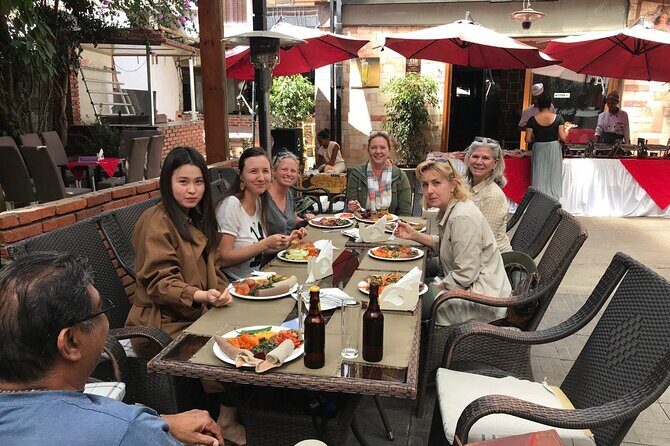
The tour doesn’t only move through history and monuments; it also includes two food-and-souvenir style stops that fit the time window.
Tomoca Coffee stop
At Tomoca Coffee, you’ll experience Ethiopian coffee through a practical, sensory lens. The tour description points to Yirgacheffe as a standout, and you’ll also see references to frankincense and the Ethiopian coffee ceremony. It notes that the shop is among the oldest Tomoca Coffee shops and that you can buy roasted beans or ground coffee as souvenirs.
This stop is brief—about 15 minutes—but it’s enough to smell roasted coffee and decide whether you want beans for home. If you’re a coffee gift person, this is an easy win with no extra shipping or second-guessing later.
Pure honey tasting shop in Bole
There’s also a honey tasting shop in Bole, near Flamingo and in front of the Hyatt Regency Hotel. It focuses on organic Ethiopian honey products and says you can sample different varieties and infusions. The description frames it as a convenient place to buy honey items and take them home.
This stop is only about 10 minutes, so treat it as a taste-and-shop moment, not a full foodie detour.
Lunch at Addis Ababa Restaurant: when to budget time and money
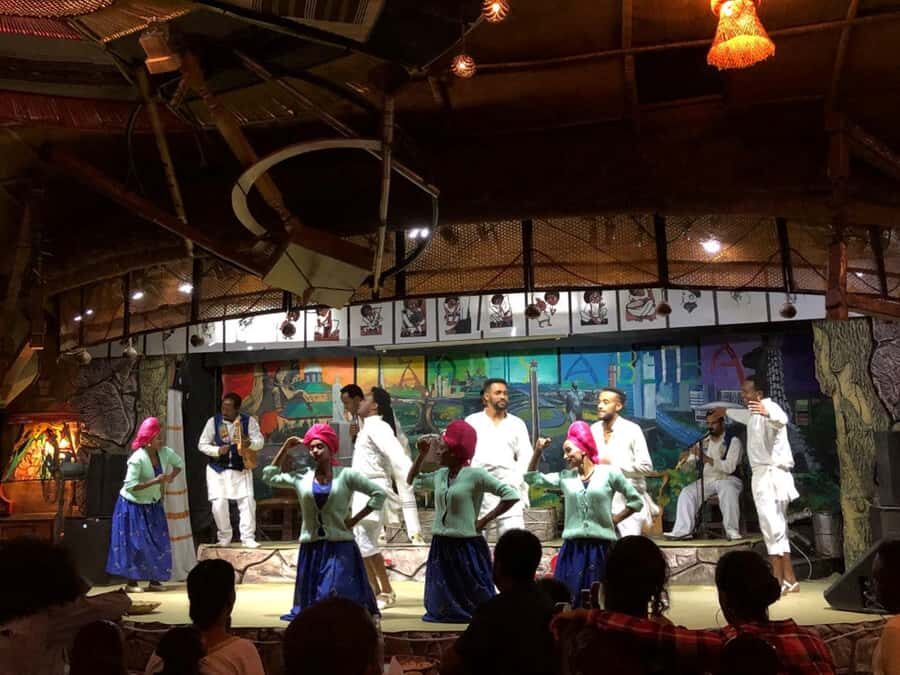
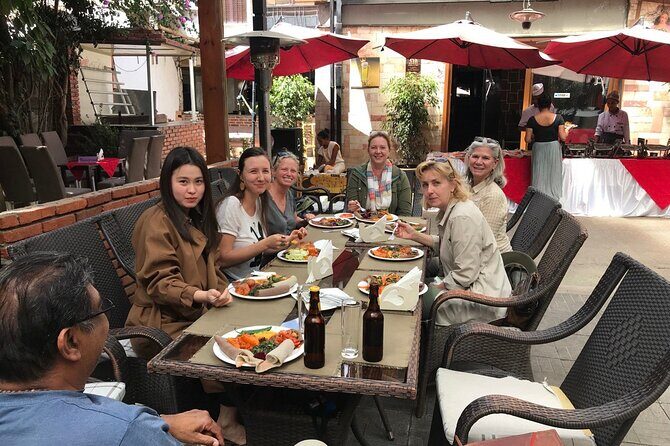
Lunch is optional in the sense that it isn’t included in the tour price. The plan is to take your meal at Addis Ababa Restaurant in downtown Silver Spring. That location comes with cultural touches: murals and lamps featuring historical and cultural elements from Ethiopia, including angels from Debra Birhan Selassie Church and a painting of Queen of Sheba with King Solomon.
Since lunch isn’t included, you should budget it separately. The upside is you can choose what you feel like eating rather than getting limited to a set menu. The downside is cost adds up if you’re also paying for shopping and souvenirs—so decide early whether you’re treating this day as mostly “sightseeing with one or two treats” or “full-day eating and buying.”
If you want to keep spending controlled, use the museum and market stops as your “must spend” and handle lunch as your flexible line item.
Price and logistics: what $65.55 buys you (and where extra costs appear)
Let’s talk value in plain terms. The tour costs $65.55 per person, runs about 4 to 6 hours, and includes pickup and drop-off. You also get transport by air-conditioned vehicle with a driver/guide, and WiFi on board during the ride.
What’s included on the admission side matters. The package lists admission fees for Menelik palace and Saint Mary church, plus Menelik Museum and Mount Entoto view points. It also includes attraction fees and covers taxes, fees, and handling charges. In other words, you’re not paying ticket-by-ticket through the day.
What’s not included is also clear:
- Lunch at the Addis Ababa Restaurant
- Tips for your driver and guide
- Park fees (like the Entoto park entrance fee if you choose to enter)
- Alcoholic drinks
The small-group size (maximum 15) plus the structured route is part of the value. You get a lot of stops in limited time without it feeling like you’re running between far-off locations on your own. That’s especially useful if you’re on a tight schedule and don’t want to figure out transport and entry times.
Who this tour suits best in Addis Ababa
This is a strong fit if you want a one-day introduction to Addis Ababa’s mix of altitude viewpoints, royal and religious sites, museum depth, and downtown monuments. You’ll also like it if you enjoy practical shopping and want help finding a textile market quickly.
It’s especially good for:
- Short-stay visitors who need a balanced itinerary without the stress of planning each stop
- People who want major museums and monuments but still want some sensory breaks (coffee, honey, market)
- Solo travelers or couples who prefer guided pacing and pickup over public-transport logistics
It might be less ideal if you want slow, unhurried stays at each site. The stops are timed, and even though each place is worth time, this tour is designed to cover a lot.
Should you book this Addis Ababa + Mount Entoto day?
If you’re short on time, I’d book it. This route hits the big “first-day Addis” boxes: Entoto Hill views up high, Menelik II’s palace area for context, Shiro Meda Market for real shopping, and the National Museum for the standout Lucy experience. The icing on the cake is that the day also includes monuments, coffee, and a honey tasting moment.
Book this tour if:
- You want guided efficiency without skipping the essentials
- You like the idea of shopping for handwoven cotton textiles in a focused window
- You’d rather pay for a package that handles admission and transport than manage it all day
Consider skipping or customizing if:
- You’re only interested in one or two sites (like just the museum or just Entoto)
- You’re not keen on market bargaining and prefer purely sightseeing
FAQ
How long is the Addis Ababa + Mount Entoto viewpoint and museum tour?
The duration is approximately 4 to 6 hours.
What is the price per person?
The price is $65.55 per person.
Is pickup offered?
Yes. Airport/Hotel pickup and drop-off are included, and pickup is offered.
What admissions are included?
Admission fees included cover Menelik palace, Saint Mary church, and Menelik Museum plus Mount Entoto view points (along with attraction fees listed as included).
What is not included?
Lunch at Addis Ababa Restaurant is not included. Tips for your driver and guide, park fees, and alcoholic drinks are also not included.
Do I need to pay extra to enter Entoto park?
Yes. The entrance fee to the Entoto park is not included, and the cost is stated as $9 USD per person if you want to enter the park.
How big is the group?
This tour has a maximum of 15 travelers.
Is cancellation free?
Yes. You can cancel up to 24 hours in advance for a full refund, and cancellation is free under that timing rule.
—
If you tell me your travel dates and whether you’re more into museums, markets, or monuments, I can suggest a simple order of priorities so you don’t feel rushed.