REVIEW · ADDIS ABABA
Experience a Cultural and Historical Journey through Addis Ababa
Book on Viator →Operated by Ethiosinia Tours · Bookable on Viator
Addis Ababa hits you fast. This 5–6 hour private outing strings together Ethiopia’s big stories, starting with Lucy at the National Museum and continuing through imperial-era sites and the Holy Trinity Cathedral. I especially like how the day mixes archaeology, religion, and real city life without feeling like a checklist.
I also like that you get the practical comforts built in: lunch plus coffee/tea, with an air-conditioned vehicle and a guide who explains what you’re actually looking at. The main drawback to plan for is pace. It’s a full morning into early afternoon, so if you prefer slow museum time, you may wish you had more hours.
Expect an organized day that starts around 8:30 am, with pickup offered and a mobile ticket. You’ll also spend time at viewpoints and a major market, so you’ll go from indoor history to open-air streets in just a few hours. It’s a good fit if you want your bearings fast and still come away with context.
In This Review
- Key points to know before you go
- Why this Addis Ababa highlights plan works in 5 to 6 hours
- National Museum of Ethiopia: Lucy, Dinkinesh, and early civilizations
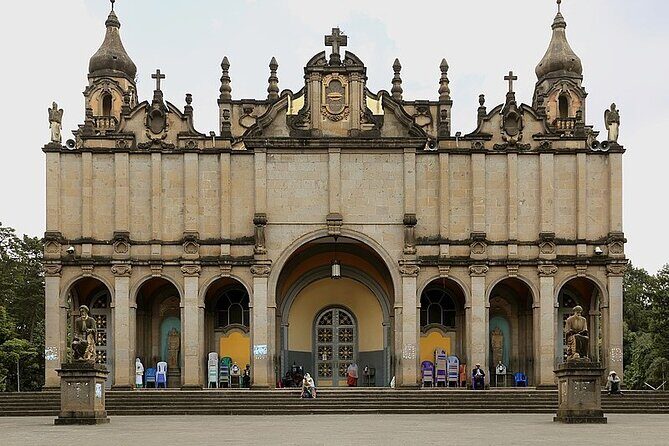
- Holy Trinity Cathedral and Haile Selassie’s tomb: spiritual history in one building
- Mount Entoto: Menelik II’s camp area and panoramic Addis
- Mercato after lunch: shopping chaos with a plan
- Tiglachin Memorial: Ogaden War memory on Churchill Avenue
- Tomoca Coffee and Leghar Train Station: Ethiopia’s coffee roots, then a station stop
- The guide factor: Eyob’s storytelling and practical Ethiopia tips
- Price and value: what $100 covers and why it adds up
- Who this tour is best for (and who might want something else)
- Should you book this Addis Ababa cultural and historical tour?
- FAQ
- How long is the tour?
- What time does it start?
- Is pickup offered?
- Is this a private tour?
- What’s included in the price?
- Are tickets included for the main attractions?
- Does the tour include alcoholic beverages?
- Which major sights do you visit?
- Is there a chance to attend religious ceremonies?
- What kind of ticketing do I use?
Key points to know before you go
- Lucy’s fossil at the National Museum: a 3.5 million-year-old anchor for Ethiopia’s human-story timeline.
- Haile Selassie’s burial at Holy Trinity Cathedral: an imperial mausoleum inside the country’s most important church.
- Mount Entoto views and eucalyptus air: a quick climb to big panoramas from Emperor Menelik II’s former camp area.
- Mercato, Africa’s largest open-air market: plan on a long enough stop to actually look around.
- Tiglachin Memorial for the Ogaden War: Ethiopian and Cuban soldiers remembered on Churchill Avenue.
- Tomoca Coffee and Leghar Station: coffee roots plus a stop at Addis Ababa’s oldest train station.
Why this Addis Ababa highlights plan works in 5 to 6 hours

For a short visit, this kind of day tour makes sense. You’re not trying to cram everything into one afternoon—you’re hitting major landmarks that represent different chapters of Addis Ababa: deep time, imperial power, geography, and everyday trading life.
The value is in what’s included. You get an air-conditioned vehicle, a professional guide, and key admissions, plus lunch and coffee/tea. That matters because Addis can swallow time if you’re constantly figuring out transport and ticketing between stops. Here, the structure keeps you moving while the guide adds meaning to each location.
It’s also private, so the pace can be set for your group. That’s handy if you want to ask questions as you go, rather than waiting for a larger group schedule. And pickup being offered is a real quality-of-life upgrade when you’re starting your day in a city you don’t yet know.
You can also read our reviews of more historical tours in Addis Ababa
National Museum of Ethiopia: Lucy, Dinkinesh, and early civilizations
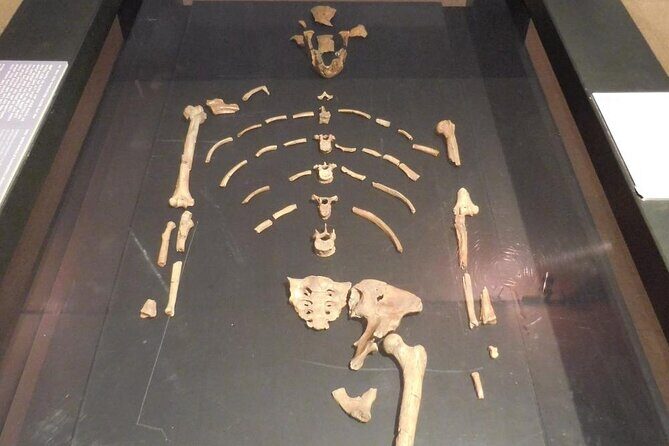
This is the stop that gives the whole trip its spine. The National Museum of Ethiopia is set up for visitors who want both scale and story, and the headline is the Lucy fossil—called Dinkinesh, meaning thou art wonderful.
You’ll see the fossil identified as Australopithecus afarensis, and you’ll learn why the discovery in 1974 changed how humans think about our origins. The key point is simple: it pushed human genealogy far earlier than people had expected, showing ancestors were walking around roughly 2.5 million years earlier than previously assumed.
What I like about this museum time is the balance. You’re not only looking at one famous name. The museum also includes archaeological exhibits tied to pre-Axumite civilization. That helps you connect Ethiopia’s ancient record to the rest of the day’s history stops, instead of treating each place as a separate postcard.
Practical consideration: you’re allotted about an hour. That’s enough time for a strong first pass, but not for slow reading in every corner. If you’re the type who likes to linger with every exhibit label, you might want to come back for a longer museum visit later.
Holy Trinity Cathedral and Haile Selassie’s tomb: spiritual history in one building
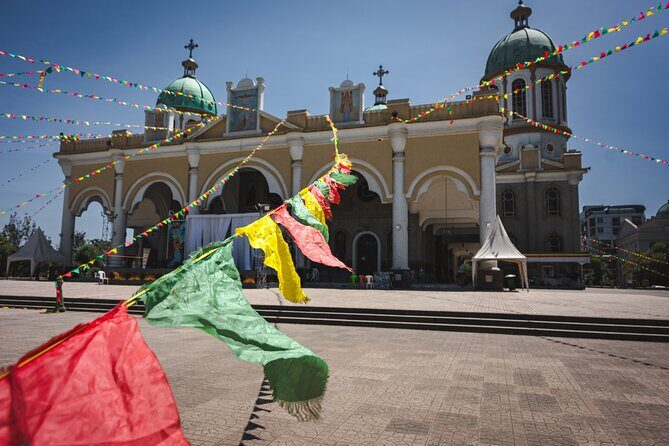
Holy Trinity Cathedral is not just a beautiful landmark. It’s described as the most important church in Ethiopia, and that importance shows up in how the site is used and remembered.
Inside, you’ll have a chance to visit the mausoleum of the last emperor of Ethiopia, Haile Selassie, along with his wife, who are both buried there. For me, this is where history stops being abstract. You’re looking at the physical place tied to a major figure, not just reading about him.
Another thoughtful detail: you may also be able to attend religious ceremonies at the same time. That can add a real sense of present-day continuity. It’s not just an artifact of the past; it’s part of ongoing life around the cathedral.
Timing note: you’ll have about an hour here. That’s usually enough to see the key areas and still leave time to travel onward without rushing your mind. Just keep in mind this stop can involve active worship or ceremony moments, so you’ll want to stay attentive to what’s happening on site.
Mount Entoto: Menelik II’s camp area and panoramic Addis
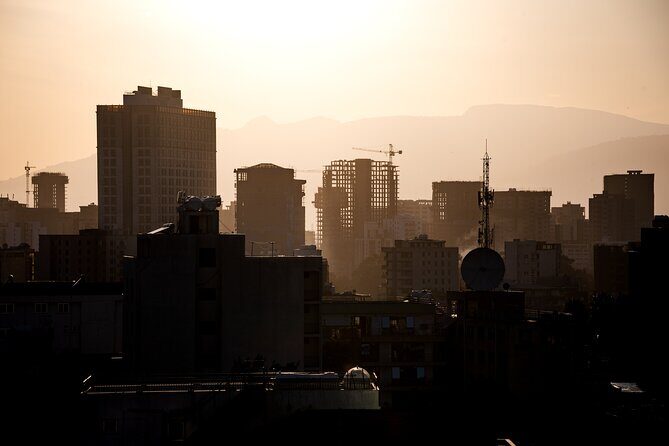
Mount Entoto is a different kind of history. Instead of artifacts, you get context through terrain and sightlines.
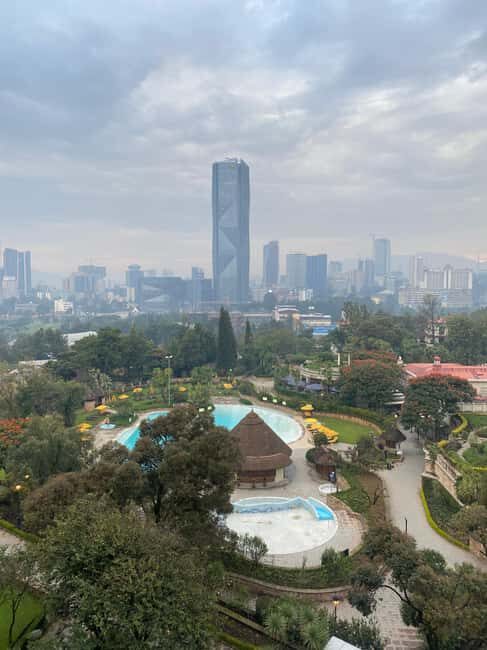
You’ll drive uphill to Entoto, where the area once served as Emperor Menelik II’s permanent camp. As you climb, the air feels different, and the eucalyptus trees add a noticeable scent to the experience. Then the viewpoint payoff: from the top, you get a panoramic view of Addis Ababa and the surrounding countryside.
This stop is only about 30 minutes, but it serves a useful purpose. After museum and cathedral time, you need a geographic reset. You’ll come away with a clearer mental map of where the city sits and how the capital opens out beyond the dense urban core.
It’s also a good pause before Mercato, because it shifts you from indoor or semi-indoor history into open-air city orientation. If you’re sensitive to walking or standing, plan to move slowly and use the short time to settle your footing before you take in the view.
Mercato after lunch: shopping chaos with a plan

Mercato is the kind of place where your senses get busy quickly. It’s described as the largest open-air market in Africa, and the basic point is straightforward: almost every possible commodity is on sale somewhere among the stalls.
The tour schedules this stop after lunch, which is smart. You’ll be walking around for about 1.5 hours, and eating first makes the market experience more comfortable. Lunch being included also helps you avoid the common travel trap of spending your whole “free time” searching for something you can eat quickly.
What to expect: an open-air environment, a large market footprint, and a lot of visual information at once. In other words, your guide’s role matters here. Good guidance helps you look with purpose, not just wander until you’re tired.
A consideration: because the market is so large, you may not see everything. That’s normal. Instead, focus on learning what you can from the guide—what types of goods are common, and how markets like this function as part of city life.





Tiglachin Memorial: Ogaden War memory on Churchill Avenue

Tiglachin Memorial adds a sobering chapter to the day. It commemorates Ethiopian and Cuban soldiers involved in the Ogaden War, and it was built under Mengistu Haile Mariam on Churchill Avenue in Addis Ababa.
This is a relatively short stop at about 30 minutes, so you’ll want to treat it like a focused visit rather than a long read-and-stand still experience. The value is that it broadens your understanding of Ethiopia’s modern history beyond politics and royalty. You’re seeing how conflict is remembered in public space.
If you like history with real-world anchors—names, locations, and specific events—this is worth paying attention to. It also helps balance the day, because after Mercato you get something quieter and more reflective.
Tomoca Coffee and Leghar Train Station: Ethiopia’s coffee roots, then a station stop

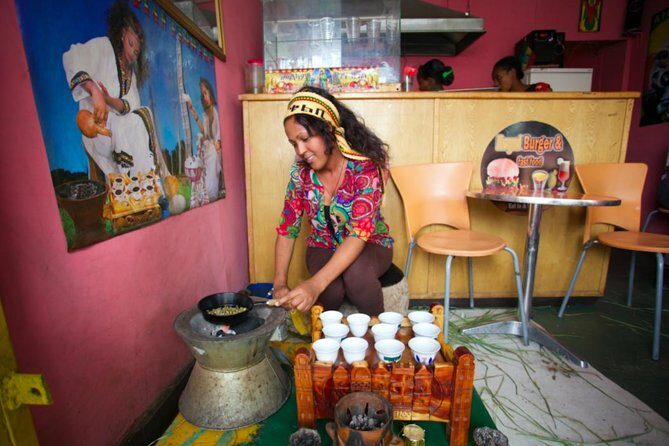
This is where the day turns fragrant. Tomoca Coffee is described as Ethiopia’s pioneer in roasting fine highland coffee beans, established in 1953. The story tied to it is important: Kaffa is named as the birthplace of coffee, and that connection gives the stop deeper meaning than a quick caffeine break.
You’ll spend about 30 minutes here, and coffee and/or tea is included. This is a nice pacing tool: you get a sit-down moment after walking through busy city areas, and you also get context for how coffee fits into Ethiopian life.
The experience also includes an additional historical stop at Leghar Train Station, said to be Addis Ababa’s oldest station. Even if you don’t know much about railway history, the pairing works. You end the day with a place that feels like a time marker in the city’s modern development—then you carry the coffee aroma with you on the way out.
The guide factor: Eyob’s storytelling and practical Ethiopia tips
In Ethiopia, your guide can change how you experience the country. In the feedback tied to this day tour, Eyob stands out for one thing: context. He’s described as friendly and personable, and also able to explain not only Addis Ababa, but Ethiopia in general—history, people, development, geography, and even current affairs.
I like that this translates into better on-the-ground choices for you. A good guide doesn’t just point at sights. They help you understand what you’re seeing and what to do next. In the comments connected to Eyob, people also noted he gave useful travel tips and recommendations after the tour, which is exactly what you want when your trip continues beyond the planned stops.
If you’re solo, or if you want to avoid feeling lost between landmarks, a guide like Eyob is a big part of the tour’s value.
Price and value: what $100 covers and why it adds up
At $100 per person, the price is easiest to judge by what you’re not paying for separately. This day includes lunch, coffee/tea, air-conditioned transportation, a professional guide, and all fees and taxes. Admissions for the major stops are included, too, and alcoholic beverages are not.
So you’re essentially paying for a guided, structured day that bundles entry costs and transportation. That’s often where value shows up for first-time visitors: you don’t have to coordinate multiple vendors, and you don’t have to worry about missing key tickets.
Also, because the tour is private, you’re not splitting guide attention with a larger crowd. That can make the day feel more tailored, and it’s a practical advantage if you like asking questions as you go.
Who this tour is best for (and who might want something else)
This works especially well if you:
- Are visiting Addis Ababa for a short time and want the main anchors in one day
- Want history explained clearly, not just photographed
- Like a mix of museum time, sacred sites, viewpoints, and market life
- Prefer a guided plan over figuring out transport and tickets on your own
You might choose a different option if:
- You want to spend long, unhurried hours inside museums
- You dislike moving locations frequently
- You’re looking for mostly one theme (only archaeology, only churches, only coffee, etc.)
Should you book this Addis Ababa cultural and historical tour?
If your goal is to get your bearings fast and leave with real context, this is a strong pick. The blend of Lucy and early human history, Holy Trinity Cathedral and imperial burial, Mount Entoto’s geography, Mercato’s market reality, and then coffee at Tomoca makes the day feel like Addis Ababa across different eras.
I’d book it if you like guided storytelling and you appreciate having lunch plus coffee/tea built in. It’s also a smart first-day plan, because it gives you language and landmarks to use as you explore on your own later.
If you’re the kind of traveler who prefers deep time at one place, consider booking a museum-focused day or allowing extra time for repeat visits. But for a first, well-rounded introduction, this tour hits the right notes.
FAQ
How long is the tour?
It runs about 5 to 6 hours.
What time does it start?
The start time is 8:30 am.
Is pickup offered?
Yes, pickup is offered.
Is this a private tour?
Yes. It’s private, meaning only your group participates.
What’s included in the price?
Coffee and/or tea, lunch, all fees and taxes, a professional guide, and an air-conditioned vehicle are included.
Are tickets included for the main attractions?
Yes, admission tickets are included for the listed stops.
Does the tour include alcoholic beverages?
No, alcoholic beverages are not included.
Which major sights do you visit?
You’ll visit the National Museum of Ethiopia (including Lucy), Holy Trinity Cathedral, Mount Entoto, Mercato market, Tiglachin Memorial, Tomoca Coffee, and Leghar Train Station.
Is there a chance to attend religious ceremonies?
Yes. You have a chance to attend religious ceremonies while at Holy Trinity Cathedral.
What kind of ticketing do I use?
A mobile ticket is provided.