REVIEW · ADDIS ABABA
Ethiopian Fasika with North And South Omo Valley Tour Packages
Book on Viator →Operated by Aman Ethiopia Tours And Travel Agent · Bookable on Viator
Ethiopian Easter hits different. This Fasika-focused journey is timed for the most important season in the Ethiopian Orthodox calendar, when a long 55-day lent cycle of strict fasting leads into the build-up week called HeMamat and then the main celebrations. The part I’m most excited about is how the day-by-day plan puts you in Lalibela for an Easter market and a major rock-hewn church ceremony.
I also like the tour’s overall shape: it connects Ethiopia’s Christian “stone city” past with northern monuments and then drops you into the cultural intensity of the Omo Valley and the Rift Valley route south. You’ll move through highland sites like Axum and the Simien Mountain area, then down to national parks and tribal communities, all under the coordination of Aman Ethiopia Tours And Travel (with Amanuel’s team showing up again and again in feedback for getting logistics right, including hotel choices).
One thing to consider: this is a lot of ground in a short time, with long driving days and a formal dress code for at least part of the included evening program. If you’re the type who hates early mornings or slow-paced travel, you’ll want to mentally prepare for an active schedule.
In This Review
- Key things to know before you go
- Why Fasika at Lalibela changes the whole feel of the trip
- Day 1 to Day 3: Addis Ababa arrivals, Lalibela churches, and Easter Eve at Bete Medhanialem
- Addis Ababa to Lalibela (Day 2)
- The Easter build-up and the Lalibela Easter Market (Day 3)
- North church power: Axum monoliths and Simien Mountain days that feel cooler and quieter
- Axum: monoliths and the feeling of scale (Day 4)
- Axum to Simen Mountain (Day 5)
- Gondar and Bahir Dar: the Camelot-of-Africa nickname and Lake-country contrast
- The Rift Valley run: Addis Ababa to Awassa to Arba Minch (Days 8–9)
- Lake Chamo, Nechisar, Konso, and Turmi: national parks meet Omo Valley culture
- Arba Minch to Turmi (Day 10)
- Omorate, Jinka, Dassanech, and Mursi: Lake Turkana delta life plus another layer of Omo
- Turmi to Jinka via Omorate (Day 11)
- Welayta Sodo and the final cultural evening in Addis Ababa (Days 12–13)
- Jinka to Welayta Sodo (Day 12)
- Welayta Sodo to Addis Ababa plus Tiya and Adadi Maryam (Day 13)
- Price and value: is $1,371.91 per person fair for this much ground?
- The practical stuff that decides whether you’ll love it or dread it
- Your day will be full, not leisurely
- Respect the festival mood and local rules
- Vegetarian needs can be handled
- Shows and credit cards
- Who this tour suits best (and who might prefer a different pace)
- Should you book the Ethiopian Fasika North and South Omo Valley experience?
- FAQ
- Where does this tour start?
- What’s the tour duration?
- What is the price per person?
- Is pickup included?
- Is the tour private?
- What meals are included?
- What isn’t included in the price?
- Can I get a vegetarian option?
- What’s the dress code?
- Do I get a guide?
- What’s the cancellation policy?
Key things to know before you go
- Fasika timing in Lalibela: you’re in town for the Easter market atmosphere and a major church ceremony around Easter Eve
- North-to-South contrast: Axum and Simien Highlands feel a world away from Omo Valley village life
- National parks on the route: Lake Chamo and Nechisar-area time plus Lake Turkana delta encounters
- Tribe visits are built into the day plan: Hammer, Dassanech (delta people), Mursi, Ari, Benna, Tsemay are all scheduled
- You get structured cultural evenings: a dinner with coffee ceremony and group dances in Addis Ababa
- Private-party format: the tour is private to your group, even though group discounts may exist
Why Fasika at Lalibela changes the whole feel of the trip
If you want Ethiopia “on fast forward,” this tour is that. Fasika (Ethiopian Easter) is the big moment after the long lent season, and the culture around it is not casual. People treat the season with real seriousness, including the week before Easter known as HeMamat, when the mood turns solemn—less laughter, more remembrance. Then after Easter comes Dagme Tinsae, with another bright, colorful wave of celebration.
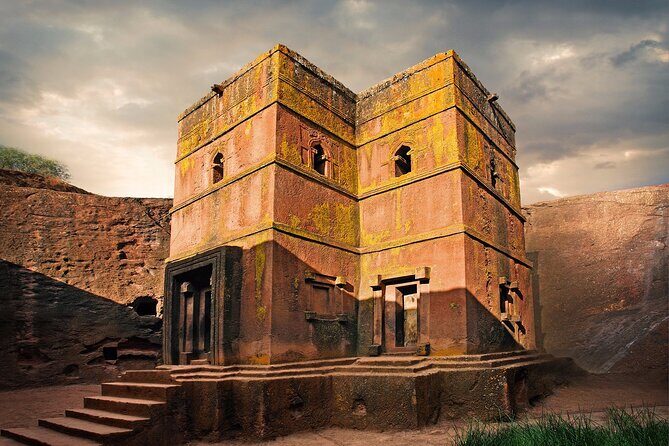
What matters for you as a visitor is that the itinerary isn’t just sightseeing at churches. It’s timed so you experience the emotion of the festival in the places it’s meant to happen. Day 3 is specifically set up for the Eve of Ethiopian Easter, with multiple church visits and then a ceremony at one of the big rock-hewn sites in Lalibela.
A practical note: the tour lists a formal dress code. That’s not a small detail—bring something comfortable but respectful, especially for ceremony and evening events.
You can also read our reviews of more tours and experiences in Addis Ababa.

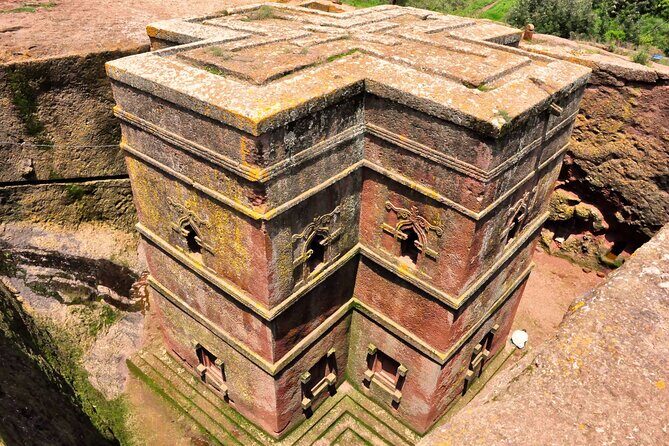
Day 1 to Day 3: Addis Ababa arrivals, Lalibela churches, and Easter Eve at Bete Medhanialem
You start with an easy first step: a short arrival transfer from Addis Ababa (the plan calls for about a 10-minute drive to the hotel). That’s a nice buffer because Day 2 begins your jump into Ethiopia’s deep past fast.
Addis Ababa to Lalibela (Day 2)
Day 2 is devoted to getting to Lalibela. You’re not wasting time here with long detours; the focus stays on being in position for the festival days. Lalibela is famous for its rock-hewn churches, and this tour’s pacing helps you avoid the feeling of rushing between stops.
The Easter build-up and the Lalibela Easter Market (Day 3)
Day 3 is where the tour becomes more than a checklist.
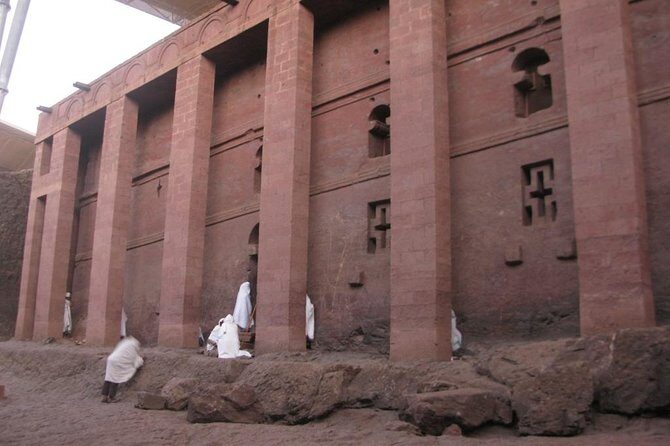
In the morning, you continue the Lalibela church visits, which sets context for why the ceremony later matters. In the afternoon, you visit one of the most colorful annual Easter markets in the area. Markets around Easter can be intense: families gather, people trade food and small supplies, and the energy can feel like a living part of the religion, not just a tourist add-on.
In the evening, the centerpiece is a ceremony at Bete Medhanialem, described as one of the biggest rock-hewn churches of Lalibela. If you care about ritual—how people move, sing, gather, and keep time with the faith—this is the night to pay attention.
Possible drawback: ceremonies and church events can mean standing and moving around for long stretches. The tour also calls for a moderate physical fitness level, so plan for walking on uneven ground and staying upright for a while.
North church power: Axum monoliths and Simien Mountain days that feel cooler and quieter
After Lalibela, the itinerary swings north into Axum and then toward the Simien Mountain area.
Axum: monoliths and the feeling of scale (Day 4)
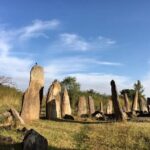
Day 4 is about “mysterious monoliths.” Even with minimal extra commentary in the plan, Axum has a way of making time feel physical: big stone forms, a sense of ceremony built into the place, and a setting that makes you slow down. This is a day where you’ll likely appreciate having time and a guide to interpret what you’re seeing—especially for visitors who aren’t already fluent in Ethiopian Orthodox landmarks.
Axum to Simen Mountain (Day 5)
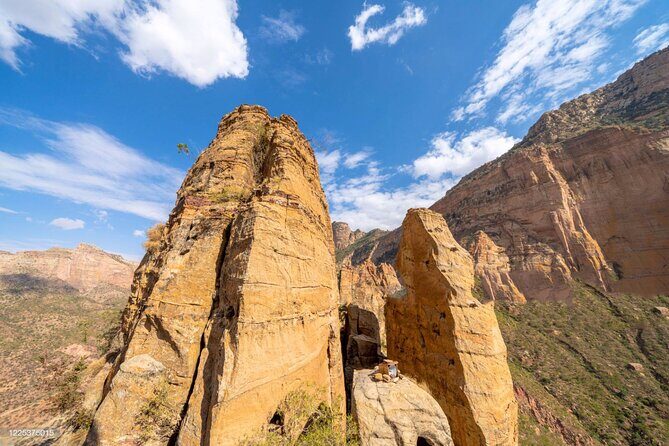
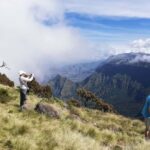
Day 5 drives toward Simen Mountain. The main value here for you is change of scenery. It’s not the same vibe as rock-hewn churches. It’s more about altitude, weather, and Ethiopia’s northern geography.
Packing tip: the tour operates in all weather conditions, so bring layers. Even when daytime looks fine, mornings and evenings around highland areas can feel cooler, and you’ll appreciate having options.
Gondar and Bahir Dar: the Camelot-of-Africa nickname and Lake-country contrast
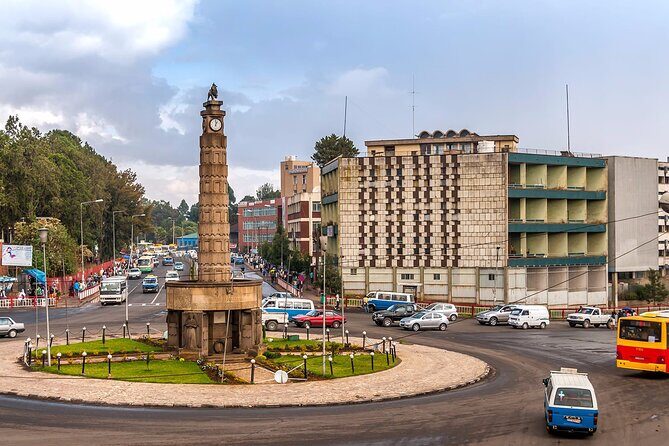
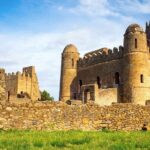
Day 6 shifts to the “Camelot of Africa” concept with a drive from Debarq to Gondar, with an overnight in Gondar. That nickname exists for a reason: Gondar is known for royal-era stone architecture and compound-style sites that feel like a kingdom you can walk through.
Then Day 7 brings you to Bahir Dar and back toward Addis Ababa. Bahir Dar is a useful contrast after the highlands. You get a different pace and a different “where am I?” feeling: less of the stone-church focus, more of Ethiopia’s lake and riverside mood.
What to watch for: this segment includes travel transitions that can eat hours. If you’re planning phone battery backups, do it early—your travel days will matter as much as your arrival days.
The Rift Valley run: Addis Ababa to Awassa to Arba Minch (Days 8–9)
Days 8 and 9 form a corridor through the Rift Valley route.
- Day 8: Addis Ababa to Awassa
- Day 9: Awassa to Arba Minch
In practical terms, this is how the tour “sets up” the south. You’re moving toward regions where landscapes and communities change fast. These are the days to settle into the rhythm: sit back, watch the scenery roll by, and save your energy for the more intense cultural and wildlife days later.
Meals help here. The tour includes breakfast, buffet lunch, and buffet dinner, which keeps your costs predictable and helps you avoid hunt-the-food stress.
Lake Chamo, Nechisar, Konso, and Turmi: national parks meet Omo Valley culture
Now you hit the section that most people book this tour for: south and Omo Valley experiences, paired with park time.
Arba Minch to Turmi (Day 10)
Day 10 includes:
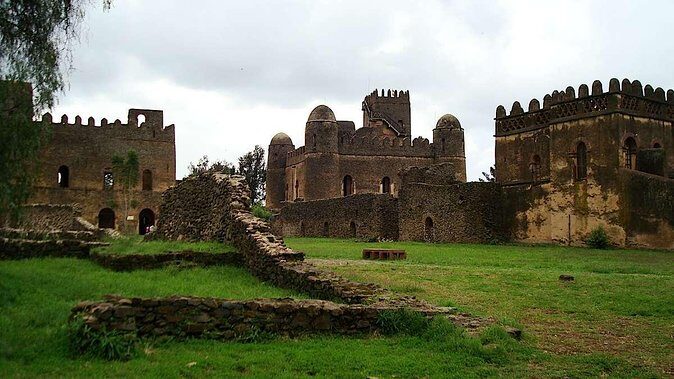
- Safari at Lake Chamo and Nech SAR National Parks
- Drive toward Konso and see villages of Benna and Tsemay
- Arrive in Turmi, visit the Hammer tribe, and overnight at Turmi Lodge
This is a big day, and it’s doing two jobs at once: giving you a nature lens and then shifting to cultural encounters.
The park time
Lake Chamo and the Nechisar-area context are valuable because it’s not just driving to villages. You get a real “wild Ethiopia” chunk. That’s a good balance if you worry that tribal days will feel repetitive.
The village stops (Benna and Tsemay)
On the way, you’ll see villages of Benna and Tsemay. Even if you only spend limited time, this type of stop changes your understanding of the Omo Valley: it’s not one culture in one place. It’s multiple communities shaping life along rivers, fields, and trade routes.
Hammer visit in Turmi
Then you arrive in Turmi and visit the Hammer tribe. Having it as a scheduled visit—not a random “maybe we can stop” moment—is a real value. It keeps your day focused and reduces the chance of rushing.
Possible drawback: expect sensory overload and long stretches in a vehicle. The tour requests moderate physical fitness, so you’ll want comfortable shoes and patience.
Omorate, Jinka, Dassanech, and Mursi: Lake Turkana delta life plus another layer of Omo
Day 11 is one of the cultural intensifiers.
Turmi to Jinka via Omorate (Day 11)
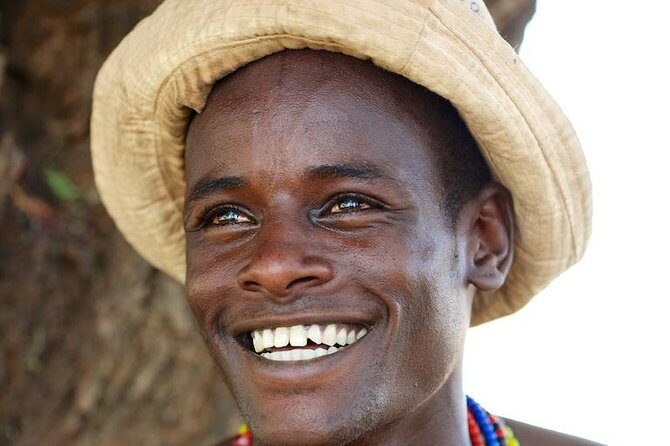
You start with excursion to Omorate to visit the Dassanech, specifically described as the people of the delta, on the northern shore of Lake Turkana. Then you return to Jinka for lunch and later drive to Mursi village to see the Mursi tribes.
This matters because the plan doesn’t treat Omo Valley as one “tribal theme.” It gives you a shift from delta life (Dassanech) to another community further along (Mursi). That difference can help you avoid the “I saw one village, I’ve seen them all” trap.
Photo and interaction reality check: the itinerary implies you’re meeting people and observing daily life. To enjoy this respectfully, keep your expectations flexible and remember that your presence is an interruption to someone’s normal day.
Welayta Sodo and the final cultural evening in Addis Ababa (Days 12–13)
After Jinka, Day 12 takes you to Welayta Sodo and adds a different kind of cultural activity.
Jinka to Welayta Sodo (Day 12)
Early in the morning you visit the Ari villages and have a chance to see how they make pottery and weaving. That’s a strong, hands-on style of cultural exposure. Instead of only hearing stories or watching performances, you’re observing skills tied directly to daily life.
Later you drive to Welayta Sodo for dinner and overnight.
Welayta Sodo to Addis Ababa plus Tiya and Adadi Maryam (Day 13)
In the morning, you drive back to Addis Ababa, stopping at:
- Tiya (UNESCO site)
- Rock-hewn churches of Adadi Maryam (built by St. Lalibela)
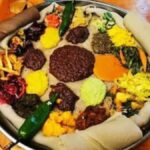
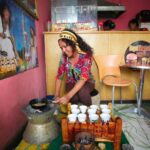
Then comes the included cultural finale: an evening folkloric dinner in Addis Ababa with national dishes, dances from various Ethiopian ethnic groups, and the traditional coffee ceremony. After that, you transfer to the airport for departure.
This ending is valuable because it pulls together three themes:
1) Ethiopia’s living food culture
2) performance and community gatherings
3) the lingering Christian thread through the rock-hewn sites
And it does so without leaving you stranded without a plan.
Dress reminder: the tour lists formal dress code. If you pack for only daytimes, you may regret it here.
Price and value: is $1,371.91 per person fair for this much ground?
At $1,371.91 per person for about 15 days, the price sits in the “serious trip” category, but it also includes several big cost items:
- Accommodation across the itinerary
- Meals: breakfast, buffet lunch, buffet dinner
- Pickup offered and a clear meeting point at Bole Airport (start time listed as 7:00 am)
- A mobile ticket and confirmation at booking
- Private format: only your group participates
What’s not included matters for real-world budgeting:
- A per-person departure tax paid at check-in
- Alcoholic drinks you can purchase
So the value question comes down to this: you’re paying for coordination across huge distances, a tight festival schedule, and cultural access that would be hard to assemble on your own without lots of local help. Even if you love DIY travel, this tour’s structure is designed to remove friction during the Fasika period, when timing and access can be more delicate than usual.
If you’re traveling with a friend or family group, you may also benefit from the listed group discounts setup.
The practical stuff that decides whether you’ll love it or dread it
Your day will be full, not leisurely
This plan moves across Ethiopia’s regions in a way that keeps you in motion. Long drives are part of the package, especially when shifting from north to south and then into Omo Valley.
Bring:
- comfortable walking shoes
- layers for changing weather
- a flexible mindset for schedule tempo
Respect the festival mood and local rules
The tour’s Fasika context includes strict lent observance and a solemn pre-Easter week. You don’t need to adopt every rule to be respectful, but you should expect the atmosphere to be serious around those days.
Vegetarian needs can be handled
The tour says a vegetarian option is available if you request it at booking. If you have dietary needs, don’t wait. Send them during booking so the team can plan meals in advance.
Shows and credit cards
The plan notes that availability for shows can’t be checked without booking, and credit cards will be charged upon confirmation. If you’re the type who wants certainty, ask early so you can line up expectations.
Who this tour suits best (and who might prefer a different pace)
This tour is a strong fit if you want:
- Ethiopian Orthodox Easter/Fasika time in Lalibela, not just a casual church stop
- a blend of historic sites (rock-hewn churches, Axum monoliths) and cultural encounters in the south
- nature and culture together: Nechisar-area park time plus Lake Turkana delta visits
- a guided, pre-planned schedule that keeps you out of “now what?” moments
It may not fit if:
- you dislike packed itineraries
- you want a relaxed pace with plenty of downtime
- you have trouble with moderate walking and uneven ground in ceremonial settings
Should you book the Ethiopian Fasika North and South Omo Valley experience?
If your dream trip includes Fasika energy plus Ethiopia’s north-to-south variety, this is an easy yes. The biggest reason: the itinerary doesn’t treat Lalibela as a drive-by. It’s built around the festival timing, including a major ceremony at Bete Medhanialem and an Easter market day.
Book it if you can handle a full schedule and you’ll pack for formal evenings and changing weather. Skip it if you’re looking for slow travel or only want one slice of Ethiopia (all churches, all parks, or all cultural villages). This one is intentionally mixed, and the magic comes from the contrast.
FAQ
Where does this tour start?
It starts at Bole Airport, Addis Ababa, Ethiopia, with a listed start time of 7:00 am.
What’s the tour duration?
The duration is listed as 15 days (approx.).
What is the price per person?
The price is $1,371.91 per person.
Is pickup included?
Yes, pickup is offered.
Is the tour private?
Yes. It’s described as private, with only your group participating.
What meals are included?
The tour includes breakfast, buffet lunch, and buffet dinner.
What isn’t included in the price?
The price does not include a per person departure tax (paid at tour check-in) and alcoholic drinks (available to purchase).
Can I get a vegetarian option?
Yes. A vegetarian option is available if you advise the provider at booking.
What’s the dress code?
The tour lists a formal dress code.
Do I get a guide?
A multi-lingual guide may operate (the plan says this may be the case).
What’s the cancellation policy?
Cancellation is listed as free if you cancel up to 24 hours in advance for a full refund. If you cancel less than 24 hours before the experience start time, the amount paid is not refunded.