REVIEW · ADDIS ABABA
Unique Ethiopian Cooking Class and Coffee Ceremony with a Local in Addis Ababa
Book on Viator →Operated by Traveling Spoon · Bookable on Viator
Food tastes better at home. In Addis Ababa, this cooking class and coffee ceremony with Daniel and Tigist feels like stepping into everyday life, not a staged restaurant show. I like the setup because the class happens in a real home kitchen on the outskirts, where it’s calmer and greener than central Addis Ababa, and you get hands-on guidance for injera and Ethiopian cooking technique.
I also love that it ends with a coffee ceremony that includes learning to roast the beans and make the drink the traditional way. The main heads-up is simple: there’s no hotel pickup or drop-off, so you’ll want to plan getting to the meeting point in a less-touristy neighborhood.
In This Review
- Key highlights worth planning around
- Inside Daniel and Tigist’s Addis Ababa home
- How the 3 hours usually flow
- Injera: the one thing you’ll actually be able to repeat
- Shiro or tibs: stews and stir-fries with real spice logic
- Coffee ceremony: roasting beans and learning the pour
- You might stop at a local market on the way
- Price and value: why $116 can make sense
- Logistics that can make or break your evening
- Who this is best for (and who should skip it)
- Should you book Daniel and Tigist’s cooking class and coffee ceremony?
- FAQ
- How long is the Ethiopian cooking class and coffee ceremony?
- Where does the class take place?
- What dishes will I learn to cook?
- Do I learn anything about coffee?
- Is lunch or dinner available?
- Is hotel pickup and drop-off included?
- Is there a vegetarian option?
- What if I have allergies or dietary restrictions?
- Is it private or shared with other people?
- When can I cancel for a full refund?
Key highlights worth planning around
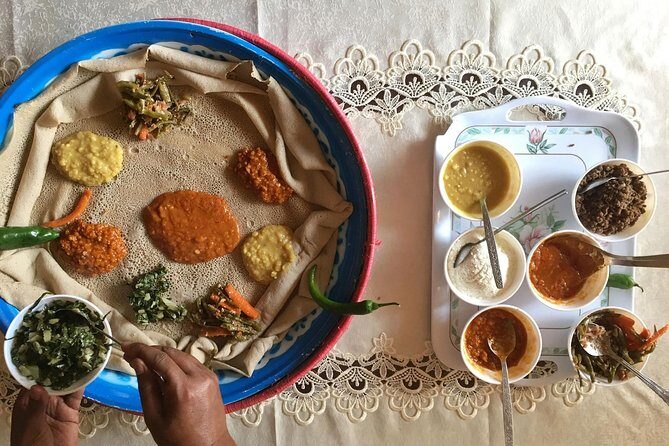
- A home kitchen on Addis Ababa’s outskirts: calmer streets and a homey feel with family photos and daily-life details.
- Injera technique, not just a recipe: you’ll practice pouring and cooking to get the right texture.
- Seasonal menu choices: you might make shiro or tibs alongside injera, depending on what’s available.
- Coffee roasting + ceremony: you learn the bean-to-cup process, not just the sipping part.
- A private class for your group: it’s personalized, not a big commercial class.
- Transport matters: it’s near public transportation, but you’ll still need to get yourself there.
Inside Daniel and Tigist’s Addis Ababa home
This is one of those rare food activities where the “venue” is the point. Instead of meeting in a cooking studio, you go to Daniel and Tigist’s home. The place is described as comfortable, clean, and clearly lived in—decorated with pictures of their three boys, who you may meet if your session runs during the evening or on a weekend.
That home setting changes the mood fast. You’re not rushed through steps like you’re trying to finish a worksheet. You’re in a kitchen where injera, stews, and spices are part of normal life. And because the home is in the outskirts—areas not frequented by tourists—the air feels less crowded and more local. You also get a different side of Addis Ababa: greener, calmer, and more like where daily routines happen.
It’s also not a commercial class. The experience is framed as a visit into local cooking life, with hosts who are expert home cooks sharing what they know. Translation: you’ll likely ask more questions, and conversation is part of the evening’s rhythm.
You can also read our reviews of more cooking classes in Addis Ababa
How the 3 hours usually flow
The experience runs about 3 hours total, with roughly 2 hours for the cooking portion, followed by eating and the coffee part. Timing depends on whether you book a lunch or dinner slot, and the menu can shift with the season.
Here’s the practical idea of how it tends to go:
- You arrive at the home and get oriented in the kitchen.
- Tigist teaches you traditional technique as you cook.
- You prepare injera first, then move into a stew or stir-fry such as shiro or tibs (the exact dish may vary).
- Then you eat together, with beverages included.
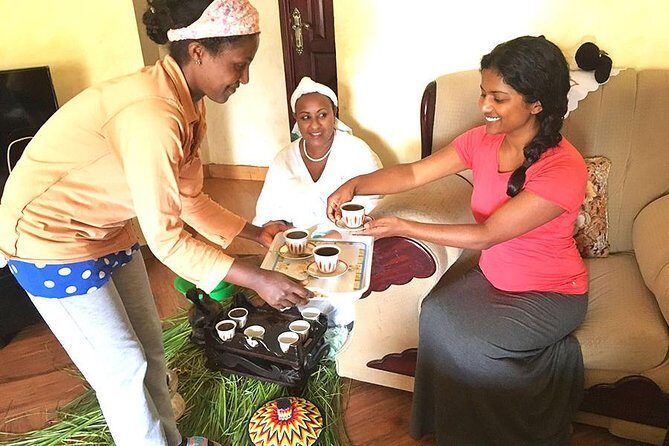
- You finish with a coffee ceremony, including roasting coffee beans.
One detail to keep in mind: the cooking time can grow if you request an extra dish. You can add this in the notes when booking, but they’ll extend the cooking time if you go for that.
Also, your group is private—only your group participates. That matters because it changes how much attention you get. In a large class, you’re often waiting your turn. Here, the rhythm is slower and more conversational.
Injera: the one thing you’ll actually be able to repeat
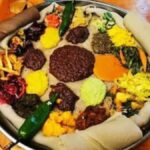
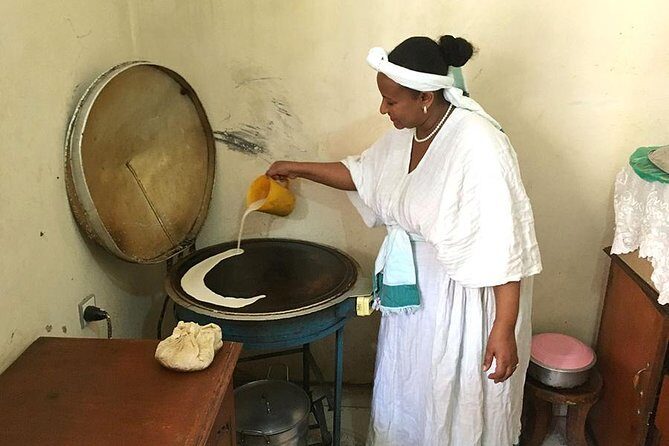
If you’ve ever eaten Ethiopian food and wondered why injera tastes and behaves the way it does, this is where you learn the mechanics. In the class, Tigist shows you how to pour and cook injera so it turns out right for eating and sharing.
Injera isn’t just bread. It’s the base of the whole meal. The texture needs to be correct for scooping, laying out sauces, and holding flavors. That means technique matters more than memorizing ingredients.
What I like about this portion for your planning:
- You’re shown the process, not just handed a finished injera.
- You get feedback on the pouring and cooking stage, which is the hardest part to guess at home.
- You leave with a clearer sense of how Ethiopian meals are built around the bread.
Even if you don’t plan to cook injera again right away, the skill sticks. The next time you order Ethiopian food, you’ll notice what’s supposed to happen—how it should look, how it should feel, and how it should work with stew and vegetables.
Shiro or tibs: stews and stir-fries with real spice logic
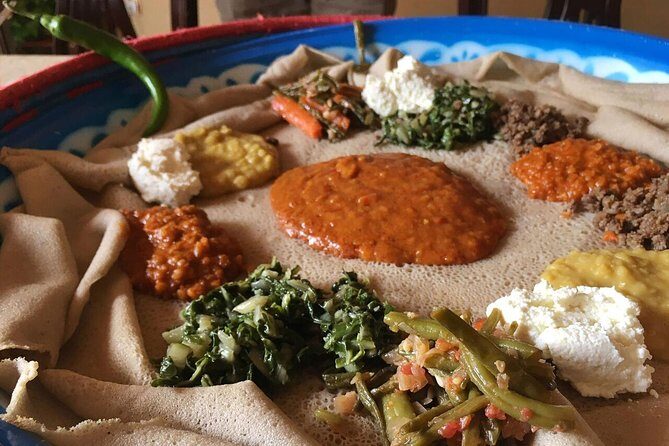
After injera, the class usually moves into a traditional dish. Depending on what’s available, you might learn to make:
- Shiro: a chickpea or broad bean stew.
- Tibs: a stir-fried meat dish with vegetables and spices.
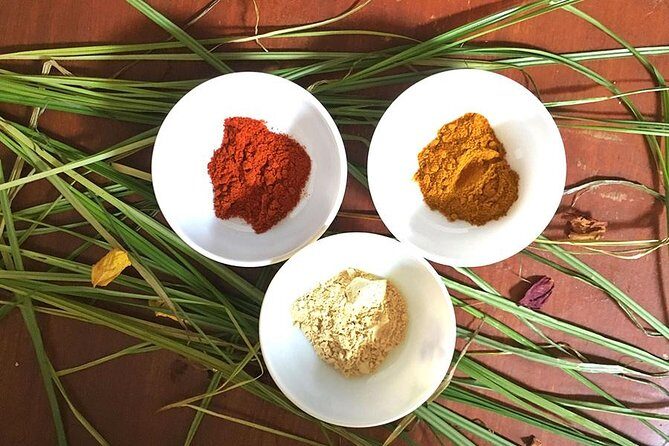
The key value here isn’t only the recipes—it’s understanding the logic of how Ethiopian flavors build. In a home setting, you see how spices are handled and how the dish comes together step by step. You also get a sense for what tastes good together, because the meal is designed as a full experience, not just a single course.
Menu may vary by season, so don’t panic if you don’t see the exact dish you hoped for. The upside of that variability is you’re likely cooking what’s most practical and fresh for the time of year.
If you’re vegetarian, there is a vegetarian option available—tell them at booking so they can plan your menu.
Coffee ceremony: roasting beans and learning the pour
Then comes the part that many people remember most. The coffee ceremony isn’t treated like a prop; it’s taught as a craft.
You’ll learn to:
- roast the coffee beans
- follow the traditional flow of the ceremony
- drink the result as part of the meal
Coffee in Ethiopia has personality. When you see the process—from raw beans to roasted scent—it clicks why Ethiopian coffee is so prized. You’re not just getting caffeine. You’re getting context.
Also, beverages are included. That means you can focus on the experience instead of constantly checking a bill while you learn.
A few more Addis Ababa tours and experiences worth a look


You might stop at a local market on the way
In at least some sessions, you may begin with a visit to a local market on the route to the home. That’s where ingredients like herbs and spices often come from, and it’s a quick way to connect what you cook with what you see.
Even if your specific day does not include a market stop, the core idea stays the same: you’re cooking with the perspective of local ingredients, not generic pantry equivalents.
If you love food details—why certain spices show up again and again—this extra step can be a big payoff.
Price and value: why $116 can make sense
At $116 per person, this isn’t the cheapest cooking class in Addis Ababa. The value case is about what’s included and what isn’t.
What you’re paying for:
- A private cooking class in a real home kitchen
- A meal with your host Daniel
- Beverages
- All taxes, fees, and handling charges
- Gratuities included (so you’re not doing mental math mid-meal)
What you’re not paying for:
- Hotel pickup and drop-off
The biggest “value lever” here is personalization. Because it’s private for your group, you get more attention than you would in a larger commercial workshop. And because it’s in someone’s actual home, the experience is built around conversation and local routine—not just cooking steps.
If you compare it to a generic restaurant meal plus a cooking demo in a venue with no real connection, this home setting tends to feel more worthwhile.
Logistics that can make or break your evening
This experience is near public transportation, but it’s still in a neighborhood that’s not aimed at tourists. That affects how easy it feels to get there.
Two practical tips:
- Double-check your exact meeting spot details before you head out. The start point is listed as an unnamed road in Addis Ababa, and in real life, meeting points can shift slightly by day.
- Plan transport early. Because there’s no hotel pickup, you’ll want to arrive calm, not stressed.
Confirmation comes within 48 hours of booking (subject to availability). So if you’re working to a tight schedule, book soon enough to get that confirmation.
Dietary needs are handled, but you need to communicate them at booking. Allergies and restrictions should be shared up front. A vegetarian option is available as well.
Also note: service animals are allowed.
Who this is best for (and who should skip it)
This is a strong fit if you:
- want hands-on cooking skills like injera technique
- care about how people actually live and cook in Addis Ababa
- like a smaller, conversation-friendly setting
- want the combo of food plus a real coffee ceremony
It may be less ideal if you:
- hate navigating independently without pickup
- prefer purely restaurant-style dining with no hands-on cooking
- are looking for a high-volume class with minimal interaction
One more thought: the class can include children in the home depending on timing. That can be a plus if you like human details, but it’s worth knowing you’re visiting a family space.
Should you book Daniel and Tigist’s cooking class and coffee ceremony?
Book it if you want your Addis Ababa meal to feel like a real exchange: you cook, you eat, you learn coffee from bean to cup, and you leave with technique—not just photos.
Skip it or rethink if you’re expecting big-city convenience like hotel pickup and easy wayfinding. This works best when you’re comfortable making your own way to a local neighborhood and you value a home-based experience more than a polished tour format.
If you’re celebrating something special or traveling with a group that wants a shared activity, this private setup is a good match. And if you’re a food person, injera plus roasting coffee is a hard combo to beat.
FAQ
How long is the Ethiopian cooking class and coffee ceremony?
The experience runs for about 3 hours.
Where does the class take place?
It takes place in the hosts’ home kitchen in Addis Ababa, in the outskirts area.
What dishes will I learn to cook?
You’ll learn to make injera. Depending on the season, you might also cook dishes like shiro or tibs.
Do I learn anything about coffee?
Yes. You’ll learn to roast coffee beans and participate in the coffee ceremony, with beverages included.
Is lunch or dinner available?
You can choose either a lunch or dinner tour based on your schedule.
Is hotel pickup and drop-off included?
No. Hotel pickup and drop-off are not included.
Is there a vegetarian option?
Yes. A vegetarian option is available if you advise at the time of booking.
What if I have allergies or dietary restrictions?
You should advise them at the time of booking so the menu can be planned around your needs.
Is it private or shared with other people?
It’s private. Only your group participates.
When can I cancel for a full refund?
You can cancel up to 2 days in advance of the experience for a full refund. If you cancel less than 2 days before the start time, the amount paid is not refunded.