REVIEW · ADDIS ABABA
Day Trip Debre Libanos Bule Nile George and Portugal Bridge
Book on Viator →Operated by Manos Going · Bookable on Viator
One day in Ethiopia can feel like three. This trip threads together a major Orthodox monastery visit at Debre Libanos with dramatic Blue Nile Gorge viewpoints at the Portuguese Bridge, plus chances to see endemic gelada baboons and local birds.
I especially like the way the day mixes history with big scenery. Two highlights for me are the church complex and museum at Debre Libanos and the unforgettable gorge-and-bridge outlooks on the Blue Nile.
One consideration: the day runs about 9 hours, and you’ll do some walking and uneven ground near cliffside areas—so comfortable shoes matter.
In This Review
- Key things to know before you go
- A 9-hour road trip with two heavy-hitters
- Debre Libanos: church museum, Tekle Haymanot, and a memorial with real weight
- The Portuguese Bridge and the Blue Nile Gorge: why the views feel huge
- Gelada baboons and birds: what to watch for on the Blue Nile
- Ethiopian traditions house: a cultural stop without the hard sell
- How the included coffee and water fit into a long day
- Timing, logistics, and what you should pack
- Price and value: what you’re really paying for at $110
- The guides make a difference
- Who this day trip suits best
- Should you book it?
- FAQ
- How long is the day trip?
- Where does the tour start and end?
- Is airport pickup included?
- What’s included in the price?
- What’s not included?
- How large is the group?
- Can I cancel for a refund?
Key things to know before you go
- Pickup included: airport or hotel pickup and return means you’re not stuck organizing transport.
- Two major stops, one smooth route: Debre Libanos plus Portuguese Bridge within a single day.
- Entry admissions are included: you don’t have to budget separately for Debre Libanos and Portuguese Bridge.
- Gelada baboons and birds are a real possibility: bring your camera and keep your eyes up.
- Small-group feel: maximum group size is listed as 15.
- Orthodox church etiquette counts: dress modestly and be ready for a quiet, respectful visit.
A 9-hour road trip with two heavy-hitters
This is a classic Addis day escape: you leave the city, drive through changing scenery, then spend your time at two places that feel worlds apart—one shaped by Ethiopian Orthodox faith, the other by the Blue Nile’s scale.
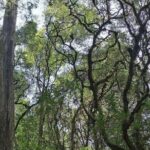
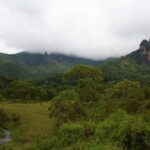
The day usually starts with pickup from Bole Addis Ababa International Airport or from your hotel. From there, you head north past the chain mountains and the forested areas around Mount Entoto. It’s not just transit time. The drive gives you that slow “we’re leaving Addis” feeling, with cooler, greener views than you get inside the city.
Once you arrive, the schedule is built around visits rather than long stares at bus windows. You’ll get time at Debre Libanos, then move on to the Portuguese Bridge viewpoint area. At the end, you return to Addis, stopping at a place called Ethiopian traditions house before you go back to your hotel.
Practical note: you’re out for about 9 hours total. That’s a great length for seeing a lot without losing the whole day, but it also means you’ll want to plan around food (lunch and dinner aren’t included).
A few more Addis Ababa tours and experiences worth a look

Debre Libanos: church museum, Tekle Haymanot, and a memorial with real weight
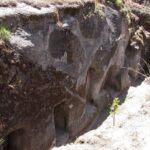
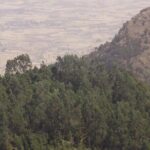
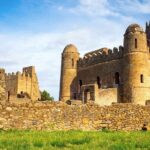
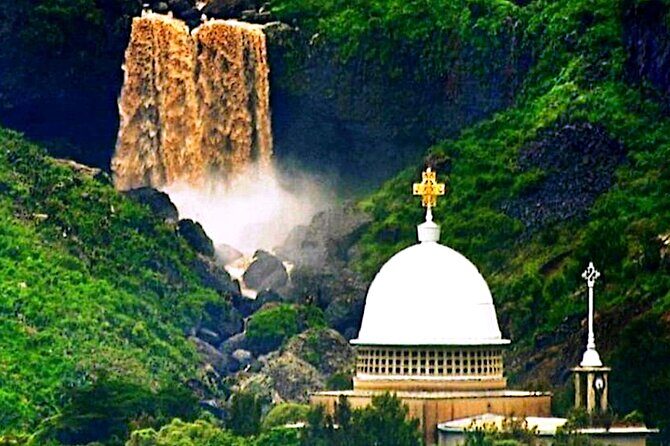
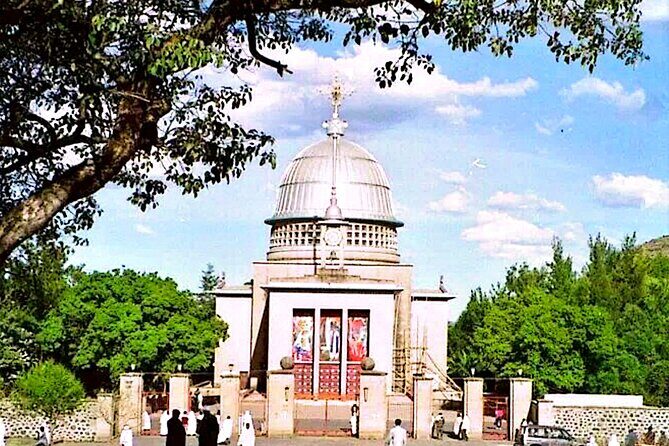
Debre Libanos is one of Ethiopia’s long-standing monastery complexes, and it sits high in a dramatic setting. The complex is described as being on a terrace between a cliff and the gorge of a tributary of the Large Abbay River. That setting matters because you don’t just look at buildings—you feel the drop-off and the pull of the river valley below.
The church complex includes the church over Tekle Haymanot’s tomb. A detail worth knowing: Emperor Haile Selassie ordered the church to be constructed in 1961. That timeline gives the site a mix of ancient importance and later rebuilding.
If you care about meaning, the museum side is a strong reason to come. Debre Libanos is noted for having one of Ethiopia’s most interesting church museums, where religious and historical artifacts are presented in a way that helps you connect the dots between faith and Ethiopian history.
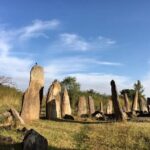
There’s also a memorial out front that doesn’t let you stay comfortable. It commemorates the hundreds of innocent priests, deacons, and worshipers who were massacred by the Italians after an assassination attempt in 1937—an attempt tied to the notorious viceroy Graziani. The story goes further: Graziani was later imprisoned by the Italians as a war criminal for crimes against humanity. Even if you’ve heard parts of this history before, the memorial’s presence at the monastery makes it hit differently.
How it shows up on your day:
- You’re not rushing through a photo stop. You’re spending time where the site’s emotional gravity is part of the experience.
- Your guide’s role matters. In past trips, guides like Tamrat, Nebeu, Tilahun, and Abraham were singled out for sharing clear history and cultural context.
The Portuguese Bridge and the Blue Nile Gorge: why the views feel huge

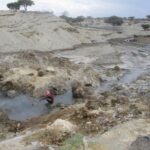
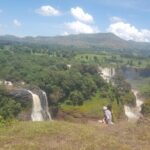
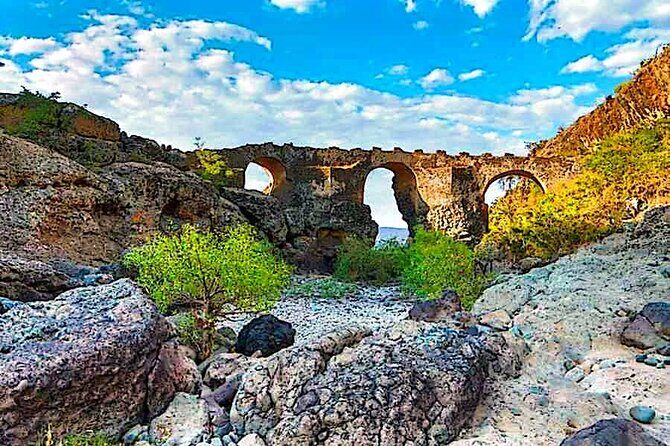
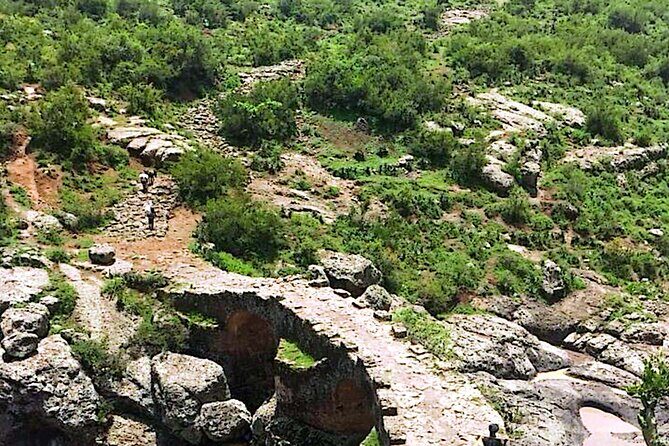
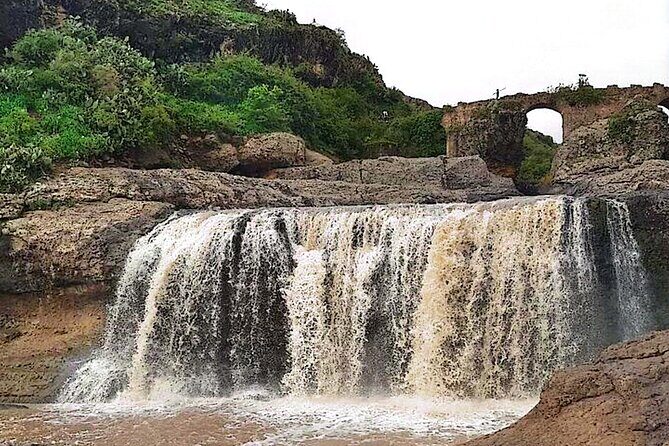
After Debre Libanos, you head toward the Blue Nile Gorge. You’ll stop at the Portuguese Bridge, which is set up as a viewpoint place where the scenery can feel jaw-dropping.
The Blue Nile Gorge has often been compared to the kind of famous canyon scenery people know from elsewhere—so even if you’ve seen dramatic places before, this one still has an “oh wow” factor because of scale and depth. The bridge itself is the anchor, but the bigger draw is the way the gorge opens up around it.
This is also where your guide can help you read what you’re seeing. You’ll get a better sense of why this area mattered historically and how the gorge shapes travel and settlement patterns. That matters on a day trip because you’re limited on time. A good guide helps you convert scenery into understanding instead of just collecting angles for your camera.
Also, keep an eye on the edges. The Portuguese Bridge area can be a wildlife spot as much as a viewpoint.
Gelada baboons and birds: what to watch for on the Blue Nile
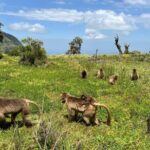
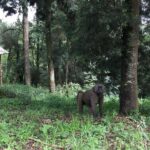
One of the most fun parts of this day is the wildlife potential. The tour description highlights Ethiopian endemic gelada baboons, often called Chelada baboon (spelling varies in how it’s written online, but the animal is the same).
You’ll also have a chance to see Ethiopian birds. That doesn’t mean you’ll get a checklist moment where everything is guaranteed. What it does mean: you should move slowly, keep your eyes up, and be ready for surprise sightings near cliffside and rocky viewing areas.
My advice for maximizing your chances:
- Bring binoculars if you have them, but even without them you’ll be happier if you keep your phone ready.
- Stay still for a minute before walking closer. Wildlife often shows up after a pause, not right during motion.
- Follow your guide’s cues on where it’s safe to stand. Cliffside areas can be unforgiving.
Ethiopian traditions house: a cultural stop without the hard sell
After the gorge and bridge, the tour loops back into Addis and includes a stop at an Ethiopian traditions house. The day already has strong religious history, so this is a nice counterbalance: it’s an opportunity to connect the country’s traditions to what you’ve been learning on the ground.
What I like about adding a place like this on a single-day outing is pacing. By the time you arrive, you’re coming off the emotional museum and memorial at Debre Libanos and the wide-open canyon views. A traditions stop can help you reset your brain before the final drive back to your hotel.
Because the details of what you’ll see here aren’t described in full, it’s best to treat it as an add-on cultural moment rather than the core reason to book. Still, it rounds out the day nicely.
How the included coffee and water fit into a long day
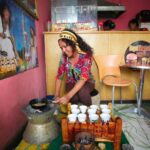
This tour includes Ethiopian coffee and a bottle of water. On paper, that’s simple. In practice, it helps a lot when you’re out for hours.
Coffee can be both a cultural mini-experience and a timing tool. It often makes the day feel less like a “drive from A to B” schedule and more like a true outing with stops that are meant to be enjoyed.
The water helps because the day is long and the heat can change depending on the season and your timing. Even if you receive water, I still recommend bringing a little extra for your own comfort—especially if you run warm or tend to drink more than average.
Timing, logistics, and what you should pack
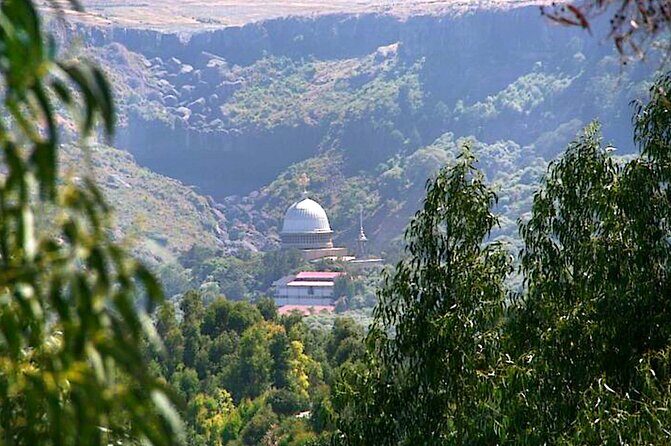
A long day trip is always about energy management. This one is about 9 hours, with major time spent at Debre Libanos and at the Blue Nile Gorge/Portuguese Bridge area.
What you should pack (based on what’s typical for these kinds of monastery-and-viewpoint visits):
- Comfortable walking shoes for uneven ground
- A light layer (sites near gorges can feel cooler than the city)
- Sun protection (hat + sunglasses)
- A camera with a charged battery for gorge views and wildlife chances
- Modest clothing for the Orthodox church complex (think shoulders covered and clothing that doesn’t feel too tight or revealing)
Food: lunch and dinner aren’t included, so plan ahead. That means either bringing a snack you like or being ready to purchase food on the way, depending on your guide’s pacing.
Price and value: what you’re really paying for at $110
At $110 per person, you’re paying for a day that includes several “cost multipliers” that add up when you book things separately.
Included items you’re getting:
- Airport and hotel pickup/drop-off
- In-person guide
- Entry admissions for Debre Libanos and Portuguese Bridge
- Ethiopian coffee and bottle of water
Not included:
- Breakfast, lunch, dinner
- Alcohol
- Tips
When I look at value, the biggest win here is not just the sites—it’s that the transport and entry tickets are bundled. Many independent day plans fail on time: you end up spending your first hour negotiating rides or lining up admissions. This tour keeps you moving.
Also, the group size cap of 15 matters. A larger group often means less direct time with the guide. A small cap usually makes it easier to ask questions and adjust if the wildlife or photo timing is better one direction than another.
The guides make a difference
The experience is highly dependent on the quality of the guide, and the names that came up in real-world feedback are telling. People highlighted guides like Tamrat, Nebeu, Tilahun, Mig, Neba, and Abraham for being friendly, professional, and good at explaining what you’re seeing.
One guide can turn Debre Libanos from buildings into a living story—why the tomb matters, why the memorial is located where it is, and how the monastery’s setting connects to the gorge below. Another guide can make the Portuguese Bridge stop feel like more than a viewpoint by explaining what you’re looking at and what to watch for.
If you want a day trip that feels guided in a practical way, this is a strong fit.
Who this day trip suits best
You’ll probably love this tour if:
- You want a high-impact day outside Addis without complex planning.
- You care about Ethiopian Orthodox sites and want context, not just photos.
- You enjoy wildlife chances like gelada baboons and bird viewing.
- You’d rather pay once and know admissions are handled.
You might not love it if:
- You hate long drives or you strongly prefer to travel at a slower pace.
- You’re looking for a relaxed, no-walking outing. This is a day with physical movement around church grounds and viewpoint areas.
Should you book it?
Book this tour if you want one day that covers three things Ethiopia does well: faith sites with historical depth, dramatic gorge scenery, and wildlife viewing opportunities. The included admissions and pickup make it feel efficient, and the guide staffing described by past guests suggests you’ll get more than a bus tour.
Skip it if you’re short on energy for a long day, or if you only want one kind of experience (only monastery, only wildlife, or only scenery). This itinerary is built to mix them, so you should be open to switching modes—history to views to animals—within hours.
FAQ
How long is the day trip?
The duration is listed as about 9 hours.
Where does the tour start and end?
It starts at Bole Addis Ababa International Airport and ends back at the meeting point.
Is airport pickup included?
Yes. Airport pickup and drop-off are included, along with hotel pickup and drop-off.
What’s included in the price?
Entry admissions for Debre Libanos and Portugal Bridge, an in-person guide, Ethiopian coffee, and a bottle of water are included.
What’s not included?
Breakfast, lunch, dinner, alcoholic beverages, and tips are not included.
How large is the group?
The maximum group size is listed as 15 travelers.
Can I cancel for a refund?
Yes. Free cancellation is offered up to 24 hours in advance for a full refund. Changes within 24 hours aren’t accepted.