REVIEW · LALIBELA
Full Day lalībela church’s tour
Book on GetYourGuide →Operated by vowland ethiopia tour · Bookable on GetYourGuide
Eleven churches cut from living rock can’t help but stop you. In Lalibela, you’ll see the rock-hewn churches that shaped Ethiopian Christian worship for centuries, plus learn how the local community lives around these stone wonders. I especially love the way the route connects engineering with everyday faith, and I also like having an English guide who can explain what you’re looking at instead of just pointing.
One thing to plan for: church entrance fees are not included, and women visiting the churches need to bring a scarf to cover their head. If you pack for that (and wear comfortable shoes), the day runs smoothly.
In This Review
- Key highlights you’ll care about
- A day in Lalibela’s rock-hewn churches: why it feels different
- Price and what your $102 day really covers
- From the airport to town: first impressions in Lalibela
- The 11 churches route: how the day is organized
- The first group: central churches you’ll likely recognize fast
- The southern churches: deeper dedications and different vibes
- The last church: finishing the full set
- What you’ll actually notice inside: engineering, light, and symbolism
- St. George and the special focus on the cross-shaped church
- Bete Amanuel and the shopping/sightseeing time you’ll appreciate
- Sunset, photo stops, and how to pace yourself
- Addis Ababa cultural dinner: a highlight worth confirming
- Guides matter: English explanations and real on-the-ground comfort
- What to bring (and the headscarf rule for women)
- Accessibility and comfort: good to know before you commit
- Is this tour good value? My honest take
- Who should book this full-day Lalibela church tour?
- Should you book this tour?
- FAQ
- Where does pickup happen for this tour?
- How long is the Lalibela churches tour?
- Is an English-speaking guide included?
- Is transportation included?
- Are Lalibela church entrance fees included?
- Do women need anything specific for the churches?
Key highlights you’ll care about
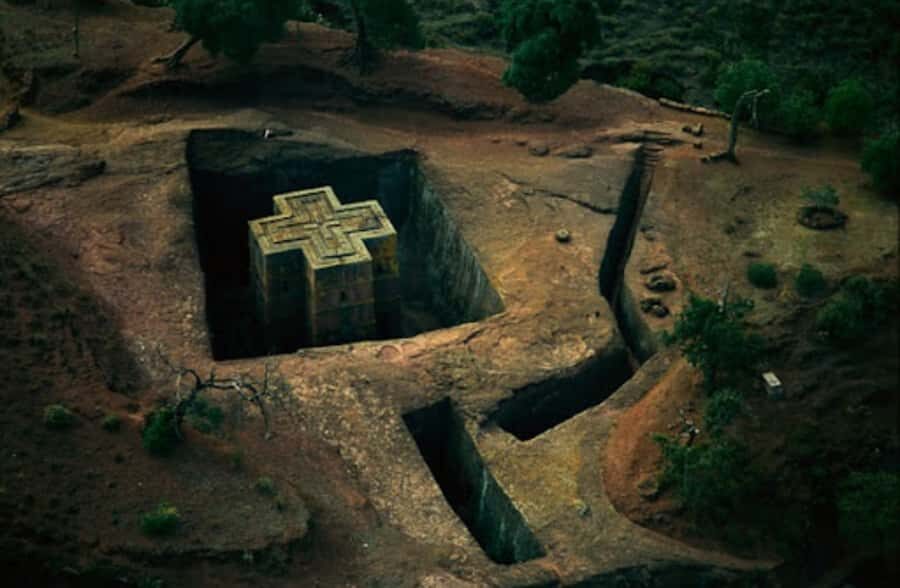
- See all 11 rock-hewn churches in three main clusters, including the cross-shaped St. George church
- Walk with an English guide who helps you read the carvings, layouts, and symbolism
- Get the right timing for photos and sunset light inside and around the church complex
- Learn King Lalibela’s context and why this area became the Zagwe dynasty capital
- Enjoy Ethiopia coffee and a city walking tour so you’re not stuck only on monuments
A day in Lalibela’s rock-hewn churches: why it feels different
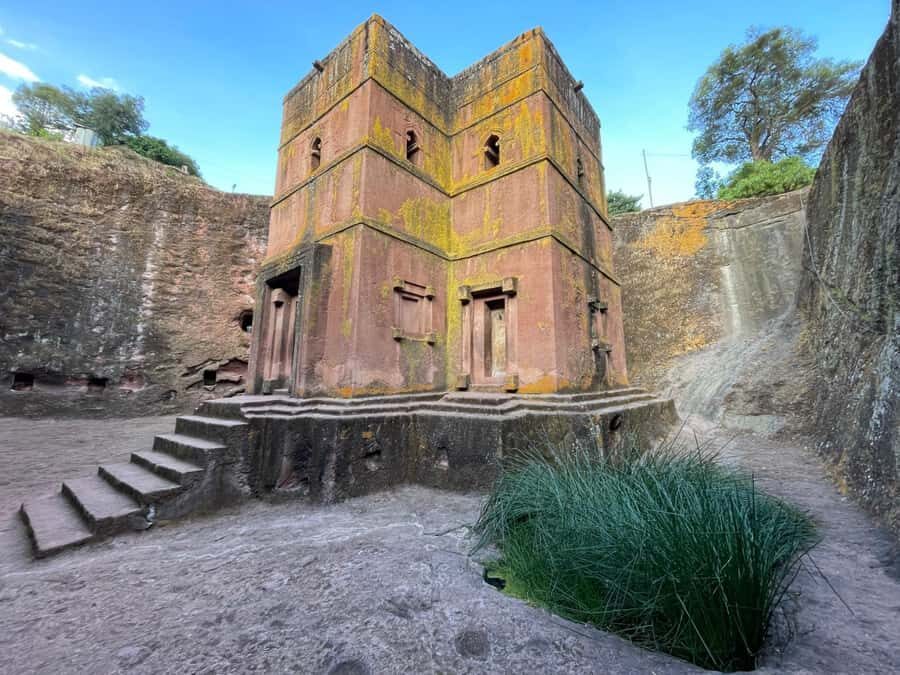
Lalibela sits high in Ethiopia’s Amhara Region, in a mountainous part of the country sometimes linked to the Lasta area. From Addis Ababa it’s about 645 km, so once you arrive, the day feels focused: you’re not “touring around,” you’re going straight to the main event.
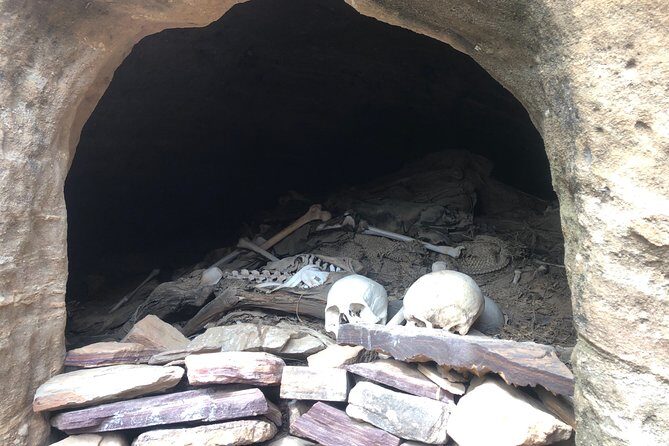
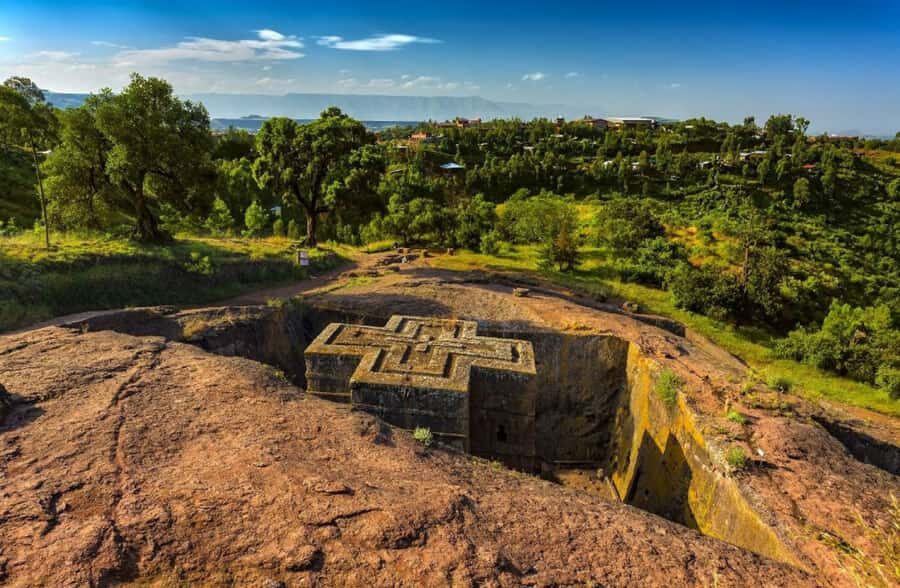
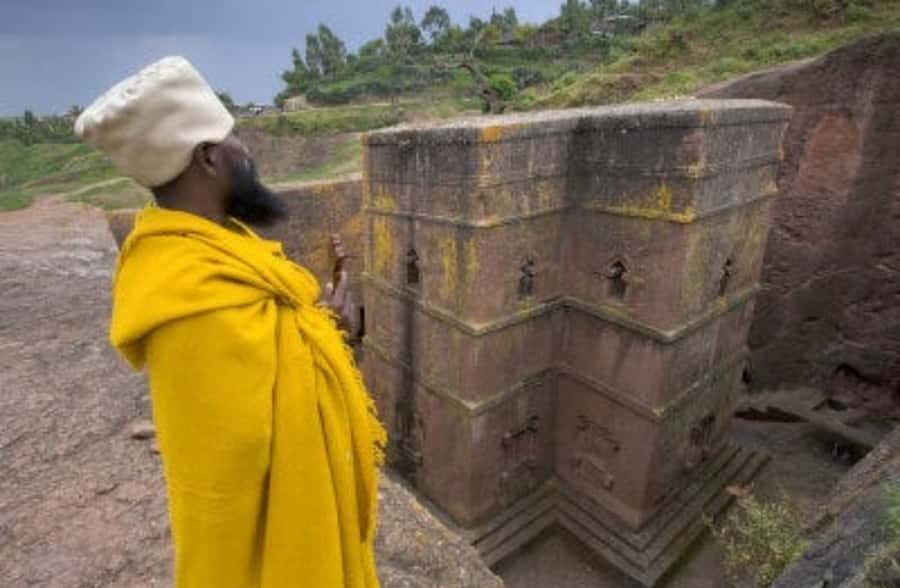
What makes Lalibela special is the scale and the concentration. There are said to be 200 churches in the wider region, including some hidden in large caves, but finding 11 masterfully carved monolithic churches in one place is the real jaw-drop moment. These structures are attributed to King Lalibela and are often called the eighth wonder of the world.
And here’s the practical side: because these churches are built into a single dramatic rock landscape, you naturally move between levels, doorways, and passageways at human walking pace. The experience doesn’t feel like you’re rushing through a museum hall. It feels like you’re stepping through a working sacred complex, with time to look closely as you go.
A few more Lalibela tours and experiences worth a look
Price and what your $102 day really covers
At $102 per person for an 8-hour tour, you’re paying for a big chunk of logistics handled for you. The essentials are included: airport pickup and drop-off, plus hotel pickup and drop-off, so you’re not trying to coordinate transport after a long flight. You also get an English-speaking guide, plus a car with fuel and government tax.
Two other small items matter more than you’d think. One is the Ethiopia coffee included with the experience. The other is the walking tour in the city, which helps you get your bearings fast before you head into the church complex.
Now, the cost reality check: Lalibela churches entrance fees are not included. That doesn’t make the tour overpriced, but it does mean you should budget extra on top of $102 so there’s no awkward moment at the ticket point.
From the airport to town: first impressions in Lalibela

Your day starts with pickup—either at Lalibela Airport or at the Lalibela Church Ticket Office, depending on what works best for your itinerary. When you arrive at the airport, you’ll be met by a representative holding a sign with your name, then transferred to your guide and on to your hotel in Lalibela.
This is a good setup for two reasons. First, it removes the stress of finding the right person in a new airport. Second, it gives your guide time to orient you before you start walking and photographing your way through the churches.
You’ll have some break time during the day, plus photo stops and guided walking. That matters because Lalibela is one of those places where “I’ll just take a quick picture” can turn into 30 minutes of staring at carvings. Having planned stops keeps you from feeling like you’re sprinting.
The 11 churches route: how the day is organized
The tour is structured around the 11 main rock-hewn churches, grouped into three areas. This grouping isn’t just for convenience—it helps you understand how the complex is laid out and how different churches relate to one another in the overall plan.
You’ll visit major churches including the cross-shaped St. George church, and you’ll see names you’ll want to remember because they map to different dedications and architectural details. The churches are said to have been constructed during the reign of King Lalibela, when Lalibela was then known as Roha and served as the capital of the Zagwe dynasty—roughly 12th and 13th centuries.
The first group: central churches you’ll likely recognize fast
The first cluster includes:
- Biet Medani Alem (House of the Saviour of the World)
- Biet Mariam (House of Mary)
- Biet Mascal (House of the Cross)
- Biet Denagel (House of Virgins)
- Biet Golgotha Micael (House of Golgotha Michael)
This group is where you’ll start building a mental map. As you move between buildings, your guide can point out how the rockwork and entrances shape how people move and worship inside.



The southern churches: deeper dedications and different vibes
The southern cluster includes:
- Biete Amanuel
- Biete Qeddus Mercoreus
- Biete Abba Libanos
- Biete Lehem
- Biete Gabriel-Rufael
I like this part of the day because it broadens the story beyond a single church silhouette. Instead, you’re looking at how multiple dedications share the same stone language while still feeling distinct.
The last church: finishing the full set
The final church in the third group is:
- Bete Georgia
By the time you reach the last one, you’ve usually seen enough carved entrances and passageways that the final stop feels less like a “new sight” and more like a closing chapter—your eyes start reading the complex like a single plan instead of separate monuments.
What you’ll actually notice inside: engineering, light, and symbolism
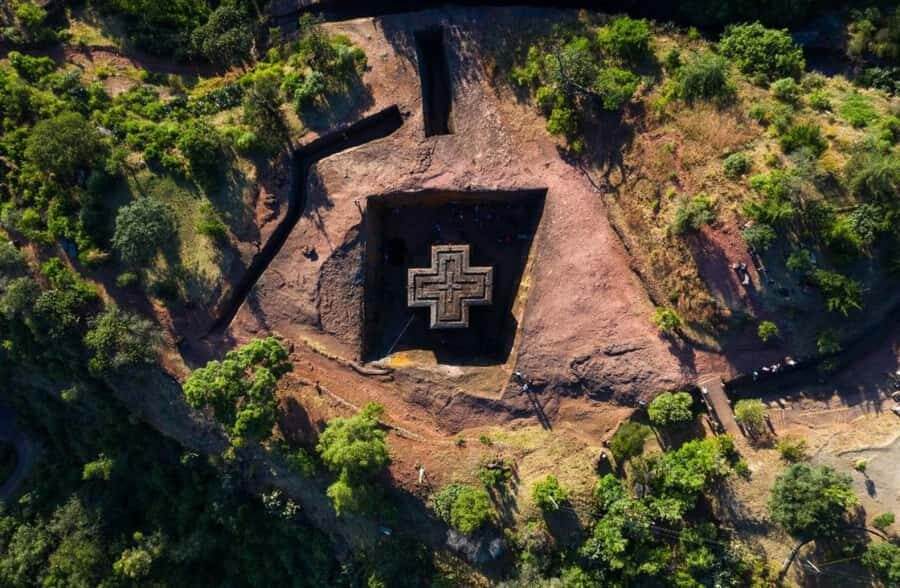
On paper, “11 rock-hewn churches” sounds like a checklist. In real life, the day works because you keep noticing new details as you walk.
One big theme is that these churches aren’t simple “carved boxes.” They include a maze of passageways, cut into stone in a way that changes sight lines and movement. Even if you don’t catch every detail, you can feel it when you turn a corner and the space compresses or opens.
Another theme is the sheer architectural ambition. The largest monolithic church in the world is referenced in the broader Lalibela storytelling, and the complex design is described as a masterpiece of engineering. Even if you don’t memorize every claim, your guide will help you connect what you see with why it mattered in its time.
And then there’s the spiritual layer. The “why” of these churches isn’t abstract. You’re surrounded by active faith and ongoing traditions, and the physical design supports that daily reality.
St. George and the special focus on the cross-shaped church
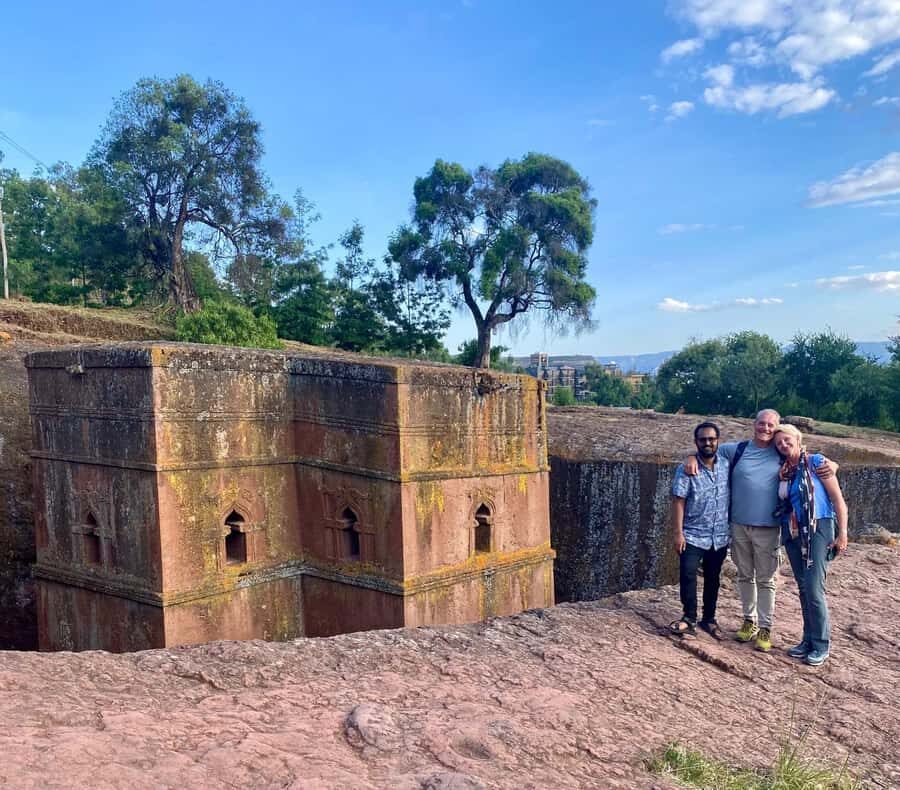
The tour specifically includes the cross-shaped St. George church. That’s a smart choice, because cross-shaped architecture is one of the quickest ways to understand how symbolism is built directly into space rather than added afterward.
Cross-shaped layouts tend to guide how people enter, pause, and orient themselves. So even if you’re not an architecture nerd (and I’m not judging), you’ll likely feel the difference in how the church space “reads” as you move through.
If you like photography, this is also the kind of stop where a single angle can’t do justice. Look for how the doorway shapes the view, how shadows land on stone, and how the interior layout changes as you reposition.
Bete Amanuel and the shopping/sightseeing time you’ll appreciate
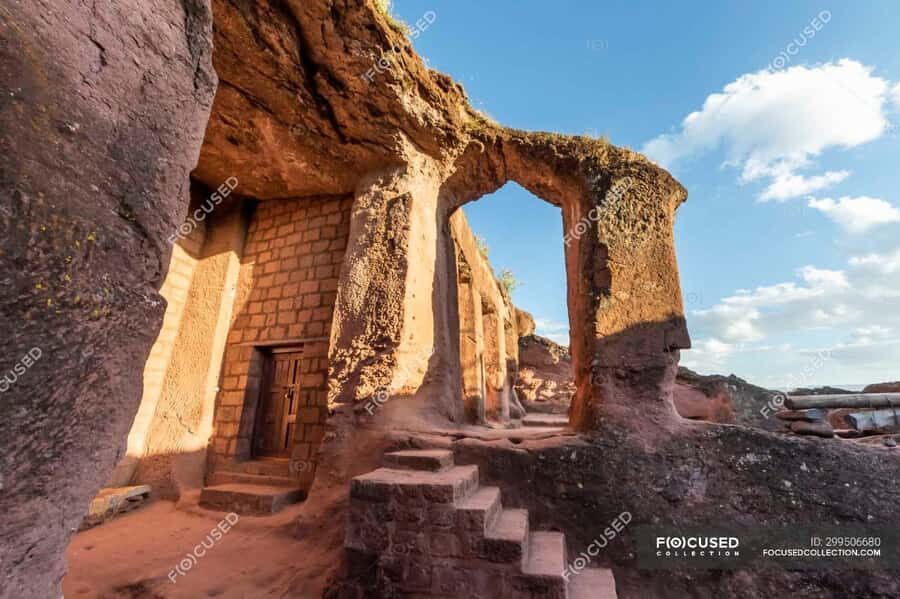
Your day includes a longer stop at Bete Amanuel (listed with about three hours of time). That’s not random timing. It’s when you can slow down, take breaks, and get a better feel for Lalibela beyond the church walls.
This part of the day also includes time for:
- sightseeing and a guided walk
- shopping
I’m a big fan of having one segment that allows you to interact with everyday life. It’s easy to leave Lalibela feeling like you “saw churches” but didn’t experience the place. A chunk of time near Bete Amanuel helps you balance the day so it doesn’t turn into pure monument overload.
Use the shopping time with intention. Instead of rushing for souvenirs, ask your guide what to look for, then focus on items that connect to the church setting—things that make sense next to what you’ve been seeing.
Sunset, photo stops, and how to pace yourself
The day includes breaks and photo stops, and it also mentions sunset. That’s a good setup because the light can change how stone colors show up and how interior shadows play across passageways.
The practical trick: don’t run ahead. If you rush, you’ll miss how your guide ties the layout together. If you take your time, you’ll notice more—like how the complex uses turns and thresholds to control movement.
Also, keep water and snacks in mind even though they’re not listed as included. You have break time, but Lalibela can be tiring underfoot. Bring your comfortable shoes and keep your pace steady.
Addis Ababa cultural dinner: a highlight worth confirming
One of the listed highlights mentions a cultural dinner in Addis Ababa and learning about local traditions. The main church tour is in Lalibela, so this may tie into your wider travel plan rather than being the core 8-hour block you’ll spend in Lalibela itself.
Before you assume how it fits, I’d confirm with your provider when that dinner happens and whether it’s included as part of the same day or aligned with other arrangements around your trip. That way you don’t end up with a surprise if your schedule is tight.
Guides matter: English explanations and real on-the-ground comfort
An English-speaking guide is included, and that’s a big deal in a place where the details can get complicated fast. With the right guide, you’ll understand why churches are grouped, what dedications mean, and how the complex design ties to King Lalibela’s era.
The reviews also highlight that certain guides are friendly and professional, and that some are excellent photographers who help people capture the day. Even if your guide is different, focus on this: if they’re good, you’ll leave with more than pictures. You’ll leave with context.
A good guide will also help you avoid wasted time—like circling back for shots you already got, or missing the best viewpoints because you didn’t notice a doorway or passage.
What to bring (and the headscarf rule for women)
Here’s your packing list from what’s provided:
- comfortable shoes
- change of clothes
- camera
- biodegradable sunscreen
- comfortable clothes
- cash
You’ll also want to remember the dress guidance for women visiting the Lalibela churches: bring a scarf to cover your head. It’s one of those rules that can slow your day down if you forget, so pack it like it’s part of your ticket.
Not allowed: alcohol and drugs. Keep that in mind if you’re thinking of bringing anything “just in case.”
Also, the tour isn’t suitable for babies under 1 year and people over 95 years. If you’re in that age range or traveling with someone who needs extra mobility support, check the plan carefully.
Accessibility and comfort: good to know before you commit
The tour is listed as wheelchair accessible. That’s encouraging, especially since Lalibela’s ground can be uneven in places. Still, with a walking tour and church complex movement, it’s smart to confirm what “accessible” means in practical terms for the specific route your guide uses and how much time is spent walking on footpaths.
If you want a smoother day, tell your guide early what pace works for you, and be honest about walking limits. It’s a lot easier to adjust on the fly when your guide already understands your needs.
Is this tour good value? My honest take
For $102 per person, you’re getting more than “a driver to churches.” You’re getting:
- pickups (airport and hotel)
- transportation with fuel
- an English-speaking guide
- Ethiopia coffee
- a walking tour in the city
- the structure to see all 11 churches in one planned day
What you’re not getting is the one big variable cost: church entrance fees. But once you budget for that, the tour’s bundled value becomes clear. A DIY approach could get complicated quickly because you still need guide interpretation and reliable transport across multiple stops in a mountainous region.
If you’re short on time, this is a strong choice. If you’re traveling slowly and want to spend extra hours in one church, you might prefer a longer, customized day or an extended itinerary. But for a single full day that hits the key sights, this tour is a practical buy.
Who should book this full-day Lalibela church tour?
Book it if you:
- want to see all 11 rock-hewn churches efficiently
- value an English guide who can explain what you’re looking at
- like structured days that still include breaks, photo stops, and some city walking
Skip it (or adjust your plan) if you:
- hate walking and need lots of downtime
- don’t want to manage extra preparation like entrance fees and headscarf rules
- prefer total freedom to linger in one area without a set flow
Should you book this tour?
If your goal is to experience Lalibela’s rock churches without turning your day into a logistics puzzle, I’d book it. The best part is the pairing of English guidance with a route that covers the full church set—so you get meaning, not just landmarks.
Just do two things before you go: pack for comfort and dress rules, and set aside money for church entrance fees. Then you’ll be able to focus on what matters—walking through a stone world built to last.
FAQ
Where does pickup happen for this tour?
Pickup options include Lalibela Airport and the Lalibela Church Ticket Office. You’ll also have hotel pickup and drop-off as part of the included service.
How long is the Lalibela churches tour?
The duration is 8 hours.
Is an English-speaking guide included?
Yes. The tour includes a speaking English guide.
Is transportation included?
Yes. The tour includes transportation in a car with fuel.
Are Lalibela church entrance fees included?
No. Lalibela churches entrance fees are listed as not included.
Do women need anything specific for the churches?
Yes. Women should bring scarfs to cover the head for visits to the Lalibela churches.