REVIEW · ETHIOPIA
6 Days Bale Mountains Trekking
Book on Viator →Operated by Armaye Ethiopia Tours · Bookable on Viator
Bale Mountains trekking hits different. This 6-day route through Bale Mountains National Park blends high-altitude camping with real wildlife chances right at the park HQ. I also like how Armaye Ethiopia Tours keeps things coordinated end-to-end, from pickup on arrival to steady, practical guiding from start to finish.
The main thing to consider is altitude and daily effort. You’ll be hiking roughly 7–9 hours most days and sleeping around 3,100–3,900 meters, so you’ll want a calm pace and smart pacing rather than going hard from the first day.
In This Review
- Key highlights you’ll care about
- Why the Bale Mountains feel like a full ecosystem in 6 days
- Day 1 in Dinsho: pickup, park HQ, and a first wildlife scan at altitude
- Day 2 to Sodota Camp: the 18 km hike with Wolla and Web river valleys
- Day 3 through Mararo Valley: Wasema at 3,900m with eagles and wolf chances
- Day 4’s geology lesson: super-volcano ridges and the ice-age shaped relief
- Day 5 in Harenna Forest: waterfall, bamboo trail, and Bale monkey territory
- Day 6 exit: transfer back to the airport for your flight
- Price and what you’re really buying for $488
- What to pack and how to survive 3,100–3,900 meters without drama
- Guides and organization: why this company’s name keeps coming up
- Who should book this Bale Mountains trekking circuit?
- Should you book this 6 Days Bale Mountains Trekking?
- FAQ
- What time does the trek start, and how do I get to Dinsho?
- What’s included in the $488 per person price?
- What’s not included?
- How fit do I need to be?
- How big is the group?
- What if the weather is poor or not enough people book?
Key highlights you’ll care about
- Dinsho HQ wildlife and endemic bird time at the start, in and around juniper woodlands
- A full camping circuit with included breakfasts, lunches, dinners, and nights at several campsites
- Long, real hikes (including an 18 km day) with mountain rivers like Wolla and Web along the way
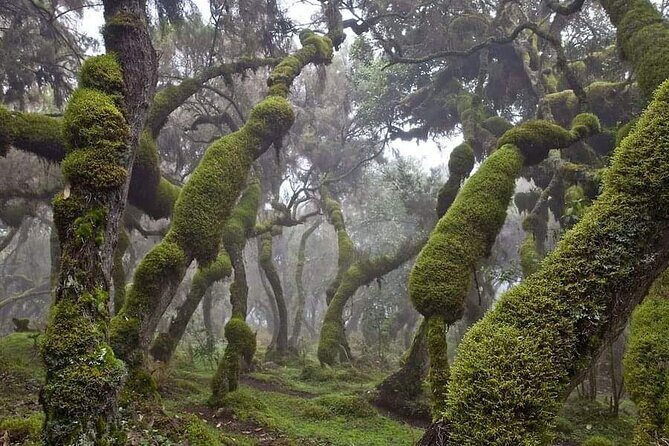
- Harenna Forest transition to a tropical rain-forest feel, with a bamboo trail and waterfall walk
- Small group size (max 10) for a more flexible, less chaotic trekking rhythm
- Guides named out in real feedback like Armaye and Awel/Awol for being organized and caring
Why the Bale Mountains feel like a full ecosystem in 6 days
The Bale Mountains aren’t just scenic. In a short time, you can move through ecosystems that feel like different worlds: high moorland and cold air at elevation, river valleys, then the warmer, wetter side that turns into Harenna Forest. That mix is why this trek works so well for people who want nature, not just exercise.
What I like about this particular format is that it doesn’t treat wildlife as a bonus prize. The schedule is built to give you repeated chances: first around Dinsho and the park HQ, then on trekking days with animal habitat along the route, and finally in the forested day where you shift tactics and look for different species. You’re also not paying for every meal and entry fee separately. When the parks and food are included, you can focus on the trek itself.
One more practical detail matters: this tour is small, with a maximum of 10 travelers. On a hiking trip, smaller is usually calmer. You can spread out a bit, stop when needed, and keep the trekking pace realistic.
You can also read our reviews of more hiking tours in Ethiopia
Day 1 in Dinsho: pickup, park HQ, and a first wildlife scan at altitude
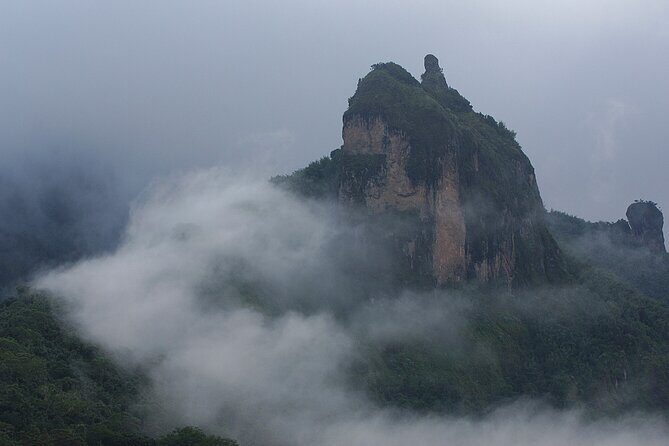
Your day starts with a clear plan. After you arrive at Goba airport, you’ll be picked up and driven to Dinsho, then to the park HQ area. It’s a smart setup because it gets you into the trekking rhythm without wasting hours trying to figure out local transport on your own.
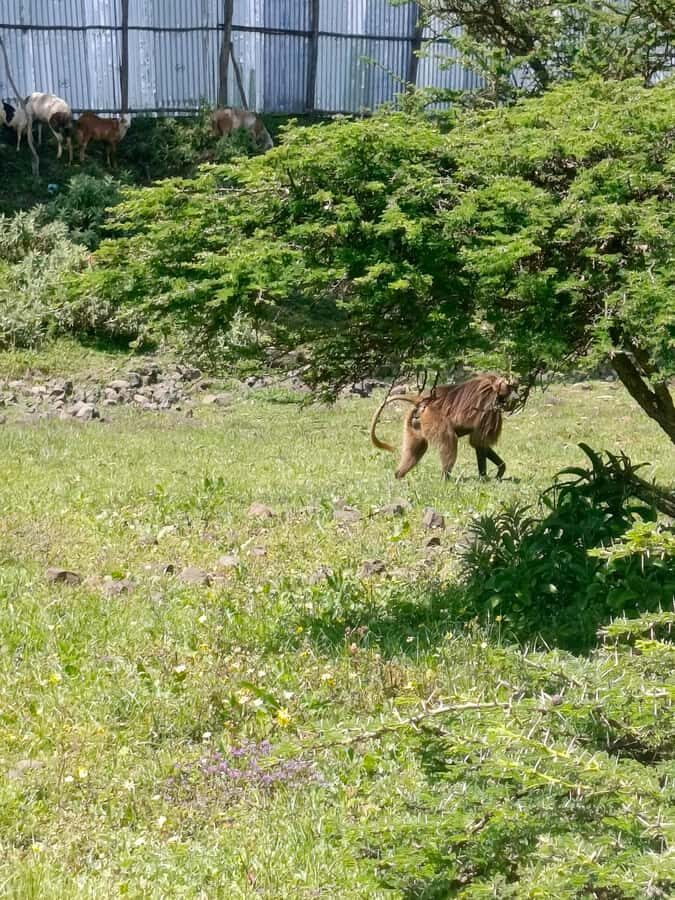
At Bale Mountains National Park HQ, the goal is simple: a first sweep for endemic and endangered mammals and birds in juniper woodlands. You’ll have a chance to look for animals such as Menilik’s Buchbuck, Mountain Nyala, Warthog, Reedbuck, Gray Duikers, and Baboons. Birding here is also a real part of the experience, with possibilities like the Black-headed siskin, Wattled Ibis, and Abyssinian cat bird.
That matters because day 1 often sets your expectations. If you’re hoping to see something special quickly, this helps. And if you’re more of a steady hiker, this early wildlife focus still feels worthwhile because you’re not just walking into a campsite blindly—you’re learning the ecosystem as you go.
The tradeoff: you’ll overnight at Dinsho Campsite around 3,100 meters. Even if you’re in good shape, altitude can make everything feel a little heavier. Take breaks, sip water, and don’t judge the trek by how you feel the first few hours.
Day 2 to Sodota Camp: the 18 km hike with Wolla and Web river valleys
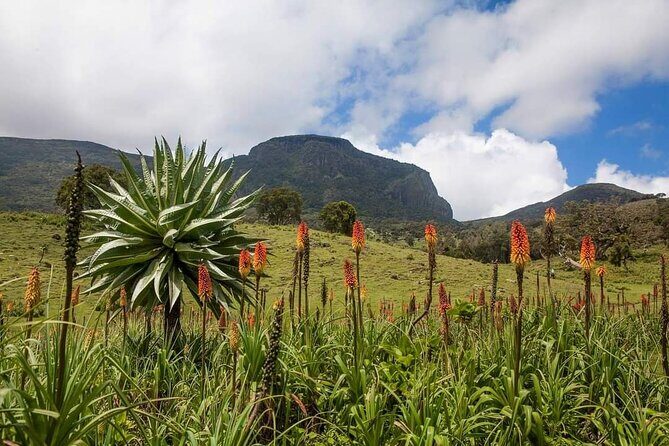
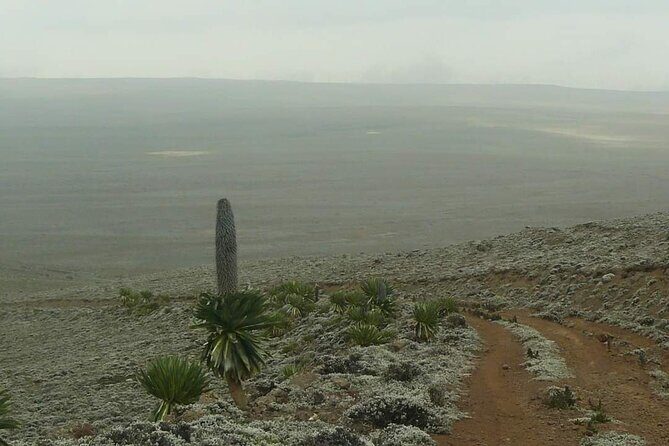
After breakfast, the trek becomes more physical. Day 2 includes an 18-kilometer hike toward Sodota Camp, with scenery tied to the Wolla and Web rivers near Dinsho. River valleys usually mean more water, more vegetation variety, and better odds for wildlife activity. You’re not just walking through rock and air.
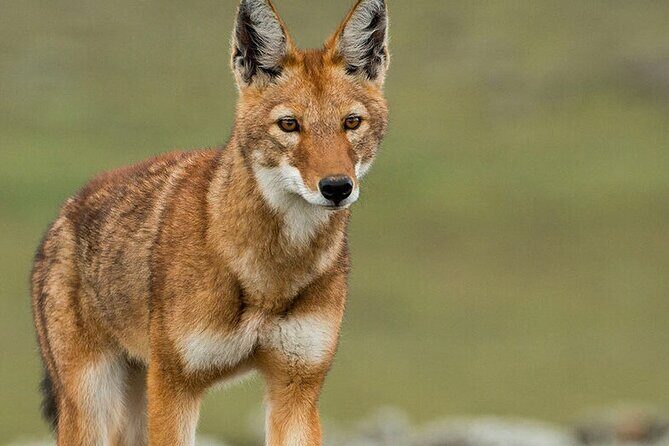
This is also a good day for people who like birds and small mammals. The route is described as animal habitat for Ethiopian Wolf, Rock hyrax, and birds of prey. Ethiopian Wolf sightings are never guaranteed, but the point of this day is that you’re in the right kind of terrain and timing for the species people travel for.
Sodota Camp sits around 3,500 meters, so you’ll likely feel the altitude shift again. That’s normal on this trek. What you can control is how you manage your pace. If you keep your effort steady—slow uphill, short stops, no hero moves—you’ll generally arrive feeling like you still have energy left for the afternoon camp routine.
Included support makes this day easier to enjoy. You’ll get breakfast, lunch, and dinner, plus bottled water and coffee and/or tea. On a long hike, small comforts add up.
Day 3 through Mararo Valley: Wasema at 3,900m with eagles and wolf chances
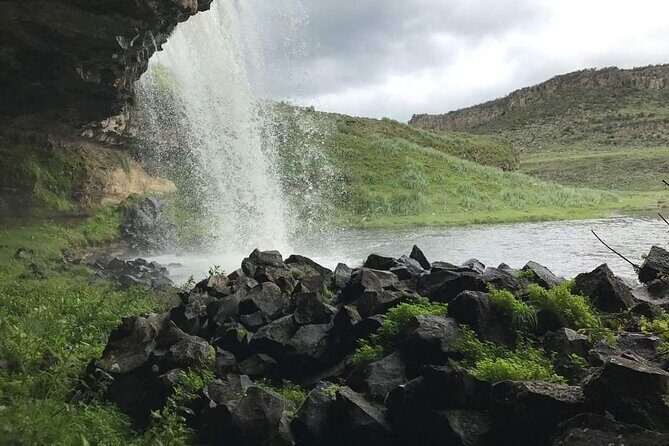
Day 3 takes you into Mararo Valley, and the story here is about repeated habitat cues. As you pass through, there’s potential to see eagles nesting by verros (the local terrain feature). You’re also in a zone where Ethiopian wolf and several bird species might show up, depending on conditions.
Timing matters on hiking days, and this one is described as around seven hours. That’s a manageable day length on paper, but altitude can stretch time out. If you’re the kind of person who hates feeling winded, just remember: this isn’t a treadmill hike. It’s a mountain hike in thin air, and slowing down is part of good trekking.
Then comes Wasema campsite at about 3,900 meters—the highest point so far. This is where you should be especially careful with your breathing and hydration. If you start feeling unusually lightheaded or sick (not just tired), you’ll want to speak up quickly so your guide can help you adjust your pace and decisions.
I appreciate that the tour keeps you moving with a plan rather than turning every day into a guessing game. You’ll likely get enough trekking structure to enjoy your stops rather than rushing through them.
Day 4’s geology lesson: super-volcano ridges and the ice-age shaped relief
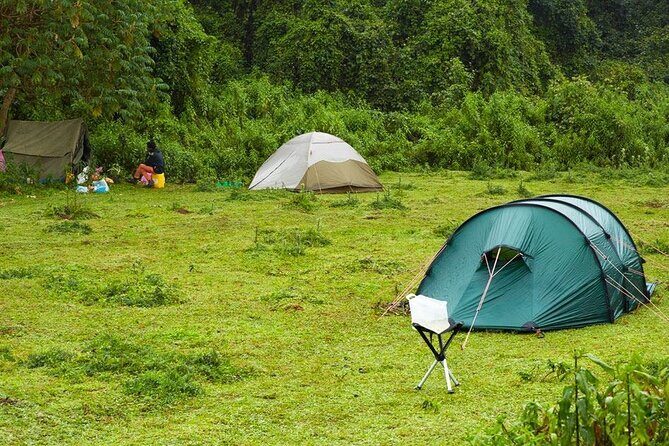
Day 4 is where the trek becomes more than just species hunting. As you hike through the region, you’ll see how the landforms were shaped by a prehistoric super-volcano and how the ice age helped carve and shape Ethiopia’s relief.
It’s a practical kind of learning, not a museum lecture. When you’re walking on ridges and seeing how valleys cut through, it helps to know why the terrain looks the way it does. It turns a hard climb into something you can actually interpret.
The day is described as about eight hours of trekking. That puts it squarely in the “serious but doable” range for people with moderate fitness. If you’ve been managing your pace on the first days, you should be ready for a steady push.
One consideration: this is also the part of the trip where you may start feeling cumulative fatigue. Campsites and included meals help a lot, but your body still remembers elevation. Pack your mind to handle day 4 as the “middle of the middle”—not your fastest day.
Day 5 in Harenna Forest: waterfall, bamboo trail, and Bale monkey territory
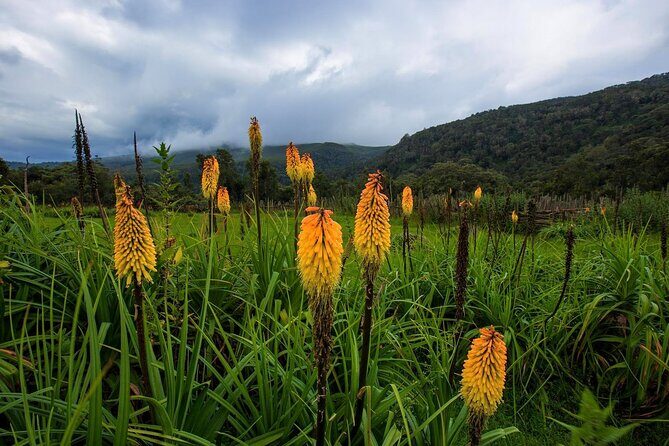
Day 5 is a route switch that feels like a reward. After breakfast, you meet the vehicle and drive toward Harenna Forest, described as Ethiopia’s second tropical rain forest. That change in vegetation and temperature is the reason this trek doesn’t feel repetitive.
The wildlife focus shifts too. Along the way and around the forest approach, there’s a chance to see Ethiopian Wolf again, plus Abyssinian Hare and water birds like Blue-winged Goose, Ruddy shell duck, and Wattled Crane. Then you move on to a hike in the forest for a waterfall and the Bamboo trail.
This is also where the tour calls out Bale Monkey as a possible sighting, along with additional bird species. Even if you don’t see every animal listed, the forest day gives you different odds than the high moorland days. If you’re a nature lover, that contrast is a big deal.
Overnight is at Tokuma or similar, and the tour specifies nine hours total for the day. That’s a long day, but it includes both driving and walking, so it’s not nonstop strain. Still, this is the day when you’ll want your footwear to feel broken in and your layers ready.
If you hate getting surprised by wet conditions in forests, bring rain protection. Tropical forest days often mean humidity and changing light, even when the forecast looks fine.
Day 6 exit: transfer back to the airport for your flight
Day 6 is the decompression day. After breakfast, you’re transferred to the airport for your flight back to Addis. The listed transfer time is about two hours.
Even though it’s short, it’s smart to keep your morning routine calm. You’ll want to pack efficiently the night before so you’re not scrambling while everyone else is also trying to get ready for the transfer.
This day also makes a difference for value. A six-day trek that ends with a clean handoff to the airport is easier to slot into a broader Ethiopia trip. You’re not stuck negotiating last-minute logistics when you’re tired.
Price and what you’re really buying for $488
At $488 per person for about six days, this trek is priced in a way that makes sense for a remote highland camping circuit. The big value isn’t the trekking alone—it’s that much of the overhead is included.
Included items:
- Accommodation (camping nights at the listed campsites)
- All meals: breakfast (5), lunch (5), dinner (5)
- Bottled water
- Coffee and/or tea
- Air-conditioned vehicle
- All fees and taxes
- Admission ticket included
- Pickup offered and a mobile ticket
Not included:
- Domestic flight fee
- Tip
- Miscellaneous personal expenses like alcoholic drinks and souvenirs
Here’s the practical take: if you’ve ever tried to piece together national park entry + guides + meals + camping logistics in Ethiopia, you know it can get expensive fast. This price bundles those essentials so you don’t have to build your own spreadsheet to feel confident. For many people, that’s the difference between a stressful trip and a trip you can enjoy.
One more value point: small group size. With a maximum of 10 travelers, your guide and support team can spend attention on you rather than herding a crowd.
What to pack and how to survive 3,100–3,900 meters without drama
This trek calls for moderate physical fitness. In normal terms: you should be comfortable hiking for most of the day and handling an uneven surface. You don’t need mountaineering gear, but you do need trekking basics.
From the tour structure, here’s what matters most:
- Expect long days: 7–9 hours on most trekking days
- Expect altitude shifts: camps at about 3,100m, 3,500m, and 3,900m
- Expect mixed environments: open highland hiking then Harenna Forest
Pack for comfort and weather variability. Even in mountains, temperatures can shift fast. Layers beat one bulky jacket. Also plan for damp conditions on forest days.
Footwear is your most important item. You’ll spend a lot of hours walking, and you’ll want shoes that don’t rub on day 4 or 5 when your feet start to get annoyed.
And mentally? Bring patience. The best way to enjoy this kind of trek is not by racing. It’s by maintaining steady effort so you can still pay attention when an animal appears or when the terrain changes.
Guides and organization: why this company’s name keeps coming up
If you look at real feedback patterns, the common thread is how smoothly coordination happens and how caring the guiding feels. Names that show up include Armaye and Awel/Awol. People highlight that the team communicates well before and during the trip and that safety and comfort were taken seriously.
That matters because Ethiopia can be logistically complex when you do it on your own. Having an established team run the pickup, the camp transitions, and the daily trekking flow means you’re more likely to enjoy the time outside instead of worrying about what’s next.
Also, the tour uses air-conditioned vehicle for key transfers. On an active trek, that’s a welcome reset, especially after long hiking days.
Who should book this Bale Mountains trekking circuit?
I’d point this trek toward you if you:
- Want a wildlife-focused Ethiopian experience, not just scenic walks
- Enjoy multi-day hiking with camping and included meals
- Like small groups and steady guidance (maximum of 10)
- Are excited by ecosystem changes: highland days, then the Harenna Forest switch
- Can handle moderate fitness and altitude at roughly 3,100–3,900m
I’d be cautious if you:
- Are very altitude-sensitive or hate the idea of thin-air nights
- Prefer shorter daily hikes or mostly flat routes
- Want a fully luxury style experience (this is camping-style trekking, not a hotel circuit)
Should you book this 6 Days Bale Mountains Trekking?
If your goal is nature with structure, this is an easy yes. The biggest reasons to book are the included meals and fees, the wildlife-first rhythm starting at Dinsho HQ, and the rewarding forest day with the bamboo trail and waterfall walk.
Before you commit, be honest about effort and altitude. Your strongest advantage on this trek will be calm pacing and good preparation. If you’re ready for that, you’ll likely come home feeling like you saw a real slice of Ethiopia’s animal world and landforms, not just a checklist of views.
FAQ
What time does the trek start, and how do I get to Dinsho?
The start time is 8:30 am. After arrival at Goba airport, you’ll be picked up and driven to Dinsho, where the trek connects with the park HQ area.
What’s included in the $488 per person price?
The price includes pickup offered, mobile ticket, air-conditioned vehicle, accommodation, bottled water, coffee and/or tea, and breakfast (5), lunch (5), and dinner (5). It also includes all fees and taxes and an admission ticket.
What’s not included?
Not included are domestic flight fees, tips, and miscellaneous expenses like alcoholic drinks and souvenirs.
How fit do I need to be?
You should have moderate physical fitness. Daily trekking is described as about 7 to 9 hours, including an 18 km hike on one of the days, plus nights at high altitude.
How big is the group?
The group is limited to a maximum of 10 travelers.
What if the weather is poor or not enough people book?
This experience requires good weather. If it’s canceled due to poor weather, you’ll be offered a different date or a full refund. If it’s canceled because the minimum traveler number isn’t met, you’ll also be offered a different date/experience or a full refund. Free cancellation is available up to 24 hours in advance for a full refund.
If you want, tell me your hiking comfort level (for example, how many hours you’re used to on a day hike) and whether you’re arriving from outside Ethiopia first—I can suggest how to plan your days around the airport transfer and altitude.