REVIEW · ETHIOPIA
4 days semien mountain national park trekking,
Book on Viator →Operated by North Ethiopian Tour Operator · Bookable on Viator
Gondar to the clouds, on foot. The Simien Mountains National Park trek is a World Heritage-style journey into dramatic Ethiopian highlands, with big wildlife and views tied to peaks like Ras Dashen (4533m). I like that this is built around real park time, including time with scouts and guides, so you’re not just hiking for steps.
What I really love is the end-of-day setup. Meals, bottled mineral water, tents, sleeping bags, and mattresses are included, plus a professional cook and full cooking gear, so you can focus on walking and not logistics. One review also highlights strong English support from Adem, with guidance sometimes from someone named Jackson.
One consideration: this experience requires good weather to run smoothly. And based on feedback, dry-season conditions may not be as comfortable as the rainy season for everyone, so plan your timing with that in mind.
In This Review
- Key things to know before you go
- Why Simien Mountains feels like a high-altitude Ethiopia classic
- From Gondar to Sankaber: how the trek starts right
- Days on the trail: what each leg and camp night really means
- Day 1: Gondar → Debark → park drive → Sankaber
- Day 2: Sankaber → Geech Camp
- Days 3 and 4: more park time, more ridge walking
- Final day: trekking wrap-up and return drive
- Wildlife and birds: how to turn spotting into part of your plan
- Camping comfort: tents, bags, mattress, and the value of a real cook
- Guide support that actually affects your experience
- Price and logistics: what $2,200 per group buys (and what it doesn’t)
- Weather and timing: planning around what the park demands
- Who should book this trek, and who should skip it
- Should you book this Simien Mountains 4-day trek?
- FAQ
- What is the duration of the trek?
- Where does the trip start and how do you reach the park?
- How many people are in each group?
- What’s included in the price?
- What is not included?
- Is there an admission ticket fee?
- What fitness level do I need?
- What happens if the trek can’t run due to weather?
Key things to know before you go
- Small group limit (up to 4), which usually means more attention and a calmer pace
- English-speaking guide + scout, handled right after you check in with the park office
- Camping gear is included: tent, sleeping bag, and mattress, plus cooking materials
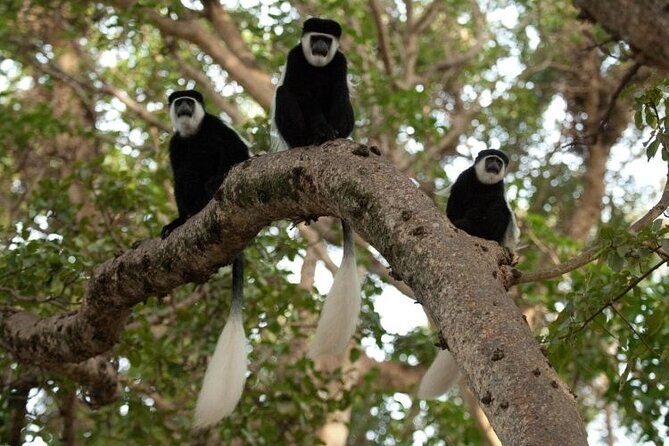
- Wildlife is a major draw: gelada baboons, Alia ibex, Simien fox, and 50+ bird species
- 4WD support at key points, including the Gondar–Debark drive and options for a short hike near Buyit Ras
Why Simien Mountains feels like a high-altitude Ethiopia classic
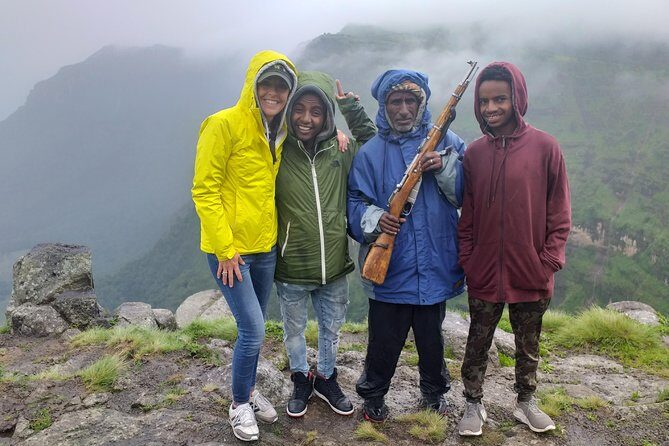
The Simien Mountains are famous for their dramatic ridges and drop-offs, and this trek leans hard into that sense of distance. You’re in one of Africa’s standout highland areas, and it’s protected as a World Heritage site—so the focus is nature-first, not tourist-show staging.
The animals are part of the reason people keep coming back. You’re in a place where gelada baboons can be seen, and where you might also run into Alia ibex, Simien fox, and plenty of birds. Even if you don’t spot everything every day, you’re walking through habitat that actually supports these species.
I also like that this trip isn’t sold as a “fast hike and done” deal. It’s structured as a true 4-day trek with camp nights inside the park zone, which gives you time for the slow magic: walking in the morning light, then settling in as weather changes.
You can also read our reviews of more hiking tours in Ethiopia
From Gondar to Sankaber: how the trek starts right
The adventure begins early from Gondar. You’ll drive to Debark, and in Debark you’ll arrange things with the park office before you hit the trail areas. That check-in step matters more than it sounds, because it’s where you receive your scout and guide for the trek.
After Debark, you’ll use a 4WD vehicle to move deeper into the park. You can either:
- drive all the way to Sankaber, or
- have the car drop you closer (near Buyit Ras) for a short hike
That short hike option is a smart way to stretch your legs right after the drive. It’s also a quick way to get your bearings in the terrain and possibly catch geladas during the walk in, before you reach the campsite.
When you arrive at Sankaber, you’re met with your supplies for the trek. For you, this means fewer “where do we get water” moments and more time just getting settled and acclimating to the hiking rhythm.
Days on the trail: what each leg and camp night really means
This is a 4-day trekking program through Simien Mountains National Park. From the details provided, the trip clearly moves between camps, starting with Sankaber and then going on to Geech Camp on day 2.
Day 1: Gondar → Debark → park drive → Sankaber
You leave Gondar early morning, reach Debark, handle the park office arrangements, then move into the park by 4WD. If you choose the hike option near Buyit Ras, you’ll get a leg-stretcher before the first campsite.
Your first night is at Sankaber, where you’ll be met with your trek supplies. This is the day you want to take easy on your effort until you feel your breathing settle—because the terrain is the star here, not speed.
Day 2: Sankaber → Geech Camp
Day 2 continues on foot from Sankaber to Geech Camp. This is where the trek starts to feel like an actual multi-day journey rather than a day hike.
I like that the trip gives you a specific next camp, which helps you pace your energy. You’re not guessing where the day ends—you’re walking toward a target in the park.
A few more Ethiopia tours and experiences worth a look
Days 3 and 4: more park time, more ridge walking
The provided info confirms the trip continues beyond Geech Camp and runs for 4 days total. So expect additional day legs inside the park, with camp nights managed by the same support team.
In practice, what makes days 3 and 4 meaningful on this kind of trek is routine:
- get moving early
- hike long enough to feel your legs working
- stop where the crew sets camp
- eat well, then recover
Even without exact camp names here, you can still plan mentally for that steady trekking rhythm.
Final day: trekking wrap-up and return drive
On the way out, you’ll use the 4WD transport back to Gondar (via Debark). That matters because Simien treks can leave you tired, and the last-mile driving connection helps you avoid ending your trip on a stressed logistics note.
Wildlife and birds: how to turn spotting into part of your plan
The Simien region is known for specific animals, and this trek is positioned right in the heart of that story. The big names listed for the park include:
- Gelada baboons, including the famous scarlet-chested look
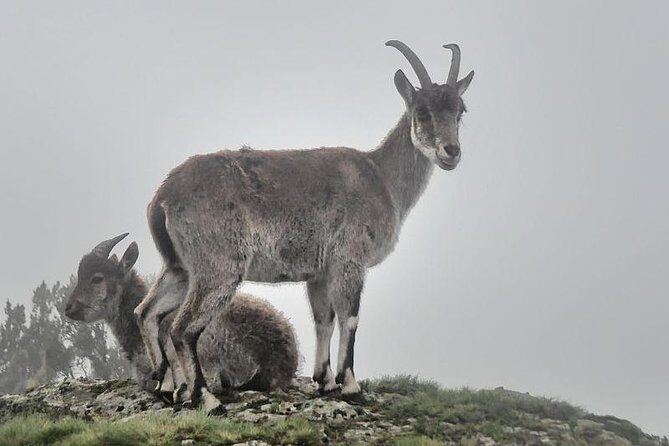
- Alia ibex
- Simien fox
- 50+ bird species
Here’s the practical angle for you: wildlife spotting improves when you’re not rushing. So I recommend you walk at a pace where you can look up and scan during breaks. Let your guide handle the “where to pause” calls, since you’ll have a scout and guide supporting you in the park environment.
Also, pay attention to the early parts of days. On day 1, there’s already a chance for geladas if you take the short hike near Buyit Ras. That’s a nice bonus because it gets the best sightings momentum rolling before the main trek days.
Camping comfort: tents, bags, mattress, and the value of a real cook
The most underrated part of a multi-day trek is sleeping and eating done well. This trip includes everything you need to sleep in camp:
- Tent
- sleeping bags
- mattresses
It also includes daily bottled mineral water and plenty of food, plus complete cooking materials and a professional cook. For you, that’s a big deal. It means you don’t have to pack a whole kitchen system or worry about whether dinner is one more sack of instant stuff.
One review specifically praises how much effort the chef put into meals and how needs were taken care of. Another points out that the crew made the whole trip run smoothly, so the camp life doesn’t feel like a burden after a long walk.
A small-group setup (maximum 4 travelers) can help here too. When there are fewer people, meals can feel more consistent, and you can ask questions without waiting in line for help.
Guide support that actually affects your experience
This is not a solo backpacking fantasy. It’s guided, and you’ll get an English-speaking guide plus a scout. You also get that support after you check in with the park office in Debark.
From the feedback shared, Adem is frequently highlighted for his English and his care for the group. A guide named Jackson also appears in the same set of comments, which suggests teams may vary while still staying professional.
Why this matters for you: on a trek like this, the guide isn’t just “pointing routes.” They help you:
- understand what you’re seeing
- pace your day better than your instincts alone
- keep camp and safety functioning
- move through the park with less stress
If you care about turning the trip into more than miles, this kind of support is a real value.
Price and logistics: what $2,200 per group buys (and what it doesn’t)
The price is $2,200 per group for up to 4 people, for approximately 4 days. That sounds high until you break it down into what’s included.
Included value you don’t have to shop for:
- English-speaking guide and a scout
- 4WD transportation to and from Gondar
- all entrance fees
- tents, sleeping bags, mattresses
- food and bottled mineral water daily
- cooking materials and a professional cook
Not included:
- alcoholic drinks
- personal insurance
- flights
- tips
Here’s how I’d think about value for you:
- If you’re traveling as two people, you’re often paying a lot more per person than the “up to 4” headline suggests.
- If you can fill the group, the per-person cost drops a lot, and the included package (gear + cook + food) starts to look like a bargain compared with DIY trekking.
Also, admission ticket is listed as free, and entrance fees are included, so you’re not stuck paying park entry separately. That reduces friction once you’re already on the ground.
Weather and timing: planning around what the park demands
The experience requires good weather. That’s not a small note; it’s a practical reality in high mountain regions where trail conditions change quickly.
You’ll also see contrasting hints from feedback: one person said they wouldn’t recommend for the dry season, while someone else described a rainy-season trip as working out nicely. So the best move for you is to pick your dates thoughtfully and be ready for weather-driven adjustments.
Bring the mindset that a trek like this is outdoors-first. If conditions are rough, you may need to accept changes or a different date offer, since the tour is explicitly tied to good weather.
Who should book this trek, and who should skip it
This trek is listed as requiring moderate physical fitness. That makes sense for you if you’re comfortable hiking day after day and handling uneven ground without wanting a totally gentle stroll.
You’ll likely enjoy it most if you:
- want an organized trek with real camp comfort
- care about wildlife (geladas, ibex possibilities, birds)
- prefer a small group with an English-speaking guide
- don’t want to manage logistics like permits, camp gear, and cooking
You might want to reconsider if:
- you’re looking for a guaranteed wildlife checklist every single day
- you’re very sensitive to weather changes
- you prefer minimalist trekking where you carry everything yourself
A note on expectations: this is a nature trek, not a performance. Some days bring more sightings, some less. The value is being in the right place long enough to matter.
Should you book this Simien Mountains 4-day trek?
I’d book it if you want a guided Simien trek that’s structured, small-group, and focused on doing the basics well: guide support, camp comfort, and feeding you properly. The combination of included camping gear, a professional cook, and English-speaking leadership makes this feel doable even when you’re far from home.
I’d think twice if your dates are inflexible and weather is your biggest worry. The whole experience depends on good conditions, and timing can affect comfort for different people.
If you match the moderate fitness level and you’re okay with weather reality, this is the kind of trip that can turn into a long-term favorite in your Ethiopia story.
FAQ
What is the duration of the trek?
The trek runs for 4 days (approximately).
Where does the trip start and how do you reach the park?
You depart early morning from Gondar, drive to Debark for park office arrangements, then use 4WD transportation into Simien Mountains National Park.
How many people are in each group?
The maximum group size is 4 travelers.
What’s included in the price?
An English-speaking guide, 4WD transportation to and from Gondar, all entrance fees, a scout, tent, sleeping bags and mattresses, plenty of food and bottled mineral water daily, complete cooking materials, and a professional cook.
What is not included?
Alcoholic drinks, personal insurance, flights, and tips are not included.
Is there an admission ticket fee?
Admission ticket is listed as free, and entrance fees are included.
What fitness level do I need?
The trek calls for a moderate physical fitness level.
What happens if the trek can’t run due to weather?
The experience requires good weather. If it’s canceled due to poor weather, you’ll be offered a different date or a full refund.