REVIEW · ETHIOPIA
3-Day Danakil Depression Expedition
Book on Viator →Operated by Highland Eco Trekking Tours Ethiopia · Bookable on Viator
Hot. Dusty. Otherworldly.
This 3-day Danakil Depression expedition is built for people who want the real Ethiopia off the beaten path, not just a photo stop. I like that the trip runs like a full operation: English-speaking local support, a Toyota 4WD with AC, and serious security support in the Afar area. I also like the value angle—airport transfers, meals, and camping setup are folded into the price so you don’t end up budgeting your way out of the experience. One thing to think about first: this is a harsh environment with long drives, so if you’re sensitive to rough roads and heat, go in with eyes open.
What you’ll remember most is the timing. You’ll be up early enough to see Dallol’s geothermal world before the sun climbs, then you’ll shift into salt country with pools, caves, and salt-miner scenes. The other big plus is that even though it’s remote, the overnight setup is not barebones: you’re sleeping on beds with mattresses, pillows, bedsheets, and there’s a hydration focus (the trip notes a generous 6 liters per person per day in the Danakil zone). The possible drawback is simple: even the best tour can’t make Danakil gentle—expect heat, dust, and physical days.
In This Review
- Key highlights you’ll feel in your body
- Danakil in Three Days: What You Actually See and Why It Works
- From Semera to Hamedela: 4WD, Lake Assale, and Open-Air Camping
- Dallol Before Sunrise: Geothermal Chemistry, Salt Caverns, and Karum Pool Time
- Afdera at -102m: Salt Lake Town, Salt Farms Walks, and the Flight Home
- What’s Included (and What You Still Should Pack)
- Price and Logistics: Is $469.82 Good Value?
- Comfort, Safety, and Who This Trip Fits Best
- Should You Book the 3-Day Danakil Depression Expedition?
- FAQ
- How long is the Danakil Depression expedition?
- What is included in the tour price?
- Is accommodation included?
- What kind of vehicle do you use?
- What about airport transfers and flights?
- Is the group size limited?
- What should I plan for regarding tipping and insurance?
Key highlights you’ll feel in your body
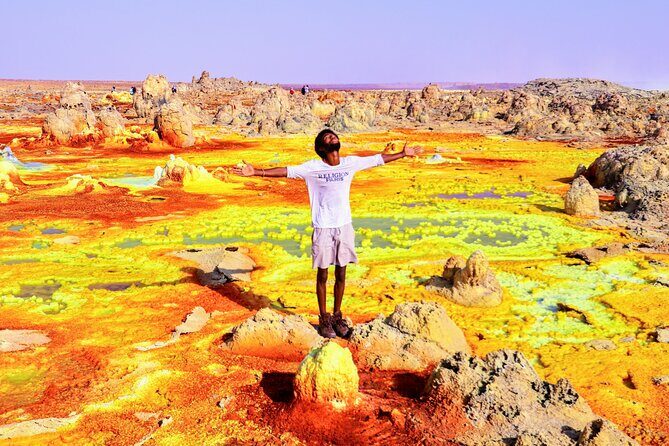
- Sunset at Lake Assale with the Afar heat doing what it does best (make colors pop fast)
- Pre-sunrise Dallol for geothermal formations and that face-to-face chemistry vibe
- Salt cave + picnic breakfast tucked near the Dallol crater area
- Salt plains and Karum pool time in scorching conditions (swimming is part of the idea, if conditions allow)
- Salt-miner visit so you see the human side of the region’s extraction work
- Four nights of lodging included, with Day 1 explicitly set up as open-air camping with clean bedding
Danakil in Three Days: What You Actually See and Why It Works
Three days in the Danakil Depression is a sprint, but it’s a smart one. You’re not trying to “cover Ethiopia.” You’re stacking the most dramatic stops in a tight circuit: Lake Assale (sunset), Dallol (before sunrise and geothermal moments), and then salt production territory (Afdera and salt farms).
This tour also leans into what makes Danakil different. The region isn’t just pretty rocks. It’s mineral chemistry, extreme altitude differences (Afdera sits around -102 meters below sea level), and working landscapes where salt production is part of daily life. That’s why the schedule emphasizes early starts and late light, rather than slow sightseeing. It’s also why the operation matters: the 4WD vehicles, experienced guides, camp gear, and water planning are the difference between an exhausting trip and an unforgettable one.
One more practical point: the group size caps at 15 travelers, which usually helps you move as a unit without feeling rushed like a cattle drive. Still, you should expect a physical pace. This is adventure travel with real road time.
A few more Ethiopia tours and experiences worth a look
From Semera to Hamedela: 4WD, Lake Assale, and Open-Air Camping
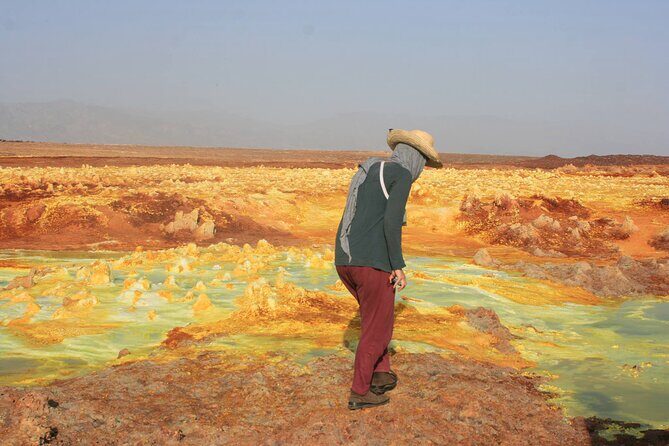
Day 1 is about getting you into the Danakil zone and ending the day with light. You start with a morning flight to Semera, then airport pickup and a push out in strong vehicles—described as latest-model Toyota 4WD Land Cruisers with AC. If you’ve ever done off-road travel, you already know that AC is a nice-to-have. In Danakil, it’s a comfort multiplier.
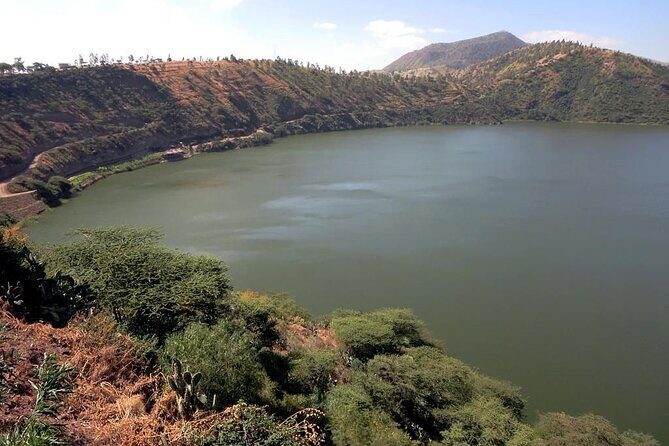
From Semera you head toward Hamedela, and then you shift your focus to the landscape around Lake Assale. The itinerary puts the highlight at late afternoon: sunset time. This matters more than it sounds. The colors in salt areas and geothermal-adjacent zones change fast as the sun drops. Sunset is one of the few times the light works in your favor and the heat eases slightly enough to enjoy it.
Overnight is open-air camping, and the details here are unusually specific for remote travel. You get clean beds with a mattress, pillows, and bedsheets. There’s also an emphasis on hydration, with the trip stating 6 liters of water per person per day during the Danakil days. That hydration planning is a big deal in this region; it’s the difference between coping and suffering.
A final Day 1 detail worth knowing: the route is handled with a mix of local expertise and official support, including a road leader from tourism authorities and a police escort. In other words, this isn’t a casual drive into nowhere. It’s organized for a place that demands it.
Dallol Before Sunrise: Geothermal Chemistry, Salt Caverns, and Karum Pool Time
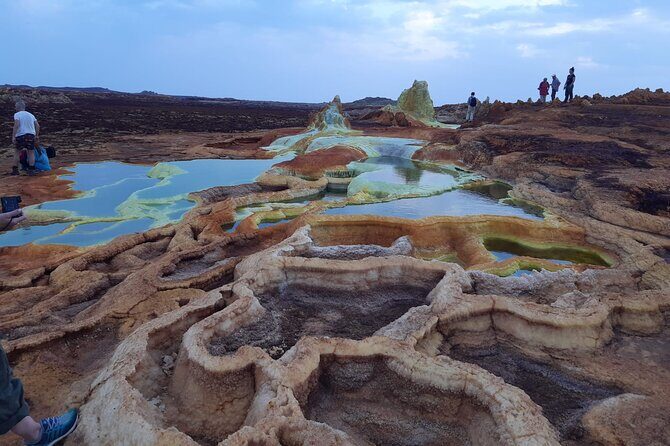
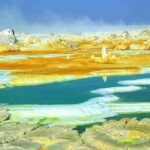
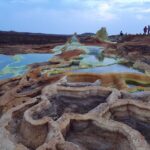
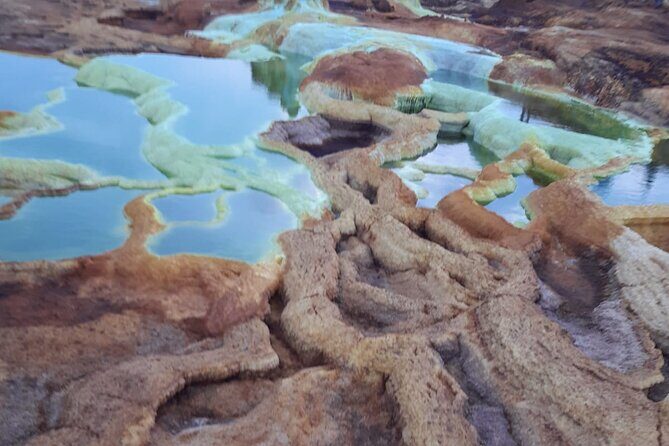
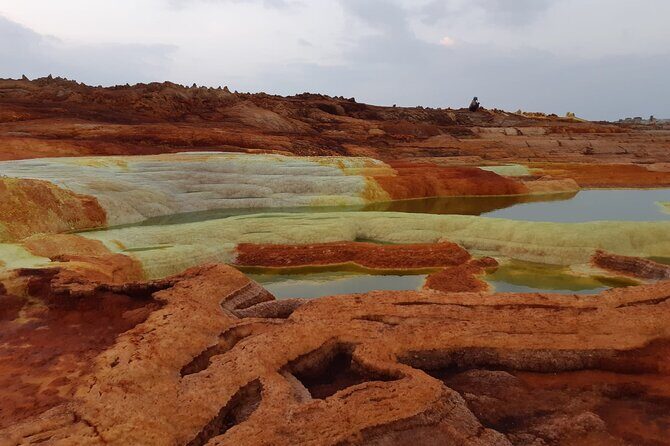
Day 2 begins in the dark—early in the morning before sunrise—because that’s the only way to experience Dallol when it feels most unreal. Dallol is geothermal country, and the description focuses on seeing chemical reactions in real time and getting hit by color changes. You’re driven to the lunar-like terrain first, then you move deeper into the crater surroundings.
After the Dallol geothermal stop, you’ll go to a salt and mud formed mountain cave underneath the crater area. The tour includes a picnic breakfast nearby, which is practical: it breaks the day into manageable chunks. You’re not just touring. You’re eating in a place that would otherwise feel like a nonstop “wait and stare” situation.
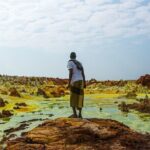
Then comes the salt plains and the part of the day that sounds both fun and intense: Karum, described as a swimming saltwater cold pool. The key word isn’t swimming—it’s cold water in extreme heat. If you do go in, treat it like a quick reset, not a long soak. Your body will tell you what’s safe.
The itinerary also includes a visit to salt miners before heading back. I like that this is included, because it keeps the experience grounded. Danakil isn’t only a science exhibit. People work here, and you get to see that work, not just the spectacle.
This is also where the “too harsh a tour” feedback makes sense. The day is long and physical. Expect dust, heat, and a lot of getting in and out of vehicles. People with back issues should think carefully. Even when roads are handled well, you’re still in a rugged region.
Afdera at -102m: Salt Lake Town, Salt Farms Walks, and the Flight Home
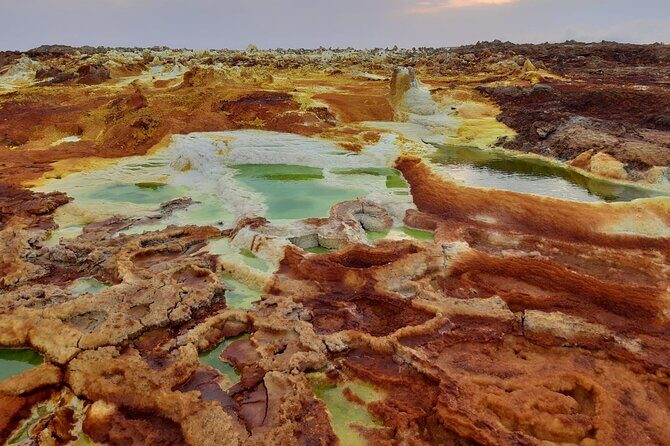
Day 3 shifts from geothermal and caves into salt-town reality. You wake up with the sun, then after breakfast you drive to Afdera, described as a major hub for salt production and distribution at about -102 meters below sea level. The itinerary frames it as the point with the highest temperature feeling in the Danakil Depression. That’s your clue to plan your pace. Move when you need to. Rest when you can.
Lunch happens in town, and you’ll get a glimpse of the salt lake, then a walk along salt farms. That walk is where you see the infrastructure of salt production—how the work shapes the terrain and why the area looks the way it does.
Then you return to Semera, and you take a late afternoon flight back to Addis (the itinerary says back to Addis after the flight from Semera). That timing matters. It means you’re not spending your last day doing the hardest part of travel in the hottest hours without an exit plan. You still end tired, but at least the schedule respects the need to close the loop.
What’s Included (and What You Still Should Pack)
This is one of those tours where the inclusions are not vague. Here’s what’s clearly covered:
- Airport transfers included in the tour price
- Local guides for the Afar region
- Transport in Toyota 4WD Land Cruisers with an experienced driver/guide
- All meals: breakfast, lunch, and dinner (the trip notes non-alcoholic beverages with meals)
- Plenty of water during the Danakil portion (explicitly 6 liters per person per day)
- Camping support: cooking and camping equipment plus bedding items for the camping night described
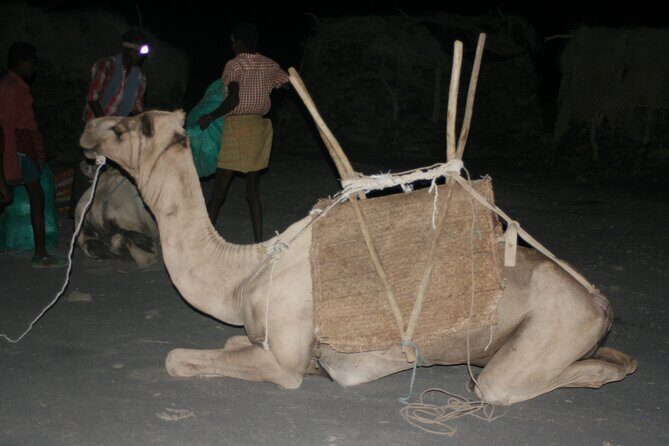
- Camels are included (the itinerary notes them as part of the tour setup)
- Admission tickets are included for Day 1 and Day 2, while Day 3 is listed as free
On paper, that can make the pricing feel more reasonable because you’re not separately paying for meals, water, vehicle logistics, camp gear, and key guides. In remote Danakil, those are exactly the cost traps.
Now, the stuff you should still bring:
- A personal sleeping bag is noted as highly recommended, even though sleeping bag support is mentioned in the included list. In practice, you’ll feel better with your own if you run cold or just know how you sleep.
- Sun protection (you can’t out-tan Danakil). Even if you don’t get a blister, you’ll get dust and heat discomfort.
- Comfortable layers. Yes, it’s hot, but mornings and vehicle rides can still be changeable.
What’s not included is also spelled out:
- Tips for guides and drivers
- Personal insurance
If you’re the type who hates budgeting on arrival, this is the right tour to choose—just remember tips and insurance still sit outside the price.
Price and Logistics: Is $469.82 Good Value?
At $469.82 per person for about 3 days, this package can be good value—mainly because it’s not only sightseeing. It’s remote transport, guides, water, and food baked in, plus camping gear and support staff (including scout/soldiers and police escort in the Danakil area).
Two things push value up:
- You’re paying for specialized access and logistics—flights to Semera, long road days, and the fact that the tour is capped at 15 travelers.
- You’re not just buying “admission.” You’re buying time with local guides, a cook team, and the camp operation.
One thing that can make value feel worse than expected: if you’re comparing against simpler Ethiopia tours that rely on cheaper guesthouses and shorter transfers. Danakil isn’t that. This itinerary is built around high cost-of-operation realities: distance, harsh conditions, and security needs.
Also, note the tour calendar reality: it’s often booked about 35 days in advance on average. If your dates are firm, don’t wait until the last week.
Finally, there’s a detail to clarify before you commit: the program summary mentions starting with Lalibela and references a Lalibela churches tour guide in English. Yet the day-by-day material you’ll see for the Danakil run focuses on Semera, Hamedela, Dallol, and Afdera. I’d ask your provider a simple question: does your 3-day schedule include any Lalibela time, or is Lalibela a separate add-on before this expedition? It affects how you judge the total value.
Comfort, Safety, and Who This Trip Fits Best
Let’s be straight: this is a tough environment. The roads are rough enough that back strain comes up in feedback, and heat plus dust can wear you down faster than you expect. If you have bad backs or medical limits, treat this as an assessment, not a guarantee.
That said, the tour is designed to reduce the worst risks:
- 4WD with AC helps during long stretches
- A cook team and structured meals keep you fueled
- Lots of water is emphasized
- Local Afar guides and an escort plan are part of the operation
I also appreciate the small-group cap of 15. You get movement coordination without losing the human scale that makes remote travel feel personal.
This trip suits you best if:
- You love extreme places and don’t need comfort to be your main motivator
- You like guided context, especially around salt work and geothermal formations
- You can handle early mornings and long driving days
It’s less ideal if you want an easy, cushy “walk around and shop” pace, or if you’re hoping Danakil will feel like a standard tour where you can nap whenever.
Should You Book the 3-Day Danakil Depression Expedition?
If you’re chasing one of Ethiopia’s most strange, powerful natural experiences, I’d seriously consider booking. The strongest reason is the match between what the itinerary targets and what makes Danakil unforgettable: sunrise timing at Dallol, the mix of geothermal and salt worlds, and the inclusion of human context through salt-miner work.
Book it if you:
- Want a guided, organized operation (not DIY in extreme conditions)
- Appreciate that meals, water, and camp basics are handled
- Can handle heat, dust, and a physically demanding schedule
Skip or rethink if:
- Rough-road comfort is a dealbreaker for you
- You’re only looking for a relaxed trip with minimal physical effort
- You prefer to control everything yourself and don’t want the structured pacing
One last smart move: before you go, ask the operator to confirm exactly how the Eritrea-late/ northern route pieces fit with your dates—especially whether any Lalibela time is actually included in your version. Once that’s clear, you can judge the trip on what matters: the days you’ll spend in the heat doing something you can’t easily replicate.
FAQ
How long is the Danakil Depression expedition?
It runs for 3 days (approx.).
What is included in the tour price?
The price includes transfer from/to the airport, transport in Toyota 4WD vehicles, local guide service, English-speaking guide support for the Lalibela churches component, meals (breakfast, lunch, dinner), non-alcoholic beverages, plenty of water during the Danakil portion, camping/cooking equipment, snacks, bottled water, and admission tickets for Day 1 and Day 2.
Is accommodation included?
Yes. The tour states that it includes four nights of accommodation, and Day 1 includes open-air camping with beds, mattresses, pillows, bedsheets, and water for hydration.
What kind of vehicle do you use?
You travel in a latest model Toyota 4WD Land Cruiser with an experienced driver/guide, and AC is mentioned.
What about airport transfers and flights?
Airport transfers are included. The itinerary includes a flight to Semera at the start and a late afternoon flight back to Addis after returning to Semera.
Is the group size limited?
Yes. The tour has a maximum of 15 travelers.
What should I plan for regarding tipping and insurance?
Tips for guides and drivers and personal insurance are not included.