REVIEW · ETHIOPIA
3 Days Danakil Depression Tour
Book on Viator →Operated by Ethio Target Tours · Bookable on Viator
Some places feel impossible until you’re there. This 3-day Danakil Depression trip takes you to Erta Ale’s lava spectacle and the strange, chemical world of Dallol and its salt formations. What makes it work is the mix of walking, short drives, and the way you get to see both the geothermal chaos and the human details like traditional salt mining.
I also like that the tour keeps the group small, with a maximum of 6 people, so you spend less time herding and more time watching. Guides show up with real energy too; I’ve seen mentions of Alexo and Tegegn guiding Italian group travelers, and another standout trip led by Andualem with smooth communication.
One thing to consider: this area is weather-dependent and remote. If conditions are poor, plans can change, and the experience can be moved or refunded.
In This Review
- Key things I’d circle on this Danakil tour
- Why the Danakil Depression feels like another planet
- Getting there: Semera start, Mekele pickup, and long-drive patience
- Day 1 Erta Ale: 1-hour crater trek, camel cargo, and the lava-lake night
- Day 2 Lake Afrera salt mining, hot springs, and the Hamed Ela camp night
- Day 3 Dallol and Lake Assal: salt domes, fumaroles, acid colors, then back to Wukro
- Meals, comfort, and what to pack for heat and dust
- Price and value: $300 for food, entry, and a small group
- Guides and communication: Alexo, Tegegn, and Andualem matter
- When weather affects Danakil plans
- Should you book this 3-day Danakil Depression tour?
- FAQ
- How long is the 3 Days Danakil Depression tour?
- What does the tour cost?
- Is pickup included?
- What meals are included?
- How many people are in the group?
- Does the tour run year-round regardless of weather?
Key things I’d circle on this Danakil tour
- Erta Ale’s permanent lava lake: a rare chance to see active lava up close at night
- Camel-carried supplies: less lugging your own stuff during the crater-rim trek
- Lake Afrera salt mining + hot springs: you get both work-life and geothermal recovery
- Dallol sits 116 meters below sea level: a built-in wow-factor for an already odd region
- Tiny group size (max 6): easier pacing and more flexibility with cameras and questions
- Meals included (breakfast/lunch/dinner): fewer logistics headaches in a hard place to resupply
Why the Danakil Depression feels like another planet
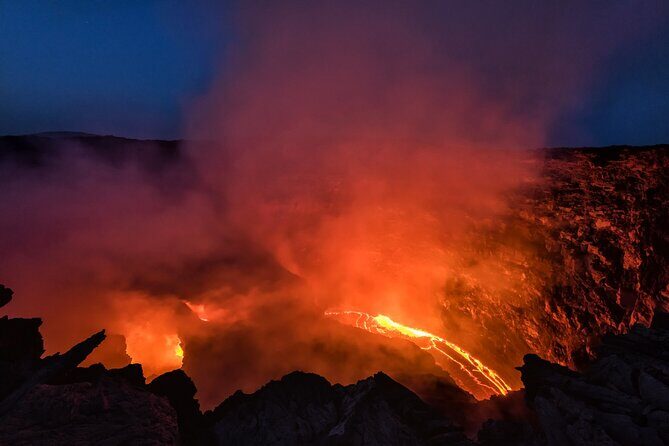
The Danakil Depression is part of Ethiopia’s wider Afar Depression system, where Earth’s plates are slowly pulling apart. That geologic setup is the reason you get a place that looks less like a normal desert and more like another planet: hot ground, salt basins, acidic springs, and volcanic activity in different forms.
On this tour, you experience that weirdness in layers. Day 1 focuses on the volcanic side with Erta Ale, including a night near the caldera where lava glows. Day 3 shifts from lava to salts and chemicals in Dallol, where you’re surrounded by unusual salt domes and hot gas seeps. Between those two, Day 2 adds the human layer—people working salt in the area around Lake Afrera—plus natural hot springs where your body can pretend it’s not roasting.
You should know the tone of the trip is not comfort-first. It’s about being present in an extreme environment and getting the timing right: sunrise and nighttime views are the big moments, and that shapes the whole schedule.
A few more Ethiopia tours and experiences worth a look
Getting there: Semera start, Mekele pickup, and long-drive patience
This experience starts at the meeting point in Semera, Ethiopia, and it ends back at the meeting point. The tour also notes pickup offered in the morning from your airport or hotel in Mekele, which matters if you’re building your days around internal flights and getting to the right base town.
Expect driving days to be part of the deal. Even with asphalt road for portions of the route, you’re heading into a remote corner of northern Ethiopia. That means you’ll likely spend time in the vehicle before the fun starts, and your “vacation brain” should plan for bumpier stretches and slower progress once you’re closer to the geothermal zones.
If you’re the type who likes a tight itinerary with lots of breaks, this one is still doable—you just need to accept that the breaks will come because the schedule hits hot springs, meal stops, and overnight camps, not because you’re circling cafés in between.
Day 1 Erta Ale: 1-hour crater trek, camel cargo, and the lava-lake night
Day 1 is the heart of the trip for most people: Erta Ale. The day begins with a morning pickup (either from the airport or your hotel area in Mekele, depending on where you’re connecting) and a drive until you reach the vicinity of the volcano. You’ll get a small snack, then you set off on foot.
The trek itself is described as about 1 hour to the summit. That matters because it suggests a short effort, not an all-day slog. You’re not “climbing a mountain” in the traditional hiking sense. You’re moving to a spot where the reward is the caldera view and, in the evening, the lava lake.
One smart detail: your equipment and food are brought to the crater rim by camels. That means you’re not carrying everything yourself, which is a big deal in heat and dust. You still have to be ready for walking on uneven ground, but you don’t have to play pack-mule for the whole day.
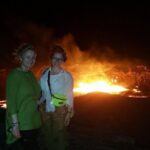
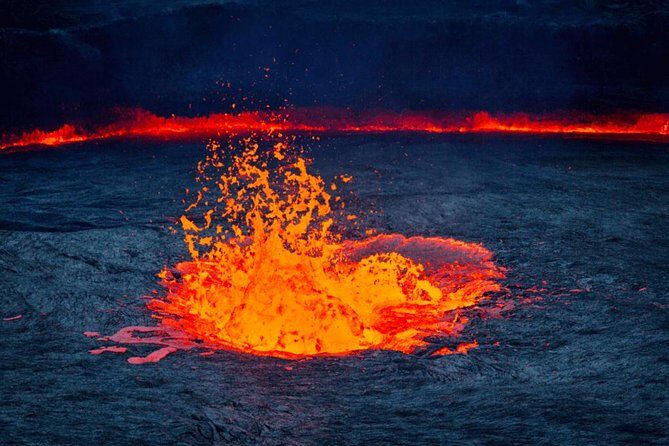
Then comes the best part: you spend the night at the crater rim with views of glowing lava. Erta Ale’s summit is only about a 1 km² caldera area, but that’s where the magic lives. The tour also notes Erta Ale is 613 meters high and about 30 km in diameter, and it’s famous for being the only permanent lava lake in the world.
Practical expectation: your photos will look fake because your brain will struggle to process what you’re seeing. Even if you’re not a big geology fan, the motionless glow is still dramatic. Bring gear you can manage at night, and keep an eye on your footing when you’re shifting around near the rim.
Day 2 Lake Afrera salt mining, hot springs, and the Hamed Ela camp night
Day 2 starts with a sunrise payoff. After the first night near Erta Ale, you get to see the lava lake area at first light before moving down. The tour describes a descent down to where the vehicles are parked, so you’re not stuck doing a long return hike.
Once you’re back with the vehicles, you continue on to Lake Afrera. This is where the trip adds more than just geology. You’ll admire the traditional way local people mine salt, and you also get time to refresh and recover in natural hot springs.
That hot-spring window is not just a nice bonus—it’s functional. Your body has been in a heavy heat environment for a day, and your legs have done the work of walking up and down near the crater. Hot water is one of the few things that can make you feel normal again for long enough to enjoy the rest of Day 2.
After that, you head to camp in Hamed Ela for the night. This is the middle beat of the rhythm: you’re no longer in volcano mode only, but you’re also not in Dallol’s salt-domed chemical world yet. Think of Hamed Ela as the staging area where you reset before the final day’s visual intensity.
Day 3 Dallol and Lake Assal: salt domes, fumaroles, acid colors, then back to Wukro
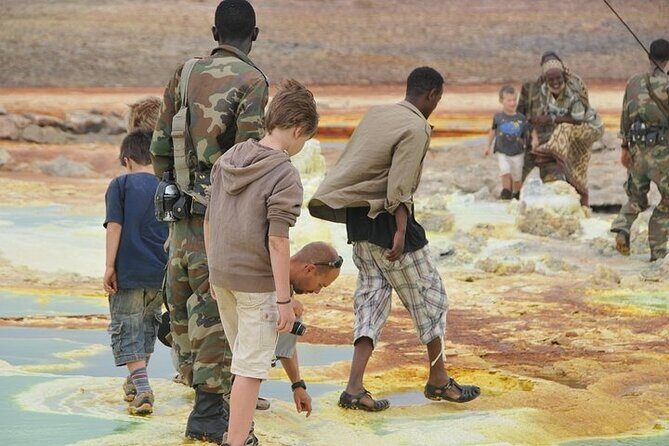
Day 3 is about shifting from lava and heat to salts, minerals, and chemistry. Early on, you explore the Dallol area and Lake Assal. Dallol is noted as being 116 meters below sea level, and it’s also described as one of the hottest places on Earth. That alone sets the mindset: you’re going into an environment where the ground itself looks like it has a personality.
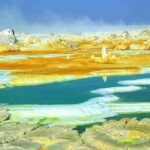
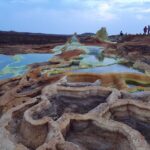
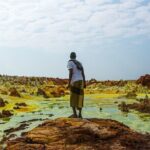
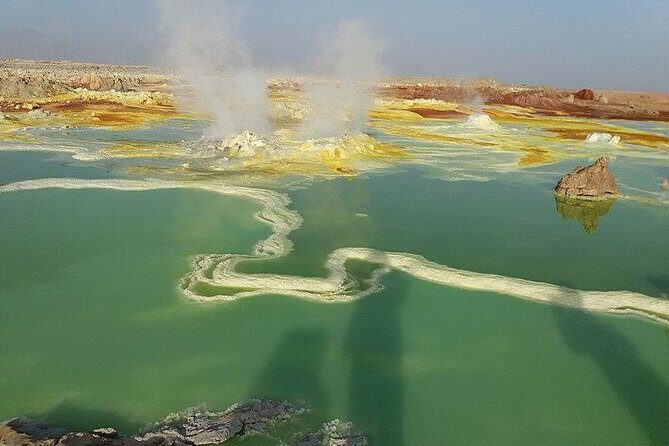
The tour explains Dallol’s volcano is buried under salt for several kilometers. What you see isn’t a neat cone like in many classic volcanic photos. Instead, you get bizarrely arched salt domes, hundreds of hot gas seeps (fumaroles), and acid lakes in different colors.
This is where the trip earns its reputation for feeling alien. It’s not just “pretty desert colors.” It’s an industrial-looking geology scene created by heat and minerals. Your best move here is to slow down and look. Don’t rush through the most dramatic parts; this is the kind of place where you’ll keep noticing new shapes once you stop walking.
In the afternoon, you leave the desert and drive back to the highlands near Wukro. Then you continue to Mekele. The tour notes another hour and a half drive after reaching that highland area, and depending on your plans you’ll be dropped at the airport or at your reserved hotel.
Meals, comfort, and what to pack for heat and dust
This tour includes a lot of the key logistics that usually stress people out on remote trips: breakfast (2), lunch (3), and dinner (2). That means you can focus on timing, hydration, and photos rather than spending the day hunting food options.
On the other hand, alcoholic drinks are not included, and tips are also not included. You’ll want to plan how you’ll handle small purchases and any extras you might want during the trip.
Comfort-wise, don’t picture plush lodging. You’re spending nights in the region’s camp setup, and you’re moving between geothermal zones. That calls for practical preparation:
- Wear breathable layers and bring something to protect your head from sun and dust.
- Pack water and keep access easy during walks; you’ll be moving in extreme heat.
- Bring closed-toe shoes with decent grip for rocky, uneven paths around crater areas.
- Have a camera plan that works in harsh light; sunrise and lava night are both strong lighting moments.
- Consider lightweight gloves or cloth for handling gear if dust is an issue for you.
If you’re sensitive to heat, take that seriously before you go. You don’t want your trip to become a constant fight with your body.
Price and value: $300 for food, entry, and a small group
At $300 per person for about three days, the value here isn’t just the sticker price. It’s what you get bundled into that number: multiple meals, and access/tickets tied to specific days.
The itinerary mentions an admission ticket included for the Erta Ale portion (noted as 1 hour), while Day 2 includes a ticket free item (noted as 4 hours). Even with details varying by the exact stop, the key takeaway for you is that you’re not paying for every single entry point separately while you’re already in a tough-to-reach region.
Also, max 6 travelers changes the feel of the trip. In places like Danakil, small group size isn’t just a comfort perk. It can mean more time to ask your guide questions, easier movement during sunrise and sunset moments, and less wasted time when someone needs a breather.
If you’re comparing this to other Ethiopia tours that are cheaper on paper but require you to handle meals, entries, and logistics yourself, the $300 can look more reasonable. The trip is remote enough that bundled organization is a real cost saver.
Guides and communication: Alexo, Tegegn, and Andualem matter
Good guides can make a harsh place feel manageable. Several experiences linked to Ethio Target Tours highlight friendly staff and strong communication. Names that show up include Alexo and Tegegn, plus another trip led by Andualem.
What I’d take from those mentions: you’re not just buying transportation. You’re getting people who help you understand what you’re seeing and keep the schedule moving. In Danakil, the timing is everything—sunrise over the lava, then a descent, then a shift toward salt work and hot springs, and finally Dallol’s early exploration.
Small group tours also tend to rely on guides for pacing decisions. If someone’s feeling the heat, the guide can help you adjust without turning the day into chaos. That’s the practical side of why those human details matter.
When weather affects Danakil plans
This experience explicitly requires good weather. That’s not surprising—visibility, safety, and travel conditions in a harsh region can shift fast. The good news is the policy described means if poor weather cancels the experience, you’ll be offered a different date or a full refund.
For you, the real strategy is to plan with some breathing room. If you’re visiting northern Ethiopia with tight flight connections, consider building in buffer time around your Danakil dates so you’re less likely to get stuck if conditions change.
Should you book this 3-day Danakil Depression tour?
If you want a once-in-a-lifetime Ethiopia trip that actually earns the hype, I think this is a strong choice. Erta Ale’s permanent lava lake night is a rare experience, and Dallol is unlike almost anything else people do in Africa. Add Lake Afrera’s salt mining and natural hot springs, and you get both the human and the geothermal stories.
Book it if:
- You’re ready for extreme heat and dust.
- You like early starts for sunrise moments.
- You value a small group and included meals.
- You want real organization instead of DIY logistics in a remote area.
Skip it (or ask more questions first) if:
- You’re not comfortable with long travel days and walking in harsh conditions.
- You need a trip that’s always predictable regardless of weather.
For the right traveler, this tour is about seeing the planet in a way few places allow. It’s not a routine sightseeing loop. It’s science, survival, and wonder, all in three days.
FAQ
How long is the 3 Days Danakil Depression tour?
The duration is listed as 3 days (approx.).
What does the tour cost?
The price is $300.00 per person.
Is pickup included?
Pickup is offered. The tour notes morning pickup from the airport or your hotel in Mekele.
What meals are included?
The tour includes breakfast (2), lunch (3), and dinner (2). Tips and alcoholic drinks are not included.
How many people are in the group?
This tour/activity has a maximum of 6 travelers.
Does the tour run year-round regardless of weather?
The experience requires good weather. If it’s canceled due to poor weather, you’ll be offered a different date or a full refund.