REVIEW · DIRE DAWA
2 Days Harar Tours
Book on Viator →Operated by Danakil Depression Tours · Bookable on Viator
Harar can feel like walking into yesterday. This 2-day Harar tour from Dire Dawa mixes old city lanes, memorable museums, and the daily hyena feeding ritual.
I love the way the itinerary is built for real moments, not just photo stops. You’ll spend time in the walled old city with colorful houses and mosques, then head to the hyena feeding where local men bring meat outside the walls.
One thing to plan for: it’s a walking and viewing trip. The streets are narrow, and you’ll be out exploring around markets, gates, and museum areas, so comfy shoes matter.
In This Review
- Key highlights you’ll actually feel
- Why Harar and Dire Dawa work so well in 2 days
- Price and logistics: what you’re really paying for
- Day 1 in Harar: old city walls, colorful lanes, and the hyena feeding
- Sheriff Museum, Rimbaud House, and the cultural center on a walking day
- Day 2: Babile Camel Market and the Valley of Marvels
- Koremi on the return: a quieter, older-feeling stop
- Photography tips: Harar is made for cameras
- Safety and comfort: what to expect with the way the tour is run
- Who this tour is best for
- Should you book the 2 Days Harar Tour?
- FAQ
- Where does the tour start and end?
- What time does the tour begin?
- How long is the tour?
- What is the price?
- What’s included in the tour price?
- What is not included?
- How big is the group?
Key highlights you’ll actually feel
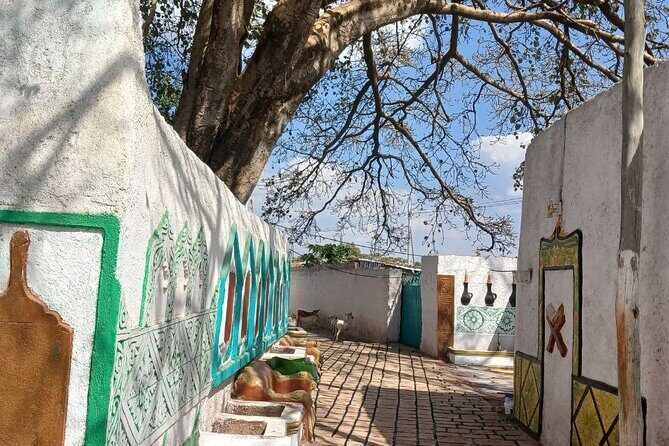
- Jegol wall, gates, and old-city lanes: the city’s defensive ring is still a big part of how you experience Harar today
- Sheriff Museum and Ras Teferi connection: you’ll visit a site tied to the former Ras Teferi honeymoon house
- Rimbaud House stop: a culture-focused break in the middle of walking and street scenes
- Hyena feeding ritual with hyena feeders: you’ll watch the daily practice at the designated spot outside the city walls
- Babile Camel Market timing: it happens Monday and Thursday, so your schedule can change depending on the day
- Valley of Marvels balancing rocks: big views built around the odd-but-real rock formations
Why Harar and Dire Dawa work so well in 2 days
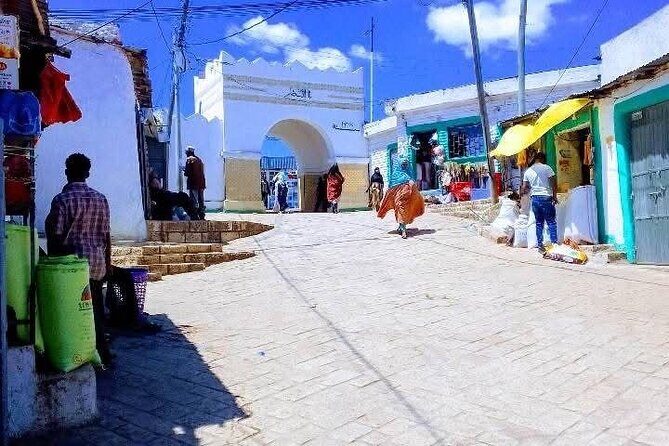
Dire Dawa is a practical launch point, and Harar is a world of its own. Harar is an ancient trade center with a protected old core: the original wall, Jegol, was built in the 1560s by Emir Nur to defend the city from constant aggression. Today, you still move through Harar’s narrow lanes inside the older circuit, plus a newer extension outside it, with five gates guiding the flow into the old city.
What makes this tour interesting is that it doesn’t treat Harar like a museum you’re rushed through. You get a full city walk day, not just a quick drive-by, and you also get a second day that takes you beyond the walls to Babile and the Valley of Marvels.
Value-wise, you’re paying for time on the ground plus guided interpretation. The tour includes air-conditioned transport, pickup and drop-off at Dire Dawa International Airport, and entry fees for the hyena feeding and museum sites. For many visitors, that combo is the difference between “I saw places” and “I understand what I saw.”
A few more Dire Dawa tours and experiences worth a look
Price and logistics: what you’re really paying for
The price is $300 per person for about 2 days. That includes meals (dinner and breakfast, plus two lunches), an air-conditioned vehicle, pickup and drop-off, and admission fees for the sites on your route. It also includes government tax.
What’s not included is any domestic flight. The day-one flow starts at Dire Dawa Airport, so you’ll want to line up your own flight timing into Dire Dawa. If you’re coming from Addis Ababa, confirm how you’ll get there before you lock in your plan.
Group size is kept to a maximum of 15 travelers. That matters more than it sounds, because the walking in Harar is tight. With smaller groups, you can actually hear the guide, keep pace, and get photos without turning the street into a human traffic jam.
Day 1 in Harar: old city walls, colorful lanes, and the hyena feeding
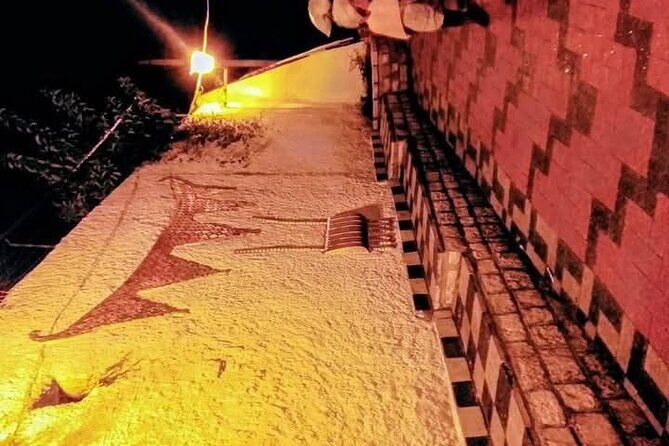
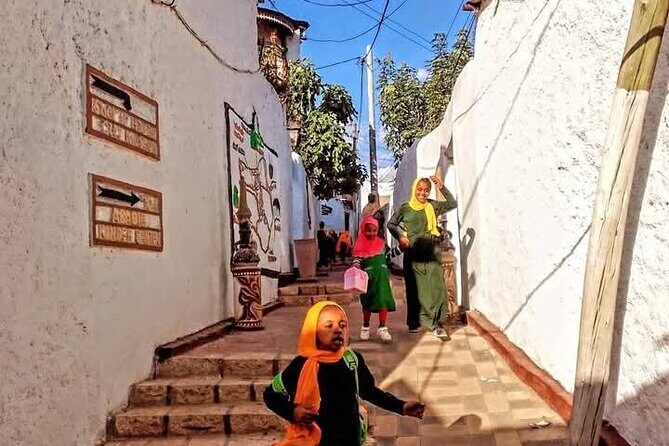
Day one is the heart of the Harar experience. After pickup and check-in time in Harar, you head out for a city tour on foot. Harar’s streets are famously narrow, and that’s part of the point: you’re not just looking at landmarks, you’re moving through the living pattern of the city.
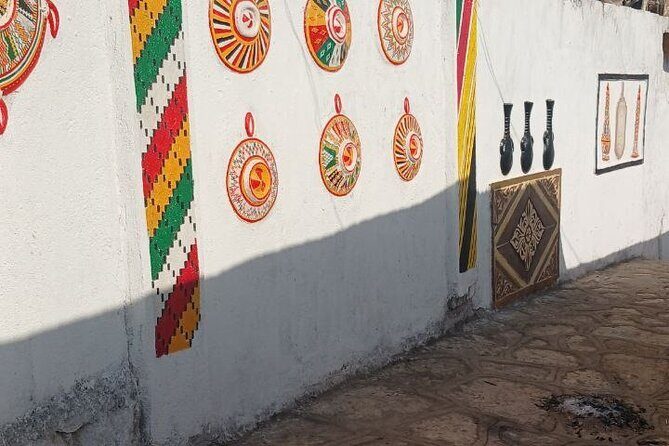
You’ll walk past colorful houses, plus the mosques and shrines that shape daily life. The old city feel comes from details like the way homes sit tightly along alley paths, and how the gates and wall define movement. Harar has a reputation for welcoming visitors, and you can feel that in how people interact around markets and public spaces.
The itinerary also builds in interpretation. You’ll visit the Sheriff Museum, the Rimbaud House, and the Harari National Cultural Center. It’s not a random museum checklist; it’s a chance to connect street scenes to stories and context.
Then comes one of Ethiopia’s most talked-about experiences: the hyena feeding ritual. This is done daily and involves local men called hyena feeders, who gather at a designated spot just outside the city walls with meat to offer. The hyenas are formidable predators, but the practice is run as a calm, organized interaction that has long coexisted with people in Harar.
In practical terms, your guide sets the pace and shows you where to stand. This is also where your group’s size helps: you’ll be able to watch without elbowing for position.
Sheriff Museum, Rimbaud House, and the cultural center on a walking day
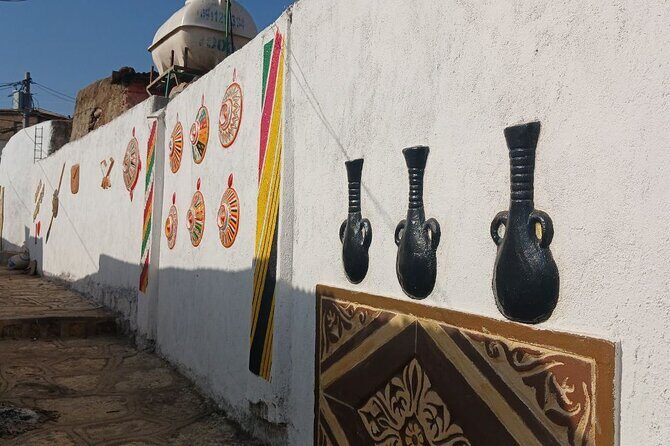
The museums here work best when you treat them like pauses in a long walk, not like ticketed homework. I like how your route places these stops right inside the Harar fabric, so you’re not traveling across town just to see one building.
Sheriff Museum is listed as the former Ras Teferi honeymoon house. That tidbit alone changes how you look at the building: you stop thinking of it only as a display space and start noticing the layers of personal and historical meaning.
Next is the Rimbaud House. Even if you’re not obsessed with literary history, it still functions as a useful “human-scale” break. It helps you understand why Harar draws people in—there’s a sense of place strong enough to attract artists, travelers, and scholars across eras.
The Harari National Cultural Center rounds out the day by focusing on local culture. Combined with the street walk and market time, it turns Harar from scenery into something you can sort through in your head.
Your day also includes a local market stop. Markets can be chaotic, but that’s exactly why they’re valuable in Harar. Here, market energy blends with the city’s architecture—so you see how trade and daily life still move through the same old spaces.
Day 2: Babile Camel Market and the Valley of Marvels
Day two starts with a drive out of Harar toward Babile and the Valley of Marvels. Babile is known for its camel market, which happens every Monday and Thursday. If your timing lines up, this is a big cultural show: Somali and Oromo farmers walk to Babile to sell camels, goats, and cattle.
If your departure day doesn’t match a market day, the plan adapts. The tour notes that if it’s not market time, Babile may not be worth the stop. In that case, you’ll place more emphasis on the landscape and return-route highlights.
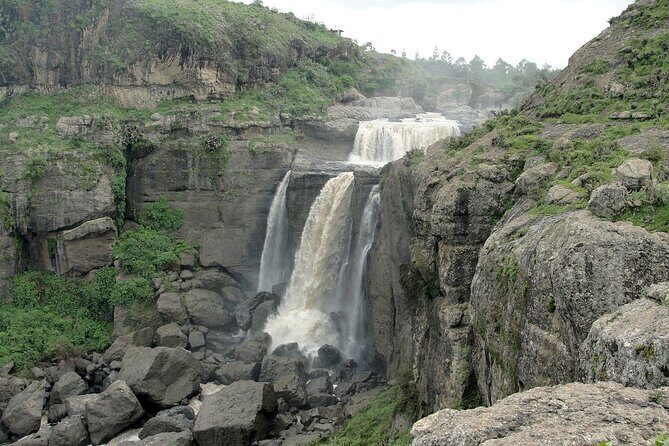
After Babile, you drive further to the Valley of Marvels, known for balancing rock formations. The rock shapes are the kind you stare at because your brain wants to “fix” the physics. That’s the payoff. You see big stone formations that appear to sit on tips, and you realize why this area gets its reputation.
It’s also a good day for photos that aren’t just “people in front of walls.” The rocks give you texture, scale, and a totally different visual rhythm from Harar’s tight alleys.
Koremi on the return: a quieter, older-feeling stop
On the way back toward Dire Dawa, you’ll visit Koremi. Koremi is described as a village older than Harar, with stone houses built in an older style.
This stop matters because it gives your second day another type of context. After Harar’s enclosed old-city feeling and the open landscape of the valley rocks, Koremi feels slower and more rooted. You don’t just move between attractions—you get the sense of a region with layers, not one single highlight.
Photography tips: Harar is made for cameras
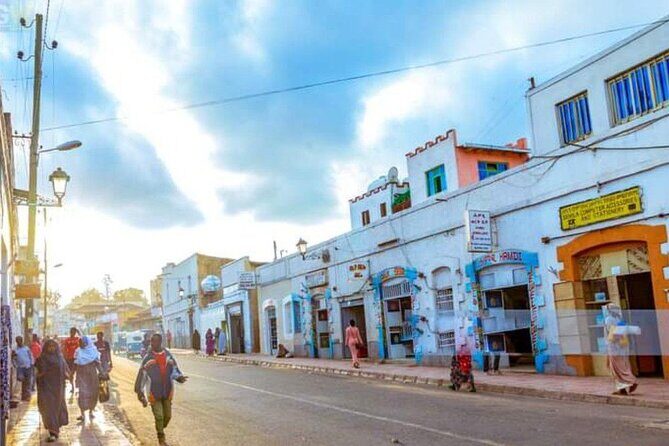
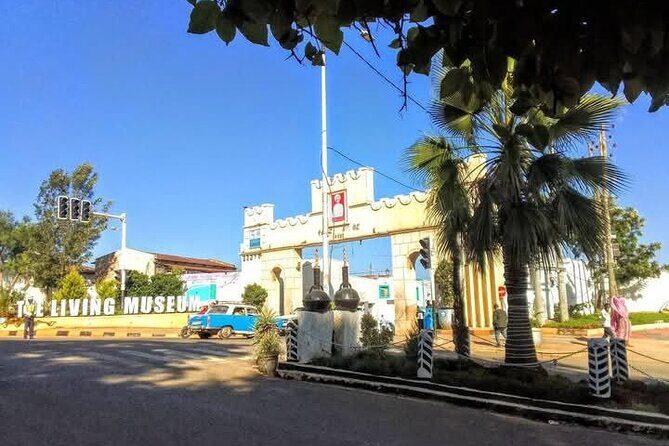
If you like photography, you’ll probably come back with a full memory card. Harar is described as extremely photogenic, and it’s easy to see why. The mix of culture and color gives you strong subjects at every angle: narrow alleys, street life, markets, and the city-gate activity that frames the flow in and out.
One specific detail mentioned is the presence of older Peugeot cars in the scene. That kind of everyday object adds realism. It’s not a staged setting.
My practical suggestion: prioritize people scenes and street textures early in the walk, then save wide angles for when the light opens up. The city’s tight layout can make it hard to move, so plan for where you want to stop before you start shooting like a maniac.
Safety and comfort: what to expect with the way the tour is run
From the experience descriptions, the tour is set up to feel safe and well managed. Guides are described as friendly, informative, and accommodating, and the structure—airport pickup, hotel check-in time, scheduled city walk, and a guided hyena feeding observation—keeps you from feeling lost.
Guide names that have come up include Alex, Mickey, and Tilahun. If you end up with one of these guides, you’ll likely appreciate a calm approach: walking at a human pace, explaining what you’re seeing, and adapting to your group.
You should be prepared for walking on uneven and narrow streets. The good news is that participation is framed as flexible: it’s described as doable for different ages as long as you can walk.
Who this tour is best for
This is a strong fit if you want a compact trip with real variety: city culture plus rural landscapes. It’s also good if you like learning why a place is the way it is, not just collecting stamps.
You’ll enjoy it most if you care about:
- street-level culture and markets
- photography with character (not just views)
- seeing Harar’s relationship with the hyena feeding tradition
- a second day that gets you out to Babile and the rock formations
If you hate walking or you expect a low-contact, drive-only experience, this might feel like too much time on foot. The city is built for people moving through tight spaces.
Should you book the 2 Days Harar Tour?
I’d book it if you want a high-impact Harar introduction without spending weeks piecing together transport, guides, and entry fees. The hyena feeding ritual, the walled old-city walk, and the combination of Babile plus the Valley of Marvels are a practical set of experiences for a short window.
I’d think twice if you’re trying to minimize walking, or if your schedule depends on Babile’s camel market happening on your exact day. The tour can adapt if it’s not market day, but the camel market is the reason that first part of day two can be such a standout.
Bottom line: if you like culture you can see from close range, plus one unforgettable wildlife-adjacent tradition, this 2-day Harar plan is a solid value for your time.
FAQ
Where does the tour start and end?
The tour starts at Dire Dawa International Airport (JV75+452, Dire Dawa, Ethiopia) and it ends back at the same meeting point.
What time does the tour begin?
Start time is 9:00 am.
How long is the tour?
It’s listed as 2 days (approximately).
What is the price?
The price is $300.00 per person.
What’s included in the tour price?
Included are dinner, breakfast, two lunches, an air-conditioned vehicle, pickup and drop-off, entry fees for the hyena man feeding, entrance fees for museums and Harar sites, and government tax.
What is not included?
Domestic flight is not included.
How big is the group?
The tour has a maximum of 15 travelers.