REVIEW · ADDIS ABABA
Walking Tour of Addis Abeba – Discover Addis the Authentic way
Book on Viator →Operated by Aspire Ethiopia Tours · Bookable on Viator
Addis reveals itself best on foot. This private day strings together the Mercato open-air market, time for the Zoma Museum, coffee with a ceremony option, and a memorable finish at Meskel Square.
I like how the guides treat you as a real part of the city. When I hear names like Beki or Gashaw in the mix, what stands out is the way they share how people live, not just what buildings look like.
One thing to plan for: this is a long, outdoor-feeling stretch built around walking and moving through busy areas. If you hate crowds or want a big sit-down lunch, the day may feel a bit intense since lunch isn’t included.
In This Review
- Key Points You’ll Care About
- Why This Addis Ababa Walking Day Feels More Like Local Life
- Mercato Market: More Than a Big Open-Air Shopping Stop
- Zoma Museum Break: A Quieter Side of the City
- National Museum of Ethiopia: Lucy, Then a Walk Toward Central Addis
- Coffee at Tomoca or a Traditional Ceremony: One of Addis’s Best Ideas
- Tiglachin Memorial: Learning Through a Peace-and-War Story
- Meskel Square: Your Day Ends With Space to Walk and Snack
- Price and Logistics: Does $70 Feel Fair?
- Getting Around Without Getting Wrecked
- Who This Tour Fits Best
- Should You Book This Tour?
- FAQ
- FAQ
- How long is the walking tour in Addis Ababa?
- What’s included in the price?
- Is pickup offered?
- Is the tour private?
- Does lunch come with the tour?
- What is the cancellation policy?
Key Points You’ll Care About
- Mercato with structure: You’ll hit spice, incense, coffee/cereals, and even the recycling areas, not just the loudest corners.
- Zoma Museum time: A slower, less common stop that adds context beyond the usual sights.
- Coffee choice: Taste Ethiopia at Tomoca Coffee (Atlas branch) or do a traditional coffee ceremony.
- Real pacing for a private tour: You’re not trapped in a rigid group schedule; the route can include short hops by local transport.
- National Museum included: You get admission time at the Ethiopian history anchor and a walk toward Piassa and the Menelik II Zero Kilometer area.
- A strong finish: Meskel Square, a public-gathering hub, is where the day ends with space to wander and snack.
Why This Addis Ababa Walking Day Feels More Like Local Life
If you’ve only driven through Addis Ababa, you might miss the small signals that tell you what the city is like. This tour is built around contact: sights you see up close, smells you notice, and the rhythms of daily life that make markets and memorials more than just photo stops.
I also like that it’s not one long museum parade. You get a mix of motion (market lanes, walking between areas) and pauses that actually help the day make sense. And because it’s private with a maximum of 10, it stays flexible if the pace of the street changes.
A final plus: you’re not just learning facts. You’re getting context for why people do what they do—especially in the market and around coffee, which is treated like a living tradition rather than a tourist activity.
You can also read our reviews of more walking tours in Addis Ababa

Mercato Market: More Than a Big Open-Air Shopping Stop

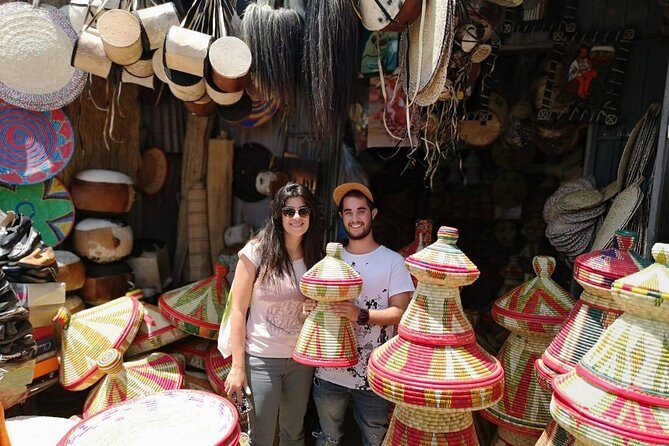
Mercato is the kind of place where your brain has to adjust. It’s loud, crowded, and layered—part market, part working neighborhood. It can feel like a maze if you go alone. With an experienced guide, it becomes a map.
This stop is designed to show you how Mercato functions, not just what you can buy. You’ll spend about 1 hour 30 minutes in the market and get time in areas like:
- the spice market
- incense
- coffee and other cereals zones
- sections tied to recycling
- the busy food/prep corners, including odd-seeming setups that make sense once someone explains the workflow
One practical heads-up: Mercato’s ticket is not included, so you should expect a separate admission cost on the day. Still, the value is in how your guide moves you through the market’s roles—so you’re not wasting time wandering randomly.
Zoma Museum Break: A Quieter Side of the City

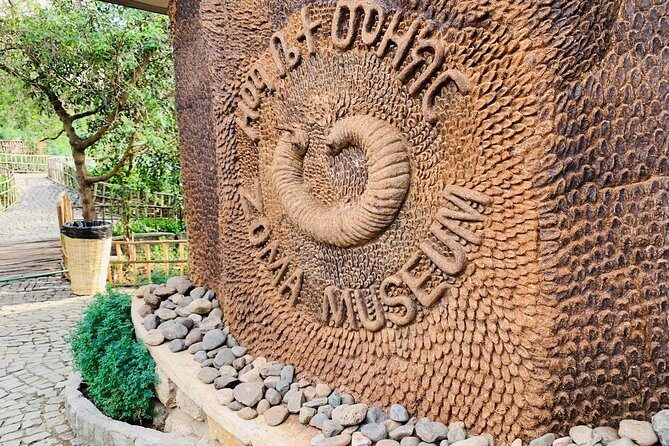
Right after a market, your feet (and your senses) might need a breather. That’s where the Zoma Museum fits well. It’s described as a lesser-known stop, and that matters in Addis, where the most famous sights can sometimes swallow the day.
I like the idea of building in a museum pause that isn’t the headline list. The result is balance: you get street life at Mercato, then a more reflective stop before the day pivots toward major cultural anchors.
Because you’re on a private schedule, this part also helps you reset. If you’re tired from outdoor walking, the tone of the day changes in a way that doesn’t feel like you’re rushing.
National Museum of Ethiopia: Lucy, Then a Walk Toward Central Addis

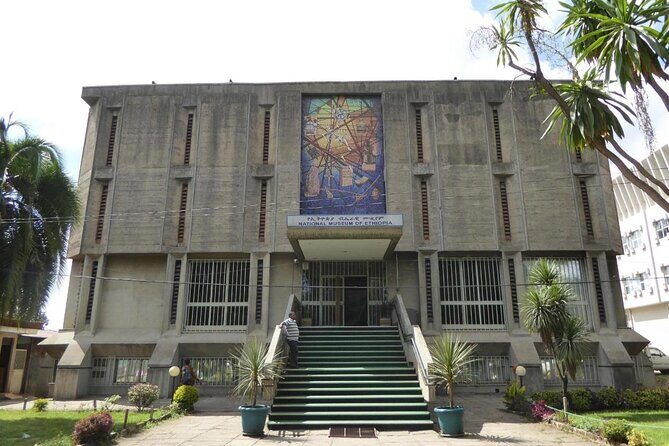
After the market and museum break, the tour shifts to a major cultural marker: the National Museum of Ethiopia. This is where you’ll get a solid introduction to Ethiopian history and culture, and it includes admission on the day.
The highlight here is the display of Lucy, described as the most complete human ancestor skeleton. Even if you’ve read about Lucy before, seeing how it’s presented on-site helps the story feel more real.
When the museum time ends, you’ll keep moving. The plan includes walking down toward Piassa and passing the King Menelik II Statue at the heart of the city, where people refer to the Zero Kilometer point.
This is a smart transition. It turns a museum visit into a sense of place. You’re not only learning history; you’re also walking through the city’s layout afterward, so the afternoon has a different feel than the morning.
Coffee at Tomoca or a Traditional Ceremony: One of Addis’s Best Ideas

In Addis, coffee isn’t just a drink. It’s a moment. That’s why this tour gives you a real choice, and either way, you get the benefit: you taste Ethiopia with context.
You’ll spend about 40 minutes at Tomoca Coffee (Atlas branch), one of the older coffee shops, with admission included. If you’d rather do something more ritualized, you can choose the typical Ethiopian coffee ceremony at a convenient place instead.
Here’s why this matters: the coffee stop is timed as an in-between break, so it works as a reset during the day. You’re walking, then you slow down, and you get something you can actually compare to what you’ve had back home.
Coffee is also included in the tour cost. That’s not just a perk—it can soften the day financially, since coffee in busy city areas can add up fast when you’re moving around.





Tiglachin Memorial: Learning Through a Peace-and-War Story
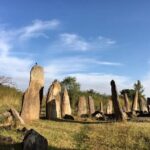
Next comes Tiglachin Memorial, described as the only standing memory of Ethiopia’s 17 years of Socialism in the country. It’s also the Ethio-Cuba friendship monument, built to commemorate Cuban soldiers who died during the Ethio-Somalian War, and to reflect Ethiopia’s defense of its sovereignty.
This stop is shorter (about 30 minutes), but it adds an important layer to a day that started in market life. Markets show how people trade and cook and live. Memorials show what people fought for, and what the city remembers.
Just know admission is not included for this stop. It’s still worth budgeting for, because it’s the kind of site that gives a visitor context for the city beyond postcard scenes.
Meskel Square: Your Day Ends With Space to Walk and Snack

Meskel Square is the tour’s big open-air finish. It’s described as the largest open-air area inside Addis Ababa and used for public gatherings—festivals, concerts, protests, and more.
The square is newly renovated to make walking and sitting easier, which is a practical win at the end of a long day. You’ll have about 45 minutes here, and admission is included.
This is also where the day shifts into lighter mode. The square is described as a place for trendy street foods, and it’s often called the Ethiopian Time Square, meaning it’s where people come to hang out, watch, and pass time.
If you want an easy final win, this is it. You get time to meander without feeling like every minute must be educational. And if you’re hungry, you’ll likely find something street-side to round out the day since lunch isn’t included earlier.
Price and Logistics: Does $70 Feel Fair?
At $70 per person for about 6 hours 30 minutes, this tour is priced like an experience that mixes guided time, key stops, and entry fees that aren’t all optional.
Here’s what your money is buying:
- A private format with flexibility and a group limit of 10
- Guided access to major points around the city, plus time in markets where a guide makes a difference
- Coffee and/or tea included
- Admission included for some stops (like the National Museum and Meskel Square, and the coffee stop)
- Pickup offered, plus a mobile ticket
What’s not included is also important:
- Lunch isn’t included
- Mercato admission is not included
- Tiglachin Memorial admission is not included
So the value question comes down to your priorities. If you want a guided day that puts you in the right places without planning every transit step, $70 can feel fair. If you prefer spending your own time in markets solo and you plan to buy coffee and tickets anyway, you might find cheaper options.
But the key point is this: navigating Mercato without help can eat up energy fast. The tour’s design leans into the places where a guide’s structure adds real value.
Getting Around Without Getting Wrecked
This is a walking tour, but it’s not a suffer-fest. The day is described as a mix of walking and moving between areas, and in real use you may see short hops using local transport options like a donkey van, taxi, rideshare, or a street bus.
That matters because Addis has a pace that can’t be captured by one mode of travel. Sometimes walking gets you the closest view. Sometimes a quick local ride saves your legs for the next stop.
The tour is also said to be near public transportation, which is useful if you’d rather not rely completely on pickup.
What I’d pack mentally: this is an outdoor-heavy day. Wear shoes you trust, carry water if you normally drink often, and plan for a bit of standing time in markets and memorial areas.
Who This Tour Fits Best
This works especially well if you:
- want a guided overview of Addis that doesn’t feel like a checklist
- enjoy markets and want more than surface shopping
- like cultural context, especially around coffee
- prefer private pacing so you can move at your comfort level
It might be less ideal if you:
- need long, uninterrupted museum time
- hate crowds and tight market lanes
- expect lunch to be handled for you (it isn’t)
Should You Book This Tour?
Yes, if you want your Addis day to feel like you’re meeting the city, not passing by it. The strongest argument is the mix: Mercato + Zoma Museum + coffee choice + major cultural anchors + a relaxed open-air finish.
If you’re the type who likes asking questions—about daily habits, history, and what you’re seeing—this kind of private structure pays off fast. And if you want a simple day where the big decisions are already made, $70 plus included coffee can be a solid deal, as long as you budget for the stops with separate admissions and skip the expectation of lunch being included.
FAQ
FAQ
How long is the walking tour in Addis Ababa?
The tour runs for about 6 hours 30 minutes.
What’s included in the price?
Coffee and/or tea are included. Some admissions are included too, such as the National Museum of Ethiopia and the Meskel Square stop, plus entry for the coffee stop. Mercato and Tiglachin Memorial admissions are not included.
Is pickup offered?
Yes, pickup is offered.
Is the tour private?
It’s private, with a maximum of 10 travelers.
Does lunch come with the tour?
No, lunch isn’t included.
What is the cancellation policy?
Free cancellation is offered up to 24 hours in advance for a full refund. If you cancel less than 24 hours before the start time, the amount paid isn’t refunded.