REVIEW · JINKA
From Arba Minch: 4-Day Omo Valley Tribal Guided Tour
Book on GetYourGuide →Operated by lucy Ethiopia Tours · Bookable on GetYourGuide
The Omo Valley hits you fast. A tribal-guided, private 4-day trip from Arba Minch (or with pickup via Addis Ababa) pairs unforgettable people encounters with serious planning, so you’re not stuck figuring logistics. I especially like the focus on multiple tribes (Mursi, Karo, Hamer/Hammer, and Desanech) and the chance to see traditions like the Mursi women’s lip plates in a guided, contextual way.
One thing to keep in mind: this part of Ethiopia is intensely human and often visually striking, so go in with patience and a respectful attitude about how photos, questions, and boundaries work.
You’ll also be dealing with travel days, long drives, and outdoor timing. The tour’s strengths are its ground transfers plus accommodation with breakfast, which keeps energy for the days you’ll be out and about (sunset views, early sunrise time, markets, and visits). The trade-off is that meals and drinks beyond breakfast are on you, so budget for lunches and dinners as part of the real cost.
In This Review
- Key things to know before you go
- From Arba Minch and Addis Ababa: how pickup shapes the trip
- English-speaking local experts: what that changes in the Omo Valley
- Day 1: pickup and your first Omo Valley sunset views
- Day 2: Mursi village visit and the lip plate tradition
- Day 3: Hammer weekly market, traditional dances, and ceremony season
- Day 4: Karo and Desanech culture plus Dorze Village entry
- Accommodation with breakfast: the comfort baseline you should expect
- Timing, transfers, and the real cost picture
- Who this tour fits best (and who should rethink it)
- Should you book this Omo Valley Tribal Guided Tour?
- FAQ
- What are the pickup options for this 4-day tour?
- Is the tour private or shared?
- What language is the guide?
- What is included in the price?
- What is not included?
- How long is the tour?
Key things to know before you go
- Private group means a calmer pace: it’s easier to ask questions, and your guide can adapt timing to the day.
- English-speaking local guidance: you’re not just looking at faces and scenery; you’re getting context for daily life and rituals.
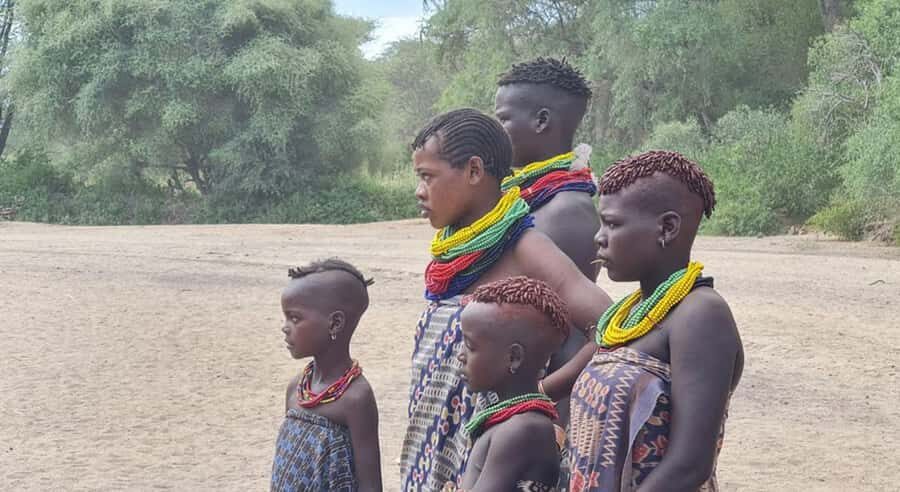
- Tribe-focused visits: Mursi village visits, Karo/Hamer/Desanech introductions, and the weekly Hammer market all fit together.
- Seasonal ceremony timing can matter: you may get special access to events like the Hamar Bull Jumping if it’s running during your dates.
- Sunrise and sunset are built in: plan for early mornings and evening viewing time as part of the experience.
From Arba Minch and Addis Ababa: how pickup shapes the trip
This tour gives you two practical pickup options: Arba Minch Airport or Addis Ababa Bole International Airport. That choice matters because it sets the tone for your whole 4 days. If you start from Arba Minch, you’re likely to spend more time in the Omo Valley itself rather than transitioning through Ethiopia’s road network. If you start from Addis Ababa, you’ll probably spend more of day one on the move and treat the trip like a mini journey, not just a site-hopping circuit.
Either way, you’ll be in good hands with all ground transfers included, which is a big deal in Ethiopia. It reduces the usual stress: less negotiating, fewer moving parts, and fewer chances for delays to spiral. You also get the benefit of staying with one organized team from pickup through drop-off, with Arba Minch or Addis Ababa as your return points.
You can also read our reviews of more tours and experiences in Jinka.

English-speaking local experts: what that changes in the Omo Valley

In the Omo Valley, context is everything. A guided experience is not just about translation—it’s about understanding what you’re seeing and why it matters to people living there. The tour is led by an English-speaking guide, and the goal is clear: help you connect traditions, rituals, and daily life to the bigger picture rather than treating everything as a photo stop.
I also like that the tour leans into “local expert” thinking. With guides who can explain background and cultural meaning, you’ll get more out of conversations in and around villages and markets. One strong sign of how Lucy Ethiopia Tours operates is that communication is described as clear and friendly before departure, and people report a warm airport welcome by a local guide on arrival in Ethiopia’s cities.
If you’re worried you’ll feel out of place, that guide support is exactly what helps you get your bearings fast—how to behave, what questions are best, and how to read the mood of a community gathering.
Day 1: pickup and your first Omo Valley sunset views
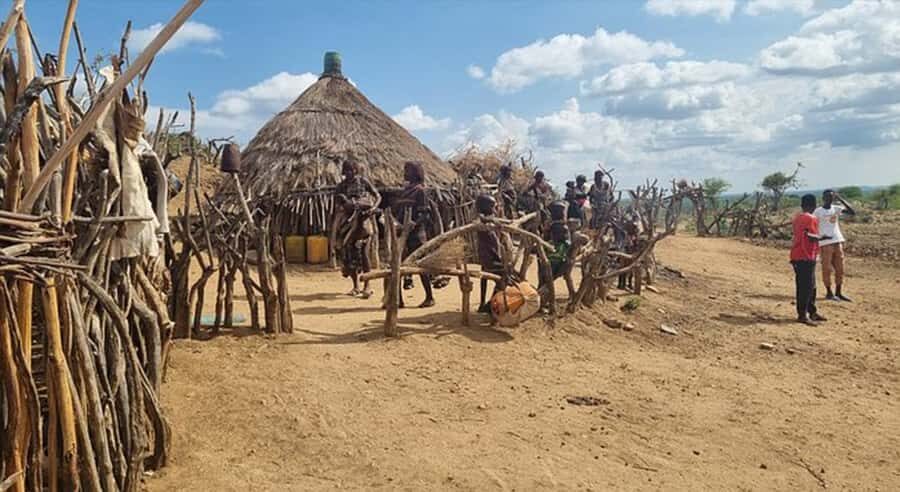
Day one starts with your pickup—either Arba Minch Airport or Addis Ababa Bole International Airport—and then the journey into the Omo Valley begins. Expect travel time, but the tour is designed so you’re not stuck driving without payoff. You’ll get scenic views on the way, plus a sunset component and a guided start once you’re in the region.
The value of this first day is twofold. First, sunset timing is often when your brain stops racing and you finally feel the place. Second, it helps you ease into a multi-day rhythm: you’re out, you’re observing, and you still have your energy intact for the next morning.
Practical note: sunset days tend to be long. Even if everything is planned well, you’ll still be outside at a less predictable hour than a typical sightseeing day. Pack for shifting conditions (warm layers for early/late hours and sun protection for daytime).
Day 2: Mursi village visit and the lip plate tradition
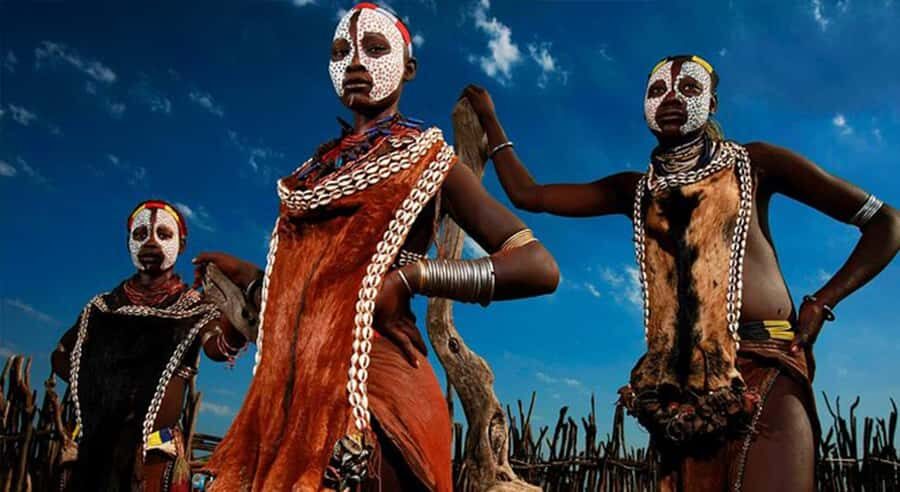
This is one of the tour highlights for a reason: a visit to a Mursi village, including a guided look at women’s lip plates. It’s one of those experiences that stays with you, because you’re seeing identity, tradition, and social meaning in a very direct way.
What makes a guided visit more worthwhile here is how the guide can frame what you’re noticing. Instead of treating body adornment like a novelty, you’re encouraged to understand its role in Mursi society. You’ll also be there with enough structure to keep the moment respectful and less chaotic than independent visits can become.
A gentle consideration: this is visually powerful material, and it can feel intense if you’re expecting a light, casual day. Go in calm. Keep questions thoughtful. And if someone’s not comfortable with photos, respect it immediately—your guide will help you follow local expectations.
Day 3: Hammer weekly market, traditional dances, and ceremony season
Day three is built around the Hammer tribe’s weekly market, plus traditional dances. Markets are where the Omo Valley often feels most alive in day-to-day terms: people trading, moving, chatting, and showing how community life runs beyond ceremonies. A weekly market visit is usually the best place to notice patterns—how food, tools, clothing, and social networks intersect.
You also get a strong chance to catch something seasonal. The tour mentions exclusive access to seasonal ceremonies like the Hamar Bull Jumping. That’s a huge reason people book this area with a guide rather than trying to time it alone. But remember: if your dates fall outside the ceremony window, you won’t count on seeing it. Still, the market plus dances give you plenty of cultural programming even on a non-ceremony week.
The real takeaway for you: a market day is not just entertainment. It’s an education in local priorities. You’ll likely come away with better instincts for what matters to people day to day: relationships, work, and community exchange. And because there’s a guide, you’re less likely to miss the meaning behind what looks like simply noise and movement.
Day 4: Karo and Desanech culture plus Dorze Village entry
By day four, the tour shifts from market energy into broader tribal variety. The tour highlights include the Karo and Desanech tribes, so you’re not stuck with just one community thread. That matters because the Omo Valley’s diversity is part of what makes it special: different groups have different customs, social rhythms, and ways of expressing identity.
One more included piece is Entry/Admission – Dorze Village. Having that admission covered is practical, because Dorze-related stops can sometimes require a separate payment or local arrangement if you travel independently. Here, it’s handled, and you can focus on the visit itself.
Where the last day shines is the contrast. After sunrise and sunsets, and after at least one big community gathering like the Hammer market, you’ll have a clearer sense of how each group fits into the region. You’re also set up to ask smarter questions. After a couple days of guidance, you start noticing what to look for—and your guide can point out the “why” behind the “what.”
Accommodation with breakfast: the comfort baseline you should expect
The tour includes accommodation with breakfast, which is a smart foundation. It means mornings start with something reliable, and you don’t have to hunt for food before your early outdoor moments. Since meals and drinks aren’t fully included (besides breakfast), breakfast becomes the anchor that keeps the days functioning.
What’s not included is also important: meals and drinks during the rest of the day are on you, and alcoholic drinks aren’t included. That doesn’t make the tour worse—it just helps you plan the real budget. You’ll want to keep a little extra cash aside for lunch, dinner, and any water or snacks you prefer.
In a place where timing can depend on community schedules, having one predictable meal helps you stay flexible without feeling drained.
Timing, transfers, and the real cost picture
Price for this 4-day Omo Valley Tribal Guided Tour is listed at $599 per person. For many visitors, that number will feel steep at first, especially because airfare isn’t included. But here’s where the value comes from: the tour includes all ground transfers, entrance fees, an English-speaking guide, accommodation with breakfast, and admission tied to Dorze Village.
When you break it down, the price is doing its job: paying for the difficult parts that can become expensive or risky when you DIY. In this region, transportation and local guiding are not “nice extras.” They’re the difference between an organized, respectful experience and a frustrating one.
Your main added costs to factor in are simple:
- Flights to Ethiopia (not included)
- Lunch and dinner (not included)
- Drinks beyond what you choose to purchase yourself
Also, be aware that you’ll be out during sunset and have sunrise time (listed as 30 minutes). That kind of early/late schedule affects your day more than a normal city tour. Bring patience and plan to follow the guide’s timing.
Who this tour fits best (and who should rethink it)
This is a good match if you want a structured, respectful way to see the Omo Valley’s tribal variety. It’s especially suitable for:
- You want a private group experience, not a crowded bus setup
- You care about cultural context, not only photos
- You want to visit multiple tribes—Mursi, Karo, Hamer/Hammer, and Desanech—without coordinating separate trips
It may be less ideal if you’re looking for a light, casual vacation with flexible half-days. The days are structured around community visits and set viewing times. Also, since you’re seeing traditions that can feel intense or unfamiliar, you’ll want to approach with openness rather than a checklist mindset.
One more note: the tour is described as attentive to wellbeing in the way Lucy Ethiopia Tours operates. People report that guides help with translation and cultural connection, and that the team pays attention to everyone’s comfort. That’s a good sign if you want human guidance, not just logistics.
Should you book this Omo Valley Tribal Guided Tour?
If your goal is a guided introduction to multiple Omo Valley communities—with an English-speaking expert and admissions handled—then I’d say it’s worth serious consideration. The strongest reasons to book are the private group format, the tribal coverage, and the included support that keeps the trip smooth on the ground: transfers, entrance fees, and lodging with breakfast.
You should think twice if you want full-day freedom to wander without schedule pressure, or if you’re uncomfortable with the emotional intensity that can come with seeing traditions up close. In that case, you might prefer a slower style trip with lighter commitments.
If you do book, treat the experience like meeting people, not collecting sights. Use your guide. Ask good questions. And budget for meals and drinks so you don’t feel stuck halfway through the week.
FAQ
What are the pickup options for this 4-day tour?
You can be picked up either at Arba Minch Airport or at Addis Ababa Bole International Airport.
Is the tour private or shared?
This tour is a private group.
What language is the guide?
The guide is English-speaking.
What is included in the price?
The tour includes all entrance fees, all ground transfers, an English-speaking guide, accommodation with breakfast, and entry/admission to Dorze Village.
What is not included?
Air tickets are not included. Meals and drinks are not included (alcoholic drinks are also not included).
How long is the tour?
The tour lasts 4 days.