REVIEW · JINKA
Omo valley Tour: Discover unique 0 century 🕛 tribes culture
Book on GetYourGuide →Operated by Omo valley Tour Guide · Bookable on GetYourGuide
Omo Valley hits fast. This tour links Omo Valley tribes culture with national-park scenery, moving from Jinka through Turmi and back again on the last day. I like how the plan mixes face-to-face village visits, a major market day, and time in protected areas.
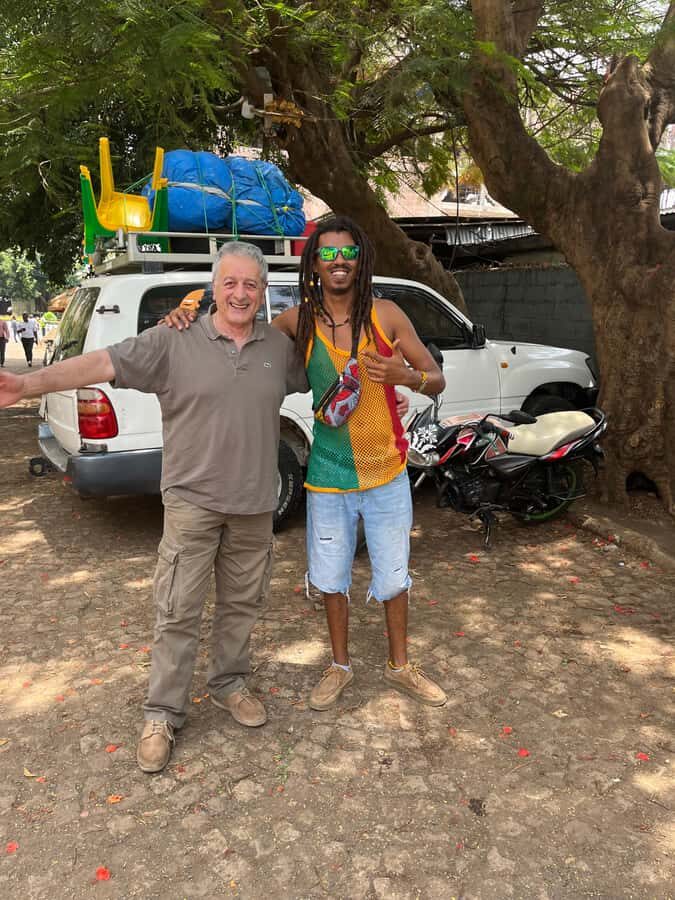
What I really like are two practical things: the focus on meeting multiple tribes (not just one quick stop), and the hands-on guidance that keeps you safe and organized. Kali is the named guide you’ll be working with, and Elias shows up as a driver who keeps things fun and smooth.
One consideration: the material can be intense, especially around body adornment and ceremonies. If you’re sensitive to that kind of cultural viewing—or if you’re pregnant—this probably isn’t the best match, and comfort is a mix since camping can be part of the experience.
In This Review
- Key highlights you’ll feel right away
- Entering Omo Valley the right way: Jinka as your hub
- Hamar culture in Turmi: bull-jumping and clay hair days
- The Dimeka market: where several tribes meet in one day
- Karo along the river: body painting with meaning, not just looks
- Mursi in Mago National Park: lip plates and respectful curiosity
- Parks, scouts, and river crossings: the practical side that matters
- Comfort and pace: camping nights versus lodge time
- Price and value: what $500 covers (and why it can still feel fair)
- Ethics and environment: how Kali’s team frames the trip
- Who this Omo Valley tribes tour fits best
- Should you book this Kali Omo Valley culture trip?
- FAQ
- How long is the Omo Valley tour?
- Where does the tour start and where does it end?
- Which tribes does this tour include?
- Is pickup included from Addis Ababa?
- Is pickup and drop-off included from Jinka?
- Are meals included?
- Is the Omo River boat crossing included?
- Are park entry fees included?
- Is alcohol included?
- What do I need to bring for the tour?
Key highlights you’ll feel right away
- A multi-tribe circuit with at least 3 different groups in the Omo Valley focus
- Hamar bull-jumping and clay hair styling as a major “first-time” moment
- Dimeka market day with multiple groups showing up in one colorful weekly hub
- Karo body painting linked to their agro-pastoral life along the Omo River
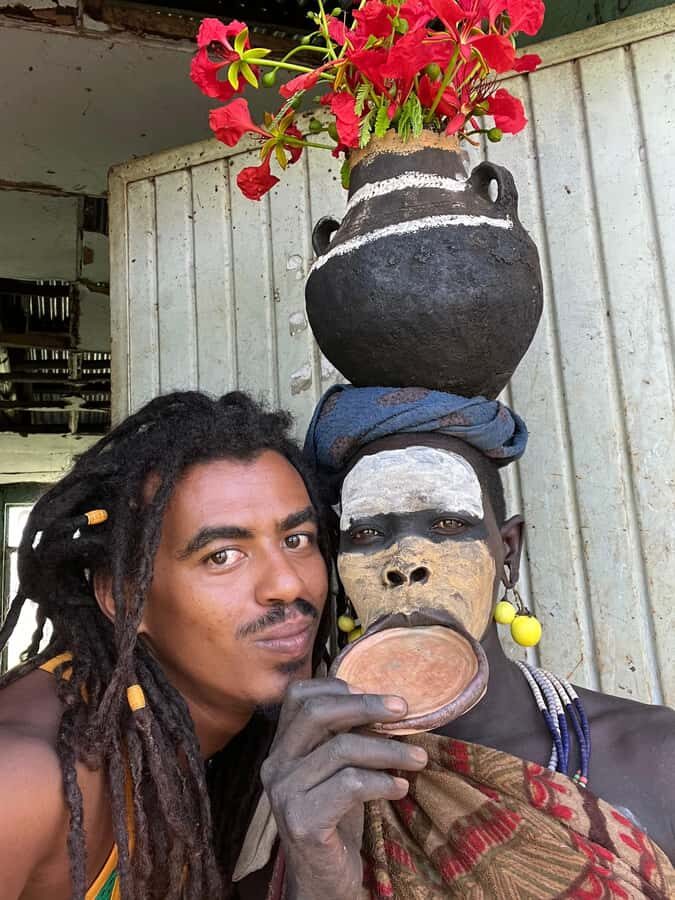
- Mursi visits in Mago National Park with lip and ear-plate traditions
- Boat crossing on the Omo River plus park entry handled for you
Entering Omo Valley the right way: Jinka as your hub
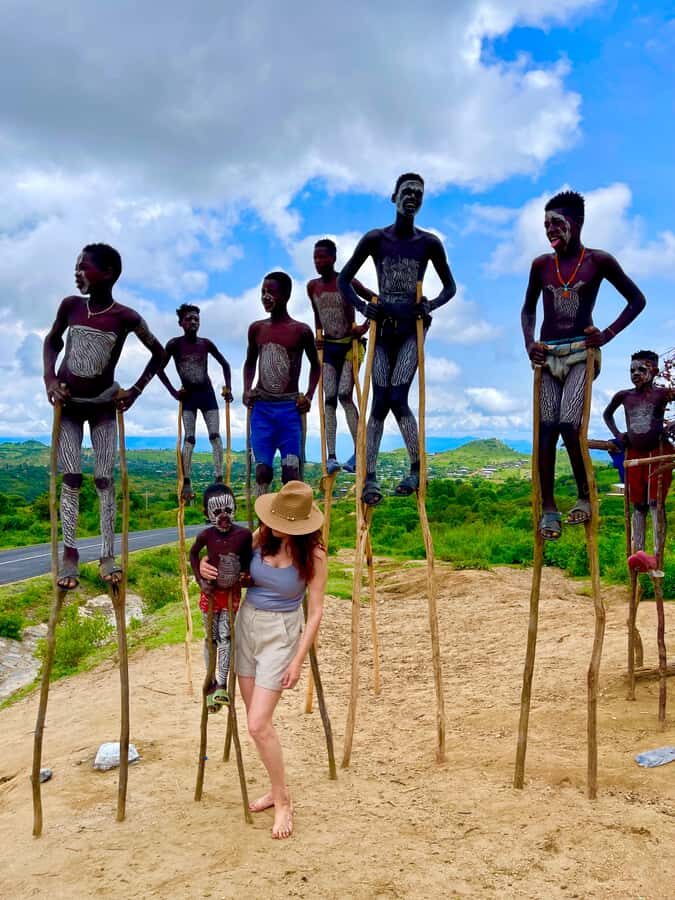
Most Omo Valley trips succeed or fail on logistics, and this one is built around an easy-to-follow flow. You’re picked up from the Jinka area (including Jinka Airport), then the route runs out toward Turmi for one night and later returns you to Jinka as the end point.
What I like is that the program also covers the big access pieces: village entry tickets and national park entry are included, so you’re not scrambling for permissions at each stop. You’re also dealing with a named local guide team, with Kali leading and Elias doing driving support in at least some departures.
If you’re doing this from Addis Ababa, pickup can be arranged from Bole International Airport or a hotel in Addis Ababa. That helps if you want one clear plan instead of piecing together guides, cars, and admissions separately.
You can also read our reviews of more tours and experiences in Jinka.

Hamar culture in Turmi: bull-jumping and clay hair days
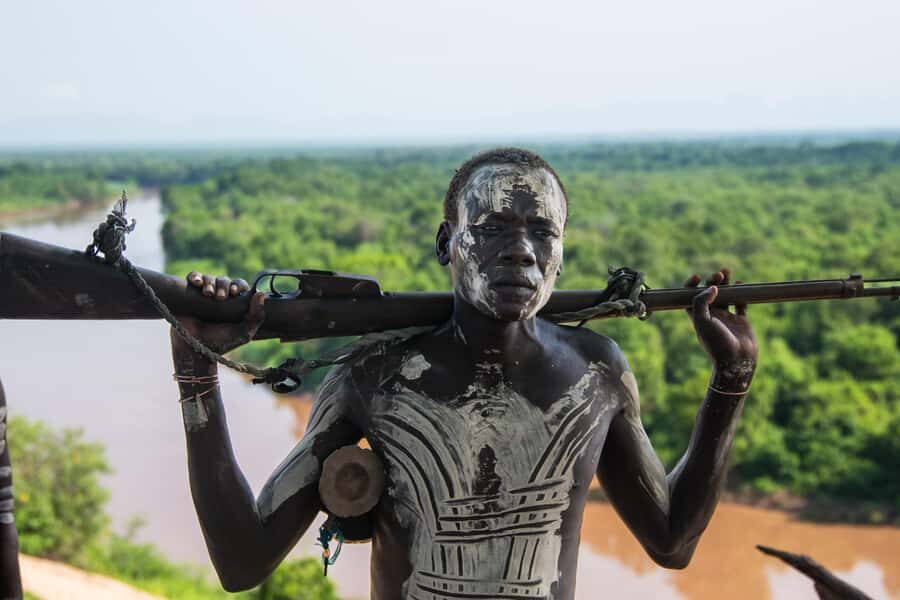
The Hamar time is usually the most intense and memorable part, and it’s designed that way. You’ll visit the Hamar people and learn about practices that are closely tied to life stages, including the bull-jumping ceremony young men must complete prior to marriage.
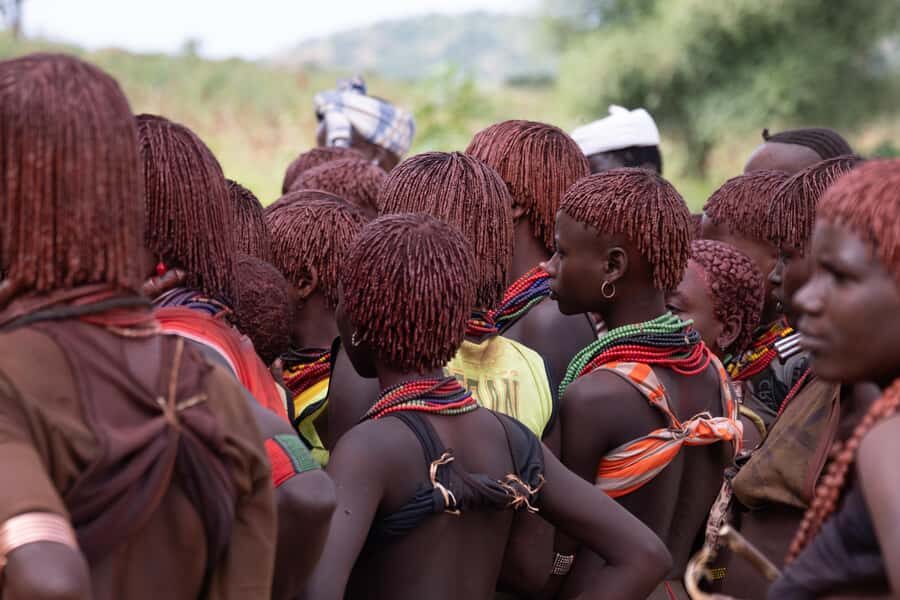
You’ll also see the look that many people associate with Hamar culture: clay used to shape hairstyles and body marks, plus a whole lot of attention to how people present themselves. This isn’t staged in the “tour photo booth” sense; it’s happening in a community setting, and your job is to observe respectfully and follow your guide’s directions.
On the practical side, your overnight can be either camping with the Hamar tribe or an eco lodge located inside the village area. That means comfort is not guaranteed to feel like a hotel, but you do get closer access to daily life in the area without turning it into a speed-run.
The Dimeka market: where several tribes meet in one day
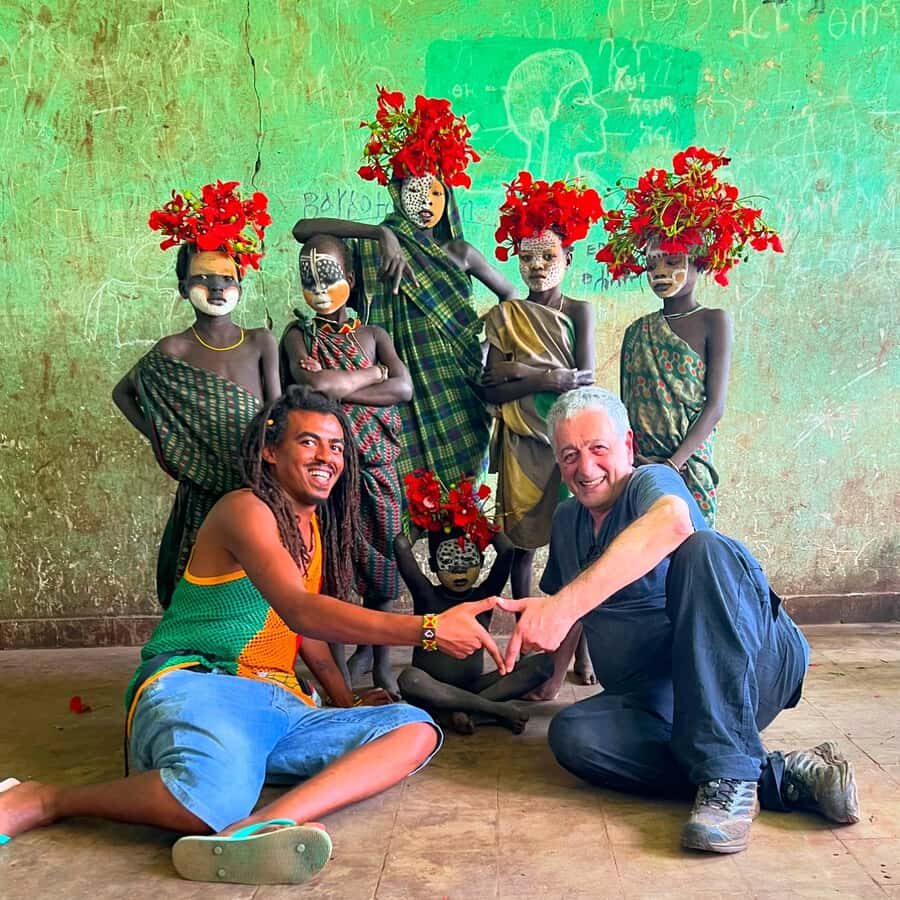
A market day is where Omo Valley culture stops being “a list” and starts being real human interaction. This tour is set up to attend the Saturday Dimeka market, described as a major weekly market for the larger Hamar community.
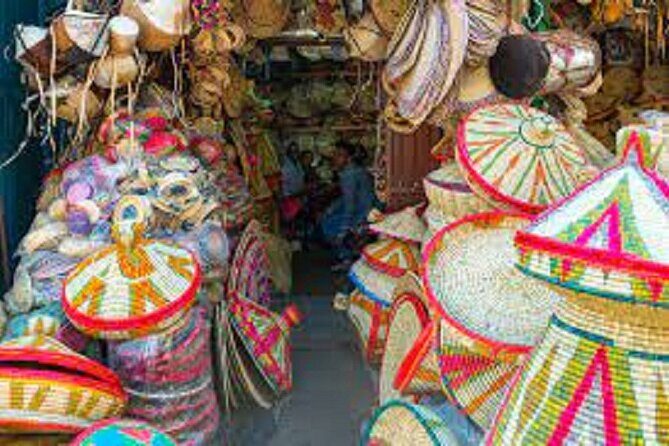
Dimeka is also where you’ll likely see multiple groups under one roof of time and place—Hamar, Karo, Bana, and Tsemay are all named as part of the market mix. People come to buy and sell goods and tools, and you’ll see crafts, daily products, and the everyday rhythm of trade.
Here’s how to make this part work for you: keep your camera ready but don’t lead with it. Ask your guide how to approach photos and when it’s appropriate, because your attention can feel intrusive if it’s constant. Markets move fast, so wear something comfortable and keep water handy since stops don’t always come with quick convenience breaks.
Karo along the river: body painting with meaning, not just looks
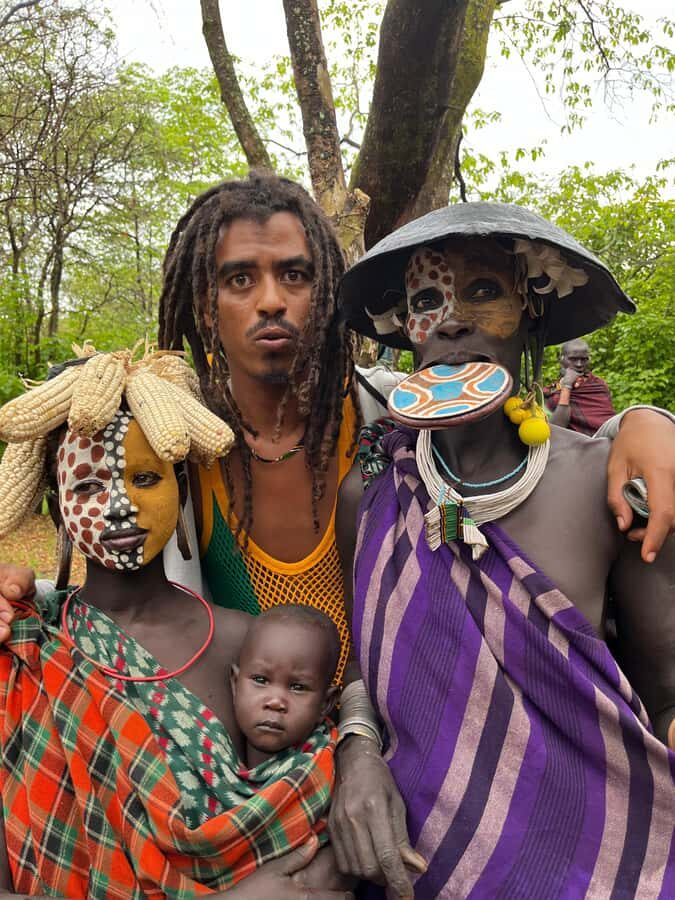
The Karo are described as agro-pastoralists and are known for mastery in body painting. Meeting the Karo in the Omo Valley isn’t only about watching how people paint—it’s about seeing how those choices connect to daily work, identity, and community life.
You also get a bigger sense of movement and geography because the Karo are linked to settlements around the Omo River. That’s one reason this itinerary includes a boat crossing on the Omo River as part of the overall travel route.
In real terms, your guide helps you interpret what you’re seeing so you don’t miss the “why.” A few minutes of explanation—what a design represents, how people prepare, what timing matters—can make the difference between collecting images and understanding a living culture.
Mursi in Mago National Park: lip plates and respectful curiosity
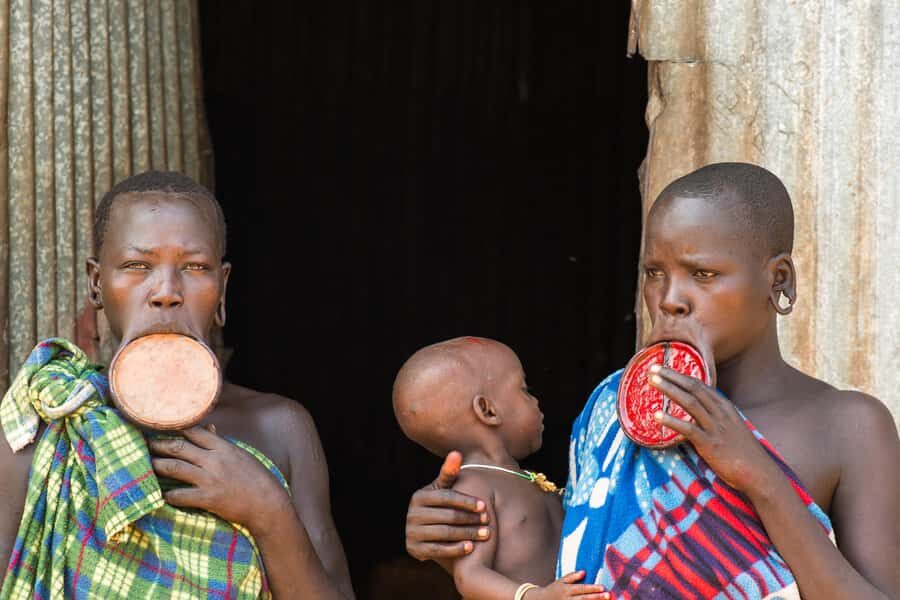
The Mursi visit is set near Mago National Park, and you’ll travel roughly 66 km from Jinka for the Mursi village visit. This is the section where many first-time visitors feel the biggest emotional swing—fascination mixed with discomfort—because the traditional body adornment is visually strong.
The tour focuses on traditions tied to lip plates and ear-lobe plates, plus daily routines around food and health. Men are described as drinking blood more than eating meat, with the practice explained as taking blood from the cow in a way that supports quick healing. You’ll see how a Mursi breakfast can involve their own cattle within the village setting.
My advice: keep your mindset on learning, not “watching.” If you feel yourself turning into a spectator, pause and talk with your guide about what’s happening, how people view the practice, and what you should do to stay respectful. This is also a good moment to slow down with your camera and follow boundaries closely, because intensity is part of the story here.
Parks, scouts, and river crossings: the practical side that matters
One thing I appreciate is that the plan doesn’t treat the Omo Valley like a road trip with no paperwork. You get tickets for Mago National Park, Nechsar National Park, and Omo National Park, along with a scout inside the parks.
Including those park items usually means fewer delays and less hassle at entry points. It also suggests you’ll be traveling in a way that respects protected-area rules rather than trying to improvise routes on the fly.
Then there’s the river side: the program includes a boat to cross the Omo River, which can be the difference between “a long detour” and “we’re actually seeing the area the right way.” It’s also a reminder that distances in Ethiopia are real—plans like this are built to move you efficiently across regions where roads alone don’t tell the whole story.
Comfort and pace: camping nights versus lodge time
Your comfort level will depend on the day. Since an overnight near the Hamer tribe can be camping, and other parts can involve lodges and hotels, you should expect a mix.
If you’re the type who likes predictable softness—clean sheets, quiet rooms, a reliable shower—this won’t be perfect. But if you’re comfortable with basic conditions and you like staying close to where cultural life is happening, the camping option can feel like a more honest way to experience the village setting.
Group size can also affect the feel. The tour offers private or small groups, which is a big deal in a place like this. Smaller groups help keep conversations with the guide from turning into a rush, and they make it easier to manage photos and personal space.
Price and value: what $500 covers (and why it can still feel fair)
At $500 per person for a 2 to 7 day experience range, the pricing can look like a “specialty” number. The value comes from what’s included: pickup and drop-off, entry tickets to multiple tribe villages and parks, local guides, three meals a day, mineral water, and even camping materials and camping fees.
You’re also getting transport support between key areas—Jinka to Turmi and then back to Jinka—plus park scouting and a river boat crossing. When you add up admissions, guides, and multi-location ground transport, this price can start to make sense if you want everything handled rather than assembling it yourself.
What’s not included is simple: alcoholic drinks. If you drink much alcohol, you’ll want to plan for that budget separately.
Ethics and environment: how Kali’s team frames the trip

The tour provider explicitly emphasizes ethical, ecological, and sustainable travel. They say they focus on fair wages for people involved and aim to leave only footprints while avoiding harm to nature and other living beings.
That matters because Omo Valley tourism has a complicated reputation globally, and you’ll feel the difference when your guide sets boundaries and keeps the experience respectful. A strong guide team also helps you act appropriately around sensitive practices and community rules, which is part of ethical travel in real life, not just marketing language.
Who this Omo Valley tribes tour fits best
This works best if you want a structured, multi-day cultural program with real local guiding. You’ll likely enjoy it if you’re curious about the Omo Valley tribes as living communities, and you don’t mind that some parts feel intense or emotionally demanding.
It also suits people who want a mix of culture and nature. The inclusion of major parks like Mago, Nechsar, and Omo National Park means you’re not only doing village visits—you’re also traveling through protected areas with access handled for you.
Avoid it if you’re pregnant, since it’s listed as not suitable for pregnant women. And if camping is a hard no for you, choose lodging-focused options where available so you don’t get surprised by a camping night near the Hamar area.
Should you book this Kali Omo Valley culture trip?
I’d book if you want a well-managed route that hits the big cultural anchors—Hamar ceremony moments, Karo body painting, and the Mursi visit in Mago National Park—without turning it into a chaotic DIY scramble. The named guide team (Kali plus Elias) and the included tickets and park scouting are exactly the kind of “boring logistics” that make this work better for you.
I wouldn’t book if you need hotel-style comfort every night or if you dislike culturally intense settings around body adornment. In that case, you’ll likely find the experience stressful instead of meaningful.
If you’re flexible, respectful, and ready for firsthand cultural reality, this is one of those tours where the effort pays back quickly.
FAQ
How long is the Omo Valley tour?
The activity duration is listed as 2 to 7 days, depending on availability.
Where does the tour start and where does it end?
The tour is based in the Jinka area, and the last day finishes in Jinka.
Which tribes does this tour include?
The plan highlights visits to Hamar and Karo, and an excursion to a Mursi village. The colorful market focus includes Hamar, Karo, Mursi, Bana, and Tsemay. Some experiences also include additional tribes such as Dasenech and Ari.
Is pickup included from Addis Ababa?
Yes. Pickup can be arranged from Bole International Airport in Addis Ababa or any hotel in Addis Ababa.
Is pickup and drop-off included from Jinka?
Yes. Airport pickup and drop-off from Jinka are included, and the last day drop-off can be arranged at Jinka Airport, Semera, Mekelle, or Arba Minch Airport.
Are meals included?
Yes. Three meals a day are included.
Is the Omo River boat crossing included?
Yes. A boat crossing to cross the Omo River is included.
Are park entry fees included?
Yes. Entry tickets to Mago National Park, Nechsar National Park, and Omo National Park are included, along with a scout inside the parks.
Is alcohol included?
No. Alcoholic drinks are not included.
What do I need to bring for the tour?
Bring your passport or ID card. The guide notes you may want to carry some cash if you need it.