REVIEW · ADDIS ABABA
8 Days Lalibela,Danakil Depression and Omo Vally Tours
Book on Viator →Operated by Danakil Depression Tours · Bookable on Viator
Dallol’s colors start the day before most people wake up. This 8-day Ethiopia route strings together Danakil Depression extremes, Lalibela’s rock-hewn churches, and Omo Valley tribal visits into one tightly run circuit, so you’re not just checking boxes—you’re moving through worlds that feel totally different.
I especially like how the schedule respects the light. You get Dallol twice (including early day timing) and then you’re back up early for the Erta Ale volcano experience. I also like the people-side of the trip: the tour’s leadership is repeatedly praised, with Mickey named as a key guide/manager who stays helpful and on hand, even when flights are delayed.
The main drawback is simple: this trip is physically demanding. You’ll face early mornings, hot, remote conditions in Danakil, plus long travel days and nights that can be camping-style, so you’ll want solid stamina and realistic comfort expectations.
In This Review
- What This Trip Feels Like on the Ground
- Key Things I’d Pay Attention To
- Entering the Danakil Depression: Why This Route Starts with Dallol
- Day 1 in Dallol: Afdera Lake Lunch, Sulfur Canyons, and a Late Sunset Option
- Day 2: Dallol Again at Sunrise, Then the Long Push Toward Erta Ale
- Day 3: Sunrise at Erta Ale, Then Fly Back Toward Addis
- Getting to Lalibela: From Flights and Heat to Underground Church Cool
- Day 5: Addis to Jinka, Meet Hammer Communities, Overnight Camping
- Day 6: Turmi Hammer Day with Buska Lodge Overnight
- Day 7: Kara Tribe Morning, Dus Village, and Body Painting Traditions
- Day 8: Mursi in Mago National Park, Then Back to Addis
- Price and Value: Is $1,199 Fair for This Much Moving?
- Who Should Book This Tour (and Who Should Think Twice)
- How to Pack for Danakil Heat and Omo Village Days
- The Human Side: What the Reviews Signal About How It’s Run
- Should You Book This 8-Day Danakil, Lalibela, and Omo Route?
- FAQ
- How long is the tour?
- What is the price per person?
- Is pickup included?
- How big is the group?
- How active is the tour?
- Are admissions included?
What This Trip Feels Like on the Ground
This is the kind of Ethiopia itinerary where the map doesn’t look too crazy, but the days sure do. You start with volcano and salt country, then pivot to Lalibela’s underground churches, then shift again to the Omo Valley where you spend real time in villages with groups like Hammer, Kara, and Mursi.
I found the small-group setup reassuring. With a maximum of 15 people, the trip has more of a human scale than the giant-vehicle tours you may be used to. And with pickup offered in Addis Ababa and a mobile ticket mentioned, logistics feel planned instead of chaotic.
Still, the best fit is for travelers who don’t need everything to be smooth and cushy. If you’re okay with heat, dust, and long days, the payoff is huge.
Key Things I’d Pay Attention To
- Early starts are not optional. Expect very early mornings for sunrise and to beat the heat.
- Danakil is built around light and timing. You’ll see Dallol and Erta Ale at different times of day.
- Small group size (max 15). Easier guiding, more flexible pacing.
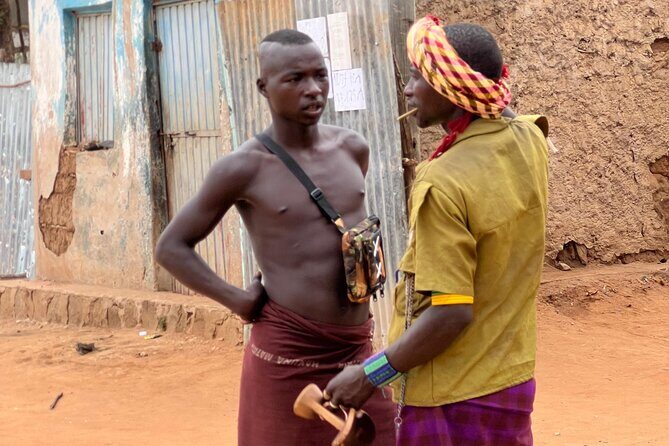
- Cultural village days in Omo Valley. Hammer, Kara, and Mursi visits are central, with camping in at least one night.
- Flights connect the big regions. You’re not doing one endless overland grind.
You can also read our reviews of more tours and experiences in Addis Ababa.

Entering the Danakil Depression: Why This Route Starts with Dallol
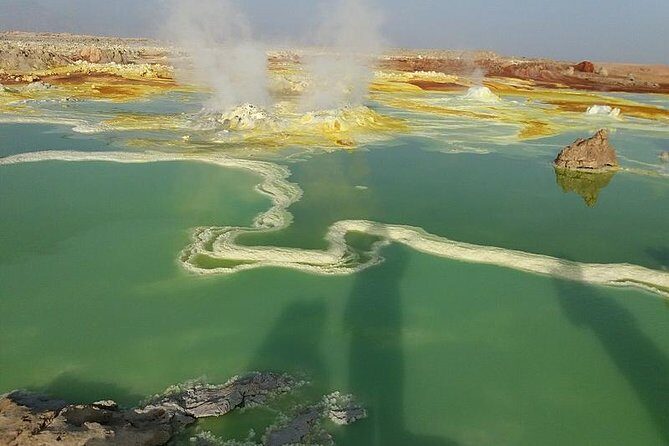
Danakil isn’t just hot. It’s hot, low, dry, and strangely colorful in a way that looks almost unreal. That’s exactly why this trip begins there, because your brain needs that first shock before you get to the more familiar-feeling heritage of Lalibela.
Day 1 is built around getting you to Dallol without wasting too much time. You fly from Addis Ababa (Bole Airport) on ET 110 at 7:00am to Semera, arriving around 8:30am. Then you’re driven via Afdera Lake (Salt Lake) toward Hamed Ela and onward to Dallol.
What I like here is the pacing: lunch happens on the way (a 40-minute lunch break at Afdera Lake), and you arrive in the afternoon (around 3:30pm) so you’re not only rushing, you’re also getting time to actually look at the sulfur and salt formations before sunset plans kick in.
Potential downside: you’ll be starting earlier than you expect and switching travel modes quickly (flight to drive to remote camp). Bring a flexible mindset.
Day 1 in Dallol: Afdera Lake Lunch, Sulfur Canyons, and a Late Sunset Option
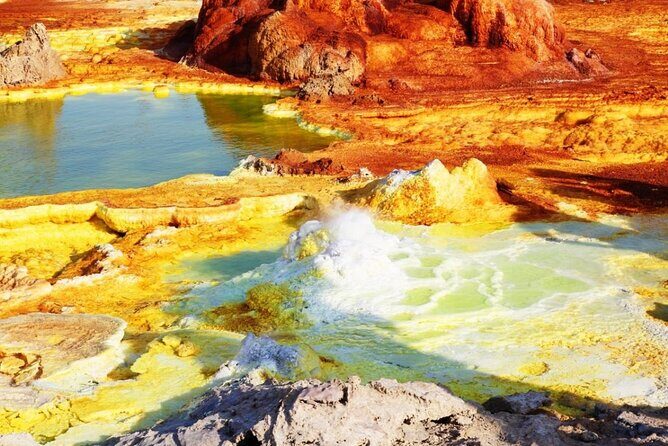
After landing at Semera, you’re picked up and driven toward Hamed Ela (Dallol) with a stop at Afdera Lake. This is more than a snack stop. Afdera gives you a quick “this is the geology” moment before the surreal visuals of Dallol.
You reach Dallol at about 3:30pm and then get a one-hour break at the campsite. That matters because Dallol can feel intense fast—heat, dust, and that bright glare off salt and sulfur surfaces. Even a short reset helps you enjoy the later choices.
Then the day splits into two options:
- Visit Dallol’s colorful sulfur and salt canyons
- Drive to Lake Assale for sunset
You end the day back at Hamed Ela around 7:30pm for an overnight stay.
What to watch: if you choose the Lake Assale option, be ready for another chunk of driving and time. If you’d rather linger in Dallol itself, you still get the key visuals because the canyon area is the headline.
Day 2: Dallol Again at Sunrise, Then the Long Push Toward Erta Ale
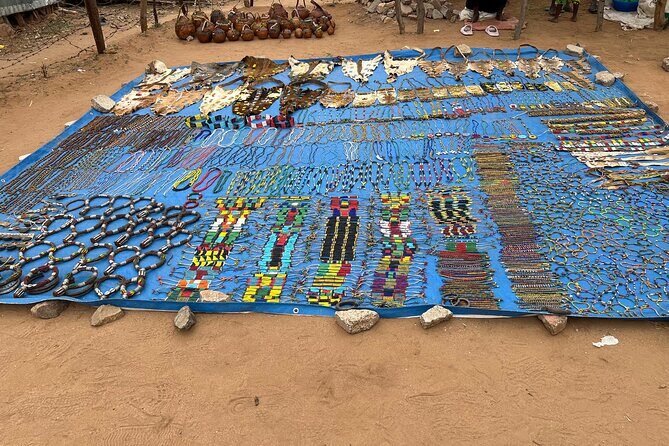
Day 2 is one of the most “worth it” parts of the trip because it doesn’t treat Danakil like a one-and-done photo stop. You wake early (4:30am) to see Dallol again, and the view is described as different than sunset. In real-world terms, that usually means harsher shadows, different color temperature, and a less glaring surface shine.
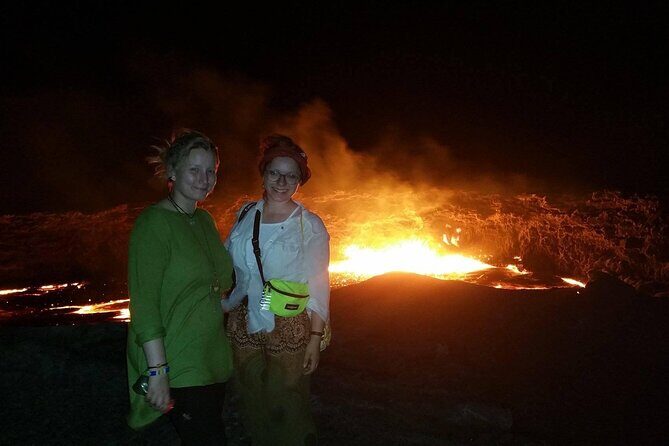
After a 30-minute drive, you’re set for breakfast at 9:00am near the salt-cannon area, then you have time until 11:30am. After that, you head out for Erta Ale, an active volcano, with a drive time of about 3 hours.
Here’s where the timeline gets a little confusing in the written schedule (you may arrive at the campsite at an early hour, then later do rim timing). The practical takeaway is simple: you’re transferring deep into volcano country, you’ll have at least some time for photos and short breaks, and then you’ll do your key volcano viewing from the rim.
The schedule notes:
- A photo break timed for sunset
- A walk of about 1 hour to reach the rim around 4:15pm
- Time to stay on the rim for sunset as long as you want
- Return to camp around 9:00pm for dinner
My advice: pack for a wide temperature swing. Early volcano mornings can feel very different from midday heat, especially in remote regions.
Day 3: Sunrise at Erta Ale, Then Fly Back Toward Addis
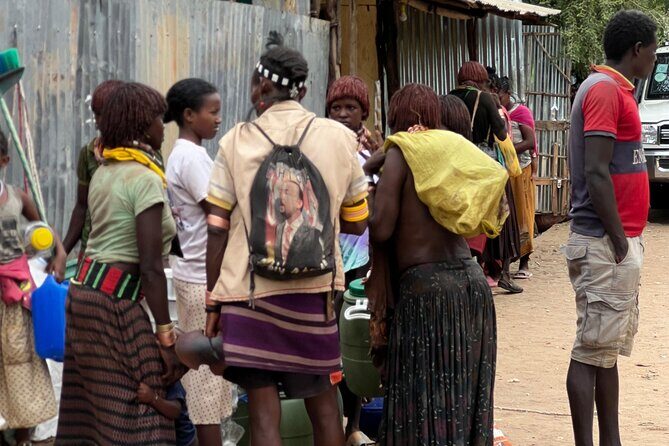
Day 3 starts again very early (4:30am) for sunrise at the volcano. The schedule says you’ll spend time there until 9:00am, then head back to the campsite.
After that comes the “get moving” section:
- Breakfast around 10:30am
- Drive back toward Semera via Afdera Lake
- Drive time about 5 hours
- Catch flight ET 165 at 5:40pm to Addis
- Arrive around 6:40pm for an overnight stay in Addis Ababa
This day is a good example of why the itinerary works. Danakil isn’t just scenery; it’s also logistics. Moving from Erta Ale to flights is part of the experience. You get two volcano-linked mornings (Dallol once, Erta Ale once) and then you’re out of the extreme zone before you burn out completely.
Getting to Lalibela: From Flights and Heat to Underground Church Cool
On Day 4 you transition from Danakil country into Ethiopia’s religious heritage. You’ll be transferred to the airport for your flight to Lalibela, then meet your guide and driver upon arrival and head to your hotel.
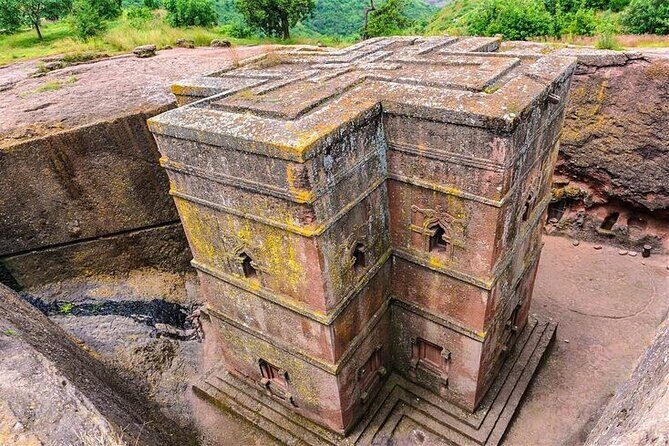
In the afternoon, you visit the key rock-hewn churches. These are the headline stops everyone talks about, and this itinerary doesn’t do a quick drive-by. You’ll go church by church, including:
- Bete Medhane Alem
- Bete Mariam
- Bete Meskal
- Bete Denaghel
- Bete Golgotha
- Bete Mikael
- Bete Giorgis
What I like about this layout is that Lalibela is easier to enjoy in smaller blocks after the hard physical days. Danakil demands stamina. Lalibela rewards attention. You’ll get a chance to slow down, look closely at stonework, and understand why these churches are so significant.
Practical note: even if the weather feels more forgiving than Danakil, wear shoes that handle uneven ground. Stone sites often mean slippery or rough footing.
Day 5: Addis to Jinka, Meet Hammer Communities, Overnight Camping
Day 5 is where the trip turns from heritage sightseeing into day-in-and-day-out cultural contact. You fly from Addis to Jinka in the afternoon, meet your guide and driver, then head by road to Turmi.
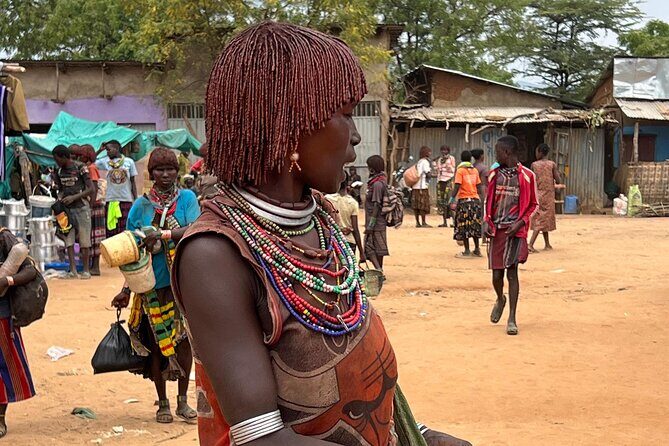
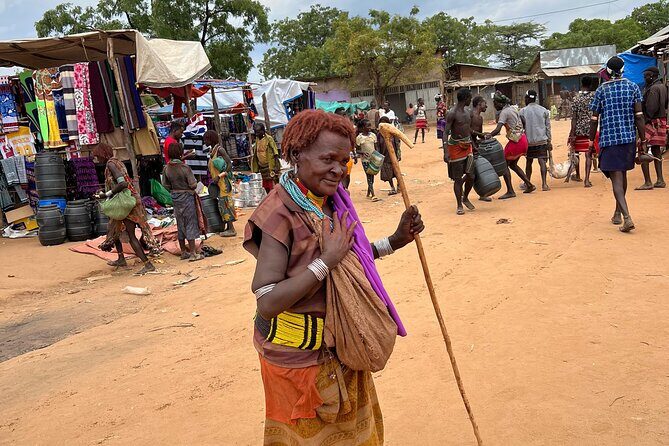
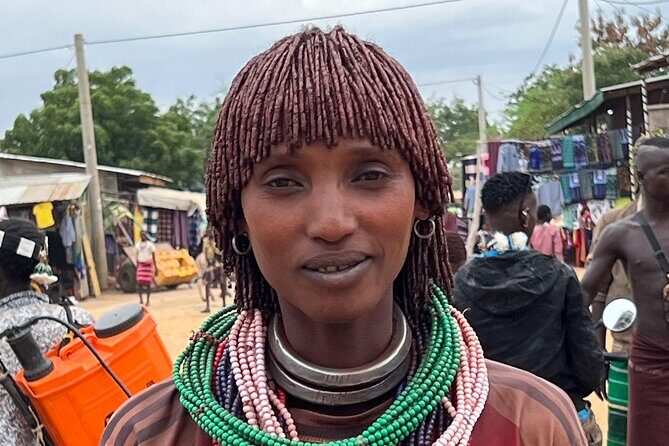
Turmi sits in the southeastern Omo region and is where the Hammer people live. The schedule emphasizes their striking appearance: men and women take pride in grooming, shaving and coloring their hair, oiling their bodies, and decorating with beads and bracelets.
You’ll visit a Hammer village and then spend the rest of the day there. Overnight is camping at the village with the Hammer people.
This is one of those experiences where the value is in the time you actually spend, not just the photo moment. Camping also means you’re not separating yourself from the day’s rhythm. That can feel exciting, but it also means you should bring what you can for basic comfort (sleep gear and respect for local routines).
Day 6: Turmi Hammer Day with Buska Lodge Overnight
Day 6 keeps you in the Hammer region with a focus on a second village day. The schedule notes a flight to Jinka in the afternoon and then heading straight to Turmi again, with an overnight at Buska Lodge.
Even without perfect clarity on whether that flight happens midday or as part of the transfer flow, the intent is consistent: you’re spending another day with Hammer community life and appearance practices, and you’re moving from village camping to a lodge overnight to reset your body a bit.
What to expect here:
- More time meeting people and seeing daily life
- Another full day of village visiting
- A more structured night with lodge lodging at Buska Lodge
I like this “camp one night, lodge one night” balance. It’s a real compromise between authenticity and recovery.
Day 7: Kara Tribe Morning, Dus Village, and Body Painting Traditions
Day 7 is a strong change of pace because you shift from Hammer to the Kara people. The plan is to drive early from Jinka to Kara village.
The schedule highlights two practical details:
- Kara is described as one of the smallest groups in the area, around 3,000 people
- The Kara live on the west bank of the Omo River
Your meeting point is a village called Dus, described as one of the furthest villages and not often visited. That matters because distance usually equals fewer interruptions and a more grounded encounter.
The schedule also points to Kara’s known practice: body painting used for beautifying purposes. That’s the kind of detail you don’t get from distant viewing. You’re there to spend time with people and understand the meaning in context.
After Dus, you drive back toward Jinka, then the schedule cuts off at a word that looks like it may continue with another local stop. So you should expect that your day may include additional roadside visiting depending on timing.
Day 8: Mursi in Mago National Park, Then Back to Addis
Your last day focuses on Mursi people in and around Mago National Park. You drive early from Jinka to the Mursi area—about 70km—arriving in late morning.
The schedule describes Mursi women and a custom that involves slitting the lower lip and inserting circular clay discs upon maturity. This is the core cultural detail that shapes how Mursi are known. You’ll spend time visiting the village and sharing experiences.
After that, you drive back to Jinka and catch your flight back to Addis Ababa, ending the tour.
Practical advice for the final day: plan to be slightly tired. By now you’ve done volcano mornings and long transfers. The Mursi day still needs your attention, but your body will appreciate a gentle pace in the car.
Price and Value: Is $1,199 Fair for This Much Moving?
At $1,199 per person for about 8 days, this tour isn’t trying to be a cheap, basic package. It’s priced like a route that depends on inter-regional flights, remote driving days, and guides who know how to run the timing.
Here’s how I’d judge value using what’s included and what you’re actually doing:
- Flights are part of the plan (for example ET 110 from Addis to Semera and ET 165 back to Addis, plus flights to Lalibela and to Jinka)
- Site guidance and planned visits are built in, not just a driver dropping you off
- Access handling looks light in several places, with many days listed as admission ticket free, and Erta Ale listed as admission included
- Overnights include both camping and lodge settings, which often costs more than standard hotel-only packages in remote regions
The best value question to ask yourself is this: Do you want a single operator handling the whole chain—Danakil to Lalibela to Omo—so you don’t have to stitch together flights, transfers, and timing?
If yes, the price starts to look reasonable. If you’re chasing a low-budget trip, you may find the cost harder to justify, especially because the itinerary moves fast and uses flights often.
Who Should Book This Tour (and Who Should Think Twice)
This tour is a strong match if you:
- Like variety: volcano mornings, underground churches, then village cultural days
- Can handle moderate physical fitness needs (the itinerary is active and early)
- Want a small group experience (max 15)
- Appreciate having a responsive team during travel days
You might think twice if:
- You’re expecting resort-level comfort every night
- You hate early mornings and long driving
- You need fully predictable day-by-day timing without any remote-region surprises
How to Pack for Danakil Heat and Omo Village Days
The itinerary doesn’t list a packing list, so this is about what you’ll likely need based on the activities:
- Light layers for heat, plus something for cooler early mornings in volcano country
- Sunscreen and a hat. The salt and sulfur glare can feel relentless.
- Dust protection for driving days
- Comfortable closed-toe shoes for uneven paths at church sites and village areas
- A headlamp or flashlight if you’re camping and need to move safely at night
- Basic meds and water planning. Remote days mean you should manage your hydration
Also, bring patience for the “day of transitions” feeling. You’ll move between aircraft, cars, and camps/lodges.
The Human Side: What the Reviews Signal About How It’s Run
The most consistently praised element in feedback is the team’s support. Mickey is repeatedly mentioned as excellent leadership and being easy to reach, with a consistently helpful attitude. That matters on this route because your schedule depends on early starts, and delays can happen with flights.
I also saw appreciation for how guides and staff helped with smooth coordination and on-site support, including named help such as Abey and Robel in some feedback, plus Althaf as a coordinator who handled things with patience.
So even though this is a big-ticket itinerary, it doesn’t sound like it’s run by a “drop you and hope” approach. It sounds like someone is actually managing the day.
Should You Book This 8-Day Danakil, Lalibela, and Omo Route?
Book it if you want one trip that genuinely changes gears several times and you’re okay with early mornings and remote conditions. The route is especially compelling if you care about timing—sunrise and different light at Dallol and Erta Ale—and if you want organized access across Ethiopia’s north and south.
Don’t book it if you want a slow, relaxed vacation with mostly predictable comfort. This is a high-intensity itinerary: heat, dust, long travel days, and cultural village time plus camping at least once.
If you’re still deciding, ask yourself one question: Can you handle the first 2 days of extreme early starts and rougher conditions? If the answer is yes, this itinerary can deliver some of the most memorable contrast Ethiopia has to offer.
FAQ
How long is the tour?
It’s an 8-day tour, covering Addis Ababa, Dallol and the Danakil Depression, Lalibela, and the Omo Valley region.
What is the price per person?
The listed price is $1,199.00 per person.
Is pickup included?
Pickup is offered, and the tour starts at the meeting point in Addis Ababa (Edna Mall).
How big is the group?
The maximum group size is 15 travelers.
How active is the tour?
The tour recommends moderate physical fitness.
Are admissions included?
Admission ticket notes are shown in the itinerary for different days, including admission listed as included for Erta Ale and admission listed as free for several other stops.