REVIEW · BAHIR DAR
Private Guided Tours To Bahir Dar Lake Tana Monastery & Blue Nile Waterfalls
Book on Viator →Operated by Aman Ethiopia Tours And Travel Agent · Bookable on Viator
Blue Nile Falls in one day is the payoff. This private tour strings together Bahir Dar’s market scene, a Lake Tana boat ride to the 14th-century Ura Kidane Mihret monastery, and the drive to Tis Isat for the falls, all with a guide handling the moving parts. I love how much you see without feeling rushed, and I especially like the calm pace of a private setup where you can linger when something catches your eye. One possible drawback: the Blue Nile Falls water volume can be minimal because of the new dam, so plan for a strong stop even if it’s not at peak flow.
The other big win is the human side. You’re picked up and dropped off in Bahir Dar, then you travel between stops in a comfy air-conditioned vehicle, with bottled water along the way. In past trips, guides such as Genanew and Genano have been praised for staying attentive and making the day feel smooth, not chaotic—exactly what you want when you’re squeezing three different vibes into a single outing.
One more thing to consider: the day calls for moderate physical fitness and a formal dress code, so if you’re traveling in very casual clothes, budget a little time to adjust before you head out.
In This Review
- Key things I’d circle before booking
- How this private Bahir Dar day actually plays out
- Stop 1: Bahir Dar Market for a grounded start
- Lake Tana boat cruise: the calm that makes the monasteries hit harder
- Monastery time: what to expect at Ura Kidane Mihret
- Tis Isat village and the Blue Nile Falls: the big finale with one reality check
- Comfort and logistics: why the private format feels easier
- The value question: is $145 per person fair for this route?
- Who this tour suits best (and who might want something else)
- Should you book this private Bahir Dar tour?
- FAQ
- How long is the tour?
- How much does it cost?
- Is pickup and drop-off included?
- What are the main stops on this tour?
- Is the tour private?
- Do I need to pay for admission during the tour?
- What should I wear?
- Will the Blue Nile Falls have a lot of water?
- Is food included?
Key things I’d circle before booking
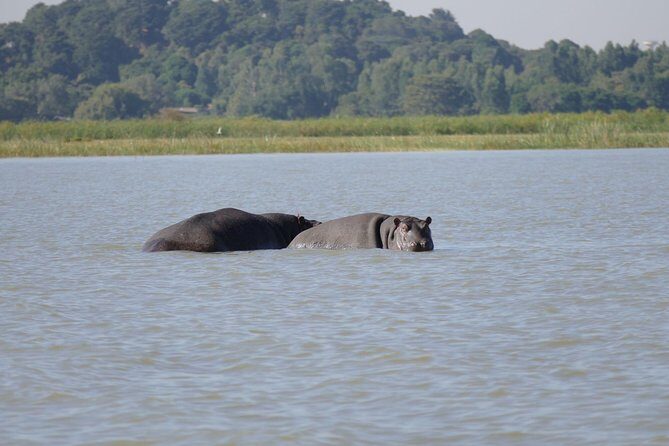
- Ura Kidane Mihret on Lake Tana: an iconic Zege Peninsula monastery stop after the boat cruise
- Private, go-at-your-own-pace format: only your group participates, so timing feels flexible
- Air-conditioned transport + bottled water: comfort matters on a long day of back-and-forth driving
- Blue Nile at Tis Isat with a dam reality check: water volume could be less than you expect
- Bahir Dar market context: you get a local start before the calmer lake-and-monastery rhythm
- Admission ticket included: at least one of the main costs is handled for you
How this private Bahir Dar day actually plays out
This is the kind of tour that works well when you have limited time in Ethiopia but still want real variety. You start with Bahir Dar’s everyday energy, then shift to Lake Tana’s slower tempo with monastery visits, and finish with the dramatic pull of the Blue Nile Falls. The guide manages the transitions, which matters because the day depends on boat timing, short drives, and getting you to each viewpoint and entrance without you building a plan from scratch.
The duration is listed as about 6 to 7 hours, so it’s a true day outing rather than an all-day marathon. If you like your sightseeing with breaks between big moments, this schedule is built for you.
Also, because it’s private, you don’t have to fight for space at viewpoints or worry about keeping up with a faster group. That “your pace” promise is real—especially on the monastery side, where you’ll likely spend time looking, walking short stretches, and asking questions.
You can also read our reviews of more tours and experiences in Bahir Dar.

Stop 1: Bahir Dar Market for a grounded start
Beginning your day at the Bahir Dar market is a smart move, because it sets the tone for the rest of the trip. The market gives you a quick taste of local daily life before the day shifts into more scenic and spiritual stops.
What I like about starting here is that it makes the rest of the outing feel less like a checklist. You’re not just driving to famous sites; you’re stepping into the surrounding culture first, then carrying that context with you onto the lake and into the monasteries.
One practical tip: markets tend to involve crowds and movement, so keep your phone secure and expect some uneven footing around stalls and lanes. You’ll get the most out of this first stop if you treat it like a browse-and-learn session rather than a speed visit.
Lake Tana boat cruise: the calm that makes the monasteries hit harder

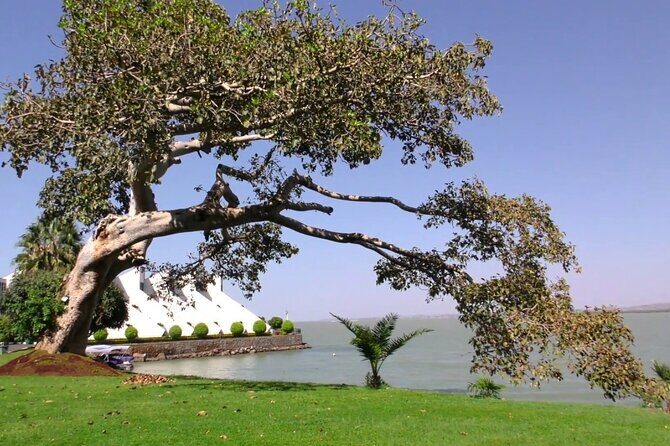
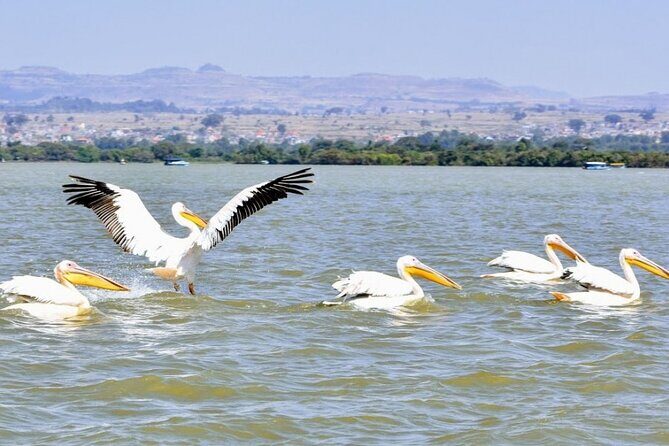
After your market start, the day flows to the water. You’ll take a boat cruise on Lake Tana, and that ride is more than transportation. The lake time gives your brain a reset between Bahir Dar’s busy textures and the quiet, rule-based world of a monastery visit.
You’ll visit the 14th-century Monastery of Ura Kidane Mihret, known as the most famous of the Zege Peninsula monasteries. That detail matters: this isn’t just any stop on the water. It’s a main-name monastery, which usually means you’ll see the kinds of sights people come here for—along with enough activity to feel alive, not deserted.
A boat day can also be a great photography rhythm. You’ll get changing light and perspectives as you move out over the lake, then you’ll arrive with a sense of arrival rather than just stepping off a vehicle.
Practical note: this portion of the day depends on cruise timing. If the day’s schedule slips due to late arrivals linked to the cruise portion, the tour terms say refunds won’t be issued for misses caused by late or non-arrival of a cruise ship. If you’re traveling independently (not on a cruise ship), this is less likely to matter, but it’s still worth knowing how the timing risk is handled.
Monastery time: what to expect at Ura Kidane Mihret
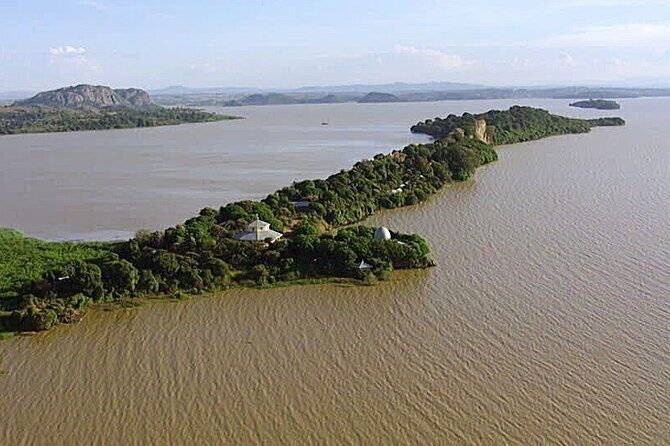
Monasteries in this part of Ethiopia aren’t simply “look and walk through.” They come with a clear atmosphere—quiet, rules, and a strong sense of place. Even if you’re not deeply religious, you’ll likely feel that the space invites a slower pace and respectful behavior.
You’ll have a local guide with you, and that’s where the visit becomes more than photos. A good guide helps you understand what you’re looking at, how the site is organized, and which parts are meaningful to focus on.
Dress code matters here. The tour specifies formal dress. That usually means long pants/skirts and a shirt that covers shoulders, along with shoes that are easy to walk in. If you’re not sure your clothing qualifies, it’s better to err on the more covered side.
Moderate physical fitness is also listed. You don’t need to be an athlete, but you should expect some walking and time spent standing or moving around uneven outdoor areas connected to monastery grounds.
Tis Isat village and the Blue Nile Falls: the big finale with one reality check

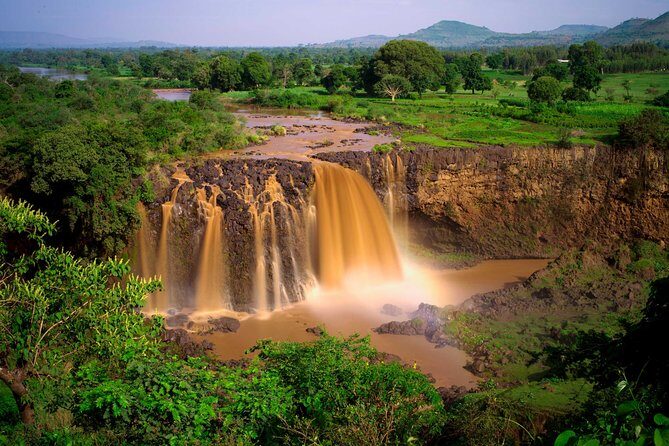
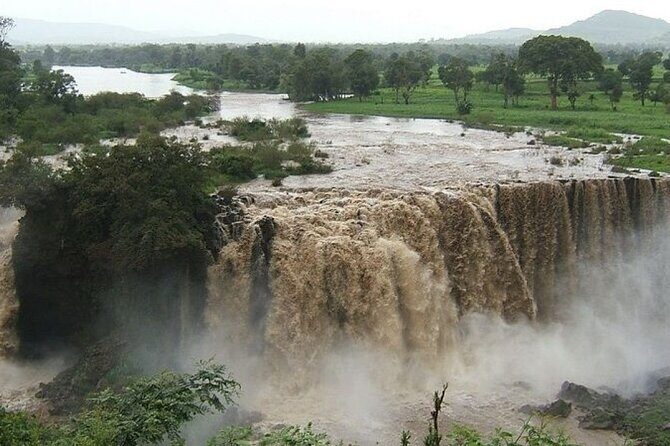
In the afternoon you’ll drive to the village of Tis Isat to see the Blue Nile Falls. This is the natural climax of the day. The sound and power you expect from a major waterfall are usually obvious even from viewpoints, and it’s the kind of stop that makes the whole trip feel worthwhile.
Here’s the one caution I’d take seriously: the water volume could be minimal due to the construction of the new dam. That doesn’t mean the stop will be disappointing—it just means you shouldn’t set your expectations based on the strongest-flow images you might have in your head from older photos.
If the falls are smaller than expected, you can still enjoy the visit by shifting your focus. Look for how water collects, how the flow changes across viewpoints, and how the surrounding areas shape the experience. A guide can help you make sense of what you’re seeing, especially when conditions affect the usual appearance.
The tour also includes admission ticket, at least covering the main paid entry related to the day’s stops. That helps you avoid last-minute budgeting for one more variable.
You can also read our reviews of more private tours in Bahir Dar
Comfort and logistics: why the private format feels easier
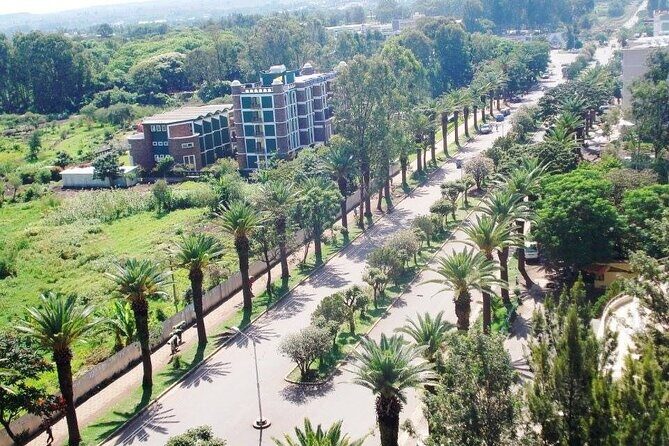
This tour is built around a simple concept: reduce friction. You get pickup and drop-off from Bahir Dar, bottled water, and an air-conditioned vehicle between locations. That matters in a place where driving can take time and conditions can be tiring.
You also get more than one layer of guidance: there’s a driver/guide plus a local guide. That usually translates into smoother navigation and better on-the-ground explanations. On days like this, the difference between a good plan and a great one is often how quickly you’re placed at the right places at the right times—and how comfortably you move between them.
You’ll also see “mobile ticket” listed. In practice, that means less paper stress, which is a small but real convenience when you’re juggling market time, boat boarding, and a late-day waterfall stop.
The value question: is $145 per person fair for this route?
At $145 per person, you’re paying for three things at once: guided interpretation, organized transport, and the complexity of moving between market, lake boat, monastery, and waterfall. For a one-day itinerary with multiple legs and at least one paid admission, the price can feel reasonable—especially if private touring is important to you.
Here’s how I’d judge value before you book:
- If you’d have to hire a driver, arrange boat timing, and figure out monastery logistics yourself, the day becomes a lot more expensive and stressful fast.
- The private aspect is usually the biggest price driver. If you’re traveling as two people and want real flexibility, private often feels like good value.
- The potential downside is the dam-related change to waterfall flow. If you were specifically chasing an image-perfect waterfall moment, this is a gamble.
If you’re a “see the main sights with real context” traveler and you like having someone explain what you’re looking at, this is the kind of tour that justifies its cost.
Who this tour suits best (and who might want something else)
This fits best if you:
- Want one organized day that covers the market, Lake Tana, and the Blue Nile Falls
- Prefer a private group and a calm, adjustable pace
- Are comfortable with moderate walking and the idea of formal dress for monastery areas
- Like learning from guides who can translate the meaning of sites, not just point them out
It might feel less ideal if you:
- Have your heart set on waterfall conditions matching peak-flow photos (dam effects may reduce volume)
- Don’t want to follow a formal dress code
- Are looking for a long, slow multi-day immersion rather than a single concentrated outing
Should you book this private Bahir Dar tour?
I’d book it if your goal is a well-run day with the right mix: market culture, a major Lake Tana monastery stop at Ura Kidane Mihret, and a Blue Nile finale at Tis Isat. The combination of private pacing, hotel pickup/drop-off, air-conditioned comfort, and guided guidance is exactly what makes a route like this worth paying for.
I’d hold tighter on expectations for the falls. If you’re visiting during a period when the dam reduces flow, you may not get the full spectacle you were hoping for—but you still get a meaningful viewpoint and a strong finish to the day.
If you want a single-day highlight route that doesn’t put planning on your shoulders, this is a practical choice.
FAQ
How long is the tour?
The tour duration is listed as about 6 to 7 hours.
How much does it cost?
It costs $145.00 per person.
Is pickup and drop-off included?
Yes. Pickup and drop-off are provided from Bahir Dar.
What are the main stops on this tour?
You’ll start in Bahir Dar’s market area, take a Lake Tana boat cruise to the Monastery of Ura Kidane Mihret, and then drive to Tis Isat to see the Blue Nile Falls.
Is the tour private?
Yes. It’s a private tour/activity, and only your group will participate.
Do I need to pay for admission during the tour?
An admission ticket is included (the tour notes 6 hours with an admission ticket included).
What should I wear?
The dress code is formal.
Will the Blue Nile Falls have a lot of water?
The tour notes that the volume of water could be minimal because of the construction of the new dam.
Is food included?
No. Food and drinks are not included unless specified.
If you tell me your travel dates and whether you’re starting from your hotel or arriving via airport, I can help you think through timing and how to set expectations for the falls.