Addis Ababa hits fast. This full-day city tour strings together the big names you actually came for, with hotel or Bole International Airport pickup and a guided route that keeps you moving efficiently. I especially like seeing Lucy at the National Museum of Ethiopia and then finishing with real shopping energy at Merkato.
The only real trade-off is time. You’re looking at about 7 to 9 hours in a group, so it’s best if you don’t mind a packed day of churches, museums, and market browsing.
In This Review
- Key highlights to know before you go
- A Guided Addis Ababa Day That Starts at Bole or Your Hotel
- National Museum of Ethiopia: Lucy and the Human Story
- Ethnological Museum: Haile Selassie’s Former Palace and Cultural Artifacts
- St. George’s Cathedral from 1896: Menelik’s Church Stop
- Holy Trinity Cathedral: Architecture, Imperial Tombs, and Royal Seats
- Merkato After Lunch: Shopping Time at Africa’s Biggest Open-Air Market
- Price and Value: What $82.06 Really Buys in Addis
- Who This Tour Fits Best (and Who Might Want a Different Plan)
- Should You Book This Full-Day Addis Ababa City Tour?
- FAQ
- How long is the full-day Addis Ababa city tour?
- Where does pickup happen?
- What’s included in the tour price?
- Are the museum and cathedral admissions included?
- What’s the group size like?
- Can I cancel and get a refund?
Key highlights to know before you go
- Lucy at the National Museum of Ethiopia with admission included
- Ethnological Museum in the former palace of Emperor Haile Selassie
- St. George’s Cathedral (built in 1896 by Emperor Menelik) on the route
- Holy Trinity Cathedral and its imperial thrones and tombs
- Merkato, Africa’s largest open-air market, with shopping time built in
- Small group size (max 15) and an air-conditioned vehicle for comfort
A Guided Addis Ababa Day That Starts at Bole or Your Hotel
This tour is built for people who want structure. From the start, you’ve got pickup from Bole International Airport or directly from your hotel, plus drop-off afterward. That matters in Addis, because getting from place to place on your own can turn into a time drain you didn’t plan for.
The vehicle is air-conditioned, and the tour is paced for a full day without turning into a hop-on, hop-off scavenger hunt. You’re also traveling with a maximum of 15 people, which usually means you’re not fighting crowds for the guide’s attention—especially during museum entry and the church stops.
You also get the practical stuff that makes a long day easier: bottled water, coffee and/or tea, and lunch are all included. Since the tour runs roughly 8 hours, I’d treat it like one planned event, not a bunch of mini-adventures you can extend or shorten at will.
You can also read our reviews of more city tours in Addis Ababa


National Museum of Ethiopia: Lucy and the Human Story
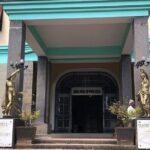
The day begins at the National Museum of Ethiopia, and yes, it’s the place most people travel for. You’ll spend about 2 hours there, with admission included, which gives you enough time to see the fossilized humanoid associated with Lucy and also take in the broader collection.
What I like about starting here is that it sets a baseline. Instead of jumping straight to architecture and markets, you get a sense of Ethiopia’s place in the early human story and the way the country preserves artifacts, royal items, and art. It gives context for everything else you’ll see later.
Time is the main consideration. Two hours goes quickly when you’re reading labels and taking photos, so if you’re the type who hates skimming, you’ll want to keep your priorities tight—focus on Lucy first, then choose a handful of galleries to linger in.
Ethnological Museum: Haile Selassie’s Former Palace and Cultural Artifacts
Next up is the Ethnological Museum, where you’ll spend about 1 hour 40 minutes. This isn’t just a collection in a building. The setting helps: it’s the former palace of Emperor Haile Selassie, and it’s set on the university campus with gardens and fountains around it.
Even if museums aren’t your favorite thing, this one is worth your time because it presents Ethiopia’s cultural and social history across two floors. You’re not only looking at objects; you’re seeing how different groups and traditions connect through everyday life, craft, and community identity.
The drawback is the same theme as the museum stop before. You’ll have limited time, so don’t plan on reading everything cover to cover. Go with a few themes you care about—materials, clothing styles, or regional artifacts—and let the rest stay as highlights.
St. George’s Cathedral from 1896: Menelik’s Church Stop
After the museum hours, the tour shifts to sacred architecture with St. George’s Cathedral. You’ll have about 45 minutes, and admission is included.
This stop is built around a specific detail: the cathedral was constructed in 1896 by Emperor Menelik. That time stamp matters because it gives the building a clear historical anchor. You’re not just admiring a pretty church interior; you’re seeing a landmark tied to a particular era of Ethiopian leadership.
Forty-five minutes is a quick visit, so treat it like a focused stop. I’d use the time to look closely at the features your guide points out and then move on—because the day still has another major church stop and a big market finale.
Holy Trinity Cathedral: Architecture, Imperial Tombs, and Royal Seats
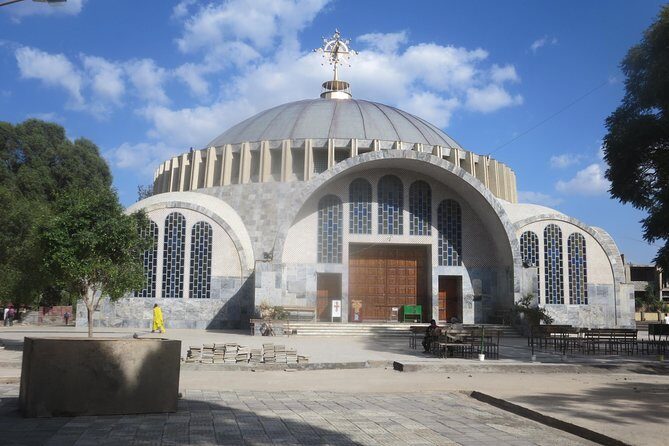
The tour’s second major church stop is Holy Trinity Cathedral, and you’ll get around 40 minutes here. This is the largest Orthodox church in Ethiopia, and it’s survived through multiple historical periods—so you’re seeing a building shaped by the passage of time.
One reason this cathedral is a standout is what’s inside. The cathedral contains the thrones and tombs of the emperor and some of the royal family. That turns the visit into more than a scenic church stop; it’s a look at how power, faith, and history were physically kept in the same place.
As with the other time-boxed stops, you’ll need to keep expectations realistic. Forty minutes is enough to grasp the main features, but not enough for a deep study if you like to linger on every small detail.
A few more Addis Ababa tours and experiences worth a look

Merkato After Lunch: Shopping Time at Africa’s Biggest Open-Air Market
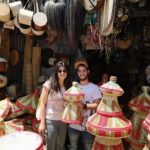
After you’ve worked through the morning and early afternoon landmarks, the tour ends with Merkato—described as Africa’s largest open-air market—for about 1 hour 30 minutes. This is the part where the tour becomes less about structured history and more about atmosphere and choice.
I like Merkato on a guided day because the guide can help you navigate what’s worth your time versus what’s just noise. You get a set slice of shopping time, and you’re not left wondering where to go first once you arrive.
That said, open-air markets can feel intense, especially if you don’t enjoy negotiating or crowd dynamics. Use the 90 minutes with a simple plan: pick what you want (souvenirs, spices, small crafts), set a quick budget, and keep moving. The best shopping moments often come from deciding fast.
Price and Value: What $82.06 Really Buys in Addis
The price is $82.06 per person, and it’s structured in a way that can make it feel fair—especially if you’re not trying to coordinate everything yourself. You get hotel or airport pickup, air-conditioned transport, lunch, coffee and/or tea, and bottled water. You also get all fees and taxes, and the key admissions you’ll enter during the day are included.
There’s also a practical value hidden in the details: having a guide does more than explain what you’re seeing. It reduces your mental load. You’re not piecing together routes, trying to find ticket counters, or guessing how long each stop will take. In a single day, that adds up to real savings in stress.
The other piece is the group size. Up to 15 travelers keeps things manageable, and with admission included at the stops, you’re less likely to get stalled by entry issues.
If you’re someone who likes flexibility, this tour is more scheduled than DIY. But if your goal is to see major Addis highlights in one go—this price feels like it’s buying convenience as much as it buys sightseeing.
Who This Tour Fits Best (and Who Might Want a Different Plan)
This tour fits best if you want a guided overview of Addis Ababa without spending your day figuring things out. It’s ideal for first-timers, people on a tight itinerary, and anyone who likes church and museum stops but still wants an active market finish.
It also works well if you value smooth logistics. One strong theme from the experience feedback is the excellent driver and the fact that the team keeps things organized. That’s not a small detail in a city where travel time can change fast.
If you want a slow, independent day—lingering for hours in one place—this probably won’t match your style. The schedule is full, and each main stop has a set time window. It’s a tasting menu, not a full banquet.
Should You Book This Full-Day Addis Ababa City Tour?
I’d book this if you want major Addis Ababa highlights with built-in time, transportation, and admissions. The combination of National Museum (Lucy), the Ethnological Museum in Haile Selassie’s former palace, two major cathedrals, and then Merkato gives you a good spread of Ethiopia’s story—humans, culture, faith, and everyday life all in one day.
If you’re traveling for maximum freedom and don’t want shopping time at all, you may feel a little boxed in. But if you’re happy to follow a plan and get the big sights handled, this tour is a strong value.
Finally, because the tour is often booked around 54 days in advance and runs with a small group, I’d lock it in earlier rather than later—especially if your dates are fixed.
FAQ
How long is the full-day Addis Ababa city tour?
The tour runs about 7 to 9 hours (approximately).
Where does pickup happen?
Pickup is offered from Bole International Airport or from your hotel.
What’s included in the tour price?
The price includes coffee and/or tea, lunch, bottled water, an air-conditioned vehicle, and all fees and taxes. Admission tickets for the listed stops are also included.
Are the museum and cathedral admissions included?
Yes. Admission tickets are included for the National Museum of Ethiopia, Ethnological Museum, St. George’s Cathedral, and Holy Trinity Cathedral.
What’s the group size like?
The tour has a maximum of 15 travelers.
Can I cancel and get a refund?
Yes. You can cancel up to 24 hours before the experience starts for a full refund. If you cancel less than 24 hours before, the amount paid is not refunded.