REVIEW · ADDIS ABABA
Addis Ababa highlight city tour
Book on GetYourGuide →Operated by LIYU ETHIOPIA TOUR AND TRAVEL · Bookable on GetYourGuide
Big history, tight timing, good guidance.
In a single $50 afternoon, I like how this tour strings together the National Museum (including Lucy), St George’s Cathedral, a walk through the city market area, and the Entoto Mountain viewpoint. The English-speaking guides (I’ve seen names like Oli and Amanuel) tend to keep the explanations practical and responsive, and the planning feels organized with hotel or airport pickup. One thing to keep in mind: the church stop can feel more about the story and setting than about well-kept displays, so focus on context and atmosphere rather than expecting a perfect museum-style site.
You’ll start at the National Museum, then head toward the north side of town for St George’s Cathedral. After that, it’s a drive toward Entoto with a stop at Shiromeda market for Ethiopian cloth, then you finish with a coffee break at Tomoka. Between city sidewalks, market crowds, and mountain roads, this is a “see a lot” tour—best if you’re comfortable walking and don’t mind that Addis can be chaotic in places.
In This Review
- Key things that make this tour worth your time
- National Museum of Ethiopia: the Lucy start that sets the tone
- St George’s Cathedral (Giorgis): Adwa commemoration and Ethiopian Orthodox culture
- Shiromeda market walk and cloth shopping: color, crowds, and real local trade
- Entoto Mountain: panoramic city views and the church-and-palace side trip
- Tomoka coffee: closing the day with Ethiopia’s best ritual
- Price and what’s actually included in your $50
- Who should book this tour (and who should skip it)
- Final call: should you book the Addis Ababa highlight city tour?
- FAQ
- Where does the Addis Ababa highlight city tour start?
- What major stops are included during the tour?
- Is the National Museum of Ethiopia included right now?
- Do I get picked up from the airport?
- Is an English-speaking guide included?
- Can I wear high-heeled shoes?
- Is this tour suitable for wheelchair users or people with medical conditions?
Key things that make this tour worth your time

- Lucy at the National Museum: a world-famous fossil experience that frames Ethiopia’s deep time in a way that’s easy to grasp.
- St George’s Cathedral details that matter: built in 1896 and connected to Ethiopia’s victory over Italy at Adwa.
- Merkato-style market walking: you’ll get out and walk toward the city’s big open-market energy instead of just driving past.
- Entoto Mountain panoramic viewpoints: Addis from above, with the city spread out below.
- Tomoka coffee at the end: a coffee stop that closes the day with something Ethiopia-famous and actually enjoyable.
National Museum of Ethiopia: the Lucy start that sets the tone
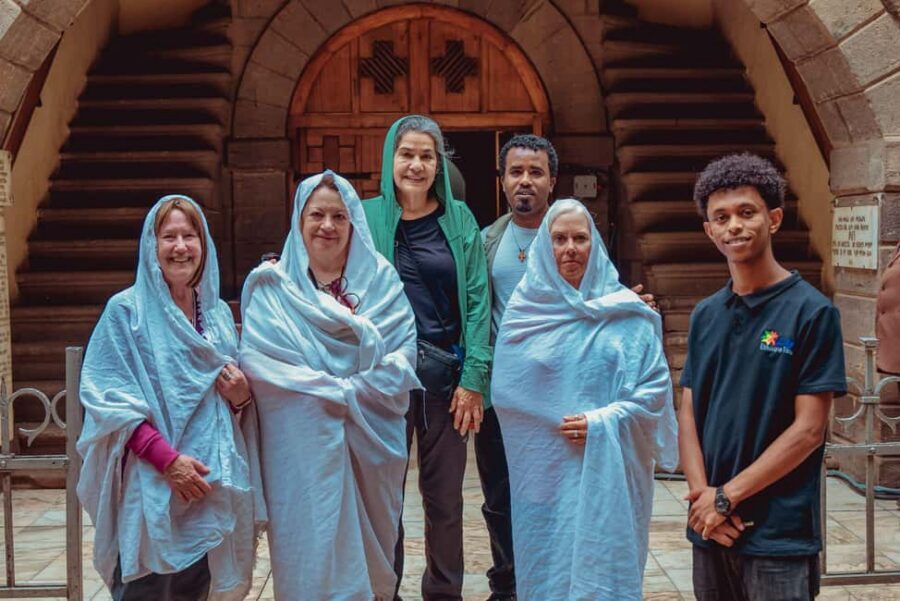
The tour kicks off at the National Museum of Ethiopia, and this is a great move for first-timers. If you start here, the rest of the day makes more sense—cathedrals, Orthodox Christian traditions, and everyday Ethiopian life all feel connected to a longer story when you’ve just seen the country’s major archaeological centerpiece.
You’ll get a full visit focused on the museum’s quality and variety. The headline is Lucy, known as Dinkinesh in the local language, described here as a 3.5 million-year-old fossil of an Australopithecus afarensis hominoid. The guide also frames why the 1974 discovery mattered—forcing a rethink of human genealogy and pushing back walking ancestors much farther in time than many people assumed.
Practical tip: if you’re the type who likes photos, arrive ready. Even if you’re not a museum person, this is the sort of place where one good explanation can make the exhibits stick. Also, the museum has reopened as of May 20, and this tour is set up to include it fully—still, it’s smart to confirm same-day access when your schedule depends on it.
You can also read our reviews of more city tours in Addis Ababa


St George’s Cathedral (Giorgis): Adwa commemoration and Ethiopian Orthodox culture

After the museum, the tour heads to St George’s Cathedral (Giorgis Cathedral), located at the north end of Churchill Road. This stop works on two levels: architecture and meaning.
Built in 1896 in a traditional octagonal shape, the cathedral commemorates Ethiopia’s victory over the Italians at the Battle of Adwa. Inside, it also connects to Ethiopian artist Afewerk Tekle, including stained-glass windows associated with the Africa Hall. If you’re trying to understand why Addis Ababa feels culturally anchored—not just modern city-on-the-hill—this is one of the clearest stops.
You’ll also learn about Ethiopian Orthodox Christianity, part of the country’s long Christian identity. Even if the site’s physical upkeep varies, the guide’s storytelling is usually the real value here: how traditions shape daily life, what symbolism means in context, and why these churches matter beyond tourism checklists.
One more practical note: church visits usually reward respectful pacing. Come with questions, and you’ll get more out of the stop than if you treat it like a quick photo break.
Shiromeda market walk and cloth shopping: color, crowds, and real local trade
Driving toward Entoto includes a stop at Shiromeda market, highlighted here as one of the biggest markets for Ethiopian traditional cloths. This is where you feel Addis Ababa as a working city, not just a set of landmarks.
What makes this stop useful for you is choice. You can watch how cloth is sold and how people negotiate and communicate. If you want souvenirs, this is the place to compare patterns, fabrics, and prices while your guide can help you navigate what’s fair and what’s just loud.
The big caution is physical: markets are crowded and movement can be slow. The tour also includes a walk toward the city’s biggest open-market area, and you’ll want to wear shoes that handle uneven surfaces and lots of standing. High-heeled shoes aren’t allowed, and that rule is there for a reason.
If you’re worried about whether you’ll enjoy a market stop, here’s my advice: go with a simple goal. Pick one thing you want to understand—cloth types, weaving patterns, or how stall setups work. You’ll feel in control even when the scene is intense.
Entoto Mountain: panoramic city views and the church-and-palace side trip
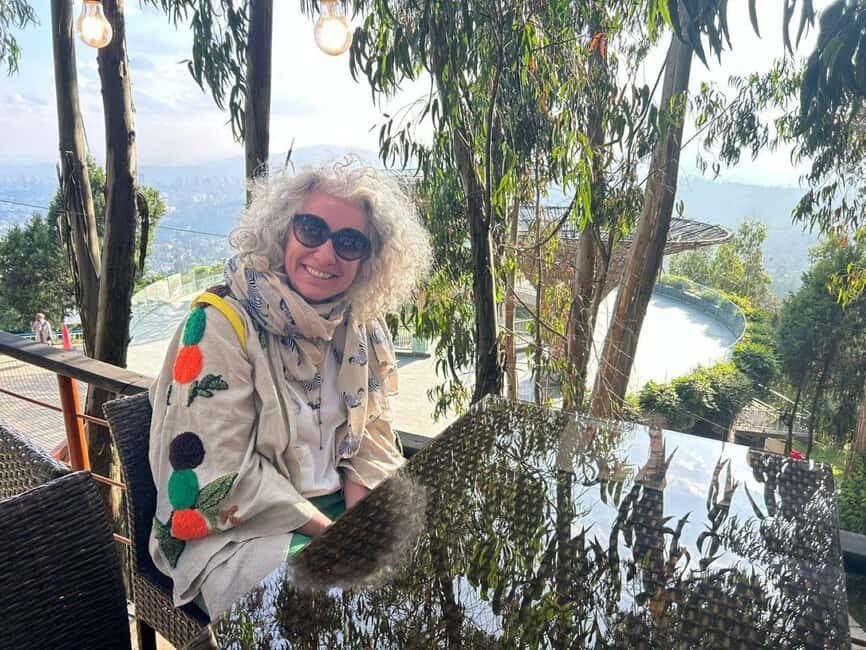
Entoto Mountain is one of those Addis Ababa spots that helps your brain map the city. The tour drives up to the commanding panoramic viewpoint, where you can see Addis spread out below.
This view is not just pretty. It gives you context for everything else you’ve seen: the scale of the city, how neighborhoods sit in relation to roads, and why certain areas feel built “around” terrain. It’s a quick reality check that turns sightseeing into understanding.
In addition to the viewpoint, some guides also route you through additional Entoto area sites. For example, one praised experience included the palace behind the church in Entoto. If that’s part of your day, it’s worth paying attention—Entoto isn’t only about a wide view. It’s also about the spiritual and historical layers tied to the church area.
Practical tip: mountain weather can shift quickly. The tour vehicle is described as comfortable, and guides tend to adjust to conditions, but you should still dress for cool moments and bring a layer if you run hot-cold.
Tomoka coffee: closing the day with Ethiopia’s best ritual
The final stop is a coffee experience at Tomoka coffee. Coffee is a key part of Ethiopian culture, and ending here makes the day feel complete. You’re coming down from altitude and traffic stress, and you get to slow down for a drink that Ethiopia is famous for for very good reasons.
Even if you don’t know the first thing about Ethiopian coffee, you’ll leave with a sense of place. The tour includes coffee, so this isn’t a vague “find coffee somewhere later” suggestion—it’s built into the schedule as a calm finale.
If you love coffee, use this as your chance to ask questions about how the coffee is prepared, what to taste for, and what makes Ethiopian coffee different from what you’re used to. If you don’t love coffee, don’t worry—you can still enjoy the ritual of stopping, watching how things move around the café, and resting your legs after the morning and market time.


Price and what’s actually included in your $50
At $50 per person, this tour is priced like a value-driven “highlights” package, and the details matter.
Included items:
- Hotel pickup and drop-off
- Airport pickup and drop-off
- All entrance fees
- An English-speaking guide
- Bottle of water
- Coffee
- Tax
What you’re really paying for is less about “transport” and more about guided access and saved time. A museum entry, a major cathedral visit, a market-focused walking portion, and an Entoto viewpoint with a coffee finish would cost more and take more effort if you pieced it together yourself—especially if you’re new to Addis Ababa navigation.
Also, the pickup/drop-off flexibility helps if you’re on a layover. Several experiences highlight the smooth logistics, including being dropped back at the airport after the tour. If your time is limited, that’s not a small perk. It’s often the difference between squeezing in Addis Ababa and just seeing the inside of your hotel lobby.
Who should book this tour (and who should skip it)
This tour fits best if you:
- Have limited time and want a clear overview of Addis Ababa (museum + cathedral + market + mountain + coffee).
- Enjoy explanations and want the guide to connect the dots between Ethiopia’s ancient past and its present-day culture.
- Prefer a structured half-day plan rather than free-form wandering.
It may not be the best fit if you:
- Need wheelchair accessibility (this tour is listed as not suitable for wheelchair users).
- Have pre-existing medical conditions that could be affected by walking, crowds, or mountain roads (not suitable for that category).
- Hate markets. Shiromeda and the open-market walk can be intense: crowd density, close quarters, and lots of movement.
If you’re a solo traveler, the tour’s structure and the emphasis on pickup/drop-off can make you feel safer and less stressed than trying to manage everything on your own.
Final call: should you book the Addis Ababa highlight city tour?

Yes—book it if you want the strongest Addis Ababa overview in one compact day. The biggest reasons are simple: the National Museum start (Lucy), the meaningful St George’s Cathedral stop, and the practical city-view payoff from Entoto Mountain, capped by coffee at Tomoka. It’s also one of those experiences where the guide can make the difference, and the tour is set up to support questions, photos, and a smooth route.
Hold off or ask more questions first if you’re very sensitive to crowds, need full accessibility accommodations, or are hoping for a museum-only day. For most first-timers, though, this is a smart way to get your bearings fast and leave Addis Ababa with a real sense of depth—not just a pile of photos.
FAQ

Where does the Addis Ababa highlight city tour start?
The tour starts from the National Museum of Ethiopia.
What major stops are included during the tour?
You’ll visit the National Museum of Ethiopia, St George’s Cathedral (Giorgis Cathedral), Shiromeda market, the Entoto Mountain panoramic viewpoint, and finish with a coffee stop at Tomoka.
Is the National Museum of Ethiopia included right now?
Yes. The information provided says the National Museum of Ethiopia has reopened as of May 20, and the tour includes a full visit.
Do I get picked up from the airport?
Yes. The tour includes airport pickup and airport drop-off.
Is an English-speaking guide included?
Yes. An English-speaking guide is included.
Can I wear high-heeled shoes?
No. High-heeled shoes are not allowed.
Is this tour suitable for wheelchair users or people with medical conditions?
No. It is listed as not suitable for wheelchair users, and it is also listed as not suitable for people with pre-existing medical conditions.