REVIEW · ADDIS ABABA
Omo Valley 5 Days
Book on Viator →Operated by Ethio Travel And Tours · Bookable on Viator
Five days, three tribal valleys, and long drives. I like the way this trip bundles village visits and entrance fees so you’re not stuck negotiating at every stop, and I really like the Lake Chamo boat trip for an early, wild-life-focused morning. The trade-off is a packed itinerary with long hours in a 4WD, so you’ll want a good attitude for road time.
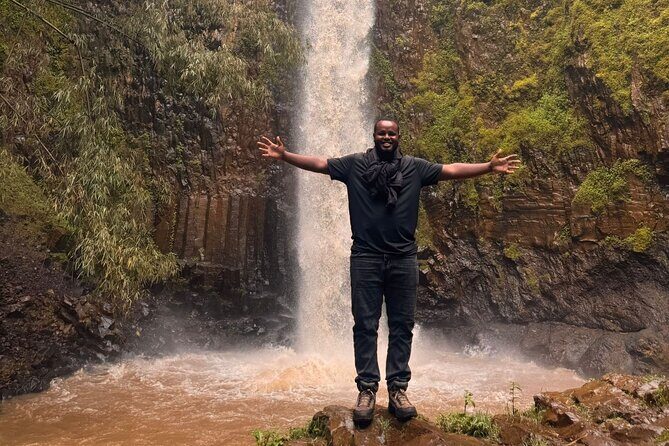
I also appreciate that the group stays small (up to 12), which makes it easier to move at a human pace and to ask questions of the local team. One name that comes up in the best Omo-day experiences I’ve heard about is local guide Euale—exactly the kind of guidance that helps you see past the photo moments and understand what you’re looking at.
In This Review
- Key highlights I’d plan around
- The big-picture feel: culture, distance, and how the timing works
- Addis Ababa to Arba Minch (and the Konso setup)
- Karo at Kolcho and Hamer near your lodging: body paint, pride, and real villages
- Day 3 around Jinka: museum context plus a chance to walk and talk
- Mago National Park and Mursi villages: lip plates, changing customs, and distance
- Lake Chamo and the Dorze weaving stop: false bananas and serious craft
- Konso lodging and the practical comfort factor
- Price and value: what $1,153.85 buys you (and what it doesn’t)
- The organization question: plan smart, and confirm the basics early
- Who should book this Omo Valley trip (and who should skip it)
- Should you book Omo Valley 5 Days with Ethio Travel And Tours?
- FAQ
- Are flights included in the tour price?
- What’s included on the ground besides transport?
- Do I get a boat trip on Lake Chamo?
- How many people are in the group?
- Is pickup offered?
- Are camera or video fees included?
- What happens if the weather is bad?
Key highlights I’d plan around
- Village and elder payments included, so you spend your energy on people, not logistics
- Lake Chamo boat trip in search of enormous crocodiles and maybe hippos
- 4WD Toyota Land Cruiser for the Omo-region roads (expect lots of seat time)
- Multiple tribal stops: Karo (Kolcho), Hamer, Mursi (Mago), and Dorze (Chencha area)
- Konso time built into the route, with lodging referenced as a positive part of the trip
The big-picture feel: culture, distance, and how the timing works
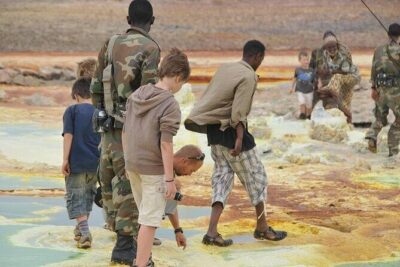
The Omo Valley is not a “stand in one place and take photos” destination. This trip moves you through several different communities—Karo along the Omo River banks, Hamer near your accommodation, Mursi in the Mago National Park area, and Dorze in the Chencha mountains. Each day is designed around a specific cultural theme plus the physical reality of getting there.
What I like about this style of trip is that it’s structured. You’re not guessing what’s included and what isn’t—you’ve got ground transport lined up, local guides and scouts where needed, and entrance fees plus village and elder payments covered. That matters because, in places like this, the difference between a good experience and a frustrating one is often the small frictions.
The main consideration: the pace is intentionally busy. Several days are roughly 7 hours of driving plus village time. That can be thrilling if you’re here for the journey, but it can feel tiring if you’re hoping for long, slow breaks.
A few more Addis Ababa tours and experiences worth a look
Addis Ababa to Arba Minch (and the Konso setup)

Day 1 starts with a flight from Addis Ababa to Arba Minch, then a drive onward to Konso. This is a practical way to reduce wasted time and jump you closer to the tribes and parks you’ll spend the next days exploring.
You’ll also feel how the region changes as you travel. Arba Minch is known for its fertile valley and fruit production (the name is often linked with Forty Springs), while Konso is part of the wider Southern Nations, Nationalities, and Peoples context that the rest of the tour flows into. Even on a “travel day,” this route gives you a sense that the Omo area is about variety—different climates, different livelihoods, and different ways people make a living.
If you’re prone to motion sickness, plan for it. You’ll be in a vehicle for long stretches, and the tour’s core promise is getting you to the right places early enough to see them while you’re still alert.
Karo at Kolcho and Hamer near your lodging: body paint, pride, and real villages

This is where the tour leans hardest into culture. Day 2 takes you out to the Karo people at Kolcho village on the banks of the Omo River. The Karo are known for traditional body painting, and that usually means you’ll see strong visual identity—patterns, colors, and a sense of self-expression that’s more than costume.
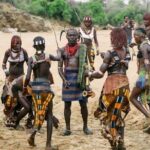
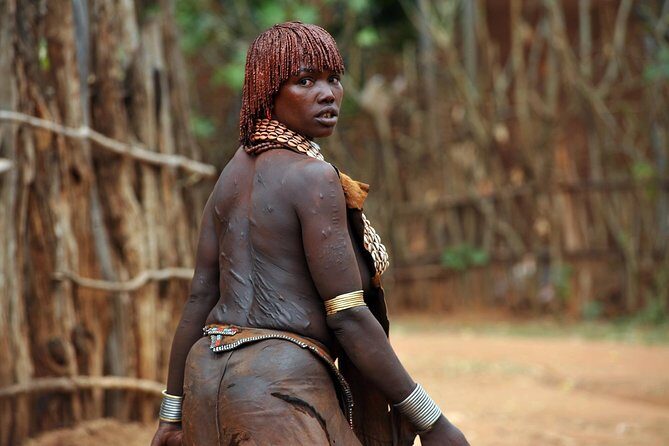
Later that day you visit Hamer village(s) near your accommodation. The Hamer are described as people who take great pride in appearance. Women’s red-dyed, plaited hair and leather skirts decorated with shells are part of what you’ll notice right away. You’ll also get a look at the built environment: homes made with local materials like mud, wood, and thatch.
Two things make this kind of visit work well. First, you’re seeing daily life within a defined community layout—villages organized around extended family groups with huts close together. Second, the tour includes the practical pieces (admission and village-related payments) so you’re less likely to end up waiting while details get sorted out.
One caution to keep in mind: these communities are not “open-air museums.” If you want a respectful experience, approach slowly, ask before you photograph when it’s reasonable, and be ready for a lot of attention back at you. The best way to earn comfort on both sides is patience and manners.
Day 3 around Jinka: museum context plus a chance to walk and talk
Day 3 starts with driving across dry sandy plains toward Key Afar, then into more fertile rolling hills to reach Jinka. It’s a long day (about 7 hours), but it’s also a built-in transition—from arid zones to landscapes where farming and vegetation look more present.
At Jinka you visit a small museum. That’s a key part of the value here. Tribal visits can become repetitive if you only see bodies, clothes, and buildings. A short museum stop helps you anchor what you’ll see next in context: customs, social structure, and how people understand their world.
You also have an optional walk down toward town, with the chance to meet people along the way before driving to accommodation. This is the “human pause” part of the itinerary. Don’t expect it to remove the overall intensity of the schedule, but it does break up the day and gives you a little breathing room.
If you like photography, this day can be a strong one because town edges often give natural street-life moments without the pressure of village entry. Just remember: in places like this, “permission culture” matters more than equipment.
Mago National Park and Mursi villages: lip plates, changing customs, and distance
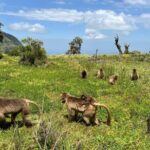
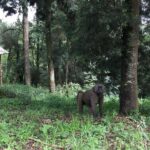
Day 4 is an early-start day. You drive across mountains through scenic Ethiopian countryside and into the drier Mago National Park area, where you may see wildlife such as dik dik and the lesser kudu.
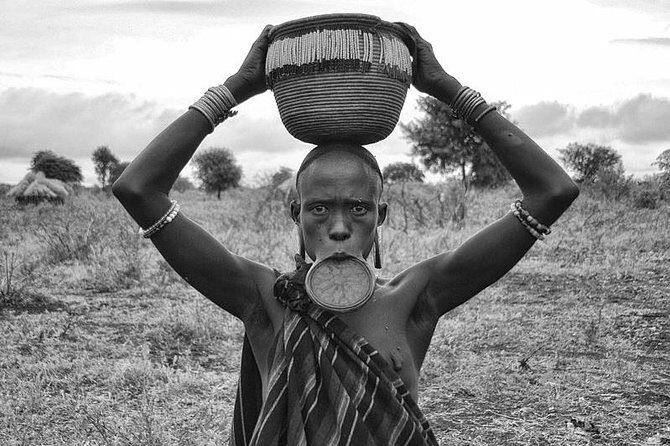
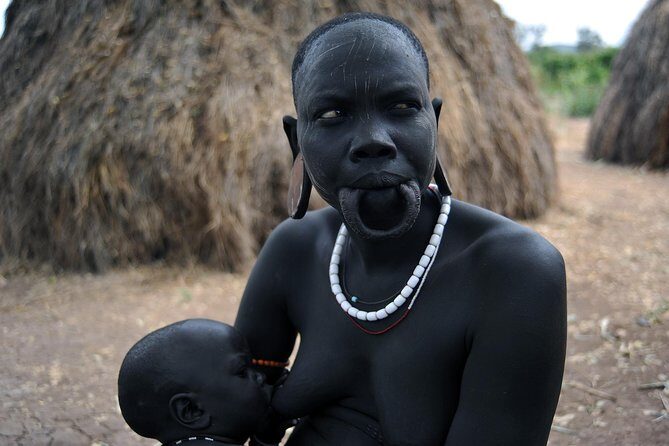
After the park section, you visit a Mursi village. The Mursi are known for decorated clay plates inserted in the lower lips of women. The tour notes that the practice begins in adolescence and plate sizes can become large. It also points out that the custom appears to be used less now, and some older women may have loose skin without a plate.
That detail matters because it keeps the experience grounded. It’s not just a “look at the tradition” moment. It’s a chance to understand how culture evolves under pressure—through contact, changing norms, and shifting economic realities.
One more thing: Mago is not a short stroll area. You’re moving through park country and then village visits afterward. So the practical move is to pack for a long day: water, sun protection, and comfortable clothing that you don’t mind getting dusty.
Lake Chamo and the Dorze weaving stop: false bananas and serious craft

Day 5 turns into a mix of highlands and water wildlife. You drive from fertile areas across dry plains to Arba Minch, then onward into the Chencha mountains to visit a Dorze village.
The Dorze are noted for fine weaving in wool and cotton—this is one of the best parts of the trip if you like buying small, meaningful crafts. You’ll also see the Dorze homes described as tall, beehive-shaped thatched structures. That shape is instantly memorable, and it gives you a sense of how architecture grows from local materials and needs.
The tour also ties in a food-to-craft connection: the “false” banana (ensete) gets a demo, including many uses. This is one of those details that turns the visit from “tourist stop” to “how people actually live.” You learn that what looks like a banana from a distance is really part of a bigger plant toolkit.
After a picnic lunch, you reach Lake Chamo and take a boat trip in search of enormous crocodiles and possibly even hippos. This is where the early start pays off: water wildlife is much easier when conditions are good and you’re out before the day heats up.
If you’re prone to motion sickness, keep that in mind on the boat. And if you’re expecting guaranteed crocodile sightings—calm down a bit. This is wildlife viewing in a natural setting, not a zoo schedule.
Konso lodging and the practical comfort factor
Konso is more than just a transfer point on this route. Lodging is included, and one of the best elements repeatedly called out in positive experiences is the stay in Konso—highlighted specifically as a Konso Hotel that worked well.
This matters because the tour is physically demanding. Having decent rest matters. You’re not just “between sights.” You’re driving in a 4WD vehicle, spending time in hot sun, and then doing visits that are socially intense. A comfortable base helps you keep your head clear for the next day.
So when you book, think about sleep as part of the value, not an afterthought.
Price and value: what $1,153.85 buys you (and what it doesn’t)
At $1,153.85 per person, this tour sits in the “serious experience” range. The value is strongest in what’s included: ground transportation by 4WD Toyota Land Cruiser, local guides and scouts, the boat trip on Lake Chamo, and—big one—entrance fees plus village and elders’ payments.
Those inclusions are not small details. They reduce the chance that you’ll lose hours to on-the-spot charges or negotiation. They also support the idea that the visit is organized around permission and community interaction, not just walking in.
What’s not included is equally important. Flights are listed as not included (international and domestic). Alcohol is not included. Anything related to videography or camera fees is not included if they’re required. And the tour includes bed and breakfast, plus 4 breakfasts, which means you should budget lunches and dinners separately.
If you compare prices, don’t just look at the number. Check whether the package truly covers the village entry and park-related pieces you’d otherwise have to arrange yourself.
The organization question: plan smart, and confirm the basics early
Here’s the balanced part. Not every experience reads the same. One account described extremely poor organization and weak communication, even calling the trip chaotic. That’s not something you should ignore.
On the flip side, other experiences praised service, the suggested route, and smooth cooperation, including strong notes about a cruise and the Konso stay. The difference often comes down to how your specific dates get handled and how quickly issues are corrected if something changes.
My practical advice if you book: before you go, confirm key points in writing—your domestic flight timing (since flights are listed as not included), pickup details, and exactly which costs are covered on the ground. This tour offers mobile ticketing and pickup, but your best move is still to line up the details so there are no surprises when you’re tired after travel.
Also, come with flexibility. Good weather is required, and the tour can be canceled due to poor weather. Build in patience for weather-driven schedule shifts.
Who should book this Omo Valley trip (and who should skip it)
This tour is best for you if:
- You want a structured introduction to Southern Ethiopia with multiple tribal communities rather than just one stop.
- You like guides and you want the entrance/village payments handled.
- You can handle long driving days in a 4WD and you’re excited by early starts.
You might want to skip or choose a different style of trip if:
- You need a very relaxed pace with minimal travel time.
- You get upset easily with last-minute changes, since the region’s realities and weather can affect timing.
- You prefer day trips with lots of free time to wander without a fixed route.
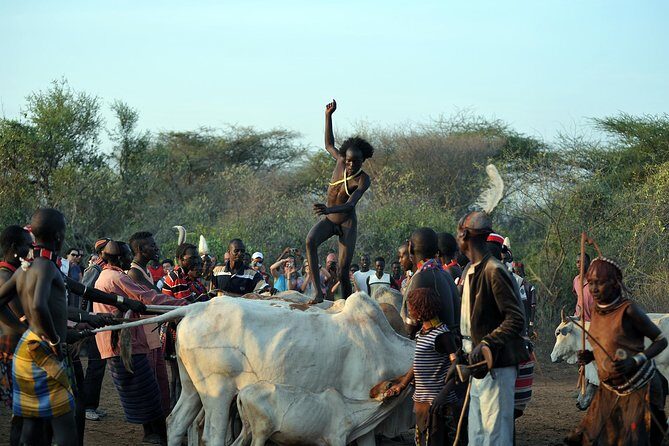
If you’re traveling with kids, this can still work—one family-style experience described seeing authentic tribal moments and even a bull-jumping event during the Hamer portion when timing lined up. That said, you should still expect heat, dust, and social intensity.
Should you book Omo Valley 5 Days with Ethio Travel And Tours?
I’d book this if your priority is a guided, fee-covered route through the Omo Valley and you’re ready for the long-road reality. The included village and elder payments, the Lake Chamo boat trip, and the chance to see Karo, Hamer, Mursi, and Dorze in a tight window are the reasons to choose this over piecing everything together.
I wouldn’t book blindly. Send a message before departure and get clarity on the flight pieces and day-by-day timing. Then go in with respect-first expectations. If you do that, you’re much more likely to end up with the best version of this trip: memorable people, real crafts, and wildlife on the lake.
FAQ
Are flights included in the tour price?
No. The tour lists international and domestic flights as not included. The itinerary references flying between Addis Ababa and Arba Minch, but you should expect to arrange or pay for flights separately.
What’s included on the ground besides transport?
Ground transportation is included via 4WD Toyota Land Cruiser, plus local guides and scouts where needed. The package also includes bed and breakfast (with 4 breakfasts), entrance fees, village and elders’ payments, and the boat trip on Lake Chamo.
Do I get a boat trip on Lake Chamo?
Yes. A boat trip on Lake Chamo is included, done in search of crocodiles and possibly hippos.
How many people are in the group?
The tour has a maximum of 12 travelers.
Is pickup offered?
Yes, pickup is offered.
Are camera or video fees included?
No. Any videography or camera fee needed is not included.
What happens if the weather is bad?
This experience requires good weather. If canceled due to poor weather, you’ll be offered a different date or a full refund.