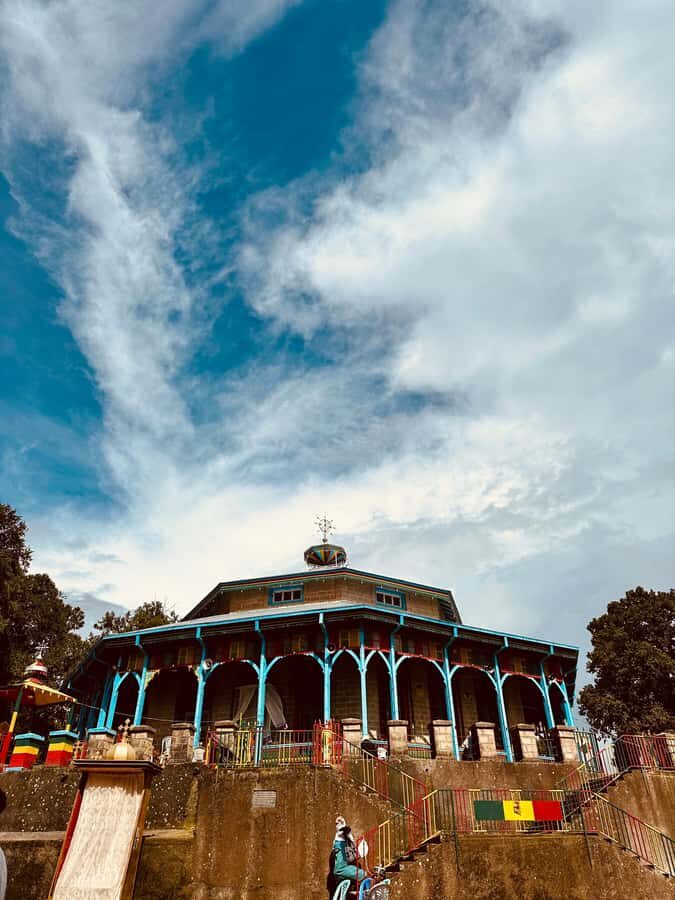
REVIEW · AXUM
Two Days Trip in Axum and its Surroundings
Book on Viator →Operated by Gelila Ethiopia Tours · Bookable on Viator
Axum is history you can walk through. This two-day trip ties together UNESCO sites and the working landscape around them, with private transport and a guide who keeps the story clear. You get a focused plan for Axum without wasting time figuring out logistics.
What I like most is the mix of big, famous monuments and the “how did they build that?” details. The Ruins of Aksum city tour sets the background for the Aksumite Kingdom, while Gobo Dura shows the quarry reality behind the stele tradition. Guides associated with Gelila Ethiopia Tours, including Asgedom Tazeze and Muez Tewelede, are known for solid English and practical explanations that make the sites click.
One thing to consider: food and accommodation are not included, so you’ll need to budget and plan your meals and where you sleep. Also, the schedule is long across both days, and the operator notes it’s not recommended for current or previous medical problems.
In This Review
- Key highlights you’ll feel right away
- Why Axum feels different than most ruin trips
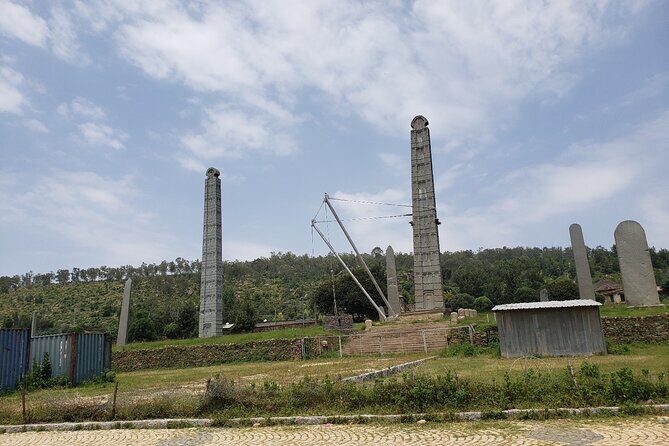
- Day 1: UNESCO Ruins of Axum and the stories behind them
- Day 2: Gobo Dura quarry, lioness carving, and rural life
- Old town walk: seeing continuity, not just ruins
- Guides that make the sites make sense
- Price and what you get for $105 per person
- Getting around: private minivan, airport transfers, and start time
- What to watch for: pace, weather, and meal planning
- Best fit: who this two-day Axum trip is for
- Should you book this Axum two-day tour?
- FAQ
- FAQ
- What does the tour price include?
- How much does it cost and how long is it?
- What time does the tour start?
- Is pickup available?
- What will you see on the two days?
- What language does the guide speak?
- Can I cancel for a full refund?
Key highlights you’ll feel right away
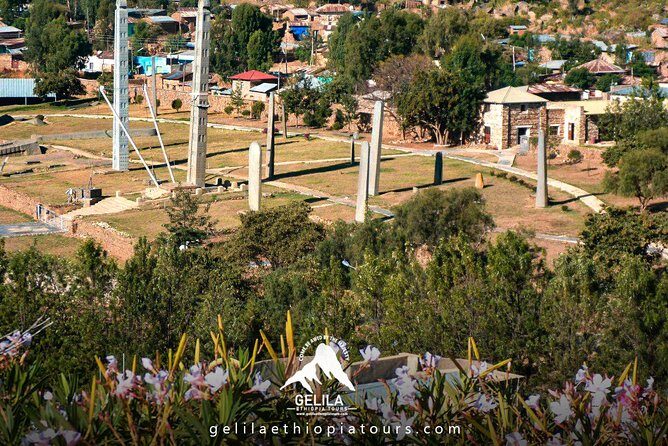
- UNESCO Ruins of Axum city tour that connects legends to the Aksumite Kingdom’s rise.
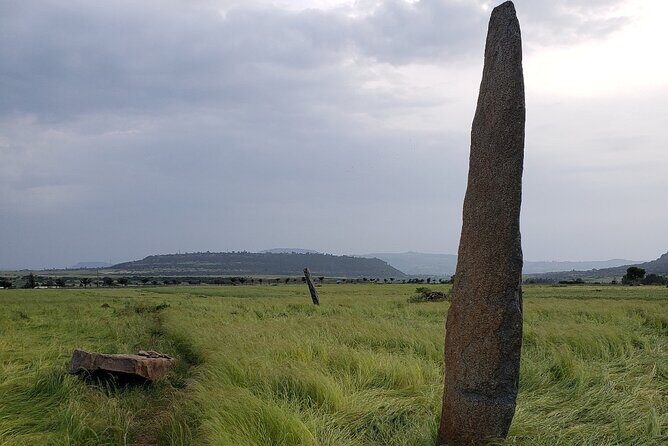
- Gobo Dura quarry visit showing unfinished stele evidence and quarry/transport marks.
- Lioness carving in big granite at Gobo Dura—quick to spot, memorable in photos.
- Small group limit (max 15) with private transportation by air-conditioned minivan.
- Bottled water throughout and airport transfers included, so you start tours with less stress.
- Guides fluent in English and French, helpful when you want real context, not just names.
Why Axum feels different than most ruin trips
Axum is the kind of place where you can feel the layers. This isn’t only about monuments on a postcard; it’s about a trading crossroads that mattered in its region long before the Roman world was writing much about it. The tour’s framing makes that clear, from early Aksumite power to later Christianity and diplomacy.
You’ll also get a guided thread through the eras. The story starts with Axum’s role as a marine-trading power, then moves into the Christian turning point credited to Frumentius around the mid-3rd to mid-4th century. Later, under King Kaleb, Axum is described as a quasi-ally of Byzantium against the Persian Empire, with much of what we know preserved through church records.
That context matters because it changes how you look at stones. Instead of treating ruins as random “old stuff,” you start asking practical questions: who built this, why it mattered, and how the belief system shaped what survived.
You can also read our reviews of more tours and experiences in Axum.


Day 1: UNESCO Ruins of Axum and the stories behind them

The day starts after pickup and hotel check-in. You then step into the UNESCO World Heritage Site for a guided city tour of the Ruins of Aksum. Admission tickets are included, which keeps the day smooth.
Here’s what makes this day work: you don’t just get a list of places. You get the human narrative that local tradition ties to the site. Legends in the Kebre Nagast, also called the Book of Kings, are part of the tour framing—especially the idea that Queen of Sheba’s story connects to Axum. The tour also references Menelik and the Ark of the Covenant being brought from Jerusalem, with the belief that it has remained preserved in a sanctuary.
Even if you treat legends as tradition rather than documented history, they still shape Axum. They influence what locals value, what gets protected, and why these locations feel sacred beyond their age.
Practically, plan for a long, full sightseeing block. The Ruins city tour is listed at around 9 hours, so you’ll want comfortable shoes and patience for slower moments where you’ll want to look longer. If you like history, this day satisfies the “big picture” craving fast.
Small practical tip: because this is a city-tour style day, you’ll get more value from asking your guide questions. When the guide is fluent in English or French, you’ll get clearer answers on symbols, timelines, and why certain areas are emphasized.
Day 2: Gobo Dura quarry, lioness carving, and rural life
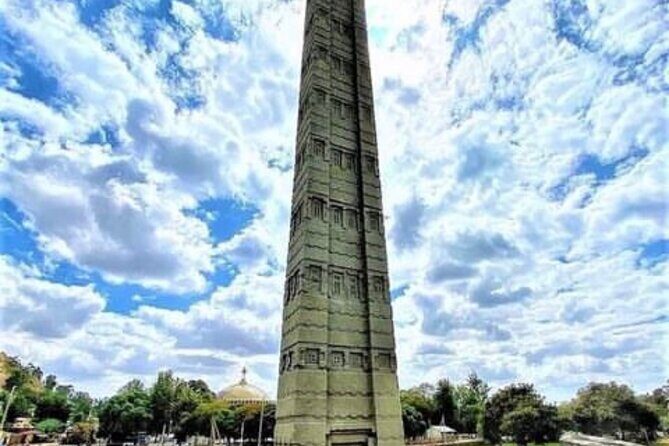
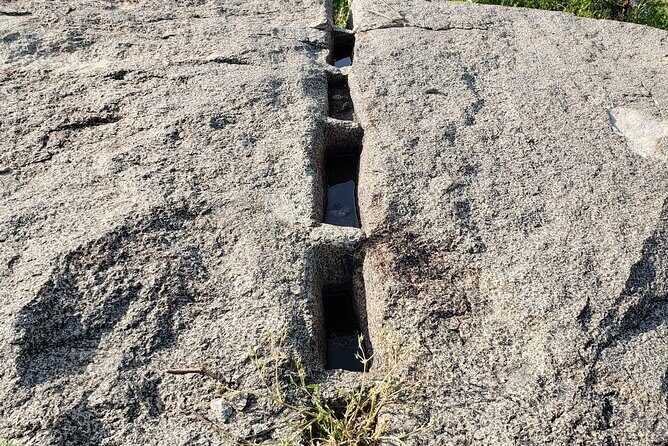
Day two shifts from city ruins to the source of stone—and that’s the “aha” moment of this whole trip. You’ll go to Gobo Dura, described as an important quarry for the Great Stele of Axum. This is where you see evidence of unfinished stele work and marks showing how people quarried and moved huge blocks to their later locations.
That kind of detail is rare on short trips. Most tours stop at monuments. Here, you get a window into process: tools, effort, and the logistics of moving heavy stone in the real world.
The site is also part nature break. You may spot birds and monkeys depending on season, plus different vegetation types and farming life nearby. That means your brain gets a reset after the dense history of day one.
One specific visual you should watch for: the lioness carved in granite at Gobo Dura. It’s a carved image in a big stone, and it’s the kind of stop that feels satisfying even if you’re not a hardcore history fan. You’ll also get more context for how the Aksumite world expressed meaning through stone, not just architecture.
After lunch, there’s a gentle walk through the old town of Axum. The goal is to see continuity and change—how Axumite identity echoes in daily life even when the empire has long passed. This part is shorter and easier-paced, which balances the quarry morning.
Old town walk: seeing continuity, not just ruins
The old town portion is easy to underestimate until you’re in it. After quarry and history-heavy stops, you get a slower way to process the day. You’ll be walking and observing how Axum feels now, not only how it looked in ancient times.
The tour frames the walk as a way to witness change and continuity of the Axumite Empire through time. That doesn’t mean you’ll see ancient buildings intact everywhere. It means you’ll understand that identity lingers—through sacred traditions, local priorities, and the way people live around the historic core.
I like this structure because it prevents the classic “ruins fatigue.” You don’t leave day two feeling like you only saw rocks and stopped for photos. You leave with a sense of place.
Guides that make the sites make sense
This is one of the best parts of the experience: the guiding style. The operator emphasizes professional local guides who speak English and French, and the name recognition from the guides is a good sign. Asgedom Tazeze and Muez Tewelede come up in strong terms for being organized and clear, with thoughtful explanations of religious sites and local cultural norms.
Here’s why that matters in Axum: much of what you’ll hear is layered. There are historical claims, religious tradition, and place-based storytelling that you can’t fully separate from each other. A guide who can translate the logic behind what you’re seeing makes your visit more than a photo session.
If you care about respectful context, you’ll appreciate the guide attention to customs and norms. When people understand how to behave at religious sites, your time goes smoother and you stay focused on what matters.
Also, small-group size (up to 15 travelers) helps. You’re less likely to feel like you’re herded. Your guide can adjust pace and questions without the group splitting into chaos.

Price and what you get for $105 per person
The price is $105 per person for about two days. On paper, that’s a simple number. In real terms, it’s the value of what’s included.
You’re covered for:
- Private transportation by an air-conditioned minivan
- All entrance fees and licenses listed in the program
- All fees and taxes
- Fuel and driver allowance
- Professional English and French-speaking local guide
- Airport transfers from and to Axum Airport
- Bottled water throughout the tour
What’s not included:
- Food and drink
- Accommodation
- Tips and personal items
- International/domestic airfare
- Anything not listed as included
So the “real cost” isn’t just the $105. You should add meals and a place to stay. But the tradeoff is you aren’t paying extra line-by-line for entry tickets or scrambling to arrange transport once you land.
If you’ve ever spent a day negotiating taxis while trying to keep track of time, the included private vehicle is a big deal. Axum days move at sightseeing speed. The tour structure keeps you from losing hours to logistics.
Getting around: private minivan, airport transfers, and start time
This experience uses private transportation and includes from-and-to Axum Airport transfers. That’s especially helpful if you’re arriving on a flight schedule that doesn’t perfectly match your sightseeing plan.
The start time is 11:00 am. That detail matters because it shapes day one. You may not get an early-morning start unless you’re already in Axum and ready. If your flight lands late, plan buffer time.
The tour is capped at 15 travelers, which usually means fewer delays. It’s also a comfort win since you’re using a minivan rather than a series of packed rides.
One more practical note: bottled water is included through the tour, which helps you avoid constant stops for drinks. You’ll still want to bring sun protection and consider a light layer, since conditions can shift between quarry, town walking, and any time you’re exposed outdoors.
What to watch for: pace, weather, and meal planning
The schedule is two full sightseeing days: roughly 9 hours for the Ruins of Axum day, then about 8 hours for day two. That’s not a gentle museum stroll. You’ll want comfortable walking shoes and realistic expectations for energy.
Weather matters too. The operator notes the experience requires good weather, and if it’s canceled due to poor weather, you’ll be offered another date or a full refund. In other words: don’t plan for this trip as the one perfect window unless your travel dates are flexible.
Food is the big planning gap. Since food and drink aren’t included, you’ll want to know where you’ll eat each day. If you have dietary needs, plan ahead with your hotel. Also budget for snacks, because quarry and long city tours can make you hungry faster than you expect.
The operator also states it’s not recommended for travelers with current or previous medical problems. If that applies, check with your doctor before booking and be honest about how much walking and time outdoors you can handle.
Best fit: who this two-day Axum trip is for
This trip is a great fit if you want:
- A short, high-impact introduction to Axum’s key sites
- A guided explanation of both monuments and the stone-quarry logic behind them
- A manageable group size with private transport
- English or French guidance that keeps the day understandable
It also works well for people combining history with “real place” time. The old town walk and the Gobo Dura rural-life elements add breathing room.
If you’re the type who loves archaeology-level details, the Gobo Dura quarry stop is likely to feel like the highlight. If you prefer religious sites and sacred storytelling, the Ruins of Axum day gives you the most relevant context.
If you’re traveling with limited flexibility, the start time at 11:00 am and the long day blocks are worth factoring in. And if you want a slower, deeper dive into more sites than Axum itself, you may want to pair this with additional northern Ethiopia days via other packages.
Should you book this Axum two-day tour?
If your goal is a focused, well-organized two-day Axum experience, I’d say yes—especially because so much is handled for you. The combination of UNESCO ruins, a quarry visit that explains how stone became monuments, and strong guide support with English/French makes the price feel fair.
I’d skip it or think twice if:
- You want food and accommodation bundled into one price
- You’re sensitive to long days and extended walking
- You have medical concerns that could be affected by long outdoor hours
Booking this makes the most sense when you’re already in Axum or arriving soon, so you can use the included airport transfers and not burn time on extra planning.
FAQ
FAQ
What does the tour price include?
The price includes private transportation, all fees and taxes, entrance fees and licenses as per the program, an air-conditioned minivan with fuel and driver allowance, a professional English and French-speaking local guide, airport transfers from and to Axum Airport, and bottled water throughout the tour.
How much does it cost and how long is it?
It costs $105.00 per person and runs for about 2 days.
What time does the tour start?
The start time is 11:00 am.
Is pickup available?
Yes. From-and-to Axum Airport transfers are included, and the tour notes pickup is offered.
What will you see on the two days?
Day 1 focuses on the Ruins of Axum UNESCO World Heritage Site for a city tour. Day 2 includes a visit to Gobo Dura quarry (with the lioness carving) and then a gentle walk on the old town of Axum after lunch.
What language does the guide speak?
The guide provides professional support in English and French.
Can I cancel for a full refund?
Yes, you can cancel up to 24 hours in advance for a full refund. If you cancel less than 24 hours before the start time, the amount you paid won’t be refunded.