REVIEW · ADDIS ABABA
Food tours in Addis Ababa tastever with lunch
Book on GetYourGuide →Operated by Aman Ethiopia Tour & Travel · Bookable on GetYourGuide
Spice, smoke, and fresh injera start this day. This Addis Ababa food tour pairs a trip through Merkato with hands-on cooking at a home kitchen, so you see how Ethiopian meals move from market bags to the plate. I also love learning the Ethiopian coffee ceremony protocol, not just grabbing a drink, and there is one drawback to note: it is not suitable for people with food allergies.
You’ll shop, cook, and then sit down for lunch with lentil stew and tastings of Ethiopian favorites. I liked how guides such as Joseph and Dagi bring the day to life with practical context, from how people shop in the city to what different dishes are actually made of.
In This Review
- Key Highlights You’ll Actually Feel
- Merkato Morning: Africa’s Largest Open-Air Market in Real Life
- Fresh Produce Corner: Buying Ingredients for Injera and Lentil Stew
- Driving to the Kitchen: Where Hands-On Cooking Changes Everything
- Injera From Teff: Fermentation, Starter, and Hot-Pan Technique
- Ethiopian Coffee Ceremony: Three Rounds and Real Hospitality
- Ethiopian Lentil Stew for Lunch: Flavor That Builds Without Meat
- Guides, Routes, and What to Expect Day-of
- Price and Value: Is $76 a Good Deal for Addis Ababa?
- Who Should Book This Food Tour (and Who Should Skip It)
- Quick FAQ for Addis Ababa’s Food + Lunch Tour
- FAQ
- What does the tour include?
- Where does the tour start and where does it end?
- What Ethiopian dishes will I learn about?
- How does the injera-making part work?
- Is Ethiopian coffee included?
- Are alcohol drinks included?
- Is it offered in English?
- Should You Book This Addis Ababa Food Tour?
Key Highlights You’ll Actually Feel
- Merkato on a big scale: an open-air marketplace established by the Italian around 1937, stretching across several square miles.
- Ingredient shopping with a purpose: you pick up fresh produce items before heading home to cook.
- Injera the real way: teff flour starter, fermentation, and hot-pan cooking for those spongy flatbread layers.
- Coffee ceremony with three rounds: served with Ethiopian hospitality protocols and symbolism.
- Lentil stew that makes sense: learn the core ingredient mix used for a meatless comfort dish.
Merkato Morning: Africa’s Largest Open-Air Market in Real Life
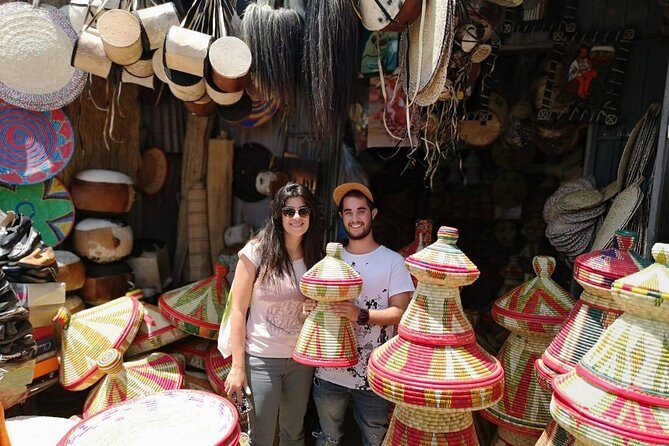
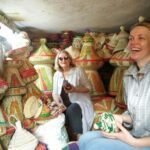
I like starting this kind of food day with a market, because it answers the big question: where does the food really begin? Here, you drive to Merkato, described as the largest outdoor market in all of Africa, established by the Italian around 1937. The numbers are eye-opening—covering several square miles and employing an estimated 13,000 people across thousands of businesses—so you get a sense this is not a tiny tourist bazaar. It is part of Addis Ababa’s daily food engine.
Merkato is also a culture lesson in motion. When you see spices, grains, vegetables, and sellers all operating in one place, you understand why Ethiopian cooking leans on warm spices, sour-fermented staples, and slow-building flavor. If you like food history, this is the kind that lives in people’s routines.
Practical note: wear shoes you can stand in. The market is large, and you’ll spend time walking through stalls and gathering ingredients.
You can also read our reviews of more food & drink experiences in Addis Ababa
Fresh Produce Corner: Buying Ingredients for Injera and Lentil Stew
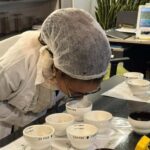
Next comes a fresh produce market stop where you buy the items needed for the cooking part. This is more than a scenic break. You’re selecting the building blocks for what you’ll taste later, including ingredients used for Ethiopian lentil stew and whatever else your cook needs for the day’s meal plan.
What I like about this segment is the logic. Injera and lentil stew don’t happen out of thin air. By shopping first, you make the connection between what you see in the market and what you’ll prepare at home.
If you are the type who always wonders why certain ingredients show up again and again in Ethiopian food, pay attention here. Tomatoes, onions, and spice blends do a lot of work, and you’ll see them show up before they ever hit a pan.
Driving to the Kitchen: Where Hands-On Cooking Changes Everything
After the market stops, you head to a home kitchen for the cooking portion. This is the heart of the experience. Watching Ethiopian food happen in someone’s everyday space beats learning from a screen, because you pick up rhythm: when ingredients go in, how the texture should look, and how the cook judges timing by smell and sound.
You’ll also have the chance to learn from a native cook how to bake and prepare Ethiopian staples. That matters because Ethiopian food is method-heavy. Even when the ingredient list seems simple, the process creates the flavor and the signature textures.
Injera From Teff: Fermentation, Starter, and Hot-Pan Technique
“Injera” is the national food in Ethiopia, and this tour treats it like the main character. You’ll learn the process step by step: how teff flour and water are fermented into a starter, how that starter is mixed again with flour and water, and how the batter then sits to ferment before cooking.
Here is what you’re working toward: injera is a spongy flatbread made by cooking thin pancake-like layers on a hot pan. The key skill is understanding that fermentation is not optional. Without that step, you don’t get the right sour character and the texture that makes injera work as both food and utensil.
You’ll also learn to cook it, not just watch. That turns injera into a hands-on skill exercise, which is more memorable than tasting alone. And once you’ve made even one batch, you start noticing injera’s role in the meal—how it soaks up sauces, how it supports flavors, and how it shapes the whole eating experience.
Tip: injera cooking can be a little technical. Don’t worry if yours looks different at first. The point is learning the method.
Ethiopian Coffee Ceremony: Three Rounds and Real Hospitality
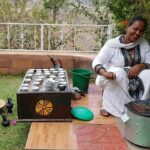
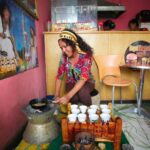
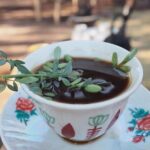
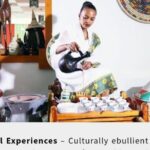
Between cooking and lunch, you’ll experience an Ethiopian coffee ceremony. This isn’t just a caffeine stop; it’s explained as a social ritual built around specific protocols that symbolize friendship, respect, and hospitality.
You’ll learn how the ceremony typically works: three rounds of coffee, each with its own meaning and place in the sequence. That structure helps you understand why Ethiopians treat coffee as a time to connect, not a quick grab-and-go drink.
What I like about this part of the tour is how it ties to food culture. Coffee ceremonies are part of daily life and also special occasions, so they help you see Ethiopian hospitality as something consistent—much like how meals share routines: prep, cook, serve, and gather.
If you are a coffee person, you’ll appreciate hearing the ceremony explained in context. If you just want the flavor, you still get the added layer of why it’s served this way.
A few more Addis Ababa tours and experiences worth a look
Ethiopian Lentil Stew for Lunch: Flavor That Builds Without Meat
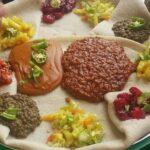
Lunch is built around Ethiopian lentil stew, described as easy to make and known for an incredible depth of flavor. Even if you eat meat, this dish deserves a spot in your rotation because it shows you Ethiopian cooking’s strength: turning simple ingredients into something layered and satisfying.
You’ll learn the core ingredient set, including:
- pepper powder
- tomato
- onion
- food oil
- a little table salt
That list is useful because it demystifies the stew. You see that the magic isn’t only in rare ingredients—it’s in the combination and the cooking process. And because the dish is a meatless option, it’s a great fit if you like vegetarian meals or want a break from heavy meat during your trip.
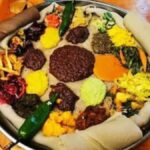
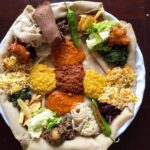
Along with lentil stew, you’ll taste varieties of delicious Ethiopian meals. That tasting part matters because it rounds out the day. You’re not stuck only with the dishes you cook. You can compare flavors, textures, and spice levels, and start building your own sense of what you want to order again later.
Guides, Routes, and What to Expect Day-of
The tour runs with hotel or airport pickup, then driving between stops. You’ll meet the staff and start with Merkato, then move to the fresh produce market, and finally return to the home kitchen. Lunch is included, and you’ll end with a drive back to your hotel or airport.
I also like the way the experience depends on your guide. For example, Joseph is highlighted for a great introduction, while Dagi is described as accommodating and informative with extra city context. In one account, Dagi guided a visit that included a church and museum along with the market, plus information about construction projects and government initiatives in Addis Ababa. That kind of side context can make the day feel more grounded in real city life.
So keep your expectations flexible. The day is built around food and cooking, but your guide can shape how the route connects to broader culture.
Price and Value: Is $76 a Good Deal for Addis Ababa?
At $76 per person, this tour can feel like a bargain if you compare it to the cost of doing the day’s pieces separately. You get:
- hotel and airport pickup
- lunch
- entry ticket
- food items
- Ethiopian coffee
- an English-speaking guide
That combo is where the value is. Markets are one thing, but market-to-kitchen instruction is the real payoff. You’re paying for access, translation of food methods, ingredients, and the time it takes to teach you how injera and stew work.
You do need to plan around what’s not included. Alcohol drinks are not included, and dinner and breakfast are not part of the package. That means you’ll want to eat earlier or plan your evening meal separately.
Also, bring a camera if you want food photos. The hands-on cooking and the coffee ceremony are both good for pictures.
Who Should Book This Food Tour (and Who Should Skip It)
This is a strong pick if you want your Ethiopia trip to include more than eating. You’ll shop for ingredients, learn teff-based injera methods, experience an Ethiopian coffee ceremony, and understand lentil stew by ingredients and process. If you enjoy food that is spicy, sour, and deeply shaped by fermentation and bread, you’ll probably have a great day.
It’s also a good fit if you like practical learning. Injera making and coffee ceremony protocols aren’t just stories. They are skills you can carry home.
Skip it if food allergies affect you. The tour is explicitly not suitable for people with food allergies, and that’s a hard line you should respect.
Quick FAQ for Addis Ababa’s Food + Lunch Tour
FAQ
What does the tour include?
Hotel and airport pickup, lunch, entry ticket, food items, and Ethiopian coffee.
Where does the tour start and where does it end?
You meet staff at your hotel or at the airport, then the day ends with a drive back to your hotel or airport.
What Ethiopian dishes will I learn about?
You’ll learn the injera process and how to bake and prepare it, and you’ll learn about Ethiopian lentil stew. The day also includes tastings of varieties of Ethiopian meals.
How does the injera-making part work?
You’ll learn how injera is made by fermenting teff flour and water into a starter, mixing it with flour and water, letting it ferment, and then cooking thin pancakes on a hot pan.
Is Ethiopian coffee included?
Yes. You’ll experience the Ethiopian coffee ceremony, which includes coffee served in three rounds.
Are alcohol drinks included?
No. Alcohol drinks are not included.
Is it offered in English?
Yes. The tour language is English.
Should You Book This Addis Ababa Food Tour?
I’d book it if you want a day in Addis Ababa that turns eating into understanding. The mix of Merkato market time, hands-on injera learning, and an Ethiopian coffee ceremony makes this more than a meal. It is also strong value for $76 because pickup, lunch, coffee, entry, and the food items are all part of the package.
Don’t book if you have food allergies. And do book if you’re the type who likes to learn the method behind the taste. This tour gives you that, one teff batter pour and one coffee round at a time.