REVIEW · ADDIS ABABA
5 days Omo valley
Book on Viator →Operated by GishAbay Ethiopia Tours · Bookable on Viator
Color, clay, and culture roll in fast. This 5-day south-of-Ethiopia circuit takes you to Omo Valley tribes and shows how daily life connects to bold color, body paint, and head decorations. I love how the stops are built around real villages and market days (Keyafer on Thursdays, Dimeka on Saturdays), not quick drive-bys. One heads-up: the experience can feel intense, especially with traditions like scarification and the amount of driving.
I also like the way the trip gives you structure without feeling over-managed—there’s an English-speaking driver-guide, a professional guide, and hotel nights so you’re not sleeping in transit. You’ll get a Lake Chamo boat safari too, which breaks up the village days with a slower rhythm on the water. If you want a fully relaxing vacation, this one may feel busy.
In This Review
- Key takeaways before you go
- Day 1 in Arbaminch: meeting the Dorze in the mountains
- Lake Chamo and the Konso market clock
- Karo scarification traditions and the Hamer afternoon
- Omorate by the Omo River, plus Ari and the ethnography museum
- How the guiding and private transport change your whole trip
- Price and value: what $830 buys you (and what you should check)
- What the trip feels like on the ground: intensity, pacing, and respect
- Timing and weather: why you should care about good conditions
- Who should book this Omo Valley tour?
- Should you book?
- FAQ
- How much does the 5-day Omo Valley tour cost?
- How long is the tour and what’s the accommodation situation?
- Do I get pickup from Addis Ababa?
- What’s the group size limit?
- Is the tour guided, and what language is used?
- Which markets are included?
- Are village and museum entry fees included?
- What’s the cancellation policy timeframe?
Key takeaways before you go
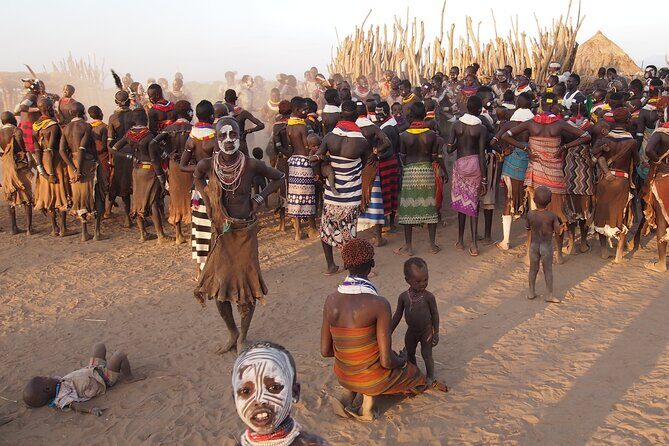
- Dorze village cultural safari above Arbaminch gives you mountain views and a first taste of tribal material culture
- Lake Chamo boat safari adds a calm, practical change of pace
- Market timing matters: Keyafer runs on Thursdays, Dimeka on Saturdays
- Karo visit centers on skin scarification and ornamental decoration
- Omo River time in Omorate plus Ari village and the ethnography museum adds context beyond one community
- Max 13 travelers with private air-conditioned transport keeps the trip comfortable and personal
Day 1 in Arbaminch: meeting the Dorze in the mountains
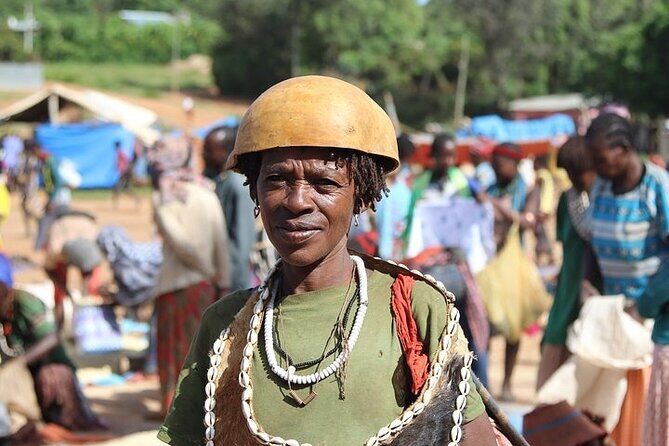
Your trip starts with a flight to Arbaminch, then you head into the hills for a cultural safari focused on the Dorze people. The setting is part of the story here: think wild trees, exotic flowers, and thick greenery around mountain views. It’s the kind of environment that helps explain why clothing and decoration matter so much in the way people present themselves.
What I like is that this isn’t framed as a museum stop. You’re there for encounter and understanding, with your guide helping connect what you’re seeing to the local way of life. It also sets expectations for the color palette you’ll see later in the Omo Valley—bright yellows, startling whites, rich earth-reds, and clay-based tones.
The practical consideration: this is day one of a multi-day circuit, so don’t treat it like an easy sightseeing hop. You’ll want to arrive ready to watch, listen, and pace yourself. If you’re sensitive to heat and dust, bring what you need early because the trip keeps moving.
A few more Addis Ababa tours and experiences worth a look



Lake Chamo and the Konso market clock

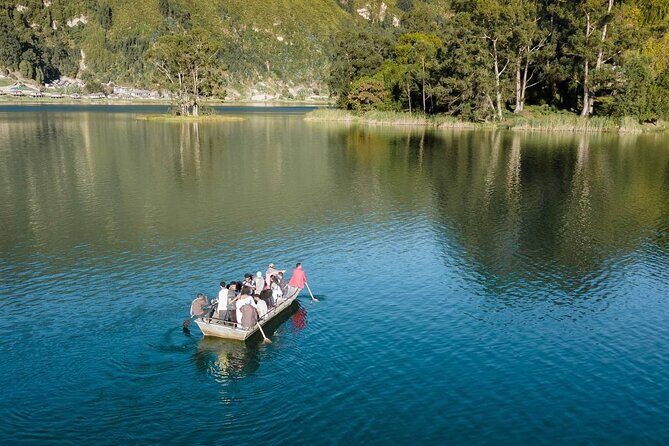
After the Dorze visit, the itinerary turns to water and wildlife with a boat safari on Lake Chamo. This is a smart move inside a cultural itinerary because it gives your eyes a break from faces, jewelry, and close-up interaction. It also lets you experience a different rhythm—cooler air off the water can make the next drives feel more manageable.
From there, you drive toward Turmi and visit a Konso village. Konso is where the trip starts to feel more like a network of communities than a single highlight. The way people live, work, and organize daily life shows up in both the village setting and the surrounding activity.
Then come the markets, and this is where dates actually matter to your experience. Keyafer is on Thursdays, Dimeka is on Saturdays. If your timing lines up, you’ll get the market element twice across the route, which is a real upgrade from seeing only village presentations.
Two useful tips if you care about “what’s different today.” First, markets can feel more crowded than quiet village visits, so plan your attention accordingly. Second, because market days are fixed to the calendar, your best strategy is to lean into your tour dates rather than hoping to swap a day.
Karo scarification traditions and the Hamer afternoon

By Day 3, the tour shifts into some of the most talked-about cultural markers in the Omo Valley. You visit Karo village, known for skin scarification and ornamental decorations. You also have time in Nyangatom before moving on to the Hamer tribe village in the afternoon.
This is the point where you’ll feel the difference between sightseeing and cross-cultural contact. If you’ve never been close to body-based cultural practices, this can be emotionally heavy, even if you’re respectful and curious. I’d treat the day as a mental workout as much as a visual one.
What makes it meaningful is the way these traditions connect back to the bigger theme of the region: people making bold decisions about appearance as a form of celebration and identity. The guide context matters here. If you let your guide do their job—asking questions, explaining the meaning, and putting practices into a human setting—you’ll get more than photos.
Practical drawback: don’t schedule anything intense the night before. The day involves multiple stops in a row, and the amount of sensory input is high. If you’re prone to motion sickness, you might also want to plan ahead for long stretches in the vehicle after village time.
Omorate by the Omo River, plus Ari and the ethnography museum
Day 4 is where the trip adds another layer: the Omo River. You visit the Dassenech tribe village in Omorate town, with the river setting shaping daily life in a way you can feel just by watching. It’s not just another village name on the list—it’s a different environment and a different sense of rhythm.
After that, you return to Turmi and drive to Jinka. In Jinka, you visit Ari tribe village and also the South Omo Ethnography Museum. I like the museum stop because it gives you a chance to slow down and connect stories you heard in villages to objects and explanations in a quieter setting.
Markets show up again in this part of the schedule, linked to the same Thursday/Saturday rhythm: Keyafer on Thursdays and Dimeka on Saturdays. If you’ve already seen one market earlier, this second appearance helps you compare without the pressure of trying to understand everything in one day.
One detail to keep in mind: the inclusions list also mentions entry for Mursi Village. Your route includes many village stops, so the exact placement can vary within the week’s flow. Either way, the fact that entry fees for major stops are covered is helpful—you won’t be scrambling to figure out what costs extra once you’re already on the ground.
How the guiding and private transport change your whole trip
This tour runs with private transportation and an air-conditioned vehicle, plus an English-speaking driver-guide and a professional guide. That combination matters more than most people expect. In a region like this, you’re not just moving from point A to point B—you’re moving between contexts that need translation and explanation.
The small group size (maximum of 13 travelers) also helps. You get more space to ask questions without feeling like you’re waiting for the group to shuffle onward. And with a smaller group, your guide can adjust pace if someone needs a breather after a more intense cultural stop.
I’ve seen how much difference a strong guide makes on Ethiopian tours. For example, one Addis Ababa stopover tour experience with a guide named Henok stood out for how passionate he was and how well he explained what you were seeing, down to practical details like roads and local eating. Another set of experiences with the company highlighted how guides like Yenew/Yenuw focus on professionalism and being responsive to what a group needs. That style tends to carry through to the Omo Valley: you’ll want to rely on your guide to make sense of what you’re watching.


Price and value: what $830 buys you (and what you should check)
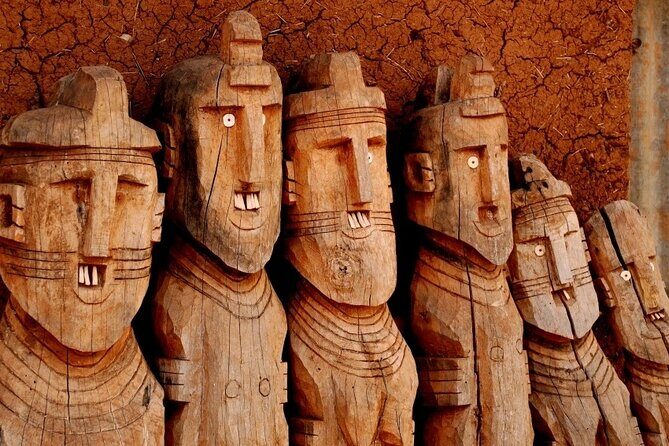
At $830 per person for a 5-day circuit, the value comes from coverage, not from luxury. Your price includes hotel accommodation for 4 nights, private transportation, air-conditioned vehicle use, and all fees and taxes. It also includes English-speaking guiding and entry/admission fees for the villages and markets on the program, including Dassenech, Hamer, Dorze, Konso, Karo, Nyangatom, Mursi (listed in inclusions), Ari, and the Keyafer and Dimeka markets.
That’s a lot bundled for one number. In Ethiopia, entrance fees and ground logistics can add up fast, especially when you’re using a private vehicle. Here, you’re paying for the structure: you don’t have to negotiate each stop while you’re already on the road.
One thing to verify before you finalize: the data doesn’t spell out whether your flights for getting to Ethiopia and the domestic flight within the itinerary are fully included in the price. The schedule says you fly to Arbaminch as part of the trip, but you should confirm exactly what your $830 covers for flights beyond that.
Also think about personal expenses. Meals, drinks, and souvenirs aren’t listed in the inclusions, so I’d plan a budget for day-to-day spending on top of the tour price.
What the trip feels like on the ground: intensity, pacing, and respect
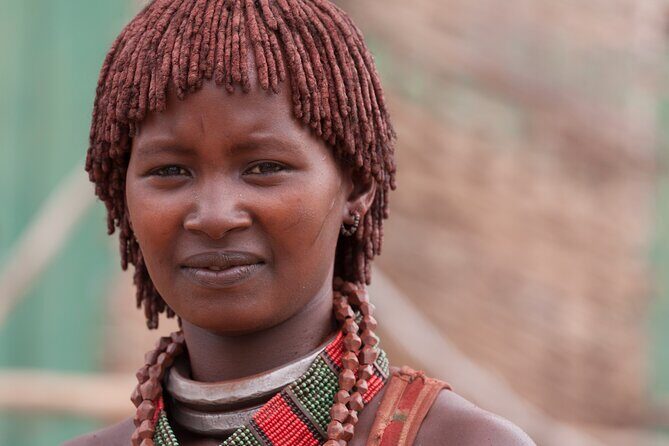
The Omo Valley is not a “relax and scroll” kind of itinerary. You’re meeting people in communities where appearance, decoration, and body art have cultural meaning—used for identity and celebration, not costume play. Your mind needs time to adjust to how direct, colorful, and personal the experience can feel.
If skin scarification or close body paint is new to you, give yourself permission to process. You don’t have to force instant comfort. A good guide and a small group help here, because you can pause, ask questions, and absorb at human speed.
Pacing is also real. Between villages, you’ll spend time in the vehicle, and the days stack multiple cultural stops plus markets. For some people, that’s the point. For others, it feels like too much in too few days. If you’re the type who likes long quiet breaks, build in your own downtime whenever the day allows it.
Timing and weather: why you should care about good conditions
The experience requires good weather. That matters because road conditions and day-of access can change when conditions are poor. If your trip dates are flexible, you’ll have a smoother experience when local conditions are stable.
I’d also plan around the “full sensory day” factor. Even when the weather cooperates, you’ll likely deal with sun, dust, and heat depending on the season. Pack for sun protection and comfortable clothing you don’t mind getting a little dusty.
Who should book this Omo Valley tour?
This circuit is a strong fit if you want a close-up cultural trip to the Omo Valley with multiple communities, market days, and a museum stop for context. It’s also a good match if you appreciate guided explanations and want the comfort of private transport and hotel nights.
You might skip this tour if you’re mainly chasing big scenery photos and downtime. The focus here is people, traditions, and daily life, which means the schedule is full and the emotional intensity can be high.
Should you book?
I’d book this if you’re curious and you like learning with a guide rather than just checking boxes. The value is solid because most entrance fees and guiding are covered, and the max group size keeps the experience human. If you go in with patience, respect, and realistic expectations about driving days, you’ll likely come away with a deeper understanding of how appearance, identity, and environment connect in the Omo Valley.
If you hate intense cultural moments, or you want a softer, lighter itinerary, consider a different kind of Ethiopia trip.
FAQ
How much does the 5-day Omo Valley tour cost?
It costs $830.00 per person.
How long is the tour and what’s the accommodation situation?
The tour runs for 5 days (approx.) and includes 4 nights of hotel accommodation.
Do I get pickup from Addis Ababa?
Yes. Pickup is offered.
What’s the group size limit?
The tour has a maximum of 13 travelers.
Is the tour guided, and what language is used?
You’ll have an English speaker driver guide and a professional guide.
Which markets are included?
Keyafer market is included on Thursdays, and Dimeka market is included on Saturdays.
Are village and museum entry fees included?
Yes. Entry/admission is included for the listed villages and for the South Omo Ethnography Museum, along with market entries.
What’s the cancellation policy timeframe?
You can cancel up to 24 hours in advance for a full refund, with the cutoff based on local time. The experience requires good weather and a minimum number of travelers, and if it’s canceled due to poor weather you’ll be offered a different date or a full refund.