REVIEW · SEMERA ETHIOPIA
3 Days Danakil Depression Tour from Semera City
Book on GetYourGuide →Operated by Aman Ethiopia Tour & Travel · Bookable on GetYourGuide
Danakil doesn’t do ordinary colors. This 3-day guided run through Ethiopia’s Danakil Depression pairs wild geology with real Afar life, from salt mining to hot, steaming sulfur pools. I especially like the way Lake Afdera and Dallol turn “science facts” into places you can actually see and walk around. The other big win is the cultural stops built into the route, like Ahmed Ella village and Ragad’s traditional salt works. One drawback: this is desert travel with tough conditions, and it’s not suitable if you have altitude-sickness issues or for kids under 10.
The operation behind it feels built for comfort where it matters. The trip includes camping materials, meals, and unlimited bottled water, plus a car with professional drivers and an English-speaking guide. From the broader feedback I’ve seen, people consistently mention good communication and feeling safe and informed.
In This Review
- Key things you should know before you go
- Semera to Ahmed Ella: starting in the Afar heat
- Ahmed Ella village and Lake Asale salt-flat sunset
- Ragad salt mining and Dallol’s sulfur-lake otherworld
- Erta Ale crater rim at night: an active lava lake view
- Lake Afdera and the salt pans: finishing with real industry
- Price and logistics: what $399 buys you (and what it doesn’t)
- Who should book, and who should skip this Danakil run
- Should you book this 3-day Danakil Depression tour?
- FAQ
- How much is the 3 Days Danakil Depression Tour from Semera City?
- What’s included in the tour price?
- Are domestic flights included?
- Where does the tour start and end?
- What language is the guide?
- What should I bring?
- Is this tour suitable for kids or people with altitude sickness?
- Is unlimited water provided?
- Are photo and video fees included?
- What is the cancellation policy?
Key things you should know before you go
- Lake Afdera salt harvesting: You’ll see how water gets pumped into salt pans for solar evaporation, creating those vast, glistening flats.
- Ragad (Asebo) salt mining in motion: Watch salt cut into rectangular blocks and loaded onto camel caravans.
- Dallol’s geothermal weirdness: Sulphur lakes, colorful hot springs, bubbling brine pools, and an oily lake in a place about 125 meters below sea level.
- Erta Ale at the crater rim: A late-afternoon trek to the rim, then overnight camping for a rare view of an active lava lake.
- Camping + meals + water are handled: Camping materials, meals, entrance/scout fees, and unlimited bottled water are included, while domestic flights are not.
Semera to Ahmed Ella: starting in the Afar heat
Your tour begins with a domestic flight to Semera, followed by a drive out toward Ahmed Ella. If you’re trying to picture the experience, think contrast: solidified lava textures, rock formations, sand dunes, and sudden palm-lined oases that look like someone painted them in by hand. You’ll also pass through small Afar hamlets, which helps the region feel lived-in, not just photographed.
The drive time matters because it sets expectations. You’re not easing into mild sightseeing. You’re going straight into a zone where the heat, dust, and long distances are part of the deal. That’s also why the tour asks for practical prep: wear properly for desert conditions and keep your plans realistic for a physically demanding itinerary.
You’ll stop at Ahmed Ella village—home to more than 500 residents—so you can meet the place beyond the scenery. This is one of those rare moments where your guide can connect what you’re seeing (salt, heat, survival skills) with how people actually live here.
You can also read our reviews of more tours and experiences in Semera Ethiopia.
Ahmed Ella village and Lake Asale salt-flat sunset
Ahmed Ella is where the trip becomes human-scale. Instead of only looking at geology, you start with people and daily routines: how the Afar community lives in a harsh environment, and how they’ve built resilience over generations. Even if you’ve never heard of Afar culture before, this stop gives you a foothold. It turns the next two days—from salt to sulfur to lava—into something with context.
Then you shift to the salt flats. Late afternoon brings Salt Lake Asale, a vast shimmering surface where you get a chance to swim in a natural pool. That swim isn’t a resort moment. It’s more like a quick, memorable interaction with the landscape’s chemistry. What stays with you is the light: when the sun drops, the salt reflects in a way that makes the ground look like it’s glowing.
If you care about photos, this is one of the best times on the itinerary. Just be aware that the tour lists extra fees for video and photography. Plan your camera use accordingly so you don’t get surprised at the wrong moment.
Ragad salt mining and Dallol’s sulfur-lake otherworld
Day two is the “how is this even real” day. First stop: Ragad (also referred to as Asebo), a traditional salt mining site where you’ll see the process from raw ground to market-ready salt. You’ll watch miners break salt from the earth, cut it into rectangular blocks, and load it onto camel caravans. The important part for you is not only the visuals—it’s the pacing. This isn’t a quick drive-by. It’s a chance to see labor and tools in action.
After that, you head to Dallol, one of the most geologically active, colorful places on Earth. Dallol sits around 125 meters below sea level and is described as among the lowest and hottest inhabited locations in the world. That’s not trivia. It explains why the geothermal features look the way they do.
At Dallol, you’ll explore volcanic terrain shaped by heat and chemistry, including:
- vivid salt formations
- sulfur springs
- bubbling brine pools
- and the famous oily lake
It can feel surreal because multiple forces are at work at once. Salts crystallize, gases escape, and water chemistry shifts constantly. You’re basically touring a working chemical system. The tradeoff is physical comfort. Heat and sun are part of the experience, so you’ll want to pace yourself and use the shade whenever your guide suggests it.
After exploring, you return to Ahmed Ella for lunch, then continue toward Erta Ale.
Erta Ale crater rim at night: an active lava lake view
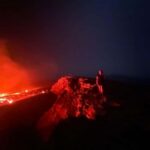
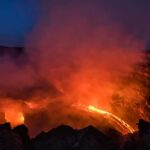
Erta Ale is the icon. The plan is to arrive and then trek to the crater rim in the late afternoon. After that, you camp overnight with the goal of seeing the active lava lake under the stars.
This volcano is a shield volcano with a wide base and a summit caldera. What makes it special for you is the claim that it hosts one of the world’s only permanent lava lakes, continuously active since the early 20th century. Whether you’re an armchair geology fan or you’ve never read about volcanoes before, the core idea is the same: you’re watching the kind of energy that doesn’t pause for tourists.
A practical note: crater-rim trekking in heat plus uneven ground can be tiring. The itinerary doesn’t frame it as a casual walk. It’s “physically demanding” by nature, so if you’re not used to desert conditions, consider training a bit before your trip and keep your pace slow. Bring the energy you can handle, not the fantasy version.
Camping at Erta Ale is a big part of the payoff. Night skies are part of the attraction, and the active lava lake is the main event. You’ll remember the contrast: a restless light source in a dark crater, with the silence and stars above.
Lake Afdera and the salt pans: finishing with real industry
Day three is a change of pace, but not a downgrade. After breakfast, you drive to Lake Afdera, which plays a vital role in Ethiopia’s salt extraction industry. The key detail for your brain is the method: water is pumped into nearby salt pans where solar evaporation does the work. As you explore, you’ll see salt harvesting processes tied directly to the environment.
This stop matters because it connects the tour’s earlier salt story to a different stage. On day two, you watched traditional salt mining at Ragad and learned how salt blocks and camel caravans move. On day three, you see the broader system: salt production as an ongoing landscape-scale process.
After taking time around Lake Afdera, you head back toward Semera, stopping for lunch en route. Then you fly back to Addis Ababa.
If you’re the kind of person who likes to understand how places work economically and not only how they look, this ending is satisfying.
Price and logistics: what $399 buys you (and what it doesn’t)
The listed price is $399 per person for a 3-day guided package in the Afar region. The value is strongest if you want less hassle and more structure in a remote environment.
What you get included:
- camping materials with meals
- day-by-day meals (day one breakfast/lunch/dinner; day two breakfast/lunch/dinner; day three breakfast/lunch)
- unlimited bottled water each day
- car with professional drivers
- English-speaking professional guide
- entrance and scout fees
What’s not included:
- domestic flights (even though the itinerary includes flying to Semera and back to Addis Ababa)
- alcohol drinks
- video and photographing fees
- gratitude and personal expenses
Here’s the practical way to judge value: you’re paying for a full program where transportation, food, water, permits/fees, and a guide are wrapped together. That matters in places like this, where DIY planning can quickly turn into extra cost and extra risk. You’re also paying for time-efficient routing between Dallol, Erta Ale, and Afdera, rather than piecing together separate local arrangements.
Two things to double-check for your own peace of mind:
- domestic flights: confirm what you’ll personally book versus what’s just part of the route plan
- camera costs: the tour lists additional fees for video and photographing
Who should book, and who should skip this Danakil run
This tour fits best if you want a guided “big geology” itinerary without sacrificing cultural context. If you enjoy seeing how people work—like salt mining—while also getting the rare scientific spectacle of Dallol and the active lava-lake moment at Erta Ale, you’ll likely feel the trip is worth the effort.
It may not fit if:
- you have altitude sickness concerns (it’s listed as not suitable)
- you’re traveling with children under 10
- you’re over 95 years old
- you want a low-activity, easy vacation pace
One more honest consideration: you’re camping and spending time in desert heat. Even with included meals and water, you’ll still need to handle sun, dust, and long days with focus. This is an experience that rewards preparation.
Should you book this 3-day Danakil Depression tour?
If you want Danakil’s big three—salt flats (Lake Asale), geothermal chaos (Dallol), and volcanic night drama (Erta Ale)—this itinerary hits the core sequence in a logical order. The included guide, English support, camping setup, meals, and unlimited water are exactly the kinds of things you appreciate when conditions are harsh.
If you’re unsure, use this simple test: are you comfortable with desert travel and physically demanding walks? If yes, booking makes sense. If no, look for a gentler itinerary in the region, or plan a shorter, lower-stress introduction.
FAQ
How much is the 3 Days Danakil Depression Tour from Semera City?
The price is $399 per person.
What’s included in the tour price?
Camping materials and meals are included, along with unlimited bottled water all days, a car with professional drivers, an English-speaking professional guide, and entrance and scout fees.
Are domestic flights included?
No. Domestic flights are not included, even though the route includes flying between Addis Ababa and Semera as part of the itinerary.
Where does the tour start and end?
You meet with an Aman Ethiopia Tours welcome paper held by the team. The tour ends back at the meeting point.
What language is the guide?
The guide provides services in English.
What should I bring?
You’ll need your passport.
Is this tour suitable for kids or people with altitude sickness?
It’s not suitable for children under 10, and it’s also not suitable for people with altitude sickness. It’s also not suitable for people over 95 years old.
Is unlimited water provided?
Yes, the tour includes unlimited bottles of water all days.
Are photo and video fees included?
No. Video and photographing fees are not included.
What is the cancellation policy?
You can cancel up to 24 hours in advance for a full refund.