REVIEW · ADDIS ABABA
Private Ethiopian Combined Tours 15 Days
Book on Viator →Operated by Aman Ethiopia Tours And Travel Agent · Bookable on Viator
Ethiopia packs history into every turn, and this private 15-day circuit fits it well. I love the stop at the National Museum to see Lucy, and I love the rock-hewn churches of Lalibela. One thing to plan for: some days are long on the road, and the Blue Nile falls can have reduced flow because of the new dam.
What makes this feel different from a basic tour is the way you move through a big country without constantly re-planning. You get an air-conditioned vehicle, pickup help, and a team that handles the handoffs between cities and even flights.
This is also a tour of contrasts. In the north you’ll see imperial sites, rock churches, and UNESCO-listed nature; in the south you’ll meet Ethiopia’s famous Omo Valley cultures. Note the schedule also calls for formal dress, especially around churches and religious areas.
In This Review
- Key things I’d watch for on this 15-day combined route
- Addis Ababa arrival: Mercato, Lucy, and a fast feel for the country
- Bahir Dar by the Blue Nile: boat cruises and monastic islands
- Gondar: castles, murals, and a road to Simien’s UNESCO views
- Axum and Tigray: imperial memory, rock churches, and sacred geography
- Lalibela: rock-hewn churches, flight timing, and how to not rush it
- Rift Valley breathing room: Ziway, Langano, and real downtime
- Arba Minch to Jinka: weaving villages, Lake Chamo, and the lower Omo Valley
- Mago National Park to Turmi: Mursi and Hamer with a respectful mindset
- Karo, Nyangatom, and Konso: scar patterns, terracing, and coffee country
- Price and value: what $2,467 buys on a route this big
- Who should book this Ethiopian combined tour
- Should you book it?
- FAQ
- How long is the Private Ethiopian Combined Tours 15 Days?
- Where does the tour take place?
- Does the tour include pickup?
- Is this a private tour?
- What’s included in the price?
- What’s not included?
- Are vegan or vegetarian meals available?
- Is there a dress code?
- Can I cancel for a full refund?
- Does the tour run in all weather conditions?
Key things I’d watch for on this 15-day combined route
- Private pace across two regions: you only travel with your group, not a mixed crowd.
- Ancient “stacked in layers” Ethiopia: Addis, Axum, Gondar, and Lalibela are each a different chapter.
- Big road days, with comfort added: air-conditioned transport helps when drives run 7–9 hours.
- Nature plus culture, not just museums: Simien views, Mago National Park, and Lake cruises are part of the point.
- Expect some variability: Blue Nile Falls may be lower-flow due to the dam.
- Responsible planning matters: Omo Valley visits are intense; go with patience, respectful curiosity, and time for questions.
Addis Ababa arrival: Mercato, Lucy, and a fast feel for the country
You land in Addis Ababa and you’re not left hanging. The team meets you at Bole International Airport and gets you to your hotel before you start exploring the city.
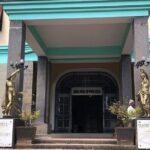
A highlight here is the National Museum and the chance to see Lucy, the fossilized skeleton that helped reshape how people understand human evolution. If you only do one museum in Addis, this is the one to anchor your first day.
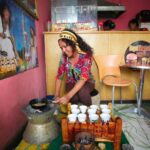
Then you shift gears to street-level Addis at the Mercato market. It’s an easy place to get your bearings fast: colors, motion, and everyday commerce. The schedule also includes a traditional coffee ceremony, so you get the ritual context, not just a cup.
You’ll end with the Holy Trinity Cathedral area, connecting Ethiopian tradition to global history. The cathedral is copper-domed and visually distinctive, and it’s the kind of stop that makes the city feel real rather than just logistical.
You can also read our reviews of more private tours in Addis Ababa

Bahir Dar by the Blue Nile: boat cruises and monastic islands

From Addis you drive toward Bahir Dar, and on the way you pass through areas tied to religious tradition. One of the stops is Debre Libanos, a monastery founded in the 13th century by Saint Tekle Haymanot. You’ll visit museum collections with ancient Bible books and religious crosses, then see parts of the church interior.
Arriving at Lake Tana brings a calmer rhythm. The next day is built around a boat cruise: you visit the 14th-century Monastery of Ura Kidane Mihret on the Zege peninsula. Monastery visits here are less about “being wowed” and more about understanding how religion shaped daily life along the lakeshore.
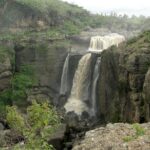
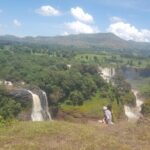
Afternoons bring the Blue Nile Falls at Tis Isat. One practical warning: the tour note says water volume could be minimal because of a new dam. If you’re the kind of person who wants a thunderous waterfall, manage expectations and focus on the viewpoint and the walkways—this can still be a worthwhile stop even with lower flow.
Gondar: castles, murals, and a road to Simien’s UNESCO views

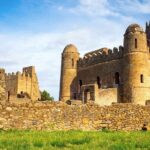
Gondar earns its nickname as the Camelot of Africa for a reason: you’re walking through imperial architecture and church art that feel surprisingly intact.
After the drive from Bahir Dar, you spend time in Gondar visiting the castles and churches built by Emperor Fasiladas and his descendants. Then comes Debre Birhan Selassie, known for its murals. This is one of those places where you’ll want slow time—don’t treat it like a quick photo stop. Even if you’re not an art specialist, the church murals are one of the easiest ways to understand the country’s visual language.
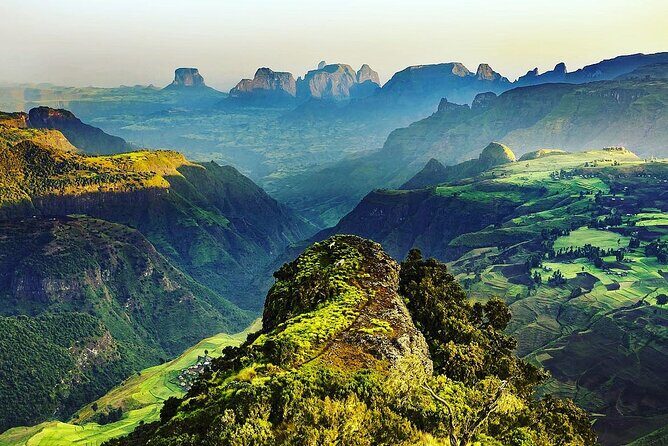
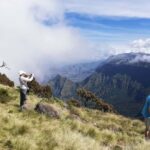
Next is the transition day toward the Simien Mountains. You head toward Buyit Ras, described as one of the most wild and magnificent views in Ethiopia. The Simien Mountains National Park is also noted as the only Ethiopian natural beauty area registered by UNESCO in that context, so it’s not just a scenic break—it’s a formal conservation highlight.
If you’re prone to motion sickness, pack accordingly. These drives can run long, and you’ll be moving toward higher, more dramatic terrain.
Axum and Tigray: imperial memory, rock churches, and sacred geography
The Axum day shifts you into Ethiopia’s far older past. Axum is described as having more than 2,500 years of history and once being a center of a great empire. You’ll tour major sites including St. Mary’s Church, the sanctuary chapel connected with the tradition of the Ark of the Covenant, and the Stelae Park.
You also cover inscriptions (Ezana’s Inscriptions) and other named landmarks like Queen of Sheba’s Bath and palace ruins. Whether or not you’re versed in the legends, the practical value is this: Axum gives you a strong “timeline feeling.” The sites are spaced so you can connect mythology, politics, and faith across centuries.
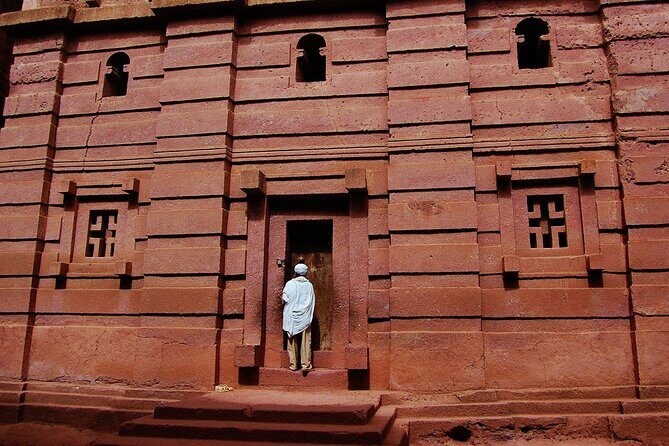
On the way to Mekelle, you stop at Yeha and the rock-hewn churches of Tigray, including Adikisho Medhanyalem, Wukero Cherkos, and Abrha Wasba. These are the kinds of places where the setting matters almost as much as the building—rock churches look different when they’re carved into the terrain rather than placed on flat ground.
Then you settle in Mekelle, setting up the next leap to Lalibela.
Lalibela: rock-hewn churches, flight timing, and how to not rush it
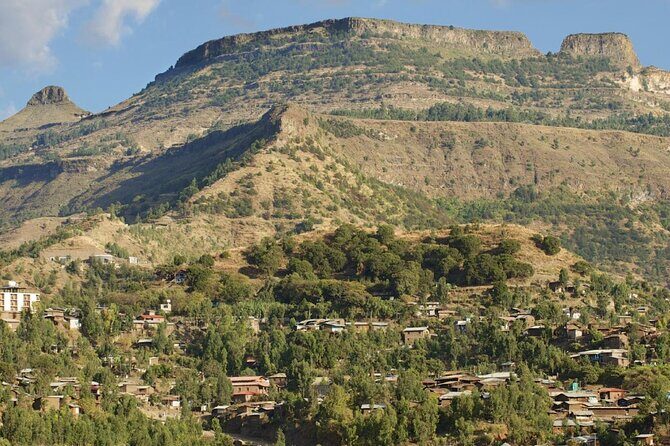
Lalibela is a major pivot point. You travel there by flight (you’re transferred to the airport, then met on arrival and taken to your hotel). That domestic hop matters: it’s the tour’s way of keeping a huge route possible without spending even more days on the road.
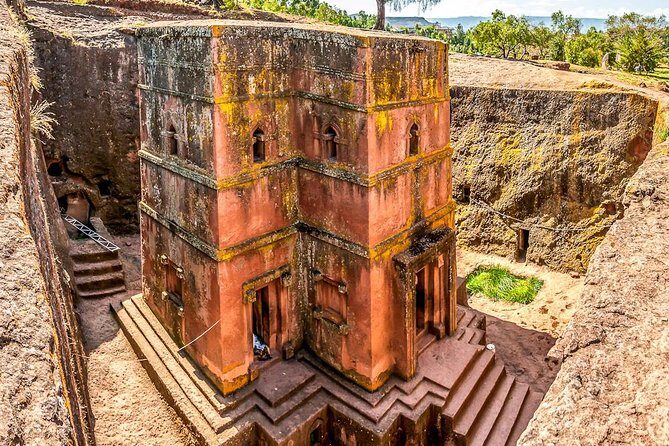
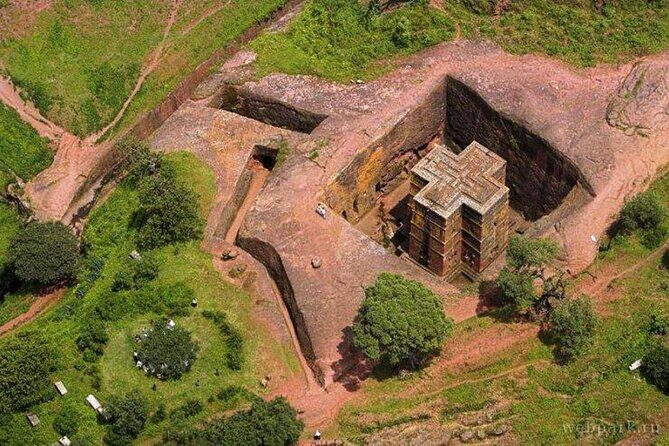
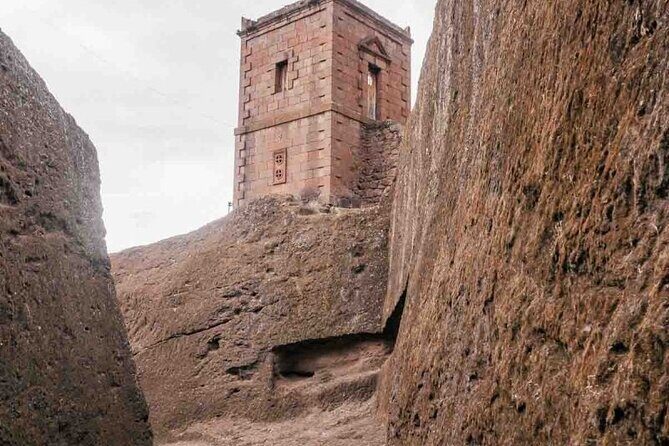
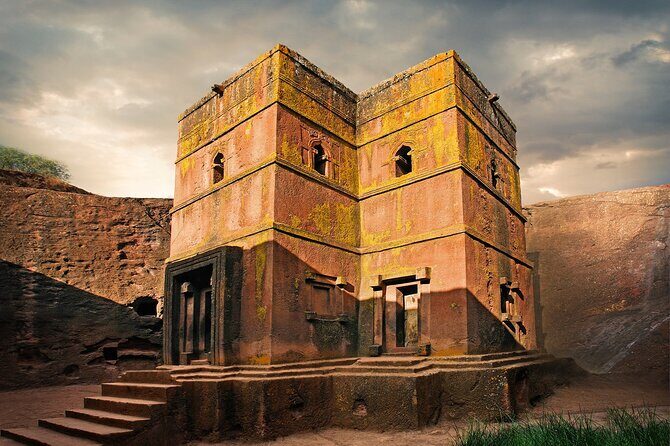
Once you arrive, the schedule focuses on the core reason people come: the rock-hewn underground cathedrals often described as the Eighth Wonder of the World. In the afternoon, you visit top attractions of Lalibela. The best way to enjoy these churches is to take breaks between sites. If you go hard for hours straight, the details start to blur.
Also pay attention to the tour’s dress code note: formal dress is expected. In practice, that means plan for conservative clothing you can wear while visiting church interiors.
Lalibela isn’t just architecture. It’s a tactile sense of faith in stone, and it’s one of the few places on this route where you can feel like time has slowed down.
Rift Valley breathing room: Ziway, Langano, and real downtime
After Lalibela, you fly back to Addis and then continue south to Langano. En route, the schedule includes Lake Ziway, described as the largest of the upper Rift Valley lakes with an area of about 400 square kilometers.
This is your reset day. Lake Ziway is known for water lilies and as a breeding place for different Ethiopian birds (the schedule calls out the bird life). Then you push on to Lake Langano, where the tour note emphasizes water activities.
Langano is also where the trip shifts from “heritage intensity” to a more relaxed pace. If you like walking, swimming, or just sitting with a view (and yes, taking your time), you’ll appreciate this as a counterweight to earlier packed days.
Arba Minch to Jinka: weaving villages, Lake Chamo, and the lower Omo Valley
From Langano, you drive toward Arba Minch, with a stop at the Dorze village. You’ll see weaving by the Dorze people, and you’ll learn about enset (called the fake banana in the tour description) as a stable food. The tour adds a memorable detail: houses are shaped to resemble elephants, tying daily life to local history and wildlife presence.
Arba Minch sets up your Lake Chamo boat cruise. The tour says this is a chance to see Nile crocodiles, hippos, and different types of birds. Boat days are often the easiest moments to enjoy without needing a script. You’re moving, you’re watching, and you can let the sights do the work.
Then the plan turns toward lower Omo Valley culture. You proceed to the Bana village, described as indigenous pastoral and semi-nomadic, living in a harsh environment. The schedule mentions details like colorful clay caps with feathers and women wearing enset-based skirts made from banana tree material, plus pottery skills.
You also visit the Ari people, another group in the lower Omo Valley described in the schedule with clothing details and styles.
Mago National Park to Turmi: Mursi and Hamer with a respectful mindset
This part of the route is built around cultural encounters that require patience. The day trip to Mago National Park focuses on the Mursi village. The tour description is specific about how Mursi women wear terra cotta on enormously stretched lower lips and ear lobes.
Then you drive onward to Turmi, where the Hamer people live. The tour notes that Hamer communities have distinctive personal decoration and body styles. It’s a good day to slow down mentally. These visits aren’t “watching a show.” They’re real people living in real conditions, often with different ideas about privacy and attention.
A practical thought: the itinerary includes another long drive day right after this. If you’re tired, you’ll enjoy the day more if you pace your energy—spend time asking questions, then step back when you can.
Karo, Nyangatom, and Konso: scar patterns, terracing, and coffee country
From Turmi, you go on an excursion to Murulle to visit the Karo people. The tour notes that Karo people are famous for body decoration painted with white chalk for a ceremony. It also describes women scar-ring their chest and men’s scars as representing an enemy or dangerous animal killed.
Nearby you visit the Nyangatom people. The schedule notes long lean bodies, many necklaces, and long skirts made from goat skins richly decorated.
Finally, you work toward Konso. Konso is highlighted as an UNESCO site known by its terracing. The tour also calls out coffee: it says one of the best coffee types in Ethiopia comes from Konso.
This last stretch matters because it turns “people and patterns” into something you can carry home with you: a sense of how farming, architecture, and daily skills shape identity. It’s not only ceremonial. It’s built into how communities survive in that terrain.
Price and value: what $2,467 buys on a route this big
At $2,467 per person for about 15 days, the biggest value question is not whether you get transport—you do—but whether the tour protects your time while keeping comfort where it counts.
Here’s what you’re paying for:
- A private, group-limited setup: only your group participates, which can make long days feel less chaotic.
- Air-conditioned vehicle included, which is a real quality-of-life upgrade when drives run 7–9 hours.
- Built-in city-to-city movements, including domestic flights to reduce nonstop road time.
- Meals included: breakfast (15) and lunch (15) are listed, plus all fees and taxes.
- Practical help like pickup offered and mobile ticket.
Where you should keep your expectations grounded:
- The itinerary mixes long drives with flights, so you’ll feel the “distance” of Ethiopia. This isn’t a slow, local-walks-only trip.
- Some natural sights can be weather- or infrastructure-affected, especially the Blue Nile Falls note about lower water due to the dam.
If you’re the type who wants both the “must-see” northern circuit and the Omo Valley cultural region in one compact trip, this price can make sense. If you only care about one half of the country, you might find better value splitting your travel into two smaller itineraries.
Who should book this Ethiopian combined tour
You’ll likely enjoy this tour most if you want:
- A big geographic sweep without self-planning every transfer.
- A balance of ancient sites (Axum, Gondar, Lalibela) plus nature stops (Simien, Mago, lake cruising).
- A private setup with pickup help, plus included meals so you’re not always hunting for food on long days.
It’s also a strong fit for travelers who enjoy cultural learning through conversation and guided context, not just quick photos.
Consider a different style of trip if:
- You’re sensitive to long drives.
- You’re expecting high-volume waterfalls on the Blue Nile Falls day.
- You prefer lighter schedules with fewer hotel check-ins.
Should you book it?
Yes, if your priority is seeing a lot of Ethiopia—north heritage and southern culture—without losing time to logistics. The private pace, included meals, and domestic flight hops are built to keep your days productive. Just go in knowing that this is a fast-moving route with some long road hours, and plan mentally for variability like lower water at the Blue Nile Falls.
If you’re okay with that trade, this tour is a practical way to stitch together multiple Ethiopia “worlds” in one trip.
FAQ
How long is the Private Ethiopian Combined Tours 15 Days?
The tour runs for about 15 days.
Where does the tour take place?
It covers Ethiopia, starting in Addis Ababa and moving through northern Ethiopia and down toward the Omo Valley region, before returning toward Addis Ababa for departure.
Does the tour include pickup?
Yes, pickup is offered.
Is this a private tour?
Yes. It is listed as a private tour/activity, so only your group participates.
What’s included in the price?
All fees and taxes are included, along with an air-conditioned vehicle and breakfast (15) plus lunch (15).
What’s not included?
Restroom on board is not included, along with private expenses.
Are vegan or vegetarian meals available?
Yes. Vegan and vegetarian food options are provided.
Is there a dress code?
Yes. The tour lists a formal dress code.
Can I cancel for a full refund?
You can cancel up to 24 hours in advance for a full refund.
Does the tour run in all weather conditions?
Yes. It operates in all weather conditions, and you’re advised to dress appropriately.