REVIEW · ADDIS ABABA
Northern Ethiopia & Trekking Simien Mountains , 10 Days
Book on Viator →Operated by Ethio Tours · Bookable on Viator
The highlands start right away in Addis. This Northern Ethiopia plan links Mercato’s big-market energy with world-famous churches in Lalibela, while keeping logistics off your plate. I like that you travel with a local guide and team, including a trekking setup in the Simien Mountains run by the park staff.
What I really love is the mix: Lake Tana boat time plus serious hiking in the Simien Mountains. The history in Gondar is strong too, with the Royal Enclosure and Debre Birhan Selassie church.
One thing to consider: this includes a flight day, but the package notes domestic flights aren’t included, so you’ll want to confirm what’s covered before you pay—especially if you’re comparing prices.
In This Review
- Key things I’d plan around
- Addis Ababa first day: Mercato, Trinity Cathedral, and a smooth start
- Bahir Dar and Lake Tana: monasteries, Blue Nile Falls, and a slower rhythm
- Gondar: Kuskuam ruins, Royal Enclosure castles, and Debre Birhan Selassie
- Debark and the Simien Mountains: meeting the scout and your trekking team
- Trek day 1: Sankabar to Geech, 3600m, with river crossings
- Trek day 2: Geech to Imet Gogo viewpoints and possible iconic wildlife
- Back to Gondar: one last viewpoint and a return to comfort
- Flying to Lalibela: rock-hewn churches and a very different kind of time
- Day 9 in Lalibela: choose a mule hike or a cave-church detour
- Farewell dinner in Addis: music, dancers, and your wrap-up night
- Price and value: is $2,358.98 worth it?
- Who this tour fits best (and who should think twice)
- Should you book Northern Ethiopia & Simien Mountains trekking?
- FAQ
- Where does the tour start and end?
- Is this a private tour?
- What’s included in the cost?
- Are domestic flights included?
- What meals do I get during the trip?
- How much trekking is in the Simien Mountains?
- What wildlife might I see during the trek?
- Do I get to choose what to do in Lalibela?
- Does the tour run in bad weather?
Key things I’d plan around
- Simien Mountains base camp to Geech (3600m): day hikes that are doable for many people, but the altitude is the real work.
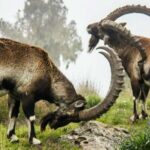
- Wildlife chances are built in: gelada baboons on the route, plus possible Simien Wolf, Walia Ibex, and Klipspringers on the higher viewpoints.
- Lake Tana monasteries by boat: a calmer, sacred-feeling day after the pace of markets and drives.
- Gondar’s Royal Enclosure: UNESCO-listed castles plus Debre Birhan Selassie’s angel ceiling art.
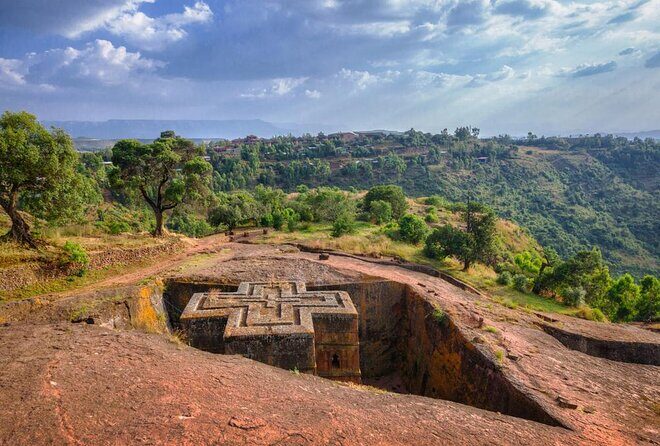
- Lalibela rock-hewn churches: carved into the rock itself, with an option for a mule hike or a cave-church detour.
- A guide can make or break it: recent comments highlight excellent guiding, including people named Malease and Dawit Tilahun.
Addis Ababa first day: Mercato, Trinity Cathedral, and a smooth start
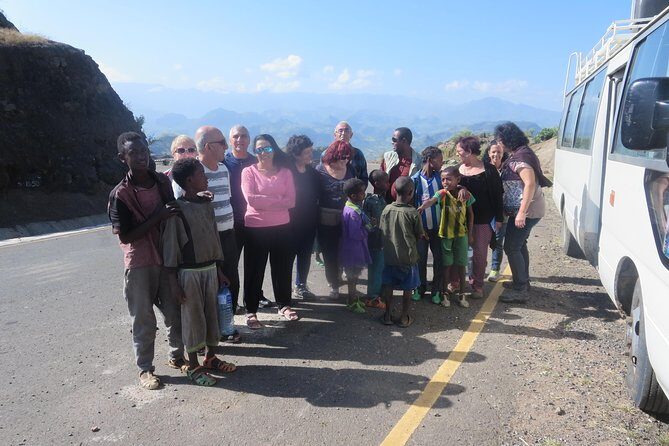
Your trip begins at Bole Airport in Addis Ababa, and the overall feel is practical: you show up, you get picked up, and then someone else handles the moving parts. Day one focuses on Mercato Market, one of Africa’s largest outdoor markets, plus an ethnographic museum stop. If you’ve been nervous about handling your first day in Ethiopia, this kind of structured arrival is a big comfort.
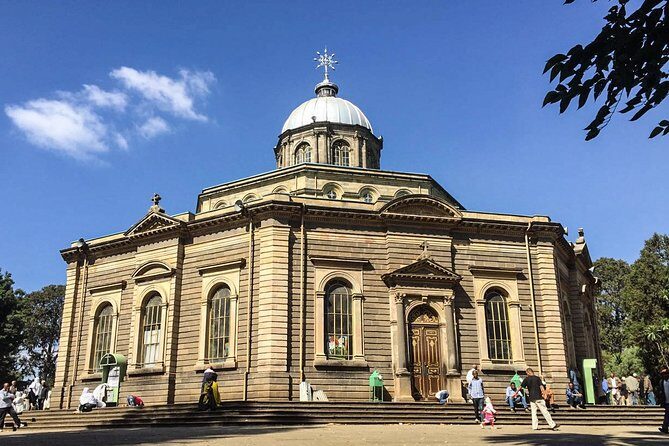
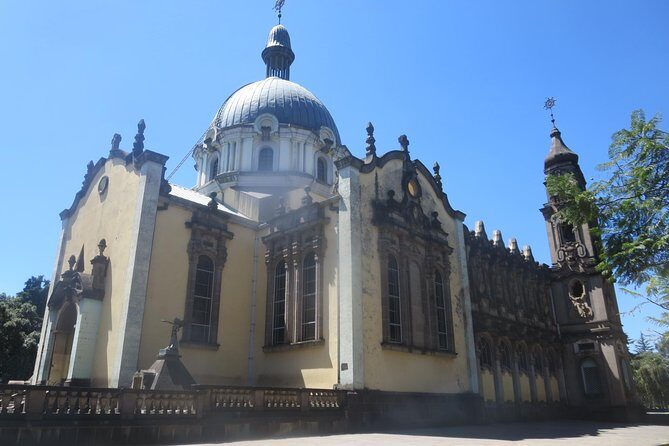
Mercato also comes with a meaningful pairing: Trinity Cathedral, where Emperor Haile Selassie is laid to rest. That makes the market feel more than a place to shop. You’re seeing everyday life and also touching one of the country’s key modern historical anchors.
What to watch: Markets can be hot, dusty, and crowded. Wear breathable clothes and shoes you don’t mind getting scuffed. If you’re the type who hates being rushed, tell your guide early and you’ll likely get the pacing you prefer.
You can also read our reviews of more hiking tours in Addis Ababa
Bahir Dar and Lake Tana: monasteries, Blue Nile Falls, and a slower rhythm
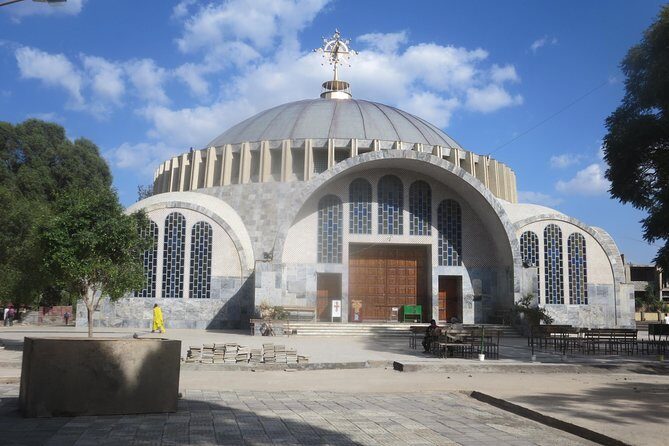
After Addis, the route swings to Bahir Dar, with a marketplace visit and a boat tour on Lake Tana. This is one of those travel days that balances scale and calm. You’ll see the source of the Blue Nile and also visit ancient island monasteries—places where you’re not just sightseeing, you’re stepping into a living religious world.
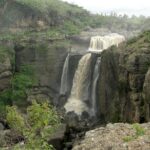
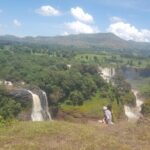
The Blue Nile Falls day adds contrast. You start with a morning drive to see the falls, then return to Bahir Dar for lunch. In the afternoon, you push north toward Gondar, stopping at Awra Amba. That stop is a reminder that Northern Ethiopia isn’t just postcard stops; people live here, farm here, and have their own community stories.
Tip for your day: On boat-and-monastery days, keep an eye on your clothing and your behavior. Sacred sites often mean rules about movement, photos, and dress. Your guide will set expectations, so listen closely and keep things respectful.
Gondar: Kuskuam ruins, Royal Enclosure castles, and Debre Birhan Selassie
Gondar is where the “ancient empire” feeling becomes real. You visit Kuskuam, described as remote ruins built for Empress Mentewab in the 1700s. Even if ruins aren’t your thing, this stop helps you understand why Gondar became such a magnet—power, religion, and architecture all tied together.
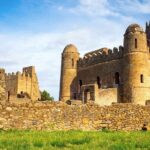
Then you head into the Royal Enclosure, a UNESCO World Heritage site with five castles built by Ethiopian kings beginning in the early 17th century. These structures survived wars, including air raids during World War II, so the story isn’t only about beauty. It’s also about endurance.
After that, you’ll visit the church of Debre Birhan Selassie, known for its religious art and a ceiling featuring angels. If you’ve only seen “churches” as buildings, this is a reminder that Ethiopian sacred art can be intensely detailed and specific in its storytelling.
Possible drawback: Gondar days can feel packed—ruins, castles, then a church with art you’ll want to actually look at. Build in a little patience. If you rush, you’ll miss what makes it special.
Debark and the Simien Mountains: meeting the scout and your trekking team
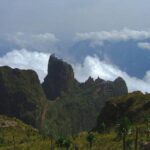
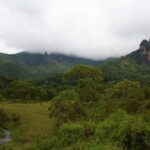
Now comes the part most people remember: trekking in the Simien Mountains National Park. You travel from Gondar to Debark (about 100 km), then drive onward to the park headquarters area. This is where the itinerary shifts from “city travel” to “highland travel.”
You meet the Scout and Mountain Guide, along with the rest of the trekking team. That matters because the Simien trekking portion isn’t just about walking. You’re relying on local expertise for safety, pacing, and navigation, especially at elevation.
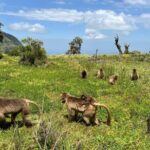
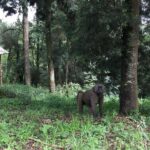
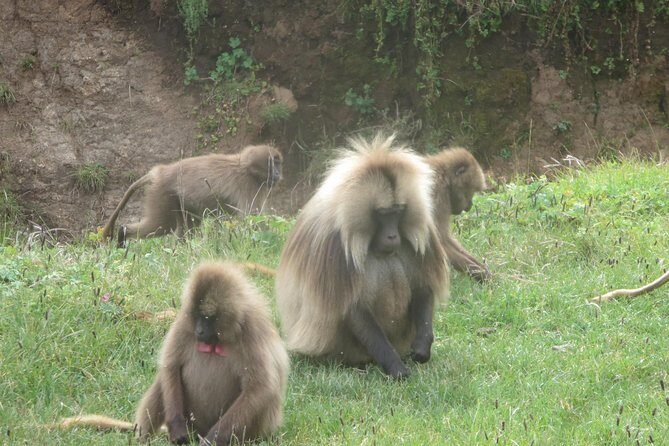
You’ll also make your first move into the park by driving to Sankabar, the first camp site (around 3200m). During the drive, you’ll get your first impressions of the scale of the highlands. This is often when wildlife sightings happen—gelada baboons and Lammergeyer are noted possibilities.
How I’d prepare mentally: Expect a “getting used to it” day. At altitude, your body makes you slow down. That’s not failure. It’s how you keep the day comfortable.
Trek day 1: Sankabar to Geech, 3600m, with river crossings
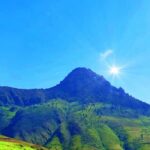
Day five is a trek from Sankabar to Geech (around 3600m), listed as about 5–7 hours. Early on you’ll pass Jinnbar River and falls, which you cross later in the day. The crossing is a real event, not a footnote, so plan for wet feet or mud even if the sky looks fine.
As you climb, the scenery changes quickly at these elevations. You’re also in a zone where gelada baboons are possible, which can make the route feel alive rather than just steep.
Practical note: Bring layers you can tighten or loosen fast. In the mountains, you’ll feel temperature swings during climbs. And if you’re prone to altitude headaches, talk to your guide early so they can guide pacing.
Trek day 2: Geech to Imet Gogo viewpoints and possible iconic wildlife
This trek focuses on viewpoints, with Imet Gogo described as offering spectacular views in every direction. You’re looking at roughly 4–5 hours of hiking, and the plan includes possible wildlife sightings such as Simien Wolf, Walia Ibex, and Klipspringers.
Even if you don’t see the “big names,” the viewpoint structure is what counts. A good trek gives you a goal besides simply reaching the next camp. Here, Imet Gogo is that goal.
Consideration: Wildlife sightings depend on timing, weather, and movement patterns. If you pressure yourself to “spot everything,” you’ll miss what’s in front of you. I’d go for slow looking. Let your guide handle the timing.
Back to Gondar: one last viewpoint and a return to comfort
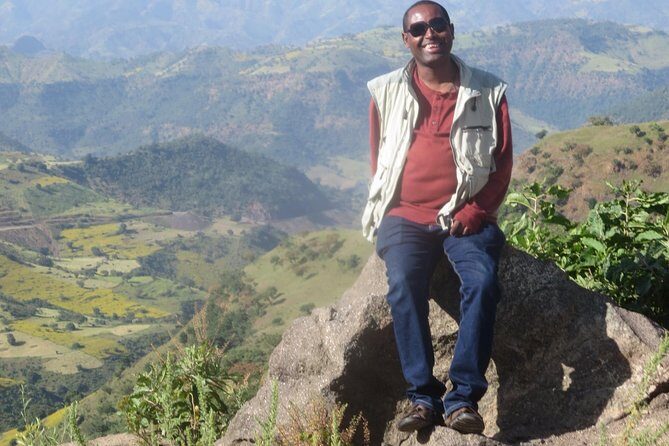
After the hiking days, you return to Gondar with a day that includes visiting Imet Gogo then driving back. You’ll feel the difference immediately: more road time, less exertion, and a chance to stretch out and reset.
This is also where the trip’s “value” shows. The package doesn’t make you coordinate permits, trekking logistics, and transfers on your own. You just follow the schedule with your local guides and drivers. It’s tiring, but it’s organized.
Comfort reality check: One review comment suggested upgrading hotels, which makes sense on a land-and-lodge trip. If you’re the type who needs a good bed after a high-altitude day, plan for that upgrade.
Flying to Lalibela: rock-hewn churches and a very different kind of time
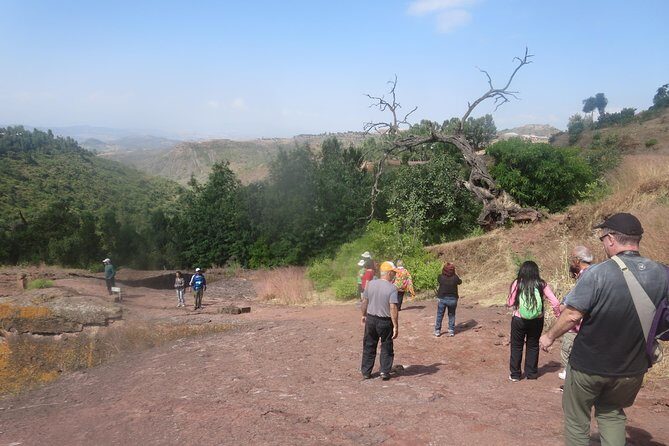
From the highlands you fly north to Lalibela (around 700 km north of Addis Ababa). The contrast is huge. Instead of trekking altitude, you’re dealing with a church-city layout built into the rock itself.
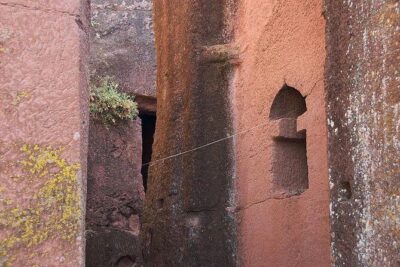
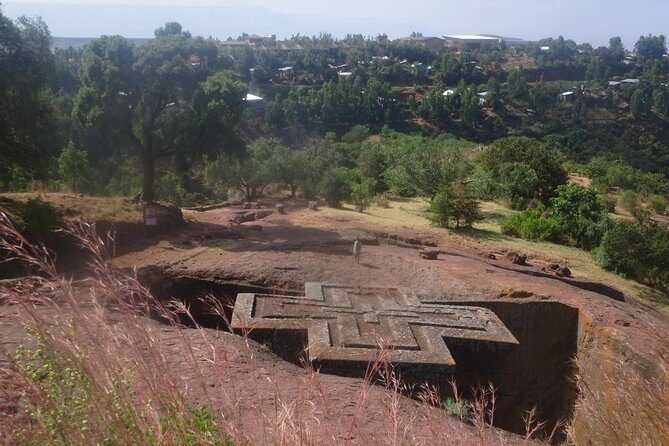
Lalibela’s rock-hewn churches are UNESCO-listed, and the key idea is simple: eleven monolithic and semi-monolithic structures are carved directly into the mountainside. The scale is hard to understand until you’re standing there among stone passages and relief carvings.
The itinerary emphasizes how old these are—carved at least 800 years ago—and how detailed the icon paintings and interiors can be.
What to watch: Churches often mean slower movement. Take your time. When you rush, you miss the carvings and the rhythm of the space.
Day 9 in Lalibela: choose a mule hike or a cave-church detour
Day nine offers a choice in the morning, which is a nice way to match your energy level.
Option one: a morning hike with mules to Mount Asheton, with a 13th-century rock-hewn monastery and views over the town.
Option two: drive to Yemrehanna Kristos, a church in a shallow cave that predates the Lalibela churches. The drive itself is part of the experience, showing rural countryside and villages in the Ethiopian highlands.
Either way, you continue with tours of Lalibela’s churches in the afternoon.
My take: If you want exercise and scenery, go for Mount Asheton. If you want quieter spirituality and a more relaxed morning, choose Yemrehanna Kristos. The best part is that you’re not locked into one mode.
Farewell dinner in Addis: music, dancers, and your wrap-up night
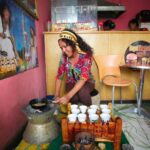
On the last day you return to Addis Ababa, with a farewell dinner at a traditional Ethiopian restaurant. You’ll see dancers and musicians representing some of the country’s ethnic groups, and then you transfer to the airport for a late night departure.
This last meal works as a travel reset. You’ve been living in churches, castles, and mountain air, and then you end with a cultural performance night that feels less “stop” and more “celebration.”
Practical note: Keep your last evening flexible. With an airport transfer late in the night, don’t plan to squeeze in extra activities after dinner.
Price and value: is $2,358.98 worth it?
At $2,358.98 per person for this roughly 10-day plan, you’re paying for more than attractions. You’re paying for organization: accommodations, an escort/host, a local guide, transfers, and multiple meals (breakfast is included daily, plus three lunches and three dinners).
That kind of package value can be real in Ethiopia because distances are long and coordination is work. Having the trekking team and park support handled for you is also a big deal—especially when you’re moving between cities like Gondar and Lalibela.
Two “value checks” I’d do before you commit:
- Domestic flights need confirmation. The package notes domestic flights aren’t included, even though the plan includes a flight day to Lalibela. Ask the operator what’s covered in your total price.
- Accommodation level matters. Since one comment recommended upgrading hotels, decide what comfort you actually want after the Simien days. A better room can make the whole trip feel smoother.
If you want to see Ethiopia’s top historical north plus real trekking without building a spreadsheet yourself, this is priced like a guided, full-service experience—not like a DIY backpack plan.
Who this tour fits best (and who should think twice)
This is a strong fit if you:
- Want a guided route through northern highlights (Addis to Bahir Dar to Gondar to Lalibela).
- Like a mix of culture and nature, not just one or the other.
- Are comfortable with trekking at altitude, especially the 5–7 hour day and the ~4–5 hour viewpoint trek.
- Prefer a private setup, since it’s only your group.
Think twice if:
- You’re very sensitive to altitude and don’t want to commit to 3600m camp-level trekking days.
- You need total clarity that the Lalibela flight is included in your package price.
Should you book Northern Ethiopia & Simien Mountains trekking?
If your goal is Northern Ethiopia with minimal planning, and you genuinely want to tackle Simien Mountains hiking rather than just “see it from a lookout,” I’d book it. The structure is solid: city history first, then Lake Tana’s monasteries, then the mountain trek, and finally the rock churches of Lalibela.
Do your homework on two points: confirm what’s included about domestic flights, and decide whether you want to upgrade accommodations for after the trekking. If those are clear, this is a tour that balances effort with payoff—exactly what you want when the best parts are spread across very different parts of Ethiopia.
FAQ
Where does the tour start and end?
It starts at Bole Airport in Addis Ababa, Ethiopia. The experience ends back at the meeting point.
Is this a private tour?
Yes. It’s listed as private, so only your group will participate.
What’s included in the cost?
Accommodation as per the itinerary, a tour escort/host, all fees and taxes, a local guide, and meals (breakfast is included 9 times, with lunch 3 times and dinner 3 times).
Are domestic flights included?
The package lists domestic flights as not included, but the day-by-day plan includes flying to Lalibela. Confirm with the provider whether your specific departure includes that flight.
What meals do I get during the trip?
Breakfast is included for 9 days. Lunch is included for 3 days and dinner is included for 3 days.
How much trekking is in the Simien Mountains?
You’ll trek on at least two days: one trek listed as 5–7 hours from Sankaber to Geech (around 3600m), and another trek listed as 4–5 hours involving Imet Gogo viewpoints.
What wildlife might I see during the trek?
The trek route mentions possible gelada baboons and Lammergeyer. The Imet Gogo trek notes possible Simien Wolf, Walia Ibex, and Klipspringers.
Do I get to choose what to do in Lalibela?
Yes, in the morning on Day 9 you can choose between a mule hike to Mount Asheton or a drive to Yemrehanna Kristos, then you continue with church visits in the afternoon.
Does the tour run in bad weather?
It operates in all weather conditions, so dress appropriately for changing mountain conditions.