REVIEW · ADDIS ABABA
Day Tours around Addis Abeba, Melka Kunture and Adadi Mariam
Book on Viator →Operated by Ethio Target Tours · Bookable on Viator
Time travel starts 60 km from Addis. This is a private day that mixes mind-bending prehistory at Melka Kunture with the quieter awe of the rock-hewn Adadi Maryam cave church, both tied to UNESCO recognition. I especially like how the day is organized around two strong stops instead of a long list of quick photo stops.
What I like most is the human touch: a real guide helps you connect the dots, and the small group size keeps questions from getting lost in the shuffle. The main drawback is timing: you’ll get about 3 hours at each major site, so slow readers and deep walkers may want to spend a bit more time on details.
In This Review
- Key highlights you should know before you go
- A 12-hour loop from Bole Airport to two UNESCO-linked stops
- Melka Kunture: fossils, stone tools, and the long view on human history
- The stelae idea that makes the carvings feel personal
- Adadi Maryam: a 13th-century cave church with a Lalibela connection
- How the day stays comfortable (and what to watch for)
- Private guide quality is the difference-maker
- Price and value: where the $150 actually goes
- Who this day tour suits best
- Should you book Ethio Target Tours for Melka Kunture and Adadi Maryam?
- FAQ
- What does the $150 per person price include?
- How long is the tour, and when does it start?
- Where do I meet the tour and where does it end?
- How many people can be in the group?
- Is brunch or dinner included?
- What happens if the weather is poor or I need to cancel?
Key highlights you should know before you go
- Melka Kunture is a major prehistory site, with evidence spanning about 1.8 million years of intermittent occupation
- Stone tools around 1.5 million years old give you a direct feel for early human life
- Adadi Maryam is a rock-hewn cave church from the 12th–13th century tradition, linked by local tradition to King Lalibela’s era
- Engraved standing stelae (12th–14th century) are believed to be grave markers
- Small group cap (max 6) plus private transport from Bole Airport
- Admissions and all fees are included, which keeps this day from turning into a cash-and-queue headache
A 12-hour loop from Bole Airport to two UNESCO-linked stops
This tour is built for a full day outside Addis Ababa. You start at 8:00am at Bole Airport, and you return back to the same meeting point when the day ends. With a total duration of about 12 hours, you’re not doing a “quick taste” trip—you’re doing a real outing.
You also get the kind of comfort that matters when you’re leaving the city: private transportation and pickup service. Add in bottled water and a guide, and the day stops feeling like you have to manage everything yourself.
The small group limit (up to 6 travelers) is a quiet quality-of-life win. In a bigger group, questions tend to bounce off the walls. Here, you’re more likely to get straight answers while you’re standing in front of the actual site.
You can also read our reviews of more tours and experiences in Addis Ababa.


Melka Kunture: fossils, stone tools, and the long view on human history
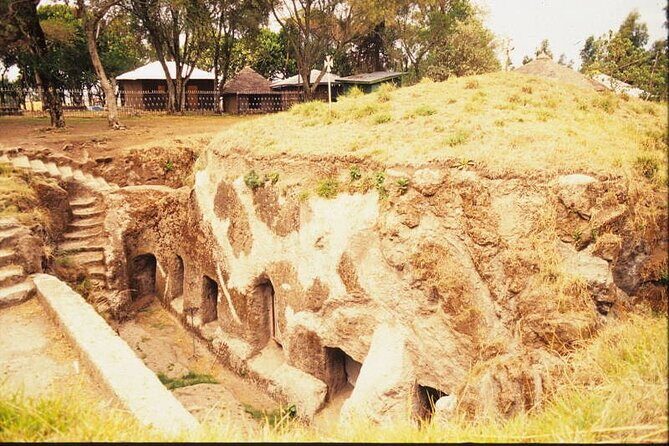
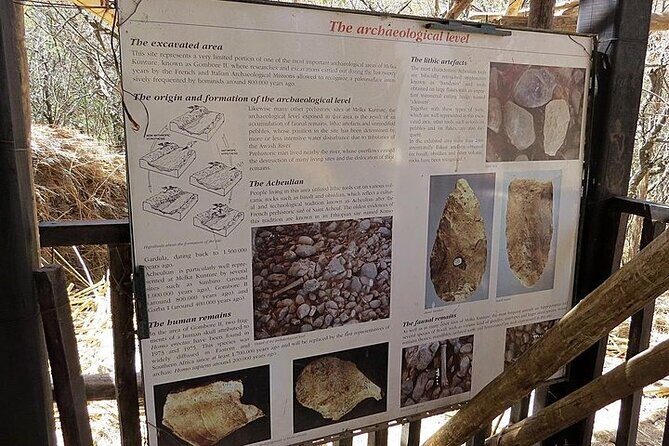
Melka Kunture sits about 60 km southwest of Addis Ababa, and that distance matters. It turns your day into an actual journey rather than a drive-by. You’ll reach an archaeological site famous for very old finds, including stone tools dating around 1.5 million years.
What makes this place special is the sheer time span. The site was occupied intermittently for about 1.8 million years, stretching from the Early Stone Age into the New Stone Age. That’s hard to picture in your head, so I like that a guide can help you “translate” the scale into something you can sense while you’re there.
You can expect to spend around 3 hours at Melka Kunture. Use that block of time wisely. Even if you don’t read every detail, give yourself room to ask basic questions like what kinds of evidence were found and why archaeologists treat this site as important.
One more thing: the UNESCO connection here signals that this is not a casual roadside stop. It’s recognized as a site with real global value, so you’ll want to show up with a bit of patience. Prehistory doesn’t do speed tours.
The stelae idea that makes the carvings feel personal
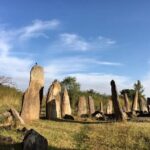
Part of what you’ll learn around these sites is how people marked meaning in stone. The information tied to the area includes a northernmost example of a specific type of engraved, standing stelae that stretch across parts of southern Ethiopia.
These stelae are believed to have been erected between the 12th and 14th centuries. The big takeaway you should remember is that they’re almost certainly grave markers. That means you’re not only looking at “old carvings.” You’re looking at a sign left behind for real people.
There’s also a useful research connection: excavations at Tiya revealed remains of young people (both sexes) aged roughly 18 to 30, buried in foetal positions. Even if you’re not standing at Tiya, this helps you interpret what you see and why it mattered to the community that built these memorials.
If you’re the kind of traveler who likes history to feel human, don’t rush this section. Ask your guide to explain what features in the stelae matter and what scholars think they represent.
Adadi Maryam: a 13th-century cave church with a Lalibela connection
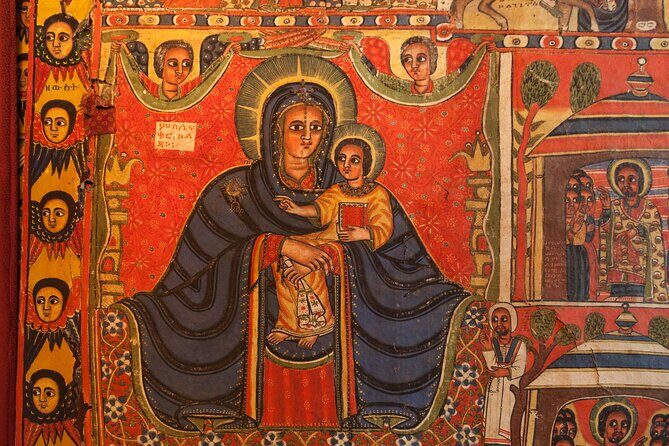
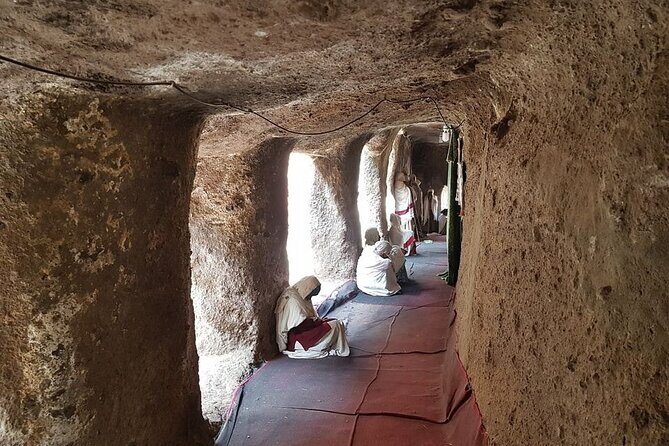
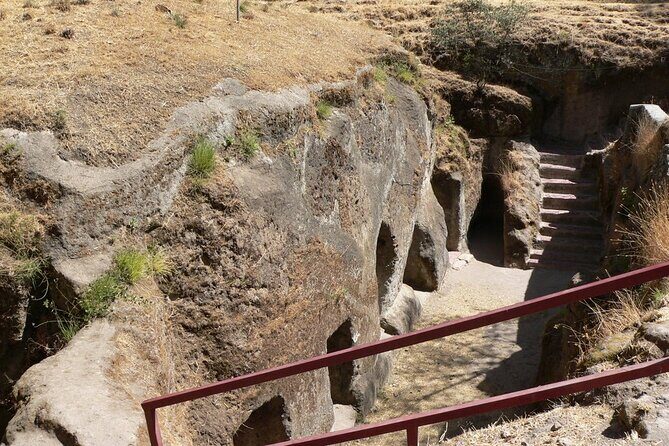
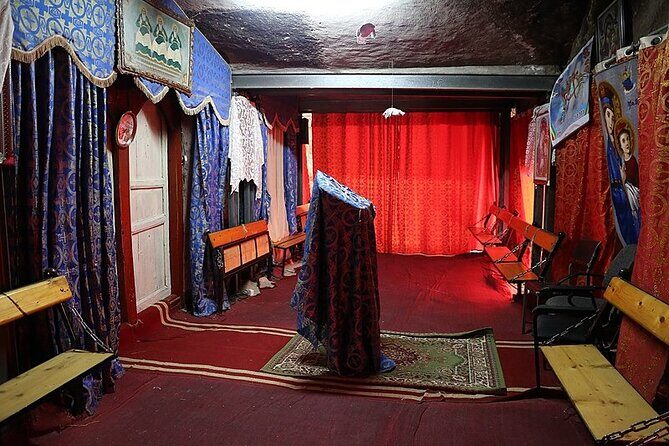
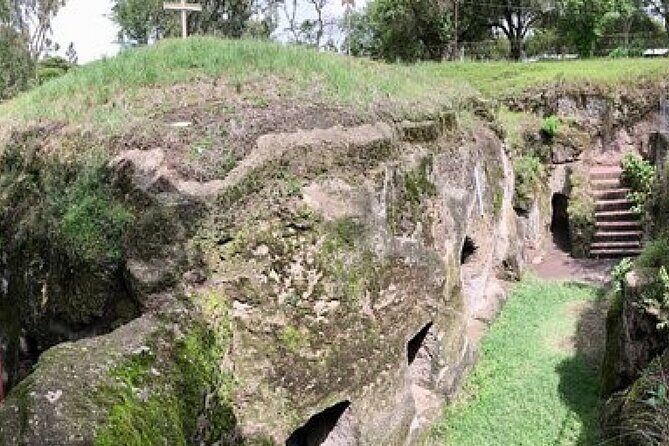
After Melka Kunture, you’ll drive only a few kilometers to Adadi Maryam, where the atmosphere shifts from deep-time prehistory to living-in-rock spirituality. Adadi Maryam is described as a rock-hewn cave church, believed to date back to the 13th century.
This church is also described as the southernmost of Ethiopia’s rock-hewn churches still in existence. That alone gives it weight in your mind: you’re seeing an end-of-the-line example, not just one more church in a chain.
Local tradition adds another layer. It associates Adadi Maryam with King Lalibela’s visit to the area in 1106. There are also clear similarities in style and tradition with the famous rock-hewn churches of Lalibela, many of which are associated with the 12th century.
Plan to spend about 3 hours here. Use the time to look slowly. Cave churches often reward calm attention: you’ll want a few quiet minutes to take in the rock-carved setting and to listen as the guide connects this church to the broader Lalibela tradition.
If you like religious history, you’ll likely enjoy how the story blends local tradition with architectural family resemblance to the best-known sites in Ethiopia. If you don’t, the stelae and burial-marker interpretation can still keep the visit grounded and interesting.
How the day stays comfortable (and what to watch for)
The total day is long enough that logistics matter. With pickup from Bole Airport at 8:00am, you’ll want to start your morning ready to go: water bottling is covered, but you should still plan for personal hydration and comfort.
Food isn’t included—brunch and dinner are not part of the package. That’s the one place where you’ll need to be proactive. If you skip breakfast, you’ll feel it later. A simple strategy: eat before the start time, then carry a snack you can nibble during transit or between short walks.
Weather is another practical point. The tour requires good weather. If conditions are poor, the operator may offer a different date or a full refund. In other words, the day isn’t designed to be run at all costs, which is actually a good sign for safety.
Finally, transportation is private. That matters when you’re heading out of Addis: you’re not waiting on a patchwork of stops and delays. You’re in one vehicle with one plan, and the guide helps you keep the day flowing.


Private guide quality is the difference-maker
This tour includes a guide, and the guide is not just there to point. The experience is built around interpretation—what you’re seeing in the rock, what the markings may mean, and how the sites connect across centuries.
The English support has shown up as a strong point. One traveler highlighted a guide named Alexo for speaking in clear English and answering questions well. Another experience credited Andu as both a best driver and guide, and a separate trip praised Solomon for a nice day out. The pattern is clear: when the guide is strong, the sites make more sense fast.
So here’s my practical advice: bring a few questions that go beyond Where is it? Ask things like What makes this site important for prehistory? or How do researchers link the stelae to burial practices? A good guide will have solid answers, and you’ll get more out of your 3 hours on site.
Price and value: where the $150 actually goes
The price is listed at $150 per person, and the value depends on what’s included. Here, you get private transportation, a guide, bottled water, and all fees and taxes. Admission tickets for the key stops are included in the day’s structure too.
That’s important because archaeological and heritage travel can quietly turn expensive with separate entry fees, guides, and local transport charges. By bundling the essentials, this tour protects your budget and reduces decision fatigue.
There is one cost-side tradeoff worth naming. A solo traveler may find the day “a little too expensive” compared with the group-per-person math. If you’re traveling with someone else, it generally feels easier to justify a private full-day outing.
Still, if you value a guided UNESCO visit with private pickup and a schedule that’s built around two real stops, this price can feel fair. You’re paying for time, access, interpretation, and a smoother day outside the city.
Who this day tour suits best
This is a strong fit for travelers who want variety without chaos. You get prehistory at Melka Kunture and the rock-hewn church world of Adadi Maryam in one 12-hour day.
You’ll probably enjoy it if:
- You like archaeology and want a sense of how far back human life can be traced.
- You’re interested in Ethiopian rock-hewn church traditions and the Lalibela connection.
- You prefer private transport and a small group (max 6) over large bus days.
You might reconsider if:
- You hate tight schedules and want more than 3 hours per major stop.
- You’re very food-sensitive and don’t like planning meals since brunch and dinner aren’t included.
- You’re sensitive to weather disruptions, since the tour depends on good conditions.
Should you book Ethio Target Tours for Melka Kunture and Adadi Maryam?
If your goal is a focused day outside Addis that actually teaches you something, I’d lean yes. The combination of Melka Kunture’s extraordinary prehistory plus Adadi Maryam’s cave church and Lalibela-era links gives you range without scattered stops. Add in a guide, private transport, and included admissions, and the day feels built for convenience and meaning—not just photos.
Book it if you’re ready for a full day starting 8:00am and you’re okay managing food on your own. If you want lots of free time, or you’d rather explore slowly at an unhurried pace, you may feel the time blocks are short.
Either way, if you’re the type who likes history with human stakes—tools that old, memorial stelae, and a church carved into rock—this tour offers a strong payoff for a single day.
FAQ
What does the $150 per person price include?
It includes private transportation, a guide, bottled water, and all fees and taxes. Admission tickets for the stops are included as part of the tour.
How long is the tour, and when does it start?
The duration is about 12 hours. The start time is 8:00am.
Where do I meet the tour and where does it end?
The meeting point is Bole Airport in Addis Ababa, Ethiopia. The tour ends back at the same meeting point.
How many people can be in the group?
This activity has a maximum group size of 6 travelers.
Is brunch or dinner included?
No. Brunch and dinner are not included, so you’ll need to plan your own meals.
What happens if the weather is poor or I need to cancel?
You can cancel for a full refund up to 24 hours before the experience starts. The tour requires good weather, and if it’s canceled due to poor weather, you’ll be offered a different date or a full refund.