REVIEW · ADDIS ABABA
7 Days Cultural Tours to Omo Valley
Book on Viator →Operated by Ethiopian Wanderer Tours & Travel · Bookable on Viator
Road time turns into people time. This 7-day southern Ethiopia trip is built around meeting indigenous communities in the Omo Valley and surrounding regions, with stops that mix daily life, craft, and wildlife. I like that your plan includes real cultural encounters, not just quick roadside photo stops.
I also like the practical comfort: air-conditioned private transportation and pickup, plus plenty of time to move at a human pace. The big bonus is the Lake Chamo boat trip, where you’re set up to look for crocodiles, hippos, birds, and monkeys without needing to be an expert birder.
One consideration: expect long drives and schedule pressure, and some parts require good weather, so plans can shift.
In This Review
- Key highlights you’ll feel right away
- The big-picture route: southern Ethiopia in 7 days
- Day 1: Arba Minch, Chencha, and Dorze weaving life
- Day 2: Jinka via Konso terracing and UNESCO village structures
- Day 3: Mago National Park and Turmi, with Mursi plus Bena and Hamar
- Day 4: Korcho (Karo) and Omo River views you can’t fake
- Day 5: Dassanech near the Kenyan border and their hunt-and-farm routine
- Day 6: Lake Chamo boat trip—crocodiles, hippos, birds, monkeys
- Day 7: Hawasa fish market and the ride back to Addis Ababa
- Price and logistics: is $1,835 worth it for this 7-day mix?
- Who this tour suits best (and how to make it better)
- Should you book 7 Days Cultural Tours to Omo Valley?
- FAQ
- Where does the tour start and end?
- How long is the Omo Valley tour?
- What’s included in the price?
- What is not included?
- Is pickup offered?
- Is this a private tour?
- Which areas and activities are part of the trip?
- What wildlife might you see on Lake Chamo?
- When does the tour run?
- What happens if weather is bad?
Key highlights you’ll feel right away

- Private transportation with pickup, so you’re not squeezed into a big, slow group
- Dorze weaving and daily routines in Chencha, including food and drink production from banana trees
- Konso UNESCO village views, with terrace agriculture and distinctive community structures
- Omo Valley tribe encounters across Mago National Park and the Turmi region, including Mursi, Bena, Hamar, and Karo
- Lake Chamo by boat, with a strong chance to see crocodiles, hippos, birds, and monkeys
- Hawasa fish market morning, a grounded look at how local fishing feeds the city
The big-picture route: southern Ethiopia in 7 days
You start from Addis Ababa and spend the week working your way through some of Ethiopia’s most culturally known southern areas. The rhythm goes like this: drive, arrive, visit, eat, sleep, repeat—then end with Hawasa and a final return to Addis Ababa.
What makes this route work is how it connects different “worlds” without pretending they’re the same. You’ll go from highland scenes around Chencha to terraced Konso hills, then into the Omo River region, and finally to lakeside life around Lake Hawasa. It’s a tight geography mash-up, but it feels logical because each day has a specific focus.
If you like travel that teaches through observation—craft, architecture, markets, and animal life—you’ll get a lot out of it. If you only want a slow vacation with minimal driving, this probably won’t be your favorite style.
A few more Addis Ababa tours and experiences worth a look

Day 1: Arba Minch, Chencha, and Dorze weaving life

Day 1 is your first long move south, with scenic stops and a lunch featuring local cuisine along the way. Then you climb into the mountains to Chencha to visit the Dorze people.
Dorze culture here isn’t presented as a performance. It’s centered on weaving—cotton clothes, distinctive fencing, and beehive-shaped bamboo huts. You’ll also see how daily life links to food and drink: the process behind making from banana trees and leaves comes into the story, so you understand the rhythm of the community instead of only seeing the end product.
Practical note: mountain villages mean changing temperatures and road conditions. Pack for layers and wear shoes that don’t mind uneven ground.
Day 2: Jinka via Konso terracing and UNESCO village structures

After breakfast, you drive toward the Konso area and visit the Konso people and their village, which is recognized as a UNESCO site. The most striking visual is the terracing—farming shaped into hillsides that look like they were engineered by people who live there year after year.
You’ll also notice the village’s security-style constructions and wooden elements, plus unique pole erections. Even if you’re not studying architecture on vacation, it helps you grasp why these structures exist: they’re part of how a community organizes safety, work, and identity.
Then you shift to a more market-centered moment with a Konso market stop before continuing to Jinka. It’s a nice balance: one day is about land and built forms, and the next part is about trade and everyday exchange.
Day 3: Mago National Park and Turmi, with Mursi plus Bena and Hamar
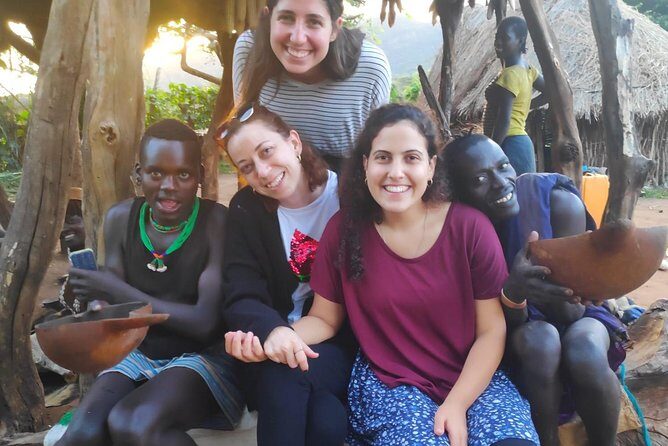
Day 3 is where the Omo Valley story gets very direct. You head to Mago National Park to visit the Mursi, known for the custom involving women who, at maturity, have their lower lips slit and circular disks inserted.
This is the kind of visit where your attitude matters as much as your camera. Go in with patience, ask your guide what’s respectful, and treat people as people—not living museum pieces.
In the afternoon, you drive toward Turmi and make stops along the way with the Bena and Hamar tribes. The tour keeps stacking viewpoints: one part is about a specific bodily tradition, and the other parts add variety in how clothing, ornamentation, and social presentation show up.
If you’re sensitive to intense cultural exposure, pace yourself mentally. It’s a powerful day, and it helps to start it rested.
Day 4: Korcho (Karo) and Omo River views you can’t fake
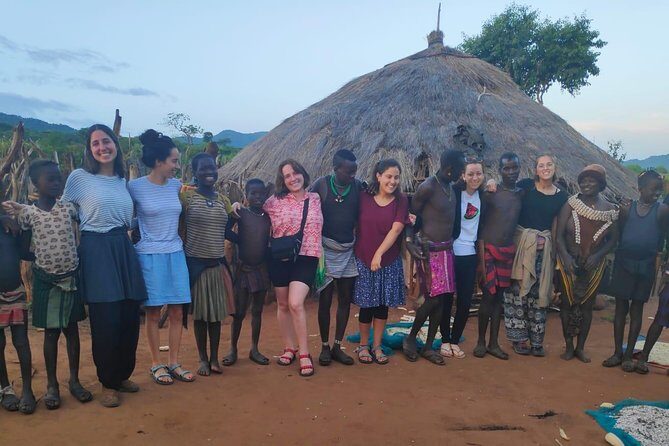
The morning drive takes you to Korcho, in Karo territory, with a panoramic view of the Omo River. You’ll meet the Karo people and focus on their face and body paintings and elaborate decorations.
The tour calls the Karo among the less numerous Omo Valley groups, which adds a different feeling than places where tourism has been heavier. Even so, the emphasis is the same: you’re not just seeing decoration—you’re seeing how identity is expressed.
You sleep in Turmi again, which is smart logistics. It reduces “move-and-stay” churn and gives you more time to process the day before the next shift toward the Kenyan border.

Day 5: Dassanech near the Kenyan border and their hunt-and-farm routine
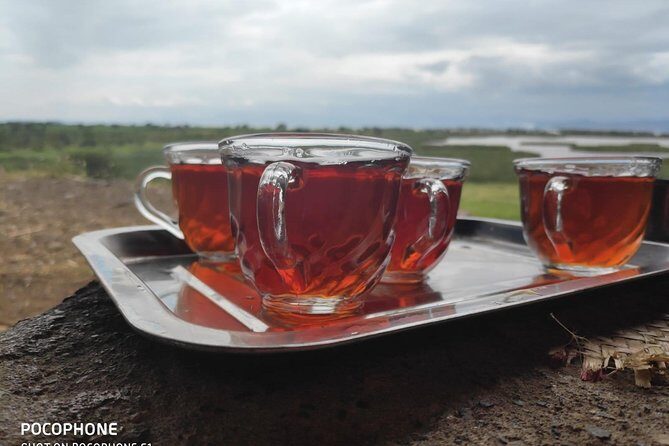
Day 5 moves toward the Kenyan border for a visit to the Dassanech. Here, the focus shifts from craft and village structures to how people sustain daily life through hunting and farming.
You’ll see unique villages and learn about the construction behind them, which helps you connect culture to practical needs like shelter, materials, and local conditions. The tour also notes that dancing is part of their reputation, and you’ll have a chance to see it.
Then you drive back to Arba Minch to reset for the next lake-focused day. That return matters. Arba Minch gives you a familiar base after border-region driving, and it helps the schedule feel less like a nonstop blur.
Day 6: Lake Chamo boat trip—crocodiles, hippos, birds, monkeys
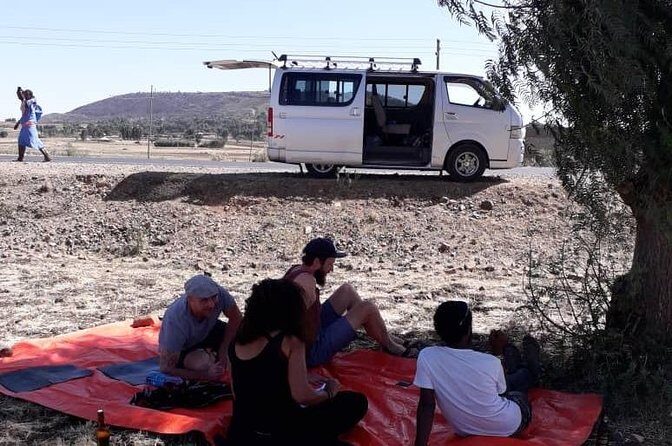
Day 6 is built around water. After breakfast you go to Lake Chamo for a boat trip, described as one of the most interesting bot trips in Ethiopia.
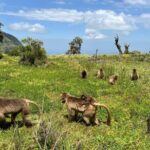
Lake Chamo is the second biggest lake in Ethiopia, and your viewing target is wildlife: crocodiles (including some of the biggest in Africa), hippos, and lots of birds. The tour also mentions monkeys—so expect a mix of floating and shoreline moments rather than one single “guaranteed” sighting.
After the boat trip, you drive to Hawasa in the afternoon. You then walk around Hawasa Lake’s shoreline, which gives you an easy transition from park-style nature viewing to city-adjacent daily life.
Tip: if you’re prone to seasickness, you might want to take it seriously here. You can’t control the boat’s motion, but you can prepare.
Day 7: Hawasa fish market and the ride back to Addis Ababa

Your final day includes a morning at Hawasa’s fish market, nicknamed the Fish Market. This is a hands-on type of stop: you can see how locals sell and prepare fish, and you may get time to meet fishermen and watch the flow of work.
Then you continue driving back to Addis Ababa, with lunch along the way that includes views of the lake. It’s a good final touch because it turns the trip’s last hours from “just transit” into a closing scene that matches the week’s theme: southern Ethiopia in motion, shaped by land and water.
Price and logistics: is $1,835 worth it for this 7-day mix?
At $1,835 per person for about 7 days, you’re paying for a few things that can be hard to assemble on your own: private transportation, an air-conditioned vehicle, and a routing plan that links multiple cultural sites and regional bases.
What’s included:
- Private transportation
- Air-conditioned vehicle
What’s not included:
- Landing and facility fees
The tour also notes admission tickets as free for the listed parts, which helps value. Still, you should budget for the extras that aren’t included—especially landing and facility fees—so you don’t get surprised later.
For me, the value hinges on your travel style. If you want to maximize time with minimal negotiation and want a guide team that keeps visits flowing, the price can feel fair. If you’d rather rent your own car and build a DIY route, this won’t be cheaper. It’s a convenience-and-connection cost.
Who this tour suits best (and how to make it better)
This trip fits best if you like cultural travel that’s specific and hands-on: weaving, terracing, markets, bodily traditions, and lake wildlife. It also suits you if you want structure. The route is tight, and having private transport makes it easier to stay on plan.
It may not suit you if:
- You get cranky after long drives.
- You dislike direct exposure to cultural practices that can feel intense.
- You need lots of downtime between stops.
How to get the most out of it:
- Bring a flexible mindset for cultural photo ethics. Ask first and follow your guide’s cues.
- Wear practical shoes. You’ll be walking around villages and market areas where surfaces can be uneven.
- Pack light layers for mountain-to-lake temperature shifts.
- Keep water and snacks handy for drives, especially on days with multiple stops.
One thing I really like about the operator side is the leadership feedback you can see in past experiences: guides like Abebe are described as accommodating and good at managing timing, and there’s mention of strong local connections through people like Desta. That kind of relationship-building matters in places where access and context change quickly.
Should you book 7 Days Cultural Tours to Omo Valley?
If you want a structured southern Ethiopia cultural loop with private comfort, a real chance at wildlife on Lake Chamo, and multiple tribe visits across different regions, this is an appealing package. The itinerary is intense, but it stays focused: each day has a clear “theme,” from Dorze weaving to Konso terracing to Hawasa fish life.
If you want a relaxed trip with minimal driving—or if weather-sensitive lake plans stress you out—consider your tolerance for schedule shifts. For many people, though, that trade-off is exactly why they book: you come away with a week full of scenes you can’t easily recreate on your own.
FAQ
Where does the tour start and end?
The tour starts in Addis Ababa, and it returns to Addis Ababa by the end of the 7 days (after Hawasa and the fish market).
How long is the Omo Valley tour?
It’s listed as 7 days, approximately.
What’s included in the price?
The tour includes private transportation and an air-conditioned vehicle.
What is not included?
Landing and facility fees are not included.
Is pickup offered?
Yes, pickup is offered.
Is this a private tour?
Yes. It’s described as a private tour/activity, meaning only your group participates.
Which areas and activities are part of the trip?
You’ll cover southern Ethiopia places such as Arba Minch, Jinka, Turmi, Hawasa, plus visits around Dorze, Konso, Mursi, Bena, Hamar, Karo (Korcho), and Dassanech. A boat trip on Lake Chamo and a fish market in Hawasa are included.
What wildlife might you see on Lake Chamo?
The boat trip is geared toward seeing crocodiles and hippos, plus birds and monkeys.
When does the tour run?
The listed opening hours are Monday through Sunday, 9:00 AM to 5:30 PM, for the period 05/22/2019 to 06/18/2026.
What happens if weather is bad?
The experience requires good weather. If it’s canceled due to poor weather, you’ll be offered a different date or a full refund.