REVIEW · ADDIS ABABA
From Bole: Tiya, Adadi Mariam, & Melka Kunture Trip
Book on GetYourGuide →Operated by Aman Ethiopia Tour & Travel · Bookable on GetYourGuide
Three ancient stops, one very fast road trip. This day trip from Bole ties together rock-hewn churches, UNESCO archaeology, and prehistory in one long drive south of Addis Ababa. I love the way the route connects faith and time scales you usually keep in separate trips.
The other thing I really liked: the guides. Names like Joseph, Abe, and Dagi came up for a reason, with clear explanations that help you see what you’re looking at, not just what’s written on a sign. Only heads-up: the day is long, and some roads can be gravel and bumpy, so expect a bit of road shaking.
In This Review
- Key Things That Make This Trip Worth Your Time
- A One-Day UNESCO and Prehistory Road Trip from Bole
- Adadi Maryam Rock-Hewn Church: When Cave Churches Feel Alive
- Tiya’s UNESCO Stele Field: 12th-Century Symbols You Can Actually See
- Melka Kunture Prehistoric Site: Paleolithic Life in the Upper Awash Valley
- Gurage Village Life, Lunch, and Ethiopian Coffee Breaks
- Getting There and What the Driving Feels Like
- Price and Value: What $67 Buys You in Real Terms
- Who This Tour Suits (and Who Might Want Something Else)
- When to Book and What to Bring
- Should You Book This Day Trip from Bole?
- FAQ
- What locations and sites does the trip include?
- How long is the day trip?
- Is lunch included?
- Does the price include entrance fees?
- Do I get hotel pickup and drop-off?
- Is airport pickup and drop-off included too?
- Is bottled water included?
- What language is the guide?
- What do I need to bring or show before going?
Key Things That Make This Trip Worth Your Time
- Adadi Maryam’s rock-hewn caves and the stories tied to Lalibela and Abune Gebre Menfes Kidus
- Tiya’s UNESCO stele field, with 32 decorated carvings among 36 monuments
- Melka Kunture’s Paleolithic landscape, newly recognized as World Heritage in 2024
- Real village moments with the Gurage, not just “walk by and move on” sightseeing
- Ethiopian coffee with lunch, keeping the day human between big historical stops
- Professional driver + English-speaking guide, which matters when you’re bouncing between sites
A One-Day UNESCO and Prehistory Road Trip from Bole
This is the kind of day trip that works well if you’re based around Addis Ababa and want more than city views. You start after breakfast and head south, hitting three major sites that sit on very different chapters of Ethiopia’s story.
The format is straightforward: you ride in a car with a professional driver, you have an English-speaking guide to translate the meaning behind what you see, you get entrances included, and you’re fed. That last part sounds basic, but in Ethiopia it makes the whole day feel smoother. You’re not constantly hunting for food, and you can keep momentum between stops.
This isn’t a “relax on a patio” outing. It’s a focused cultural and historical route, so bring patience for the driving. One review noted the gravel roads can be bumpy—so having comfort shoes and mentally preparing for a long sit helps.
You can also read our reviews of more tours and experiences in Addis Ababa.

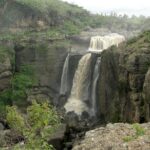
Adadi Maryam Rock-Hewn Church: When Cave Churches Feel Alive
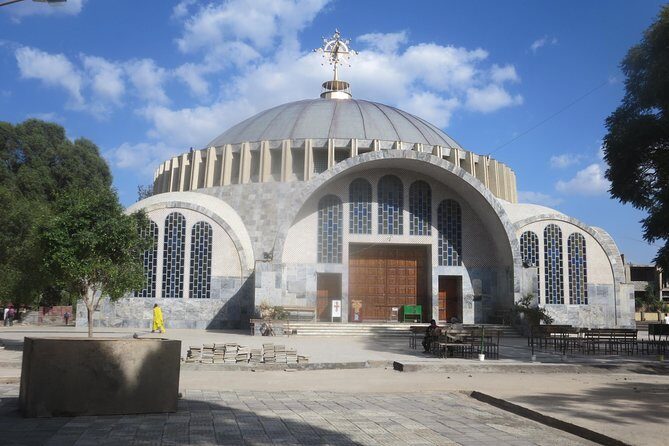
Your first big stop is Adadi Maryam, the rock-hewn cave church area. Tradition and local belief place it in the 12th century, and the stories around it give you a lot to watch for while you’re there. The way the site connects to Ethiopia’s Orthodox Christian tradition is a big part of why this stop lands so well.
Here’s what you’ll hear and what it changes about the visit:
- Local tradition links Adadi Maryam to King Lalibela of the Zagwe dynasty, with the idea that he commissioned rock-hewn churches in the 12th century.
- Ethiopian Orthodox hagiography is often referenced in connection with St. Lalibela and the famous count of churches from his lifetime, often described as 76 rock-hewn churches.
- Oral tradition also ties Adadi Maryam to the arrival of Abune Gebre Menfes Kidus from Egypt, which adds a “connected to the wider world” feeling to a site that’s physically tucked into stone.
Even if you’re not a religion-history specialist, the guide explanations help you notice how these churches function as lived spaces, not just monuments. You’re watching a tradition survive through architecture, and that’s the main emotional payoff here. The cave setting makes the atmosphere feel close and real, especially when you’re moving from the open air into the church space.
A practical note: wear comfortable shoes. Cave church areas often involve uneven ground, and you’ll be on your feet long enough that you’ll appreciate traction more than stylish sandals.
Tiya’s UNESCO Stele Field: 12th-Century Symbols You Can Actually See
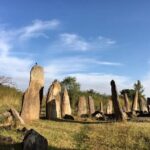
Next comes Tiya, the UNESCO site best known for its stone pillars and decorated monolithic monuments. Tiya is designated World Heritage in 1980, and it helps to know that the site is relatively “recent” in an archaeological sense. It’s commonly dated between the 11th and 13th centuries, which means you’re looking at a period that connects more easily to historical Ethiopia than the far deeper past.
What makes Tiya visually unforgettable is simple: you don’t just see stones. You see a field of monuments where carving and symbol matter. The site contains 36 monuments, including 32 carved stelae with symbolic decoration.
Here’s how I think about it when you’re standing among them: stele fields like this are meant to be encountered as a group. The repeating shapes and carvings make it feel planned, like someone understood that meaning lands through pattern. A good guide explanation makes a difference here, because the shapes start to read like communication rather than decoration.
One useful tip for your visit: take time with the middle distance. People often rush and only look at the nearest stones. But Tiya works best when you step back and let the whole arrangement register. Even in a short stop, you’ll likely get a chance to frame photos in a way that shows the monument field.
If you’re the type who likes details, this is the place to slow down. If you’re more casual, you’ll still leave with a strong sense of how striking the UNESCO designation is for a site that doesn’t require modern infrastructure to make an impression.
Melka Kunture Prehistoric Site: Paleolithic Life in the Upper Awash Valley
Then you head to Melka Kunture, a Paleolithic site in Ethiopia’s upper Awash Valley region. This stop is the one that stretches your sense of time the most. It was recognized as World Heritage in 2024, which gives it a fresh spotlight—and it also means the experience tends to feel like “newly shared” history.
The area is described as a set of valleys with inner terraces that resisted erosion. Translation for your visit: you’re looking at a place where the land itself helped preserve evidence over time. That matters because paleontology and archaeology aren’t just about digging. They’re also about geography—what stayed protected, what got exposed, and what patterns survived.
Since the exact “what you’ll see” details aren’t listed for every moment here, I’ll keep it grounded: expect to walk and look around an archaeological landscape, and expect your guide to connect what’s known about the Paleolithic in this area to what you can observe on site.
This is also a great stop if you enjoy early human stories. One review credited a guide with explanations of everything from religious history to early humans, and this is where that kind of storytelling pays off. When someone can connect deep time to visible terrain, the site stops feeling like a textbook and starts feeling like a location you understand.
Gurage Village Life, Lunch, and Ethiopian Coffee Breaks
A tour like this can go two ways: either you’re constantly rushing between “things to see,” or you get a human pause that makes the history breathe. Here, you get a chance to experience local village life of the Gurage people, plus a meal.
That Gurage village component matters because it shifts the day from monuments to people. It’s the difference between photographing stones and learning how communities live alongside long-settlement history. I’d treat this part as your “watch and listen” segment. Ask questions where it feels natural, and keep your camera use respectful. A guide will help you figure out what’s appropriate.
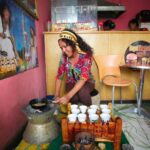
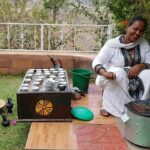
Lunch is included, and you also get Ethiopian coffee during the day. That’s not just a perk. It helps you reset after the church and stele stops, which can both be mentally heavy in a good way. Coffee also turns the day from sightseeing into a full cultural experience.
One of the best value features here is that the tour handles food for you. You can stay focused instead of hunting for lunch during a tight schedule.
Getting There and What the Driving Feels Like
This day trip is built for comfort and efficiency, with hotel pickup and drop-off. Depending on your arrival, airport pickup and drop-off are also included, which is handy if you’re trying to use limited time around Addis.
Timing-wise, one review described an 8:00 a.m. start and about 7–8 hours total. That’s a realistic framework: you’re out most of the day, and you’ll likely have early momentum.
About the ride: at least one reviewer specifically noted the 4×4 was welcome because roads could be gravel tracks and bumpy. So I’d plan for that physically. That means:
- Wear shoes that handle dust and uneven ground.
- Bring light layers. Early and late can feel cooler, and vehicles don’t always keep temperatures consistent.
- Don’t pack fragile expectations for every photo angle. Some days are about capturing the moment, not controlling it.
Your guide experience is a major part of the ride value. People highlighted guides like Abe, Joseph, Dagi, Shasha, and Neway, and the pattern is clear: the most satisfying days are when you understand what you’re seeing.
Price and Value: What $67 Buys You in Real Terms
At $67 per person, the price looks modest—especially because multiple key costs are handled for you. You’re not only paying for transport. You’re also paying for:
- Hotel pickup and drop-off (and airport pickup/drop-off)
- A car with a professional driver
- An English-speaking guide
- Entrance fees
- Lunch
- Bottled water
- Ethiopian coffee
When you add up that kind of bundle, the value story becomes clearer. If you tried to cobble it together alone, you’d still need a guide (to make Tiya and Adadi Maryam meaningful), a driver, and you’d almost certainly pay for entrances and lunch separately.
The only “cost” you’re really paying with is your time and attention. This tour compresses three major sites into one day, so it suits people who want a full snapshot rather than slow travel.
If you like structure and a guide who helps you connect the dots, this price makes sense for the package you get.
Who This Tour Suits (and Who Might Want Something Else)
This day trip is ideal if you:
- Want UNESCO sites from Addis without committing to multiple days
- Like archaeology and religious history in the same outing
- Enjoy guided explanations that help you read symbolism and tradition
- Prefer not to manage local logistics while you’re short on time
It’s also a solid choice for first-time visitors who feel overwhelmed by the number of options around Addis. One reviewer described that the real magic felt more in Ethiopia’s surroundings and people than in the city itself. That matches the spirit of this route: it takes you out into the country quickly and gives you context.
Who might not love it? If you dislike long car days or want deep time at one location, you may feel this is a bit “fast.” You’re visiting major places, but you’re doing it in one continuous sweep.
When to Book and What to Bring
Bring essentials that make the day smoother:
- Passport or ID card
- Comfortable shoes
- Camera
- Sun hat
One more important requirement: the tour information states that all visitors must show a COVID-19 certificate of tests. Double-check that requirement close to departure, since health rules can change fast.
Should You Book This Day Trip from Bole?
Yes, if you want a high-impact day that mixes Adadi Maryam, Tiya, and Melka Kunture without planning headaches. The guide quality seems to be the main difference-maker, and the included meals and entrances make the price feel fair.
I’d especially recommend it if you’re the type who enjoys understanding stories—Lalibela traditions, symbol-filled stele fields, and Paleolithic contexts tied to where erosion left evidence behind. This isn’t just “see three places.” It’s a day that helps you connect the meaning of the places.
If you hate bumpy roads and long driving, or you want a slow, lingering pace, you might prefer a multi-day plan with fewer transfers. But for most people with limited time, this one-day route is a strong use of your hours.
FAQ
What locations and sites does the trip include?
It includes Adadi Maryam Rock-Hewn Church, the Tiya UNESCO site (with its stele monuments), and the Melka Kunture Prehistoric Site. The experience also includes local Gurage village life.
How long is the day trip?
It’s a day trip that can take about 7 to 8 hours, with a start around 8:00 a.m. based on tour experience shared in feedback.
Is lunch included?
Yes. Lunch is included, and the tour also includes Ethiopian coffee.
Does the price include entrance fees?
Yes. Entrances fee are included in the tour.
Do I get hotel pickup and drop-off?
Yes. Hotel pick up and drop off are included.
Is airport pickup and drop-off included too?
Yes. Airport pick up and drop off are included as part of the experience.
Is bottled water included?
Yes. Bottle of water is included.
What language is the guide?
The tour includes an English speaking guide.
What do I need to bring or show before going?
Bring a passport or ID card, plus comfortable shoes, a camera, and a sun hat. The tour information also states visitors must show a COVID-19 test certificate.