Addis Ababa to Danakil feels like hopping planets. You’ll mix Ethiopian Orthodox history with jaw-dropping geology in the Danakil Depression, then switch gears to Lalibela’s rock-hewn churches and the human stories of the Omo Valley. I like how this trip doesn’t treat Ethiopia like a checklist; it gives you reasons behind what you’re seeing, from Memphis-like relics at museums to the meaning of sites like Lalibela.
The big downside to plan around is physical and logistical reality: this is long-distance travel with long drives, domestic flights, and at least one demanding trek (like the Erta Ale volcano walk), plus it needs good weather to run as intended.
In This Review
- Key highlights you’ll feel fast
- Addis Ababa: cathedrals, Lucy, Entoto views, and Mercato life
- Danakil Depression: getting to Hamedilla and watching Asale Salt Lake turn gold
- Dallol’s mineral world and Erta Ale’s night trek to the eruption area
- Afdera Salt Lake swim: a quick reset after the hard stuff
- The long drive to Lalibela: countryside views and a late-afternoon church-light moment
- Lalibela on foot: Bete Medhanialem, St. George, and Tej Bet music
- Flying to Jinka: South Omo Research Center and an easier first afternoon
- Mago National Park to Turmi: Mursi villages and Hammar bull-jumping
- Karocho on the river and Dasenech by boat: colorful paint and sensitive realities
- Konso terracing and the road-market rhythm toward Arba Minch
- Bale Mountains: wildlife chances, Ethiopian Wolf hopes, and forest walking
- Awassa fish market, Kuriftu Lake time, and an Addis farewell with honey wine and dance
- Price and logistics: what $3,410 buys on a trip this remote
- Should you book this 13-day Ethiopia mix?
- FAQ
- How long is the tour?
- Where does the tour start?
- What kind of fitness level do I need?
- Is the tour a group trip or private?
- Are admission tickets included?
- What happens if weather is poor or I need to cancel?
Key highlights you’ll feel fast
- Danakil Depression geology: salt, potash, sulphur, and those surreal colored formations around Dallol
- Erta Ale at night: a patience-testing trek to the eruption area, with the option of camel hire
- Lalibela on foot: exploring multiple rock-hewn churches, then unwinding with tej and music
- Omo Valley encounters: stops around Mursi, Hammar, Karo, Konso, and Dasenech communities
- Bale Mountains wildlife chances: hopes for Ethiopian Wolf sightings and endemic species
- Small group vibe: up to 14 people, so you can actually talk with others on the road
Addis Ababa: cathedrals, Lucy, Entoto views, and Mercato life
Your trip starts in Addis Ababa with a set of stops that help you understand Ethiopia before you fly or drive into the wilder places.
First up is the Holy Trinity Cathedral, the main Ethiopian Orthodox church and the resting place for major figures in Ethiopian history, including King Hailesilassie I. The point here isn’t just the building. It’s the chance to grasp how Ethiopian Christianity shows up in art, stonework, and ceremony.
Then you go straight to the National Museum of Ethiopia, where you’ll see artifacts and archaeological finds from across the country. The headline object is Lucy, the famous 3.2 million-year-old hominid fossil. Even if you’re not a museum person, Lucy tends to land hard because it compresses time: you’re standing in the present while the story goes back toward the beginnings of humanity.
After that, Entoto Natural Park gives you a breather with views over Addis from the high point around the area. You’ll be driving through eucalyptus and juniper-covered slopes, and it’s a nice counterweight to the city stops. On the way down, you pass authentic villages, which helps you get a more honest sense of how everyday life sits beyond the skyline.
Finally, Mercato Market brings you into the noise and movement of daily commerce—spices, coffee, food, clothes, and more. It’s the kind of place where you’ll feel like you’re watching Ethiopia at work, not shopping for souvenirs.
Practical note: Mercato is big. If you’re prone to getting over-stimulated, plan to treat it like a sensory walk—pick a direction, spend your time, then step back before you tire out.
You can also read our reviews of more tours and experiences in Addis Ababa.

Danakil Depression: getting to Hamedilla and watching Asale Salt Lake turn gold
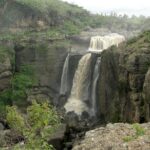
Day two drops you into the Afar region’s otherworldly lowlands. The Danakil Depression is officially the lowest point on the planet at around 120 meters below sea level, and that fact alone changes how you experience the place. It’s not “a scenic valley.” It’s a geological corner of Earth where plates met and the ground sank.
You start with a drive from Mekelle as soon as you land, then head toward Hamedilla—the camping site for this part of the trip. The evening plan centers on the Asale Salt Lake at sunset. Expect a walk around the lake area with huge colors and mineral textures catching the light. This is the slow-building part of the journey, where you get time to look, not just pass through.
Why this matters for your trip: Danakil is one of those places where your photos won’t fully explain it. The real payoff is seeing how the colors come and go with the sun, and how the air and silence feel different when you’re that far below sea level.
Consideration: you’re in a remote area and moving with a schedule built around travel times. When you arrive, you’ll likely be tired. Treat the sunset as the reward for that effort, not as something you need to “race.”
Dallol’s mineral world and Erta Ale’s night trek to the eruption area
After the sunset glow, day three goes deeper—both literally and mentally.
You start with Dallol tours, which focus on colorful formations created by mineral mixes like salt, potash, and sulphur. The terrain can look impossible, like someone painted it with too many pigments. The hike is shorter than some big trekking days—around two hours—but it’s still very much a walk through a working science project. You’re seeing evidence of ongoing processes through the colors and the salt-draped ground.
Then you continue toward the salt mountains area, where the landscape shows signs of volcanic activity. This is where your brain shifts from “wow, colors” to “this is Earth in motion,” with geology shaping the entire experience.
The second half of the day is Erta Ale—one of the few active volcanoes in the world. It’s sometimes described as the Gateway to Hell, and the name is not an accident. You’re dealing with evening trekking, energy management, and the long patience of waiting your turn for that eruption view.
You drive to the base camping area, park the cars, and start the trek. There’s an optional camel hire if it helps your comfort level. The walk to the eruption area tip takes roughly 1.5 to 2.5 hours, and once you get there, you’ll walk deeper into the eruption zone area long enough to enjoy the spectacle, then return to the camping site.
What I think you should take from this: Erta Ale is not a “quick photo-stop.” It’s a night-time commitment. If you like challenges, you’ll love it. If you hate cold nights, long effort, or waiting around, you might find it a stretch.
Afdera Salt Lake swim: a quick reset after the hard stuff
After two intense days, day four is built around recovery and a gentler splash of experience.
You stop at Afdera and go to the salt lake for a swim on the way back to Mekelle. It’s brief, but it’s the kind of break that helps your body and your head. After Danakil’s harsh, otherworldly setting and Erta Ale’s big trek, switching to something as simple as getting in the water can feel like a gift.
Then you either return to Mekelle for the night and city time, or you connect forward depending on pacing. The key is that you’re not only grinding forward. You get a moment to breathe before the highland cultural section of the trip starts.
The long drive to Lalibela: countryside views and a late-afternoon church-light moment
From the lowlands, the route climbs back into the highlands and the rhythm changes from geology to people, villages, and faith.
You’ll travel through chained mountains in the Tigray and Amhara regions, with frequent stops for lunch, photos, and downtime. You may also have a chance to see local markets depending on timing. This is a useful day because it’s not just transit. It’s you learning the “real road Ethiopia” feel: mountains, changing settlements, and the small chances to interact with locals along the way.
You reach Lalibela late afternoon and get sunset from your hotel. That last light in Lalibela is a classic setup for what comes next—because the churches aren’t just buildings; they’re part of a religious landscape that changes with the sun.
Lalibela on foot: Bete Medhanialem, St. George, and Tej Bet music
Lalibela is the spiritual and architectural centerpiece of this portion of the trip, and you’ll experience it on foot with a focused day exploring multiple rock-hewn churches.
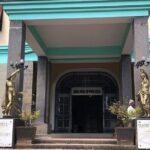
You start with the rock-hewn churches area, including the main monolithic church Bete Medhanialem. Lalibela’s reputation comes from the engineering—10 solid rock churches—carved and shaped as if stone itself was meant to become architecture. You’ll explore different groups of churches, and the idea of “Earthly Jerusalem” is part of what gives the site meaning. It’s not only the carving. It’s the symbolism.
Next you visit Church of St. George, famous for being carved to symbolize Noah’s Ark. The windows and doors are elaborately designed, each connected to Bible stories and prayer traditions. Even if your interest is mostly in the architecture, St. George has that extra wow factor because it’s built like a narrative object.
After seeing the big named highlights, you continue through more churches depending on time, and you finish with a local tej experience at Tej Bet. You’ll taste Ethiopian honey wine and enjoy local music. One of the fun details here is the shoulder-shaking dance—exactly the kind of low-key cultural finish that turns a long church day into something joyful.
Practical note: If you’re the type who likes to linger and take notes, you’ll want comfortable footwear and a calm pace. Church time adds up fast when you’re walking between sites and absorbing the carving details.
Flying to Jinka: South Omo Research Center and an easier first afternoon
Day seven breaks the journey with domestic flying from Lalibela to Jinka, with a stop in Addis Ababa to change planes. That’s a good detail to know: it’s not just “long drive after long drive.” The route uses flights to connect regions that would be a massive overland slog.
Once you arrive in Jinka, you check in to your hotel and have a free afternoon. You can do a light walk in town if you want, or you can visit the South Omo Research Center. This museum-style stop gives you a structured look at the tribes who live in the Omo River Valley—useful context before you meet communities in the field.
I like this approach because it keeps you from arriving in Omo with only questions in your head. You’ll have at least a starter map of how the region fits together.
Mago National Park to Turmi: Mursi villages and Hammar bull-jumping
Day eight is the Omo Valley culture day with a classic sequence.
You start with Mago National Park, where you visit typical Mursi village life. The Mursi are recognizable for the tradition of inserting lip plates in their lower lips, which you’ll see as part of the community’s visible customs. The plan is several hours driving between tribal areas and visiting one village in the morning.
After that, you return to Jinka for lunch and then continue to Turmi. That shift—returning to a base, eating, then switching to a different town—is important because it’s less stressful than spending every hour in transit.
In the afternoon, your stops can include tribal markets such as Key Afer, Dimeka, or Kako depending on the dates. If those markets don’t align, the plan says you’ll improvise with other options so your day doesn’t feel empty. Then you arrive in Turmi late afternoon.
Near Turmi you visit the Hammar village, and you’re aiming to time it so you see the village full when people return for the evening. It’s noted that young people may approach you for photos, and the bull-jumping ceremony can be happening depending on your timing. The bull-jumping rite is described as a rite of passage from childhood to adulthood, marking readiness to marry.
Consideration: you’ll want to stay respectful with photography. Follow what your guides suggest. These are living communities, not staged shows.
Karocho on the river and Dasenech by boat: colorful paint and sensitive realities
Day nine centers on the Omo River communities, with two different experiences and a full day feeling.
In the morning you go to Korocho village to meet Karro people. They’re described as colorful, including body paint, and you’ll have time to explore the village and see how people live. You may go into someone’s home to understand daily rhythms more closely.
In the afternoon you head toward the Dasenech people, who are closest to the river. You cross the Omo River by traditional wooden boat, then walk for about 20 minutes to reach the nearest Dasenech village.
The Dasenech are noted for continuing circumcision of girls in every generation, along with agriculture and husbandry as part of day-to-day life. This is a moment where you should slow your thinking and take care with your emotions and judgments. The value here is understanding another way societies sustain themselves, while recognizing the topic is sensitive.
Then you return to Turmi for overnight, keeping the pace manageable after the more intense encounters.
Konso terracing and the road-market rhythm toward Arba Minch
Day ten moves out of the Omo Valley and into the Rift Valley region.
First stop: Konso Cultural Centre, with a visit to Konso village. Konso is famous for land terracing techniques, built and maintained across generations with dry-stone-walled methods. You’ll see village organization that can make you pause—because it’s practical engineering mixed with long-term social planning. It’s not only scenery. It’s how people shape land to live on it.
Then the day returns you to driving time toward Arba Minch. There’s also a good chance to stop at another market you missed earlier, so the day can feel flexible as the route adapts to what’s available.
The drive from Turmi to Arba Minch is described as about 6 to 8 hours, so this is one of those days where your mindset helps. Bring patience, settle in, and treat the ride as part of the experience rather than something to complain about.
Bale Mountains: wildlife chances, Ethiopian Wolf hopes, and forest walking
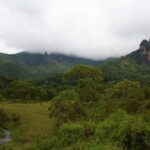
From Arba Minch you head toward Bale Mountains National Park, and this shifts the trip into wildlife and highland nature.
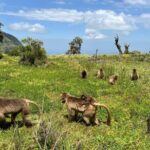
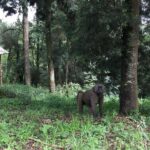
Day eleven starts early with a drive to Bale. On the way you stop in Shashemene, known as a living place for Jamaicans. Then, in Bale, you’ll visit endemic wildlife including Mountain Nyala, Menelik Bushbuck, Reedbuck, Kidus, warthogs, and more, depending on conditions.
You continue to Bale Goba for overnight, then later you add more time for a deeper forest approach.
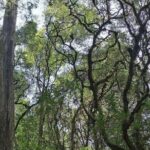
Day twelve includes a morning drive to Harenna rainforest and Tulu Dimtu, with slow walking and driving with hope of spotting the Ethiopian Wolf and the Giant Molerat. This is a key point: you’re not guaranteed sightings of specific animals, but the schedule is built to give you a chance. After your park time, you drive back to Hawassa and arrive at a resort for afternoon relaxation.
Then you get a sunset over Fiker-Haiq near the resorts, which is a nice send-off from wildlife day intensity.
Awassa fish market, Kuriftu Lake time, and an Addis farewell with honey wine and dance
The final day is a blend of sensory food-and-life, then a resort break, then city celebration.
In the morning you visit the fish market at Awassa Lake, famous for a scene described as a human-fish-birds scramble for survival. It’s active and chaotic-looking, but it’s also a window into how local fishing supports daily life.
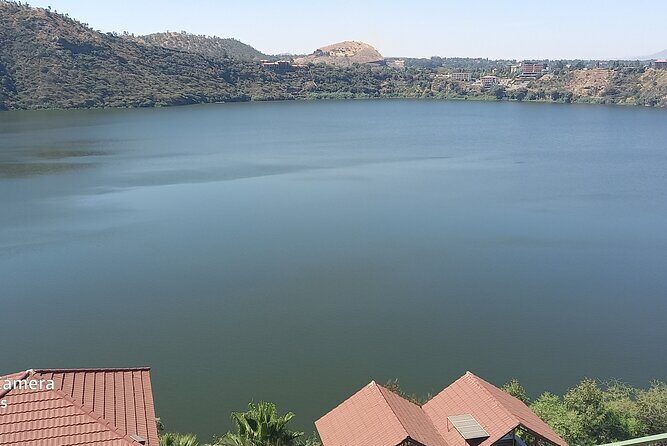
Then you drive toward Addis Ababa, and later you enjoy lunch at Kuriftu resort with time at the Kuriftu Water Park. You can walk around or canoe on Kuriftu Lake for a while, which gives you a softer landing before the travel fatigue catches up.
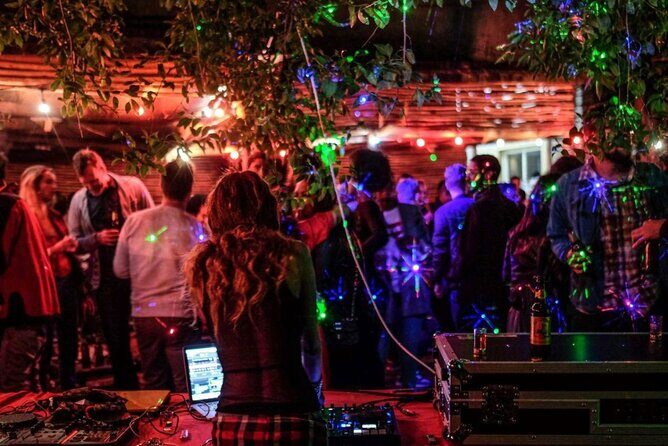
That afternoon you head back to Addis Ababa for overnight. The trip ends with a farewell dinner at a cultural restaurant with folk music and dance performance, plus Ethiopian honey wine or beer.
It’s a fitting finish: you started with faith sites and history, you saw remote survival and ceremony, and you close with music that feels like Ethiopia’s way of saying, thanks for coming.
Price and logistics: what $3,410 buys on a trip this remote
At $3,410 per person for about 13 days, the math looks steep until you break down what you’re actually paying for.
This route includes hard-to-access regions like the Danakil Depression and Erta Ale, plus multiple domestic flight legs (including the switch from Lalibela to Jinka with a stop in Addis). Those two factors alone drive costs. Then add the long road days across regions like Tigray and Amhara, and the fact you’re mixing multiple cultural zones (Lalibela, Omo Valley communities, Konso, Bale Mountains).
You’re also getting a group format with up to 14 travelers, pickup offered, and mobile ticketing. Those sound small, but they matter when the plan hinges on time-sensitive connections.
The value piece I’d focus on: you’re not just seeing one theme. You’re getting Ethiopia’s “range”—Orthodox heritage, tectonic weirdness, living culture, and highland wildlife—within a single organized flow. If that’s what you want, the price feels less random.
Who this fits best: adventurous people with moderate physical fitness who don’t mind early starts and long travel days, and who want real context rather than only fast sightseeing.
Should you book this 13-day Ethiopia mix?
I’d recommend booking if you want a trip that pairs big nature spectacles with human stories, and you’re comfortable with a schedule that includes night trekking and long driving days. You’ll likely get the most out of it if you’re curious, patient, and respectful during cultural visits, especially around communities in the Omo Valley and during activities tied to ceremonies.
I’d think twice if you’re looking for an easy vacation pace or if you’re very sensitive to physically demanding days. Erta Ale is the headline challenge, and the whole route depends on good weather to keep things running.
One smart tip from past experience: bring a small torch and a remote charger. Power interruptions can happen, and having your own backup keeps you from feeling stuck.
If you want my bottom-line: this is the kind of trip that changes how you see Ethiopia. It’s not gentle, but it’s memorable in the best way—because the places are real, the stories are specific, and the effort is worth it.
FAQ
How long is the tour?
It runs for about 13 days.
Where does the tour start?
It’s based in Addis Ababa, Ethiopia.
What kind of fitness level do I need?
A moderate physical fitness level is recommended.
Is the tour a group trip or private?
It’s a group tour with a maximum of 14 travelers.
Are admission tickets included?
Admission tickets are included for several key stops, including places like Holy Trinity Cathedral, the National Museum of Ethiopia, Danakil Depression sections, and multiple sites in Lalibela and Bale.
What happens if weather is poor or I need to cancel?
The experience requires good weather. If it’s canceled due to poor weather, you’ll be offered a different date or a full refund. You can cancel up to 24 hours in advance for a full refund.