REVIEW · ADDIS ABABA
Addis Ababa: Full-Day City Tour with Hotel Pickup & Drop-off
Book on GetYourGuide →Operated by Addis Ethiopia Tour · Bookable on GetYourGuide
One day in Addis Ababa hits like a movie. This full-day city tour strings together Ethiopia’s biggest museum moments, a top hill view, and real street-level life in the Merkato. You’ll also get a church visit and a memorial that connects Ethiopian and Cuban soldiers during the Ogaden War.
I love how hotel pickup and drop-off plus a live English guide keep the day organized. I also love the balance: world-famous artifacts at the museum, then time at the market, then viewpoints from Mount Entoto.
One consideration: the National Museum of Ethiopia is closed on Mondays, so plan your dates around that if Lucy is a must-see.
In This Review
- Key highlights that make this tour worth your time
- National Museum to Mount Entoto: how the day flows
- Lucy and pre-Axumite artifacts: the National Museum payoff
- Yekatit 12 and the monument stop that gives meaning to the city
- Addis Ababa University’s Ethnographic Museum: learn by looking at daily life
- Mount Entoto: the view and why the place has history
- Merkato: shop, stare, and watch the city work
- St George Cathedral’s renovation swap: Baata Mariam instead
- Tiglachin Memorial: the Ogaden War connection you might miss otherwise
- Lunch at a historic Addis Ababa Restaurant: plan your budget
- Pickup, timing, and what to pack so the day stays comfortable
- Is it good value at around $69 per group?
- Who should book this Addis Ababa city tour?
- Should you book it or skip it?
- FAQ
- How long does the Addis Ababa full-day city tour take?
- Is lunch included in the tour price?
- What entrance fees are included?
- Where do they pick you up and where do you drop you off?
- Does the tour have an English-speaking guide?
- Is this tour suitable for wheelchair users?
Key highlights that make this tour worth your time

- Lucy at the National Museum of Ethiopia: the 3.5 million-year-old fossil of Australopithecus afarensis
- Ethnographic Museum inside Addis Ababa University: daily life and artifacts tied to Ethiopia’s ethnic groups
- Mount Entoto panoramic view: a historic spot tied to Emperor Menilik II’s camp
- Merkato market time: see the largest open-air market in Africa and browse local goods
- St George Cathedral area visit with a swap option: during renovation, you go to Baata Mariam Church instead
- Tiglachin Memorial: learn how Ethiopian and Cuban soldiers are remembered from the Ogaden War
National Museum to Mount Entoto: how the day flows
This is a classic full-day loop that makes sense for a first trip to Addis Ababa. You start with museum heavyweights in the morning, then shift into monuments, views, and the city’s everyday energy. The order matters because you get the “big wow” indoor stops before heat, crowds, and market motion kick in.
Transport is handled by an air-conditioned minivan, with a driver/guide on board and a small group size (up to 15). That size is big enough to keep things social, but small enough that you don’t get stuck waiting forever at every doorway. If you care about explanations, you’ll likely appreciate the kind of guiding style that people describe as clear storytelling—guides like Mr Addis (also known as Adesu) and Desale are often singled out for strong English and a knack for making places make sense.
The day is also set up so you’re not solving logistics. Entrance fees are included for the listed sites, so you can spend your mental energy on seeing instead of paying.
You can also read our reviews of more city tours in Addis Ababa


Lucy and pre-Axumite artifacts: the National Museum payoff

The National Museum of Ethiopia is the kind of stop that instantly gives your trip context. Yes, you’re there for Lucy, but the museum experience goes beyond one famous display.
Plan on time to see the Lucy fossil, described as a 3.5 million-year-old hominoid woman (Australopithecus afarensis). Even if you’ve read about her before, seeing her in person gives the moment more weight. It’s also a good reminder that Ethiopia isn’t just about modern culture—it’s about deep time too.
What I like about this stop is the way it layers Ethiopia’s story. Alongside Lucy, you’ll also find many artifacts connected to pre-Axumite civilizations. That helps if you’re trying to understand how different eras connect rather than treating each site as a separate “random attraction.”
Practical tip: wear comfortable shoes, because museum floors add up. Also, keep water handy—especially if you’re coming from a hotel in Bole and you arrive early.
One big heads-up: the National Museum is closed on Monday. If your trip lands on a Monday, you should swap tours or pick a different day, because this stop is the anchor of the schedule.
Yekatit 12 and the monument stop that gives meaning to the city
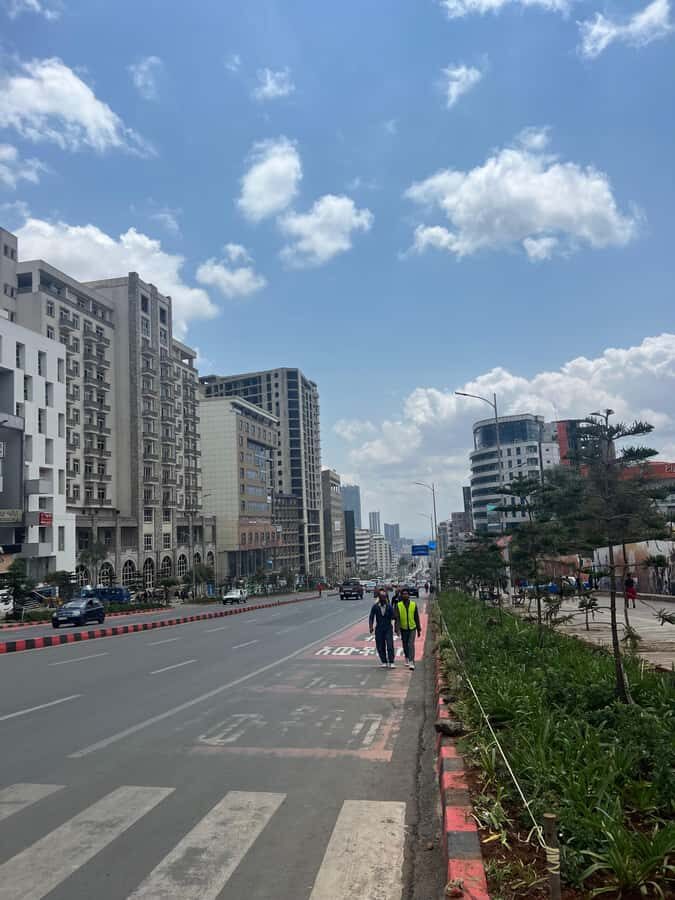
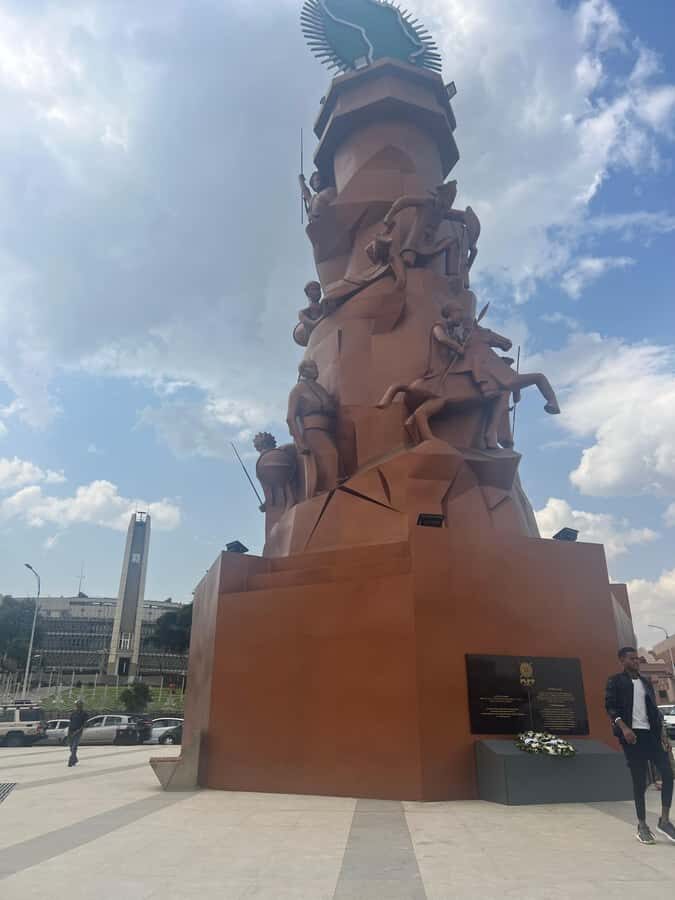
After the first museum block, the tour pivots to the city’s memory. You’ll have time at Yekatit 12 Monument with a photo stop plus a guided visit.
Monuments can feel like stop-and-snap tourist stuff, but the guided part matters. It turns the location into a point on a timeline rather than just a photo background. If you like understanding why a city looks the way it does—why certain streets feel heavy, why specific symbols get built—this is the kind of stop that clicks.
This also helps reset your brain between indoor and outdoor time. The pace gives you breaks without turning the day into a long commute marathon.
Addis Ababa University’s Ethnographic Museum: learn by looking at daily life
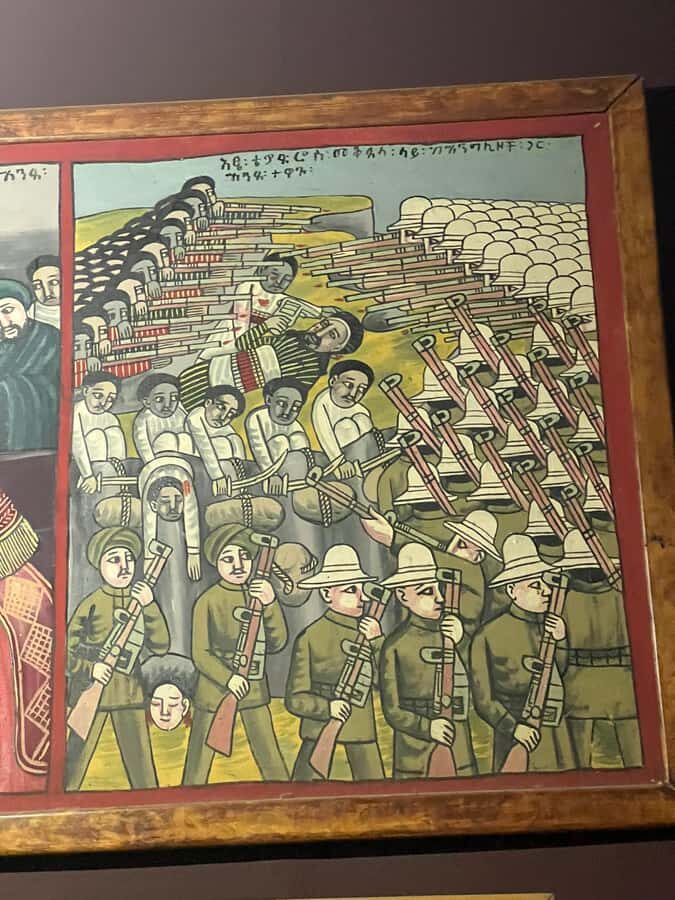
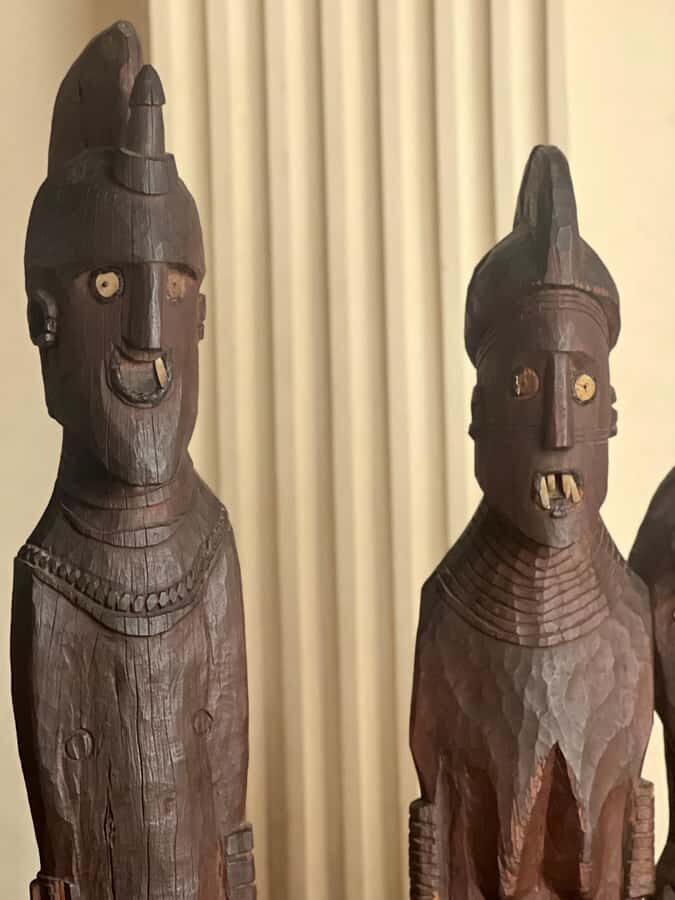
Next comes the Ethnographic Museum, found inside the compound of Addis Ababa University. This isn’t about big national headlines alone. It’s about objects—real, everyday things—that connect you to Ethiopia’s many ethnic groups.
The museum displays a varied set of artifacts and daily-use objects tied to most of the ethnic groups in Ethiopia. That format is excellent because you don’t have to be a scholar to get something from it. You can just look: clothing and household items, and the kinds of tools and objects people used in everyday life.
If you’re trying to understand Ethiopian culture without flattening it into a single “one culture fits all” idea, this stop does that job well. It’s a calmer, more reflective counterweight to the intensity of the Merkato later in the day.
Wear long sleeves or keep your choices modest if you’re sensitive to “no shorts” rules. The tour notes shorts aren’t allowed, so plan accordingly.
Mount Entoto: the view and why the place has history
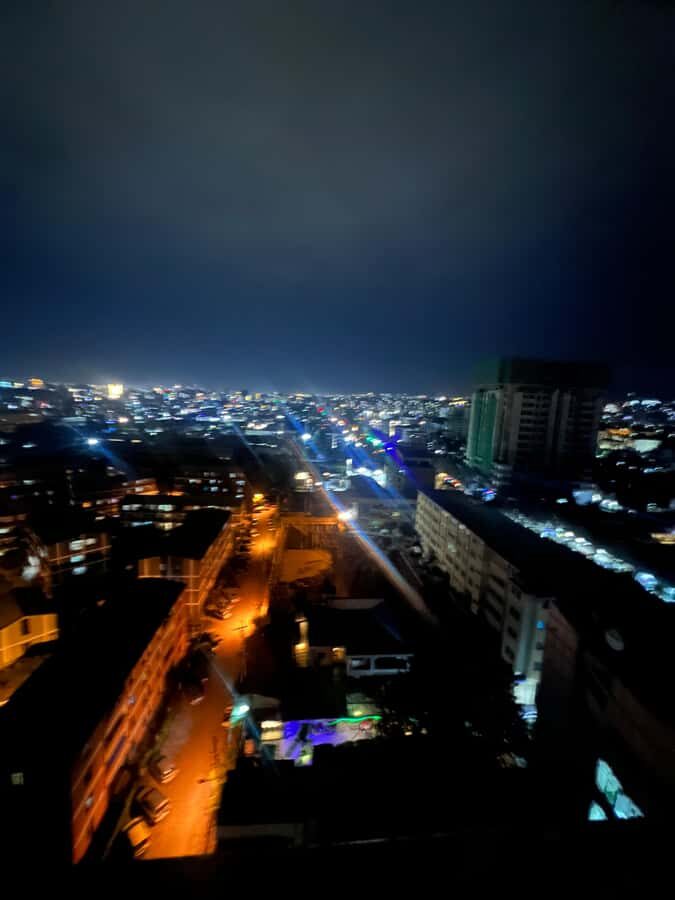
Then it’s up the hill to Mount Entoto. The tour includes a panoramic view of Addis Ababa and the surrounding countryside, and it also frames the location historically: it was once Emperor Menilik II’s permanent camp.
This is one of the most useful moments of the day because it reorients you. After museums and city stops, the view makes the sprawl and geography click. You start to see where neighborhoods sit relative to one another and you understand why some areas feel more spread out or hilly.
Bring a hat and sunscreen. Even if Addis feels mild compared to some places, you can still get sunburn quickly at elevation or on clear days. And since the tour runs around 7 hours total, you’ll want a water plan before you reach the higher points.
A few more Addis Ababa tours and experiences worth a look



Merkato: shop, stare, and watch the city work
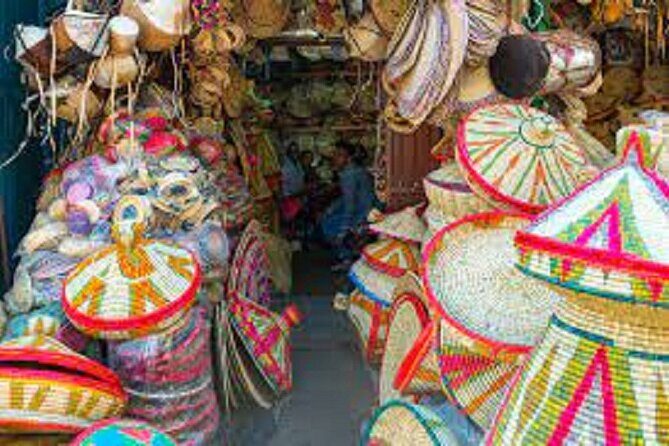
Now for the part many people remember most: Merkato, described as the largest open-air market in Africa. This is where Addis Ababa feels alive in a way museums can’t replicate.
You’ll spend time browsing where almost every possible commodity is on sale. That includes everything from everyday goods to more artisanal items, plus a separate arts-and-crafts market visit (about an hour). It’s a good time to do two things:
- Get oriented with how trading feels in real life
- Buy small items or gifts without needing a separate shopping outing
A quick note on expectations: markets are not quiet. Even if you’re not buying, you’ll experience motion, noise, and crowds. It’s part of why it’s worth doing on a guided day—your guide can help you focus on what to look for and how to navigate without getting overwhelmed.
If you want Ethiopian textiles, small crafts, or souvenirs, this is one of your best bets in a single day. Just keep your budget realistic. Lunch and drinks come at your own expense, and you’ll likely spend something here too if you see something you love.
St George Cathedral’s renovation swap: Baata Mariam instead
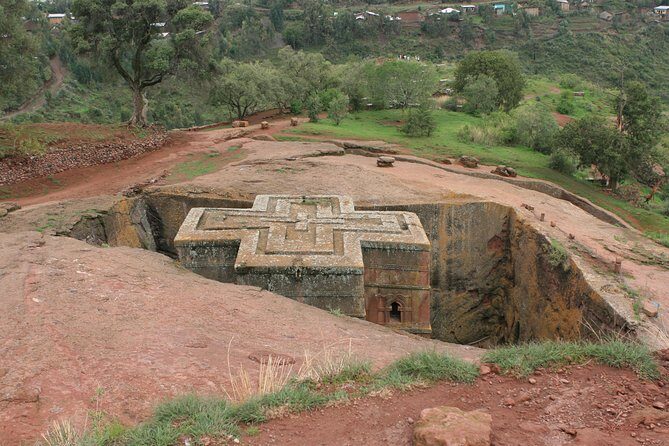
The tour includes a church visit at St. George Cathedral, described as one of the oldest cathedrals in Addis Ababa and the most colorful. But there’s a practical twist: due to renovation, the visit may shift to Baata Mariam Church until St George’s restoration is completed.
I like that the tour handles this instead of forcing a no-show. It means you still get the “church context” part of the day, with a stop that’s designed for visitors rather than leaving you to guess what’s open.
The key here is to go in with flexibility. If you’re specifically chasing St George Cathedral’s exact look, confirm the day-of plan when you receive your pickup details. If the swap happens, don’t treat it like a compromise—you’ll still be seeing a major church stop in the same general area and keeping the day on track.
Tiglachin Memorial: the Ogaden War connection you might miss otherwise
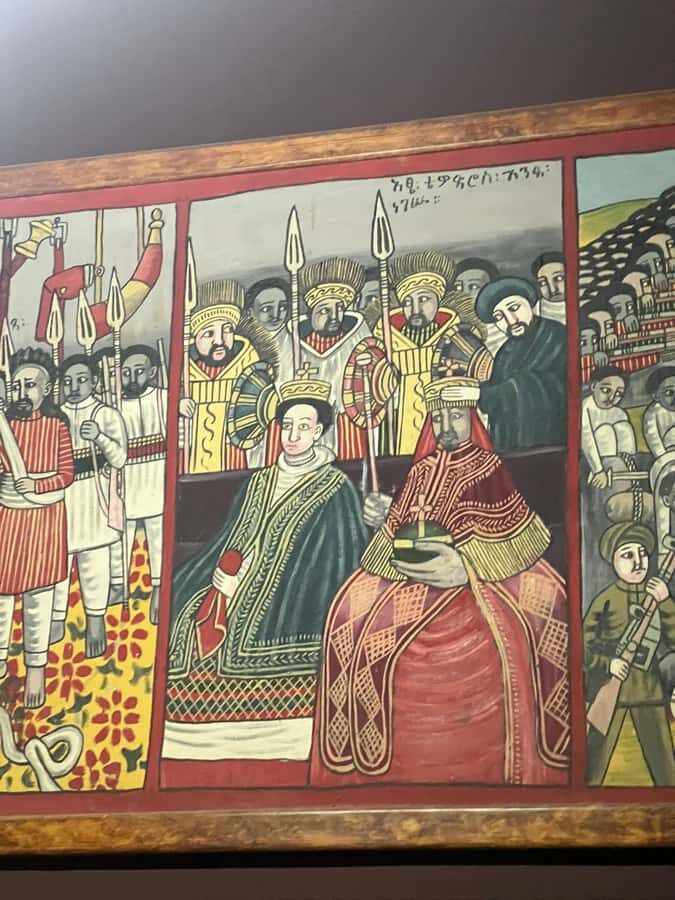
The final cultural-history stop is the Tiglachin Memorial, a memorial to Ethiopian and Cuban soldiers involved in the Ogaden War. This is the kind of stop that adds weight to your understanding of Ethiopia’s modern regional role.
It’s not just about Ethiopia in isolation. The memorial ties Ethiopia’s story to international involvement, and it gives you a more complete picture of why certain historical narratives show up in the places you visit.
If you’re the type who likes “why is this here?” context, this will feel satisfying. If you’re mainly in photo mode, it might be the quieter moment of the day—but it’s still worth slowing down for.
Lunch at a historic Addis Ababa Restaurant: plan your budget
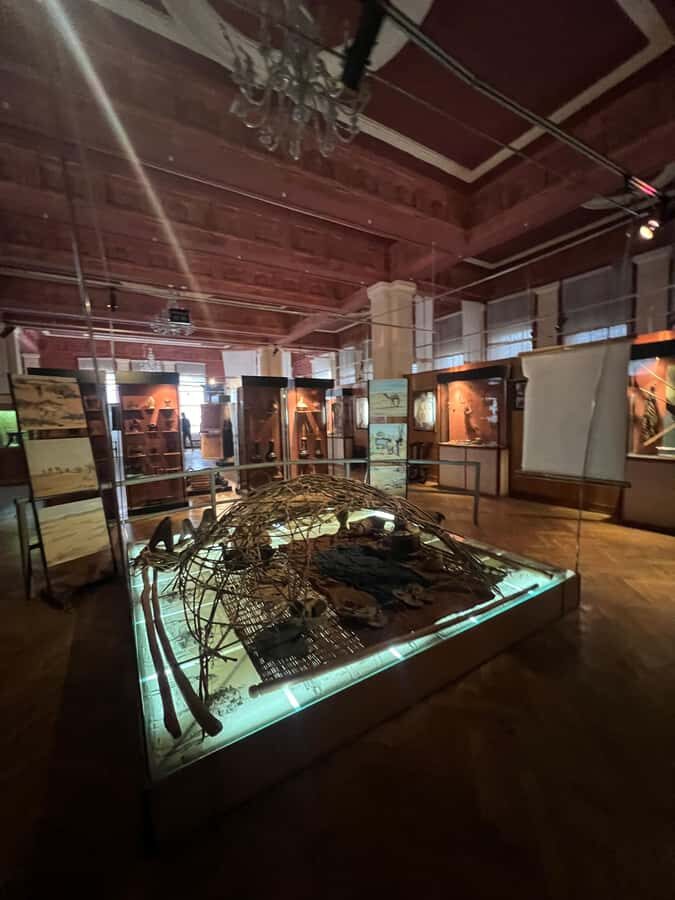
You’ll stop for lunch at one of the oldest restaurants in Addis Ababa, called Addis Ababa Restaurant. The tour notes it was once owned by Ethiopian princes who later became the empress of Ethiopia, and the menu includes local dishes.
Lunch itself is not included in the price, and neither are drinks. The tour specifically mentions you can try Ethiopian honey wine, Tej, if available, but testing isn’t included either. So treat the lunch stop as “included time,” not “included food.”
What I find helpful is thinking of this stop as part of the cultural pacing. You’re not just eating—you’re giving your feet a break, cooling down, and resetting before the market and church portion.
If you’re watching your spending, eat a hearty lunch and keep Tej as a taste decision rather than a full-quantity plan. Also, remember the tour notes that afternoon starting tours do not include a lunch stop—so you’d need lunch before pickup in that case.
Pickup, timing, and what to pack so the day stays comfortable
Pickup is set up with hotel pickup and drop-off, and transport is by air-conditioned minivan. The tour’s main pickup point is Bole, but it also states pickup is included from the airport, hotels, apartments, and local residential areas. Drop-off is arranged based on the close proximity of your drop-off location, and you can advise the drop-off location if it’s different from pickup.
With shared transfer, expect a bit of “wait for the group” energy at the start. It’s usually worth it because you’re saving the hassle of arranging separate rides, and you get the guide throughout the day.
What to bring:
- Comfortable shoes
- Hat, sunscreen, and water
- A camera
What to avoid:
- Shorts (not allowed)
- Pets
- Weapons or sharp objects
- Smoking indoors
- Climbing
- Explosive substances
This tour isn’t listed as suitable for wheelchair users, so if mobility is an issue, you’ll need a different arrangement.
Is it good value at around $69 per group?
At $69 per group (up to 1), the value comes from what’s bundled. You’re not just paying for a guide. You also get air-conditioned transport, a driver/guide, a Blue Badge guide, entrance fees for multiple major sites, and round-trip shared transfer with hotel pickup and drop-off.
For a first-time visitor, that bundle matters. Addis Ababa can involve real travel time between stops, and stacking multiple paid admissions by yourself can turn into a time sink. With entrance fees included for the National Museum, Ethnographic Museum, Mount Entoto, Merkato, St George’s Cathedral (or Baata Mariam during renovation), and Tiglachin Memorial, the day stays efficient.
The one cost you should plan for is lunch and any drinks. Also, budgeting for Merkato purchases is smart if you want souvenirs.
If your goal is maximum seeing per day with less hassle, this pricing structure fits that goal.
Who should book this Addis Ababa city tour?
I’d point this tour at you if:
- You want a guided first pass through Addis Ababa’s key sights
- You care about both famous artifacts (Lucy) and everyday culture (Ethnographic Museum, Merkato)
- You prefer organized logistics over figuring out transport between distant areas
- You want a panoramic orientation view from Mount Entoto
I’d think twice if:
- You’re visiting on a Monday (National Museum closure is a major hit)
- You want a highly flexible day with lots of optional stops (this is a structured loop)
- Mobility needs make the tour’s general walking and site access hard to manage (it’s not suitable for wheelchair users)
Should you book it or skip it?
If Addis Ababa is your first stop in Ethiopia, I think this is an easy “yes” for the way it mixes Ethiopia’s big story with the city’s real rhythm. Lucy at the National Museum gives you a dramatic anchor, Mount Entoto gives you orientation, and Merkato gives you the live-market Addis energy you can’t get from a hotel.
Just book with one eye on dates: if you’re in Addis on a Monday, plan around the National Museum closure. Also, keep a modest budget for lunch and drinks, since Tej isn’t included.
FAQ
How long does the Addis Ababa full-day city tour take?
The tour runs for about 7 hours, depending on the starting time available.
Is lunch included in the tour price?
Lunch is not included. The tour includes a lunch stop at a local restaurant, and any meals and drinks are at your own expense.
What entrance fees are included?
Entrance fees are included for the National Museum of Ethiopia, Addis Ababa (including the Ethnographic/Ethnological Museum stop), Mount Entoto, Merkato Market, St. George’s Cathedral (or Baata Mariam Church during renovation), and Tiglachin Memorial.
Where do they pick you up and where do you drop you off?
Pickup is included from locations such as the airport, hotels, apartments, and local residential areas, with pickup in the Bole area noted. Drop-off is arranged based on proximity to your requested location.
Does the tour have an English-speaking guide?
Yes. The tour includes a live guide who speaks English.
Is this tour suitable for wheelchair users?
No. The tour is not suitable for wheelchair users.