REVIEW · ADDIS ABABA
Tribes of the Ethiopian Omo Valley – 9 Day Tour
Book on Viator →Operated by Simien Image Ethiopian Tour and Travel Company · Bookable on Viator
Tribal life meets serious road time. This 9-day Omo Valley trip gives you front-row cultural encounters and also starts with Addis Ababa’s top museums, including Lucy. I like that the pacing moves from big-city context to remote villages without pretending travel days are optional.
The best part for me is the range of communities you’ll meet—Mursi, Dorze, Erbore, Konso, and others—plus chances to see local life through markets and village visits. The one drawback to plan around is that you’ll cover a lot of distance on uneven roads, so moderate physical fitness really helps.
In This Review
- Key highlights you’ll feel right away
- Addis Ababa first: museums, cathedrals, and the fastest way to get your bearings
- Tiya Stele Field: ancient stone markers before the Omo Valley turns remote
- Arba Minch and Lake Chamo: crocs, hippos, and a Dorze house visit with real details
- Turmi route stops: Konso area history, Erbore photos, and the bull-jumping maybe
- Key Afar market day: the social engine of South Omo
- Konso and the Karat Konso area: cultural focus after a lot of driving
- Mago Park and the Mursi: learning customs with care and context
- Langano Lake: the Rift Valley reset before you head back to Addis
- Price and what you actually get for $1,111 per person
- Who this tour suits best (and who should be cautious)
- Should you book this Omo Valley experience?
- FAQ
- What is the duration of the Tribes of the Ethiopian Omo Valley tour?
- Where does the tour start?
- Is pickup included?
- How large is the group?
- What’s included in the price?
- Which tribes are included in the itinerary?
- Can I cancel for a full refund?
Key highlights you’ll feel right away
- Lucy and Ethiopia’s museum landmarks to set the stage in Addis Ababa
- Lake Chamo boat ride in Nech Sar Park, with wildlife like crocs and hippos
- Dorze house visit in Chencha, including bread made from false banana
- Thursday Key Afar market for a real slice of South Omo trade and conversation
- Mago Park with the Mursi and a chance to understand customs through context
- Konso cultural focus after traveling through Karat Konso and nearby stops
Addis Ababa first: museums, cathedrals, and the fastest way to get your bearings
You start in Addis Ababa, which matters more than it sounds. The city is your warm-up: altitude, traffic, language, and food all show up here before the trip heads south. After arriving and meeting the company’s representative at the airport, you transfer to a city center hotel to reset and relax.
Your first full day is built for orientation. You’ll do a city tour that hits:
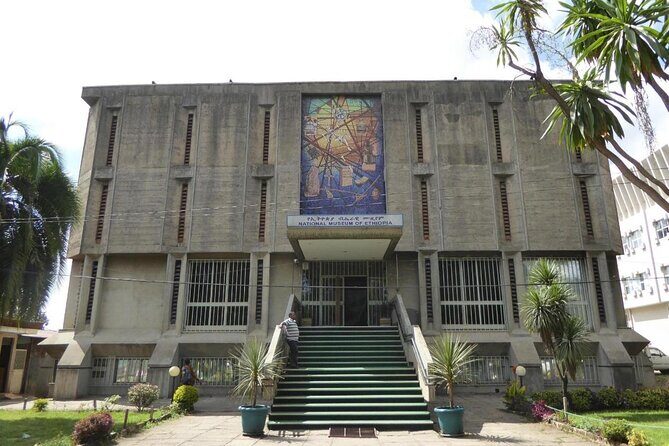
- National Museum of Ethiopia (the main draw is the fossilized bones of Lucy, Australopithecus afarensis)
- Ethnological Museum (set in Haile Selassie’s former palace grounds)
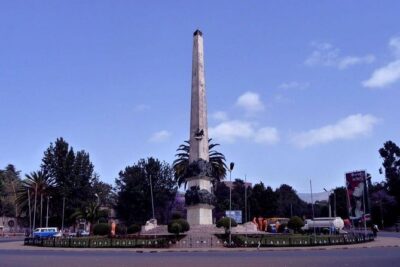
- Holy Trinity Cathedral (Kidist Selassie), plus St. George’s Orthodox Cathedral tied to the Battle of Adwa
- Entoto Mountain, including a church museum near St. Mary and the old house of King Menelik
Why I think this sequence works: it gives you historical depth before the Omo Valley “shock” of scale and distance. Lucy is a mind-bending way to start, but the cathedrals and Entoto add another layer—religion and power—so you understand that Ethiopia isn’t just a set of tribal photos. It’s a living country with long timelines.
If you’re into food, you’ll also have an evening option for a traditional Ethiopian restaurant and dancing. It’s a low-effort way to learn the rhythm of the place after a travel day.
You can also read our reviews of more tours and experiences in Addis Ababa.

Tiya Stele Field: ancient stone markers before the Omo Valley turns remote
On day three, you leave Addis Ababa and head south toward Arba Minch. The drive is long, but there’s a smart stop on the way: Tiya World Heritage Site.
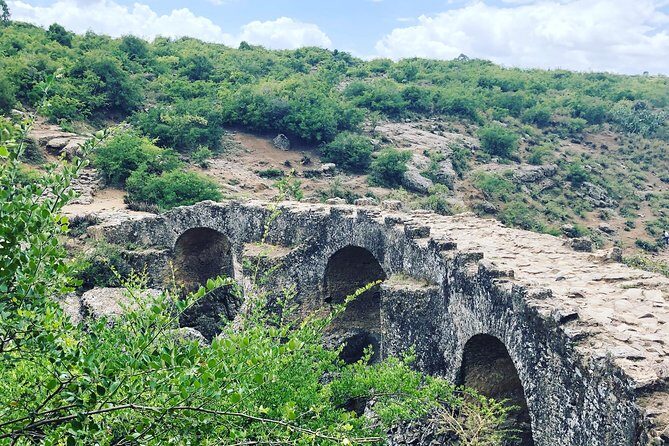
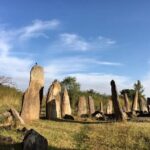
Tiya is famous for carved stelae—stone monuments covered with symbols. The site includes 36 monuments and 32 carved stelae, with most carvings that are hard to decipher. Even without cracking the code, the impact is clear: this is a record of people who lived here long before modern borders, and the symbols are part of a cultural system whose exact age still isn’t nailed down.
Practical tip: bring a camera you can set quickly to motion shots, because this kind of stop can feel like you blink and you’re already in the car again. Also, go in with the mindset that you’re seeing evidence, not a neat story with answers. That keeps it honest.
Arba Minch and Lake Chamo: crocs, hippos, and a Dorze house visit with real details

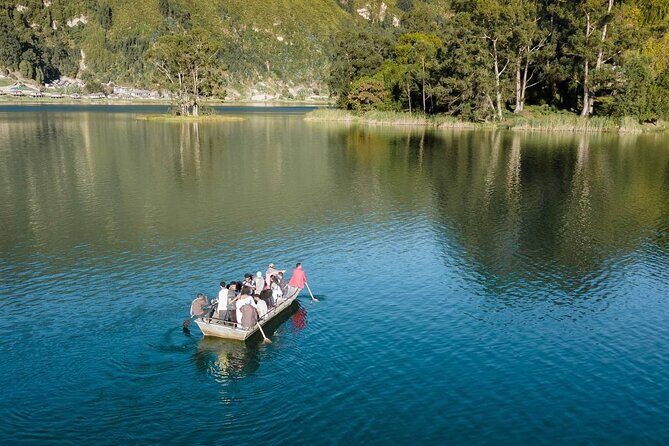
Arba Minch becomes your gateway town to the South. The first thing you do here is a boat ride on Lake Chamo inside Nech Sar Park. The goal isn’t just pretty water—it’s wildlife and birds in the wild, with crocodiles and hippos a real possibility.
This is the day where the Omo Valley shifts from cultural talk to lived geography. You feel the heat and the water system. And you learn quickly that wildlife viewing is never sterile. It’s close-up nature, not zoo-style comfort.
After lunch back in Arba Minch, you head to Chencha for the Dorze people. The standout part is the visit to a traditional Dorze house, where you can watch bread made from false banana and learn about locally made alcohol. That’s the kind of detail that stays with you because it’s practical. It’s how a household feeds itself and builds social life.
A balanced note: these experiences are tightly managed for visitors. You’ll get explanations, but don’t treat it like a performance. Show respect, ask questions carefully, and remember that the day belongs to the community as much as it belongs to your photos.
Turmi route stops: Konso area history, Erbore photos, and the bull-jumping maybe
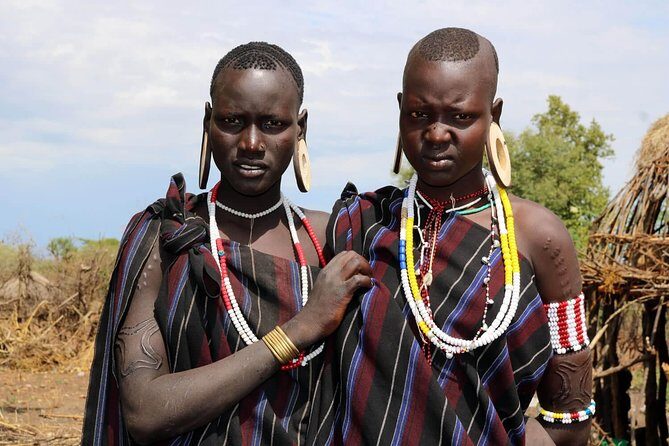
Leaving Arba Minch, you travel toward Turmi. On the way, you make stop-offs at Karat Konso, Weito, and Erbore. This is one of those parts where the scenery and the roads do some of the work. You’re watching daily life change as you move deeper into South Omo.
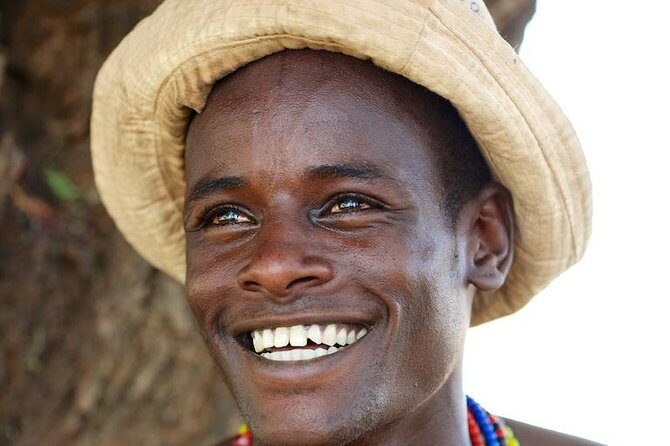
At Erbore, you’ll have a chance to take photos of the Erbore people. If photography is your thing, this is where you’ll want to slow down. Ask before shooting, keep your camera movements calm, and be ready to accept a no. In places like this, consent is part of the etiquette.
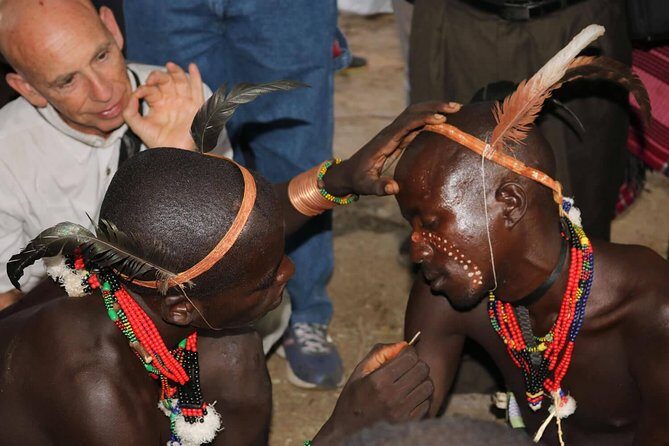
When you arrive in Turmi, there’s a possible cultural event: if you’re lucky, you may get a chance to attend a bull-jumping ceremony in a Hamer village near Turmi. That “if you’re lucky” matters. It means the day can change based on timing and local schedules. Build flexibility into your mindset, and you won’t feel annoyed if the event doesn’t line up exactly.
That evening, you rest at the lodge. Consider the lodge time as part of the trip, not a pause. You’ll need the downtime.
Key Afar market day: the social engine of South Omo
Day six adds a very practical kind of cultural insight: a market. You’ll drive from Turmi to Jinka with a stop-over at Key Afar, where every Thursday there’s a local market.
The value here isn’t just the shopping. It’s the mixing—Hamer, Benna, Konso, Ari, and many other people of the South Omo showing up in one place. That’s where you see how communities connect through trade, conversation, and movement.
A market is also where your guide’s role becomes more important. They help with timing, interpretation, and reading the situation so you don’t show up like an outsider with a shopping list. If you want souvenirs, markets are the right place. If you want stories, they’re also the right place.
And yes, markets can be busy and dusty. Go slow, keep your water handy, and don’t be surprised if you end up staying longer than you expected.
Konso and the Karat Konso area: cultural focus after a lot of driving
From Jinka, you’ll move to Karat Konso, with a stop at the Konso Cultural Centre. This is your Konso chapter—one of the main stops that gives context to how these communities organize their lives around family, farming, and identity.
Before Konso, you spend time in the Mago Park area with the Mursi (more on that next). After that, the drive toward Karat Konso re-centers you into a different cultural zone. It’s not “the same day with different signs.” You’ll feel the change.
Konso Cultural Centre visits also help you connect the dots. Instead of just seeing rituals or household life once, you get a place that tries to frame the wider picture—how people live, what values matter, and how cultural knowledge gets shared.
If you don’t love museums, don’t worry. This one is meant for understanding, not just collecting tickets and captions.
Mago Park and the Mursi: learning customs with care and context

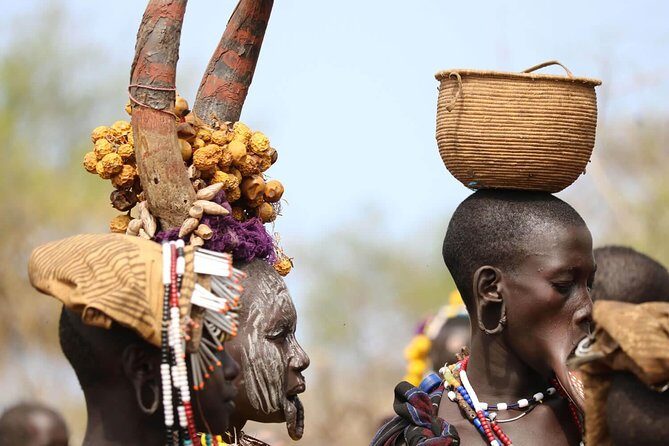
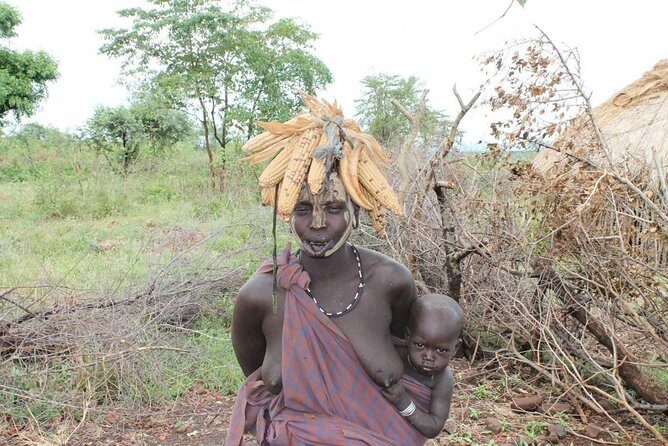
This is one of the headline experiences on the trip. In the morning you’ll go to Mago Park, where the Mursi tribe lives.
You’ll learn about the traditions the area is known for. For example:
- Women may have a practice of slitting the lower lip and inserting a clay or wooden plate
- Men may participate in donga, a stick-fighting tradition that relates to marriage readiness
Important approach: treat this as cultural context, not spectacle. Those practices are deeply social. If you go in thinking of it as a photo trend, the day can feel uncomfortable fast—for you and for the people you’re meeting.
The best way to have a good experience here is also the most respectful one:
- Keep your questions focused on meaning and everyday life
- Follow your guide’s pace
- Don’t push for close-ups or repeated photos
Then you return to Jinka around lunch time and continue driving onward. Timing matters here because the trip is designed around travel transitions. You’re not just “visiting”—you’re moving through a region.
Langano Lake: the Rift Valley reset before you head back to Addis
After Konso, the trip gives you a change of tempo: an early drive to Langano Lake. Langano sits in the Rift Valley region and is known for relaxation. You’ll have a chance to take a dip, which is a welcome switch after dust, heat, and long roads.
This is the trip’s pressure release valve. You don’t just see places—you also get a small breather that helps your body recover. Even if you don’t swim, the lake stop lets you slow your brain down.
In the afternoon, you drive back to Addis Ababa, and the program finishes once you arrive.
Price and what you actually get for $1,111 per person
At $1,111 per person, this isn’t a budget tour. But it also isn’t a vague “we’ll show up and figure it out” situation. You’re paying for the parts that cost real money in remote Ethiopia:
- Air-conditioned vehicle for long travel days
- Professional guide (plus scout fee)
- All fees and taxes included
- Meals: breakfast (8), lunch (8), dinner (8)
- Pickup offered and a mobile ticket
When I judge value, I ask: what would it cost you if you tried to arrange it yourself? You’d spend time, hire drivers, negotiate entry/fees, and still struggle with logistics. Here, the structure is doing that heavy lifting for you.
Also, the group size is capped at 20 travelers. That helps. In remote regions, small groups generally mean fewer headaches and less crowding, especially around photo moments and short village visits.
One thing to note from the inclusions: alcohol isn’t included. If you want it, plan for it separately.
Who this tour suits best (and who should be cautious)
This tour fits well if you:
- Want South Omo tribes plus real market time, not only staged cultural stops
- Like a clear route with guided context and local introductions
- Can handle early mornings, long drives, and changing weather
It might be less ideal if you:
- Hate long road days and prefer fully walkable city schedules
- Are uncomfortable with cultural practices presented with explanation and sometimes limited privacy
- Expect a slow, unstructured vacation style
The good news is that the trip’s structure is built to balance hard travel days with meaningful stops—museums on Day 2, archaeology on the way south, wildlife and Dorze breadmaking at Arba Minch, then market and village life deeper in the region.
Should you book this Omo Valley experience?
If your goal is to see Ethiopia’s Omo Valley in a way that’s guided, structured, and rich in on-the-ground detail, I’d say book it—especially if you appreciate both history (Addis and Tiya) and lived culture (Dorze, Mursi, Konso, and market day).
If you’re sensitive to cultural filming dynamics or you need a very restful trip with minimal driving, you should read the route as a commitment. This is a journey made of days that run together: boats, markets, ceremonies that might or might not align perfectly, and long transfers.
My quick checklist before you decide:
- You’re okay with moderate physical fitness demands
- You respect cultural visits and want to learn, not just collect images
- You value a small-group feel with an active guide and included meals
If that sounds like you, this is a strong pick.
FAQ
What is the duration of the Tribes of the Ethiopian Omo Valley tour?
The tour runs for 9 days (approximately).
Where does the tour start?
It starts in Addis Ababa, with a meeting point at 8:30 am. You’ll meet the company’s representative at the airport on arrival.
Is pickup included?
Pickup is offered.
How large is the group?
The tour has a maximum of 20 travelers.
What’s included in the price?
The price includes an air-conditioned vehicle, all fees and taxes, a professional guide, scout fee, and meals (breakfast 8 times, lunch 8 times, dinner 8 times).
Which tribes are included in the itinerary?
You’ll visit tribes including the Mursi, Dorze, Erbore, Konso, and more.
Can I cancel for a full refund?
Yes. You can cancel up to 3 days in advance for a full refund, as long as you cancel at least 3 full days before the experience’s start time.