REVIEW · ADDIS ABABA
Omo Valley Tribe Tours 8 Days
Book on Viator →Operated by Aman Ethiopia Tours And Travel Agent · Bookable on Viator
Omo Valley culture hits fast. This 8-day trip strings together Addis Ababa sights and remote tribe visits around the Omo River and Lower Omo, with a max group size of 15. You’ll also spend real time on the road between very different regions, which is part of what makes the experience feel like a journey, not a checklist.
I love that the schedule is built around variety. One day you’re looking for Lucy at the National Museum and then you’re in Mercato Market, the biggest market in East Africa. Another highlight is the chance for a boat cruise on Lake Chamo, with the possibility of Nile crocodiles, hippos, and birds.
One consideration: this is early starts and long driving. The tour begins at 7:00 am, and the info calls for moderate physical fitness plus covered shoes, even though the days vary a lot between museums, markets, and rural villages.
In This Review
- Key highlights to know before you go
- Addis Ababa to Mercato: start with museums and city views
- Lucy at the National Museum and a WWII church you won’t expect
- The Dorze weaving stop before Arba Minch
- Lake Chamo and the road to Jinka: wildlife, markets, and village life
- Mago National Park and Mursi lip plates in everyday setting
- Omorate and the Dassanech on Lake Turkana’s edge
- Konso terraces and a UNESCO stop that also smells like coffee
- Lake Langano and Shasemne villages before heading back
- Ziway, Debre Ziet, and an evening with coffee ceremony and dancing
- Guides, drivers, and what past service quality feels like
- Price and value: what $1,589 covers (and what it doesn’t)
- Practical tips that will save you hassle
- Should you book this Omo Valley tribes tour?
- FAQ
- What is the tour duration?
- What time does the tour start?
- Where does the tour take place?
- Is pickup offered?
- What is the group size limit?
- What meals are included?
- Are admission tickets included?
- Do we take any water-based activities?
- What happens on the final evening?
- Is free cancellation available?
Key highlights to know before you go

- Mursi village context beyond the lip plates: you’ll hear how the Mursi live around the Omo River and in Mago National Park and how they move with seasonal changes.
- Lake Chamo boat time: a straightforward break from driving, with wildlife sightings possible.
- Several distinct tribal regions: Dorze, Bana, Ari, Mursi, Hamer, Dassanech, and Konso are all in the mix.
- Addis Ababa before the Omo road: you don’t just arrive and race south—you get museums, a WWII-era church, and city views first.
- Small group scale: up to 15 people keeps it more manageable for village visits and market days.
- Meals and entry built in: admissions and a set number of breakfasts, lunches, and dinner are included.
Addis Ababa to Mercato: start with museums and city views
Your trip begins in Addis Ababa, with a meet-and-transfer when you arrive and pickup available. You’ll get a drive up to Mount Entoto for panoramic views, then descend back toward the sights of the city.
This first day matters because it helps you get oriented before you hit the long, rural stretches of the Omo Valley. From the top, you can understand the scale of Addis, and it makes the later “left the city behind” feeling more satisfying.
You can also read our reviews of more tours and experiences in Addis Ababa.

Lucy at the National Museum and a WWII church you won’t expect

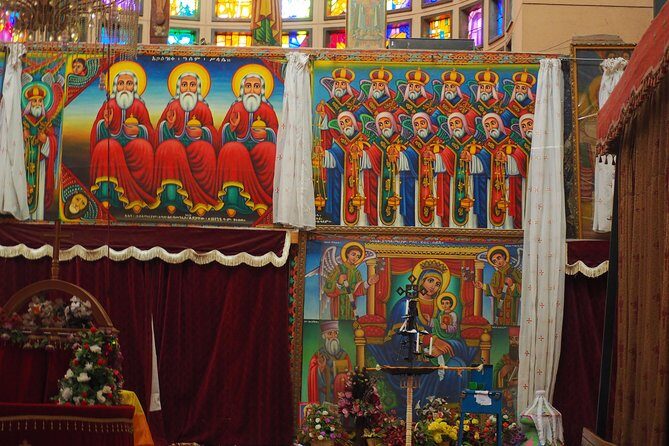
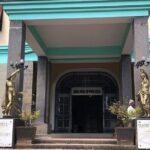
After Mount Entoto, you’ll visit the National Museum, where you’ll have a chance to spot the oldest hominids fossil known as Lucy. Next comes the Holy Trinity, a church built during WWII, which gives you a sharper sense of how modern Ethiopia layers into older landmarks.
Then you’ll head to the Ethnographic Museum, which used to be the palace of Emperor Haile Selassie. That combination—fossil, WWII-era architecture, and a palace-turned-museum—keeps your brain from switching off during the first big sightseeing day.
Finally, the day wraps with Merkato Market. It’s described as the biggest market in East Africa, and that kind of scale is exactly what you want on Day 1: loud, crowded, and full of motion so you adjust quickly to local life.
The Dorze weaving stop before Arba Minch
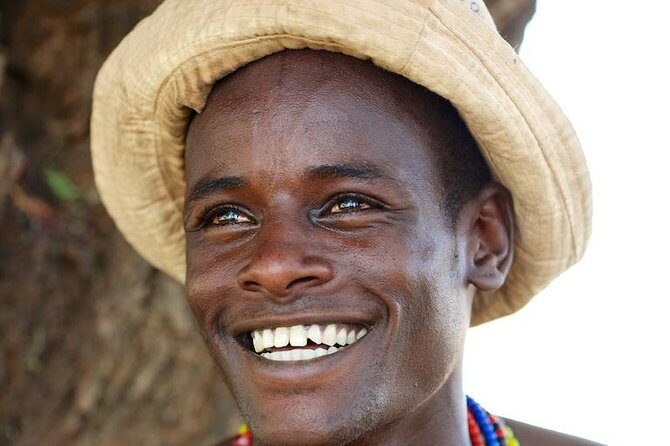
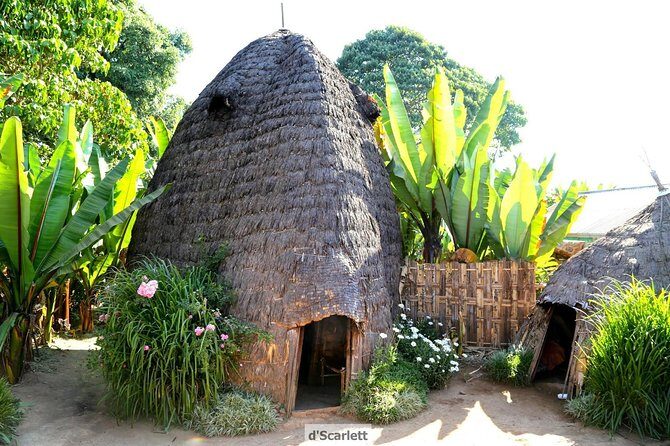
On Day 2 you’ll drive toward Arba Minch. En route, you’ll visit the Dorze village, where weaving is the specialty known locally through Shammas. One detail that stood out in the tour description is the shape of their houses, described as elephant-shaped—meant to remember the animals that existed there many years ago.
Food and daily routine show up here too. Enset—called a fake banana in the tour info—is described as the stable food for these people. You don’t need to love the taste of enset to appreciate what it signals: this is agriculture and survival, not just culture for visitors.
Expect this day to be long. The day runs around 9 hours, so plan for a bus-and-breathe rhythm: short breaks, a lot of sitting, and frequent scenery changes.
Lake Chamo and the road to Jinka: wildlife, markets, and village life

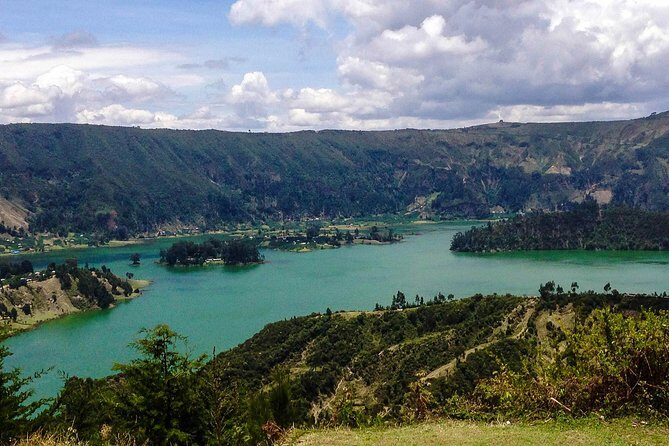
Day 3 is where the trip starts feeling like the Omo Valley you came for. You’ll drive Arba Minch to Konso and on to Jinka, with breakfast first and then a boat cruise on Lake Chamo.
Lake Chamo is described as the third biggest lake in Ethiopia. The tour also notes that you may see Nile crocodiles, hippos, and different kinds of birds. Even if wildlife sightings are modest, the boat time breaks the day up in a good way—less “constant driving,” more “stop and watch.”
After the cruise, you head to the Bana village. The Bana are described as indigenous pastoral and semi-nomadic people living in the harsh environment of the lower Omo Valley. Men’s hair styling is described too: colorful clay caps decorated with feathers. That kind of detail helps you recognize you’re not looking at a costume show—you’re seeing an identity marker tied to daily life.
Then you’ll drive to the Ari people. The tour notes that Ari women wear skirts made from the banana-like tree called enset and that they’re experts in pottery. For me, this is one of the most useful parts of the day: craft work is a better way to understand a community than a quick photo alone.
Mago National Park and Mursi lip plates in everyday setting

Day 4 is built around a day excursion to Mago National Park, where you’ll visit a Mursi village. The Mursi are described as one of the most popular groups in Ethiopia’s Omo Valley and well known for lip plates. Importantly, the tour info also frames their life: they’re settled around the Omo River and in Mago National Park, and they move twice a year between winter and summer months due to climate.
Inside the village, you’ll see very low huts made of straw leaves. The description also focuses on women wearing terra cotta on their enormously stretched lower lips and ear lobes. This is one of those moments where you’ll want to go slowly and stay respectful—because body adornment is part of tradition and identity, not a roadside spectacle.
After lunch back in Jinka, you drive to Turmi, where the Hamer people live. This day keeps you moving between Mago and Turmi, so it’s intense, but it also gives you a more complete sense of the Omo Valley’s variety.
Omorate and the Dassanech on Lake Turkana’s edge

Day 5 shifts toward the Delta region theme with an excursion to Omorate to visit the Dassanech, described as people of the Delta. They live on the northern shore of Lake Turkana, and that location alone helps explain why livelihoods and movement patterns can look different from the Omo River villages.
After the Dassanech visit, you return to Turmi for overnight. Keeping one night in Turmi gives you at least one chance to settle a bit after the earlier “always in transit” pattern.
Konso terraces and a UNESCO stop that also smells like coffee

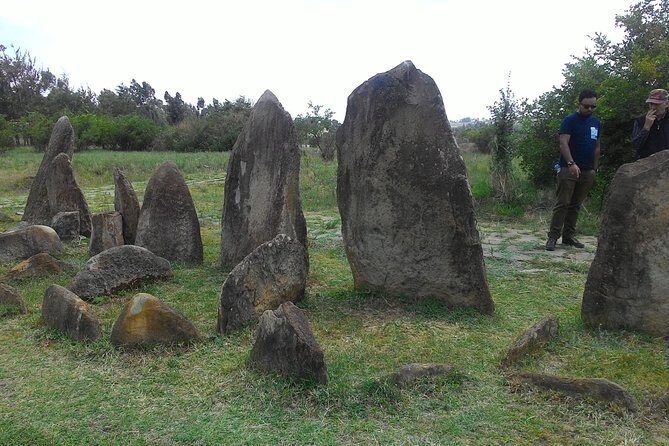
Day 6 is a contrast day—Konso is known for terracing, and the tour notes it’s a UNESCO site. You’ll join the tribes markets depending on the day’s timing, then continue on to Konso village to see how the terraced land connects to how people live there.
Coffee is also called out. The tour info notes that one of the best types of coffee for Ethiopia comes from this area, so this isn’t just a cultural photo stop; it’s a place where agriculture and daily economy show up in a very real way.
Later, you drive back to Arba Minch. Like many days on this route, you’ll feel the “long road” factor—worth it if you’re the kind of traveler who likes moving through regions instead of staying in one bubble.
Lake Langano and Shasemne villages before heading back
On Day 7 you drive to Langano, with Lake Langano described as a place to enjoy water activities. The itinerary also notes that on the way you may see Jamaican villages at Shasemne.
The phrase about water activities tells you the pace is meant to slow down a bit compared with village-hopping days. It’s a good chance to recharge your feet and reset your camera battery routine—because you’ll likely be photographing nonstop from the moment you enter the Omo Valley circuit.
Ziway, Debre Ziet, and an evening with coffee ceremony and dancing
Day 8 brings you back toward Addis Ababa. You’ll drive southwards and stop en route at Lake Ziway, described as the largest of the upper Rift Valley lakes with about 400 sq. km area. Water lilies are mentioned along its shores, and the tour notes they’re a breeding place for different Ethiopian birds.
Later you’ll have lunch at one of the best resorts in Debre Ziet. That reads like a comfort stop, and after days of road food and travel days, a proper sit-down lunch can do a lot for your mood.
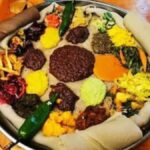
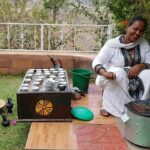
In the evening, you’ll attend a folkloric dinner with traditional Ethiopian dishes and dances from various ethnic groups. The traditional coffee ceremony is also served, which fits the theme of ending with a cultural experience that’s structured for visitors.
Then you’ll transfer to the airport for your departure.
Guides, drivers, and what past service quality feels like
This tour is run by Aman Ethiopia Tours And Travel. In the strongest service stories I’ve seen connected to similar Omo Valley schedules, guide names like Yoseph and drivers like Frew show up as exceptional. Other trip notes also credit Neway for making the driving and timing feel smooth, and Amanuel for organizing a well-planned route.
You can’t control who you’ll get, but you can watch for signs of good leadership: clear communication, smooth timing, and someone who can help you understand what you’re seeing without turning it into a lecture. That’s the difference between feeling rushed and feeling present.
Price and value: what $1,589 covers (and what it doesn’t)
At $1,589.00 per person, this isn’t a budget hop. But it’s also not “pay only for a ride.” The tour includes dinners and a defined set of meals: breakfast (6), lunch (8), and dinner. Admissions are also included on the listed days, which matters when you’re moving across multiple cities and areas.
What isn’t included is your own food and drinks unless specified. That means you still need to budget for water, snacks, and any extras you buy along the way—especially around markets where food and crafts tempt you.
For me, the best value logic is this: you’re paying for organization across huge distances, plus the entry costs and most meals. If you were to DIY this route, those hidden costs plus logistics headaches add up quickly.
Practical tips that will save you hassle
The tour requests a formal dress code, which can feel mismatched with village visits and hot-market days. Pack light layers and keep a small formal option ready for the evening folkloric dinner, since that’s specifically part of the experience.
Bring covered shoes. You’ll be walking in markets and around village areas where a little protection helps. Also note the info asks for moderate physical fitness—so you’ll want to handle long driving days and short walking stretches without expecting everything to be flat and easy.
Lastly, keep a camera-and-respect mindset. This route is about meeting people and seeing traditions, not hunting for perfect photos. When your guide is explaining what something means, it’s worth listening—your pictures will get better once you understand the context.
Should you book this Omo Valley tribes tour?
Book it if you want one organized route that covers Addis Ababa, multiple tribe regions around the Omo Valley, and a lake-focused break on Lake Chamo. It also fits well if you like small-group touring, since the size cap is 15 travelers, which makes village visits more manageable.
Consider another option if you’re expecting a slow, restful trip with minimal driving. This itinerary is designed for movement, and it asks for moderate fitness, early starts at 7:00 am, and sensible footwear. Also, if you hate formal dress requirements, know that at least one evening is structured for a dinner and performances, plus a coffee ceremony.
If you want an organized, culturally focused Omo Valley journey with meals and admissions mostly handled, this is a strong match.
FAQ
What is the tour duration?
The tour is listed as 8 days approximately.
What time does the tour start?
The start time is 7:00 am.
Where does the tour take place?
It’s centered on Addis Ababa and the Omo Valley regions of Ethiopia, including stops such as Mago National Park, Turmi, and areas around Lake Chamo and Lake Turkana.
Is pickup offered?
Yes, pickup is offered.
What is the group size limit?
The tour has a maximum of 15 travelers.
What meals are included?
Dinner is included, plus breakfast (6) and lunch (8). Food and drinks are not included unless specified.
Are admission tickets included?
Yes, admission tickets are included as noted for the days in the itinerary.
Do we take any water-based activities?
Yes, there is a boat cruise on Lake Chamo.
What happens on the final evening?
You attend a folkloric dinner with Ethiopian dishes and dances, and a traditional coffee ceremony is also served.
Is free cancellation available?
Free cancellation is available up to 24 hours in advance for a full refund. The experience also notes it requires good weather, and if canceled due to poor weather you’ll be offered a different date or a full refund.