Lip plates, bulls, and beehive homes. In five days through Ethiopia’s Lower Omo, Adefa Tours Ethiopia lines up encounters with Mursi, Karo, and Hamer alongside Dorze, Konso, and Ari culture, guided by Sisay. I love the way the schedule gives you real time at each stop instead of rushed photo stops. I also love that the group is capped at 15, which keeps questions, translation, and logistics manageable. The tradeoff is pace: expect long drives and a moderate fitness level.
One more reason this itinerary appeals to me: it mixes tribal visits with big, varied settings. You get boat time on Lake Chamo (including the crocodile market area and hippo pods), village life around Omo River crossings, and then a final Addis Ababa send-off with market wandering at Merkato and Ethiopian coffee at TOMOCA, plus cultural food and live music.
In This Review
- Key highlights worth planning for
- First Impressions: What This Lower Omo Route Actually Delivers
- Guide Power: Why Sisay’s Organization Matters More Than You Think
- Day 1: Arba Minch and the Dorze Cotton Weaving World
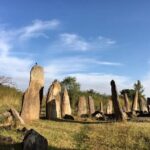
- Day 2: Lake Chamo Boat Time plus Konso Totems and Terracing
- Day 3: Mago National Park for Mursi Lower Lip-Plates, then Ari Farms to Turmi
- Day 4: Omo River Boat Crossing to Dasenech (Galeb), then Karo Painting and Hamer Life
- Day 5: Omo Valley Tribes Gate, Markets, Merkato, and Coffee at TOMOCA
- Price and Value: Is $1,648 per Person Worth It?
- Practical Stuff to Know Before You Go
- Who This Tour Fits Best
- Should You Book This Omo Valley Experience?
- FAQ
- What is the duration of the 5 days Omo Valley tour?
- Where does the tour start and what time?
- Is pickup offered?
- What is the maximum group size?
- What physical fitness level is needed?
- Which tribal groups and cultural stops are included?
- Does the itinerary include boat trips or river crossings?
- Are admission tickets included?
- Does the tour include flights?
- Is there free cancellation?
Key highlights worth planning for
- Sisay guiding the whole route with strong English and the flexibility to work around what you care about
- Lake Chamo boat experience that sets the tone early with crocodile market area and hippo pods
- Mursi lip-plating visit in the Mago National Park area
- Hamer time in Turmi focused on Evangadi night dancing and the bulls jumping ceremony when it’s happening
- Omo River crossings and multiple tribes including Dasenech (Galeb) and Karo, known for body and face painting
- Addis Ababa finale with Merkato shopping and Ethiopian coffee at TOMOCA, capped by a farewell party with live music
First Impressions: What This Lower Omo Route Actually Delivers
This trip is built for one goal: giving you a concentrated view of Ethiopia’s Lower Omo cultural landscape, with stops spread across several tribal groups rather than repeating the same area. The itinerary is structured around meaningful visits (Dorze housing and cotton weaving, Konso terracing and totems, Mago National Park for Mursi, and Turmi for Hamer), plus a boat-based day and a river crossing day.
I also like that it doesn’t end at the tribe villages. The plan intentionally carries you back to Addis Ababa for Merkato shopping and a coffee moment at TOMOCA, so your last hours feel like a real finish instead of just another travel day.
A quick heads-up: this is not a slow, lounge-by-the-pool style tour. The days are long—your listed days run about 8 hours—with flights and transfers woven into the schedule.
A few more Addis Ababa tours and experiences worth a look



Guide Power: Why Sisay’s Organization Matters More Than You Think
A good guide can make the difference between chaos and clarity, especially in places where language barriers can turn every hour into guesswork. In this tour, Sisay is repeatedly described as professional, prepared, and always available—plus his English is called out as high-level. That matters because tribal visits can bring up a lot of questions, and you’ll want answers that don’t feel rehearsed.
One review note that really sticks with me: Sisay is said to be flexible and willing to build the day around what interests you. That’s useful on a route like this, because ceremonies and timing can depend on what’s happening that day. If your priority is market time, you’ll want a guide who can adjust without breaking the core plan.
In plain terms: for a trip that’s already packed, good organization is not a bonus. It’s what keeps your time meaningful.
Day 1: Arba Minch and the Dorze Cotton Weaving World
Day 1 starts with a domestic flight from Addis Ababa to Arba Minch, followed by a drive to the hotel for check-in and lunch. Then you head toward the Gughe Mountains for a visit to the Dorze people, well-known for tall, beehive-like houses and fine cotton weaving.
This stop works because it’s not only about what people wear or what ceremonies look like. It’s about how communities build homes and keep craft traditions alive—cotton weaving is hands-on in the sense that it’s tied to daily life, not just a performance.
What to watch for on Day 1: you’ll be moving from flight to driving to a mountain visit. That’s why the tour specifies a moderate fitness level. Wear shoes that handle uneven ground, and keep your daypack light.
Day 2: Lake Chamo Boat Time plus Konso Totems and Terracing
Day 2 opens with a boat trip on Lake Chamo to the crocodile market area and hippo pods. After that, you drive toward Jinka, passing through Konso for a cultural visit.
This is the day that adds variety. A boat outing changes your tempo—sightlines feel different, and you’re seeing life along the water in a more direct way than you get from a vehicle window. Then you transition to Konso, where you’ll see totems erected in honor of the dead and intricate agricultural terracing techniques.
Why that combination is smart: Konso gives you a human-scale view of land management—how people shape and live with terrain—while the Lake Chamo side adds a wildlife-and-water element. Together, it makes the Lower Omo story feel bigger than just one tribe.
Practical note: you’ll likely want layers for comfort on the water and steady sun protection on the drive afterward. Even if the day isn’t described in temperature terms, you can count on Ethiopia’s light being strong.
Day 3: Mago National Park for Mursi Lower Lip-Plates, then Ari Farms to Turmi
Day 3 is a classic “big day” on this route. After breakfast you drive to Mago National Park for a visit to the Mursi people, who are known for lower lip-plating. Then you return to Jinka and continue on to Ari.
In Ari, you’ll discover the traditional lifestyle tied to houses and agriculture. It’s a useful stop because it contrasts with the highly photographed Mursi feature you’ll have already seen. Instead of only focusing on body adornment, you also get a look at daily survival skills—how people farm, build, and organize life around the land.
After the Ari visit, you drive to Turmi to meet the Hamer people. The plan is designed so that you can also experience Hamer events that same day if they’re happening—specifically traditional night dancing of Evangadi and the jumping of the bulls ceremony that’s described as a traditional wedding event.
The consideration here is simple: ceremonies depend on timing. This tour is set up to give you a chance, not a guarantee of every moment. That’s where having an organized guide like Sisay helps—he can help you read the situation on the ground and plan your time well.



Day 4: Omo River Boat Crossing to Dasenech (Galeb), then Karo Painting and Hamer Life
Day 4 starts with a drive to Omorate, then a crossing of the Omo River by local boat to visit the Dasenech tribe, also called the Galeb tribe. After that, you return to Turmi for lunch, then continue to the Karo tribe.
Karo is described as the smallest group in the Omo Valley in this route, living along the east banks of the Omo River, and known for excelling in body and face painting. The emphasis here is visual, but it’s also cultural: painting styles function as identity and communication within and between communities.
After the Karo time, you drive back to Turmi and visit the Hamer again. This includes time with the way families arrange living spaces—related families in a circle with cattle.
What I like about Day 4 is that it keeps expanding the angle. Day 3 introduced the Mursi feature and then shifted to Ari agriculture. Day 4 follows that pattern: you get a river-side tribe crossing, then a painting-focused group, then a return to Hamer with a more domestic, family-based lens.
A practical tip: on river and boat portions, keep essentials secured. You’ll be moving around, and you don’t want your phone or camera strapped to the wrong pocket.
Day 5: Omo Valley Tribes Gate, Markets, Merkato, and Coffee at TOMOCA
Day 5 starts with a drive from Turmi to Jank to catch the flight back toward Addis Ababa. En route you visit a local market in Dimeka. Then you continue to Jinka airport for the next travel leg.
Once you reach Addis Ababa in the afternoon, the tour goes straight to Merkato, described as Africa’s largest market of its kind. Shopping here is part of the fun, especially if you want handmade items and Ethiopian goods to take home.
Then comes the emotional soft landing: Ethiopian coffee at TOMOCA coffee shop, followed by a farewell party with cultural foods and drinks, plus traditional live music.
This final day matters because it helps you reset. After several days of village visits and intense cultural focus, you get a social setting that’s still culturally rooted, just in an urban way.
Price and Value: Is $1,648 per Person Worth It?
At $1,648 per person for about 5 days, the price is in the category where you should ask what you’re buying besides the itinerary name. The most important value signals in this tour are:
- A tight, multi-location plan: flying on Day 1 and Day 5, plus driving days that reach several tribal areas rather than one base camp.
- Admissions included: the tour notes admission ticket inclusion during the activities.
- Guide-led visits: you’re not just transported to viewpoints. The route includes structured cultural visits like Dorze weaving, Konso totems, Mursi in the Mago area, and specific Hamer events (when they happen).
- Small group size (max 15): fewer people means less chaos around timing and questions.
Could it be expensive? Yes, because Lower Omo access requires effort: flights, vehicles, and long days. But the price makes sense if you want the full mix—tribes plus boat time plus river crossing plus Addis markets—under one organized umbrella.
If you’re the type who only wants one or two tribes and would rather spend more time slowly, you might find the packing level less appealing. This tour is for people who want to see a lot with a plan and a capable guide.
Practical Stuff to Know Before You Go
A few realities from the tour details are worth planning around:
- Start time is 8:30 am. Build your morning routine for an early, active day.
- Moderate physical fitness is recommended. Even without extreme hikes described, you’ll have driving, transfers, and walking around in village environments.
- Expect long days. Multiple days are described as around 8 hours for activities and travel between stops.
- A boat crossing is included (Lake Chamo, plus the Omo River local boat on Day 4). Bring a plan for protecting your gear and documents.
- You’ll be in a small group (maximum 15). That’s good for comfort, and it can help your guide manage timing and translation.
Also, bring patience. Ceremonies and community schedules don’t run like a city calendar. A well-prepared guide helps you make the most of what’s possible.
Who This Tour Fits Best
This tour is a strong match if you:
- want a focused Lower Omo sampler across multiple tribes (Dorze, Konso, Mursi, Ari, Hamer, Dasenech/Galeb, Karo)
- care about having an English-speaking, flexible guide (Sisay is specifically noted for strong English and professionalism)
- like structured days where you know what’s coming, even when the route is fast
- want an Ethiopia experience that ends with Addis Ababa markets and live music, not just countryside travel
It may be less ideal if you’re:
- sensitive to a very full schedule and lots of driving
- looking for a slow, flexible pace with lots of free time
- expecting every specific ceremony moment on demand (the Hamer events depend on timing)
Should You Book This Omo Valley Experience?
I’d book this tour if your priority is depth through variety: you want to see Dorze weaving, Konso terracing, the Mursi lip-plating tradition, Hamer ceremony energy, Karo face and body painting, plus Dasenech life after an Omo River crossing. The route also feels well supported because Sisay’s organization and English are repeatedly praised, and the group size stays small.
I’d think twice if you’re uncomfortable with a packed agenda or long transfer days. This trip runs like a program, not like a choose-your-own-adventure.
If you’re ready for an active, organized cultural journey, this one is a solid way to put Lower Omo high on your list without losing your time to confusion.
FAQ
What is the duration of the 5 days Omo Valley tour?
The tour runs for about 5 days, with activities planned across five days.
Where does the tour start and what time?
The start time is 8:30 am. The provided details do not specify a named meeting location beyond the start time.
Is pickup offered?
Yes, pickup is offered.
What is the maximum group size?
The tour has a maximum of 15 travelers.
What physical fitness level is needed?
A moderate physical fitness level is recommended.
Which tribal groups and cultural stops are included?
The route includes visits related to Dorze, Konso, Mursi, Ari, Hamer, Dasenech (Galeb), and Karo, plus market stops such as Dimeka and Addis Ababa’s Merkato, and a coffee stop at TOMOCA.
Does the itinerary include boat trips or river crossings?
Yes. You’ll have a boat trip on Lake Chamo and also cross the Omo River by local boat.
Are admission tickets included?
Admission tickets are included for the listed activities during the tour.
Does the tour include flights?
The plan includes flying from Addis Ababa to Arba Minch on Day 1, and flying back toward Addis Ababa on Day 5 as part of the route.
Is there free cancellation?
Yes. You can cancel up to 24 hours in advance for a full refund. If you cancel less than 24 hours before the start time, the amount paid is not refunded.