REVIEW · ADDIS ABABA
Addis Ababa city tour from Bole airport and All Hotels
Book on GetYourGuide →Operated by LIYU ETHIOPIA TOUR AND TRAVEL · Bookable on GetYourGuide
Lucy hits hard in Addis Ababa. I especially like the chance to see Lucy at the National Museum and make sense of what you’re looking at with a local, English-speaking guide. I also enjoy the Mount Entoto summit stop for a bird’s-eye look over the city, plus the market time that shows Addis at street level.
One thing to factor in: some days can mean less-than-expected access. If the specific exhibit you care about isn’t reachable on the day you go, or if parts of Giorgis Cathedral are affected by renovations, it can take the shine off the stops.
In This Review
- Key moments I think matter most
- How this tour really works from Bole and your hotel
- National Museum of Ethiopia: seeing Lucy and understanding the timeline
- Giorgis Cathedral (St. George’s): octagonal architecture and Adwa pride
- Africa’s largest open market: the Addis Ababa street-level reality check
- Museum Church stop and local coffee/cuisine time
- Shiromeda Market: shopping culture with traditional clothing at the center
- Mount Entoto summit: panoramic Addis Ababa, but visibility matters
- Tomoka Coffee final stop: the included tasting moment
- Price and value: what $52 per person includes (and why it can be fair)
- Who this tour fits best (and who might want a different plan)
- Should you book this Addis Ababa city tour?
- FAQ
- Where does the tour start?
- What’s the price per person?
- What’s included in the tour?
- What language is the guide?
- Which major sites are part of the visit?
- Do I get to see Lucy?
- Is coffee included?
- Is there an option to reserve and pay later?
- What’s the cancellation window?
Key moments I think matter most
- National Museum of Ethiopia: Lucy (about 3.2–3.5 million years old) plus other early relics that give context fast
- Giorgis Cathedral (St. George’s): an 1896 octagonal church tied to Ethiopia’s victory over the Italians at Adwa
- Stained glass by Afewerk Tekle: the Africa Hall windows are a standout detail, even if you’re not a church-person
- Shiromeda Market: a strong hit of traditional Ethiopian clothing culture on the way up
- Mount Entoto summit: the panoramic payoff depends on weather and visibility
- Tomoka Coffee: coffee is included, and it’s presented as one of the best stops in town
How this tour really works from Bole and your hotel
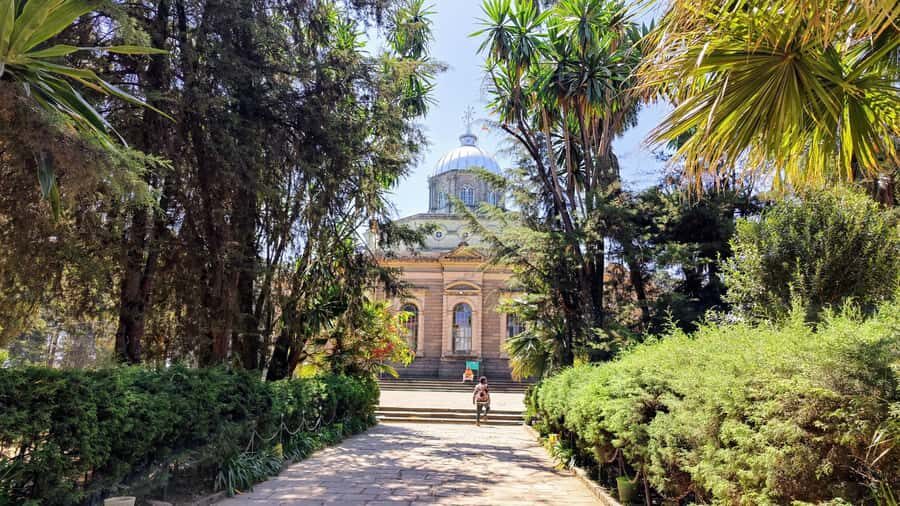
This is a guided, door-to-door Addis Ababa day built around an easy pickup-and-drop approach. You start from Bole airport and you can also be collected from hotels, then you move city to city without needing to figure out transport or entrance logistics yourself.
The value here isn’t only the sights. It’s the way a good guide stitches them together—why a cathedral looks the way it does, why Lucy matters beyond the photo, and what to look for in markets so you don’t just walk past stalls.
You’ll also get the practical comforts that make a one-day program feel doable: bottled water, coffee included, and entrance fees taken care of.
You can also read our reviews of more city tours in Addis Ababa

National Museum of Ethiopia: seeing Lucy and understanding the timeline

Most first-time visitors put the National Museum of Ethiopia at the top for one reason: Lucy. The museum’s Lucy exhibit features the famous hominoid fossil (Dinkinesh, meaning wonderful) from the Australopithecus afarensis species, dated around 3.2–3.5 million years old depending on which reference point you’re using. What makes the stop worth your time is not just the headline age—it’s the explanation of what the fossil changed.
Here’s what you’ll want to listen for from your guide:
- The Lucy discovery dates the early human family tree in a way that reshaped timelines.
- A reevaluation prompted by Lucy’s 1974 find suggested our ancestors were likely walking about 2.5 million years earlier than previously thought.
- Beyond Lucy, the museum holds other prized items from pre-Axumite times, which helps you connect Ethiopia’s deep past to what you’ll see later in the cathedral and city life.
And yes, I get the frustration if Lucy is the single thing you came for. On the day itself, you may find that a particular display isn’t available or accessible as expected. If you’re planning around one must-see exhibit, keep your expectations flexible. The museum still gives strong value even when the “iconic item” moment doesn’t go perfectly.
Giorgis Cathedral (St. George’s): octagonal architecture and Adwa pride
After the museum, you head to Giorgis Cathedral, also known as St. George’s Cathedral. This one has real historical and design signals that your guide can point out quickly so you don’t miss the good parts.
Key details worth noticing:
- It was constructed in 1896.
- Its shape is octagonal, a style used to honor Ethiopia’s triumph over the Italians at the Battle of Adwa.
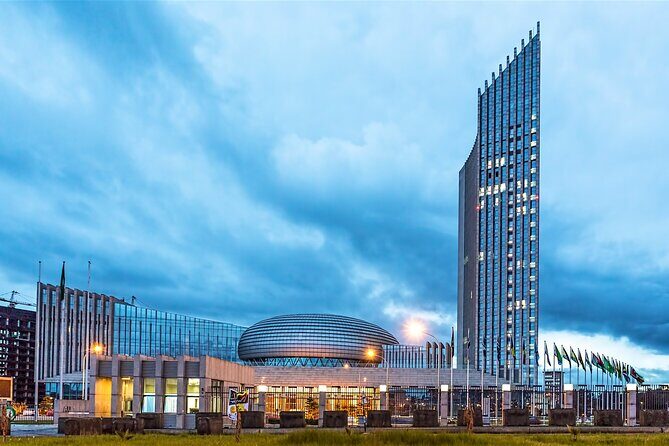
- The cathedral is also associated with the Africa Hall stained-glass windows, created by Ethiopian artist Afewerk Tekle.
If you enjoy architecture and symbolism, this is where you can slow down. If you’re not into churches, still show up with one goal: identify how the building’s form and decorations are telling a national story, not just serving as a worship space.
One consideration: if renovations affect what’s accessible, you may not get the full experience you expected. That can happen on working religious sites, so it’s smart to arrive with a “see what you can, then ask questions” mindset.
Africa’s largest open market: the Addis Ababa street-level reality check
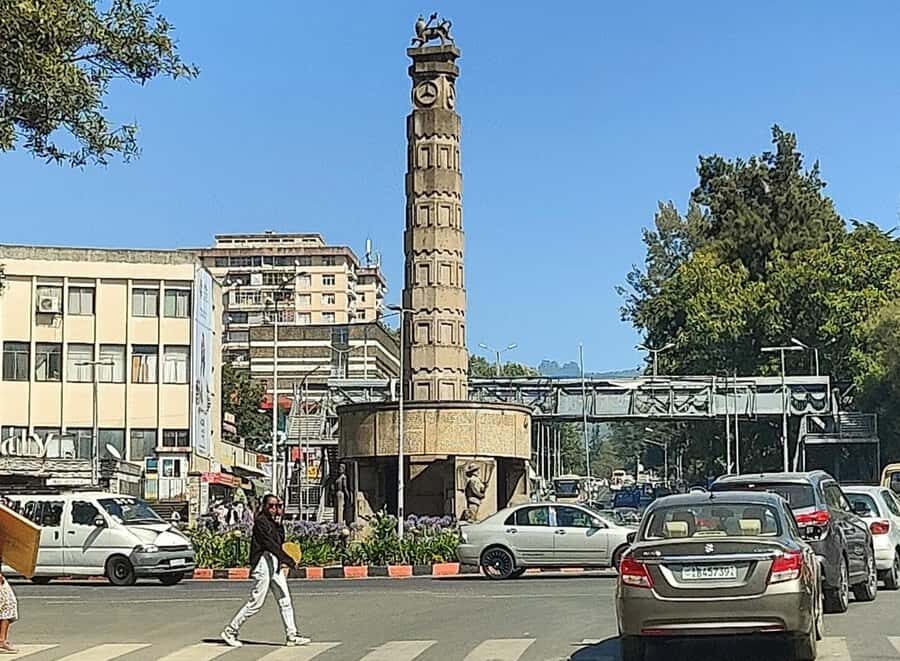
Next, the tour pulls you toward the big outdoor market experience described as Africa’s largest open market. This stop is less about monuments and more about atmosphere—how Addis looks, sounds, and trades.
What I like about this kind of market break on a city tour:
- You get real street rhythm instead of only indoor highlights.
- You can watch everyday life in motion, from vendors to shoppers to bargaining energy.
- You get an easier feel for Ethiopian culture that later makes museums and churches feel less “separate.”
If markets aren’t your favorite, you can still make this one useful by doing one thing: ask your guide what you’re seeing. In Addis, the difference between “random stalls” and meaningful local goods often comes down to names and context.
Museum Church stop and local coffee/cuisine time
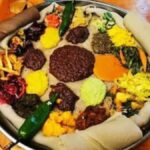
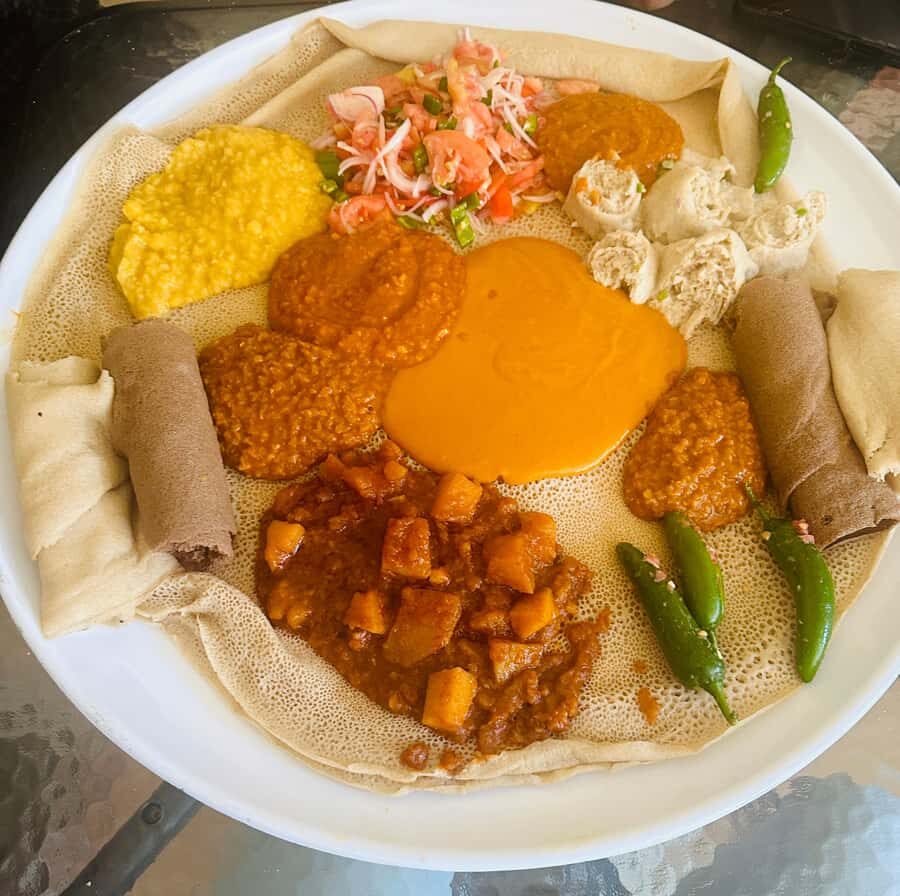
The tour also includes a stop at Museum Church, paired with time for coffee and local cuisine. Even when you don’t know Ethiopian Orthodox traditions yet, these stops are helpful because they connect the city’s identity to everyday meals and rituals.
This is the type of pause that keeps a one-day plan from feeling like a nonstop ride. You’ll have a chance to refuel, ask questions, and reset before the views of Entoto.
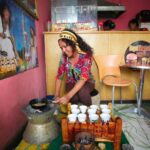
Also: coffee is a theme on this itinerary, and you should expect a stronger focus on taste than on a fancy “performance.” You’re here to drink what locals drink.

Shiromeda Market: shopping culture with traditional clothing at the center
On the drive toward Entoto, you’ll pass through Shiromeda Market, described as one of the largest marketplaces for traditional Ethiopian clothing. This is a smart middle stop because it breaks up the day with something visual and hands-on.
What to do here:
- Look for textiles, stitching details, and how items are styled as complete outfits.
- Don’t rush buying; instead, use your guide to understand what types of garments are common and why.
- If you want souvenirs, this is where you’ll find the kind of items that feel truly “of Addis Ababa,” not just generic tourist goods.
Even if you’re not shopping, the market helps you read Ethiopia better. Clothing is cultural language, and Shiromeda is a place where that language shows off.
Mount Entoto summit: panoramic Addis Ababa, but visibility matters

Then comes the payoff: the drive up to Mount Entoto for a bird’s-eye view over Addis Ababa. The highlight is the panoramic angle—suddenly you see the city’s spread and how neighborhoods sit across the hills.
Here’s the practical truth: this stop depends heavily on weather and visibility. If the day is clear, you’ll likely feel like the whole tour has been leading to this moment. If clouds or haze roll in, the view can be disappointing, and it may feel like you spent a lot of effort just to see a softened blur of the city.
My advice: treat Entoto as part scenic viewpoint, part orientation stop. Even with weaker visibility, you still get a sense of altitude and geography, and that can make the rest of your Addis photos and memories feel more connected.
Tomoka Coffee final stop: the included tasting moment
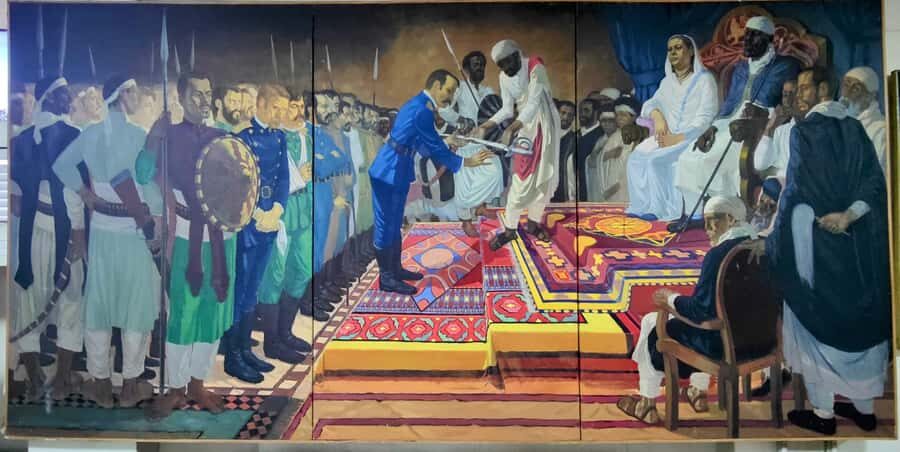
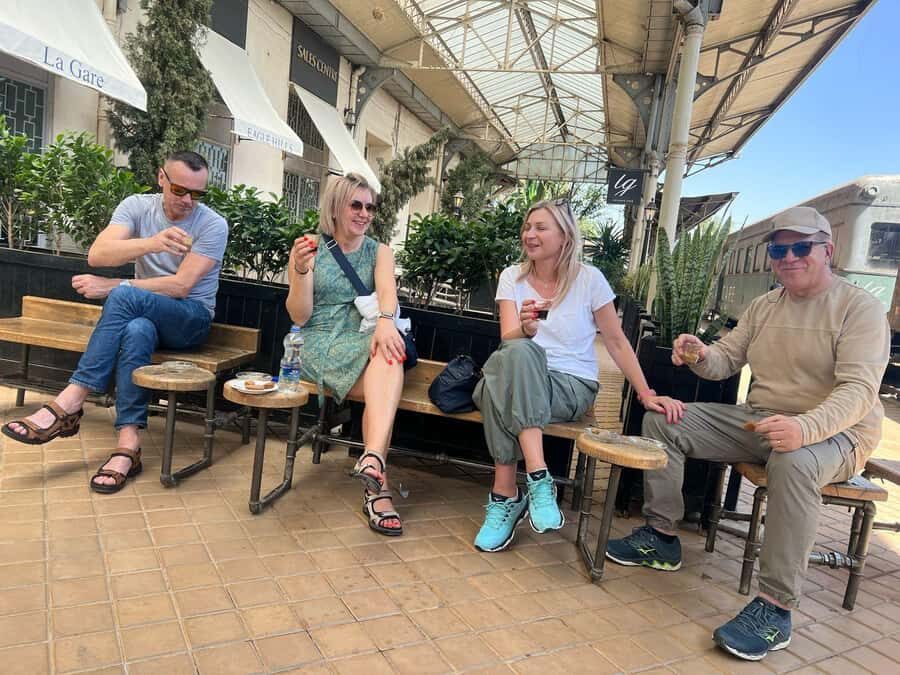
The day ends with a visit to Tomoka Coffee, presented as among the best coffee in town. Since coffee is included on this tour, you’re not just paying for transit and entry fees—you’re also getting a real “finish line” moment.
I like this kind of ending because it’s simple:
- You sit.
- You taste.
- You reflect on the day’s contrasts—ancient history at the museum, living tradition in church and markets, and city views from above.
If you’re the type who always tries to find one great local coffee spot, this is a smart use of a guided day. You don’t have to gamble on which café to pick after you’ve already been on the go.
Price and value: what $52 per person includes (and why it can be fair)
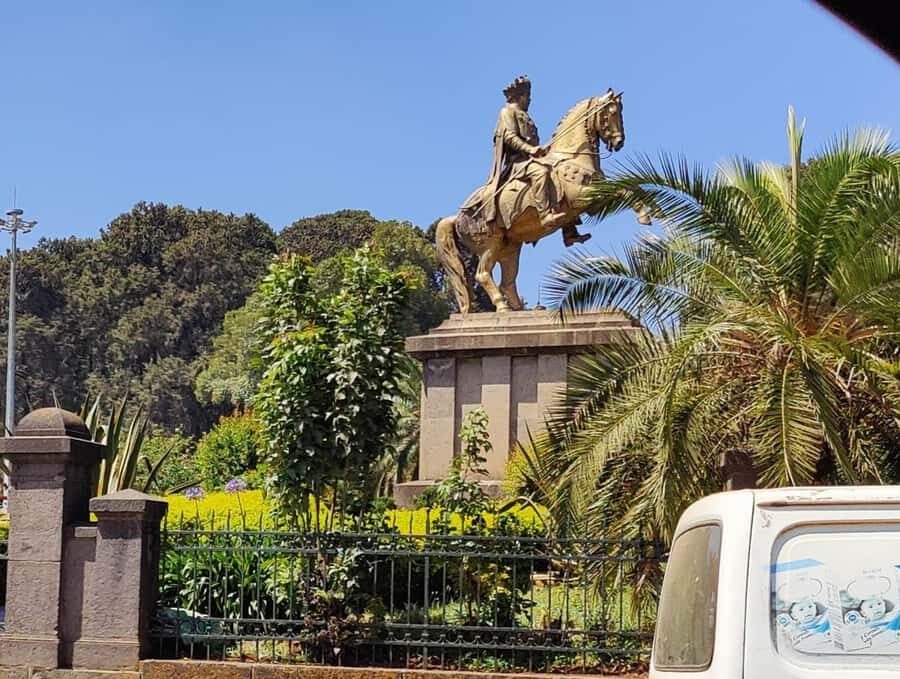
The price is $52 per person, and the best way to judge value is to look at what’s covered.
Included items are doing real work for you here:
- Hotel pickup and drop-off
- Airport pickup and drop-off
- All entrance fees
- English-speaking guide
- Bottled water
- Coffee
- Tax
If you tried to piece this together on your own, entrance fees and a qualified English guide alone can add up fast. Plus, transfers from Bole and central hotels aren’t always straightforward. With this format, you buy fewer decisions—and spend more energy actually seeing things.
Is it a “cheap” tour? Not the lowest-cost option in town. But it’s also not one of those setups where you pay for a ride and a vague promise. You’re paying for a day with structured stops and guided context, and that’s the part that usually turns a list of attractions into an experience.
Who this tour fits best (and who might want a different plan)
This works best for you if:
- You want a guided one-day overview of Addis Ababa that actually explains what you’re looking at.
- Lucy at the National Museum is a priority, and you like understanding the story behind famous artifacts.
- You enjoy markets and local culture, not just big-name landmarks.
- You want coffee built into the plan instead of having to hunt it down afterward.
You might consider a different setup if:
- You need guaranteed access to specific exhibits or specific church areas on a particular schedule.
- You’re sensitive to “weather luck” because the Entoto view can be limited by visibility.
Should you book this Addis Ababa city tour?
I’d book it if your goal is a guided, efficient day that connects history, city life, and views—without forcing you to manage entrances, language, or transport. The museum stop and the cathedral details are strong anchors, and Tomoka Coffee is a satisfying way to end.
I’d hesitate only if Lucy and one exact visual moment are your only reason for coming, because you can’t control how museums and religious sites operate day to day. If you go with flexibility—expect the itinerary rhythm, not perfect conditions—you’ll get a lot out of the day for the money.
FAQ
Where does the tour start?
It starts with pickup from Bole airport and also from hotels. You also get drop-off at the end.
What’s the price per person?
The price is $52 per person.
What’s included in the tour?
Included are hotel and airport pickup/drop-off, all entrance fees, an English-speaking guide, bottled water, coffee, and tax.
What language is the guide?
The guide speaks English.
Which major sites are part of the visit?
You’ll visit the National Museum of Ethiopia (including the Lucy fossil), Giorgis Cathedral (St. George’s Cathedral), Shiromeda Market, Mount Entoto, and Tomoka Coffee, plus additional city-market and Museum Church stops.
Do I get to see Lucy?
The tour includes the National Museum of Ethiopia, where Lucy (Dinkinesh) is displayed.
Is coffee included?
Yes, coffee is included. The final stop is at Tomoka Coffee.
Is there an option to reserve and pay later?
Yes. It offers Reserve & Pay Later, with the note that you can book your spot and pay nothing today.
What’s the cancellation window?
You can cancel up to 24 hours in advance for a full refund.