REVIEW · ADDIS ABABA
Addis Ababa Private Tour
Book on Viator →Operated by Eyayaw Tours Ethiopia · Bookable on Viator
Addis Ababa hits you fast and hard. This private full-day tour is a smart way to understand the city’s mix—big history, daily life, and sweeping viewpoints—without feeling like you’re constantly Googling your next stop. I love the climb to Mount Entoto for those high-altitude panoramas and the reminder it was Ethiopia’s earlier seat of power.
Two things I also like: the way the schedule anchors stories in real places (and real objects), from the National Museum of Ethiopia to the mausoleum at Holy Trinity. One consideration: it’s a packed 6 to 8 hours, with driving plus a few short walks, so you’ll want comfortable shoes and a realistic pace for a morning start at 8:30.
In This Review
- Key Highlights You Should Care About
- Getting Your Bearings on Addis’s Major Streets
- National Museum of Ethiopia: Lucy and the Stories Behind the Objects
- Mount Entoto at 3,200 Meters: Views, Old Capital Clues, and a Park With Deck Views
- Holy Trinity Cathedral: The Haile Selassie Mausoleum Stop
- Mercato (Merkato) Market: The Largest Open-Air Market Feeling Up Close
- Lunch and Coffee: Don’t Let This Part Become an Afterthought
- Price and Private Tour Value: What You’re Actually Paying For
- The Practical Reality of a 6 to 8 Hour Schedule
- Who This Tour Fits Best (and Who Might Want a Different Plan)
- A Note on Guides: What to Look For
- Should You Book This Addis Ababa Private Tour?
- FAQ
- What’s the duration of the Addis Ababa private tour?
- What time does the tour start?
- Is this tour private or shared?
- Does the tour include pickup?
- Is a mobile ticket provided?
- Which stops have admission included vs. free entry?
- Can I cancel for a full refund?
- Will I receive confirmation when I book?
Key Highlights You Should Care About
- Mount Entoto (3,200 m) views with an observation deck and old-capital context
- National Museum time focused on Lucy and Ethiopian empire-related collections
- Holy Trinity Cathedral + Haile Selassie mausoleum as a top cultural stop
- Mercato (Merkato) open-air market with a modern-and-traditional feel
- A private group format that keeps your day from feeling rushed by other people
Getting Your Bearings on Addis’s Major Streets
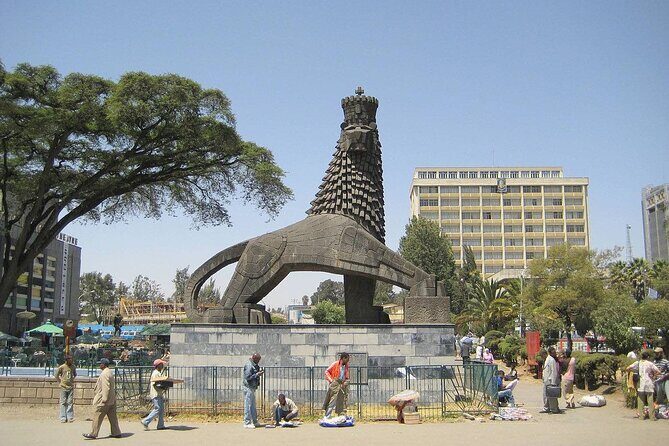
The day kicks off with a scenic drive through Addis Ababa’s major streets, plus a short intro to the city—where its energy comes from and how its story fits together. You’ll get some landmark stops where there’s time for a short walk, which is useful in a city where streets can feel confusing if you’re only looking at maps.
This first section matters because it sets the tone. When you later see big museums or religious sites, the context lands faster. Addis has a striking contrast: modern buildings sit beside corrugated-metal life, and you’ll see everyday transport alongside newer options. That contrast is the point of visiting, and the morning drive is how you start noticing it.
You can also read our reviews of more private tours in Addis Ababa



National Museum of Ethiopia: Lucy and the Stories Behind the Objects

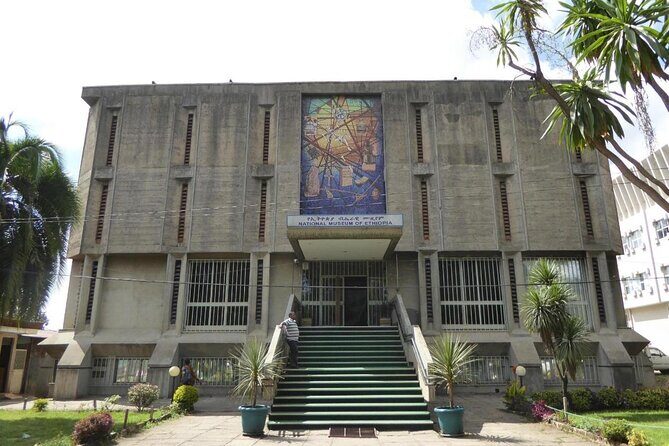
Next up is the National Museum of Ethiopia, one of Sub-Saharan Africa’s most important museums. A full hour gives you enough time to hit the major highlights without turning it into a marathon. The museum’s star attraction is the collection that includes Lucy, dated to about 3.2 million years old—an exhibit that instantly makes Ethiopia’s deep past feel real.
But don’t treat this place as only a fossils stop. The museum also includes a rich range of items tied to Ethiopian history and belief, such as insignia of emperors, church-related materials, costumes, and weapons. If you like history you can see with your own eyes, this is where that itch gets scratched.
There’s also mention of an ethnographic museum in the university area, linked to Polish scientists and professor Stanisław (the listing truncates the rest of the name). In practical terms, that means the museum block may cover more than one kind of storytelling—ancient origins, then culture and identity.
A possible drawback here is simple: museums are quiet, and you can lose time if you stop to read everything. If you’re short on energy, choose what to focus on first—Lucy, then the emperor and church collections—so you don’t feel pulled in 12 directions.
Mount Entoto at 3,200 Meters: Views, Old Capital Clues, and a Park With Deck Views
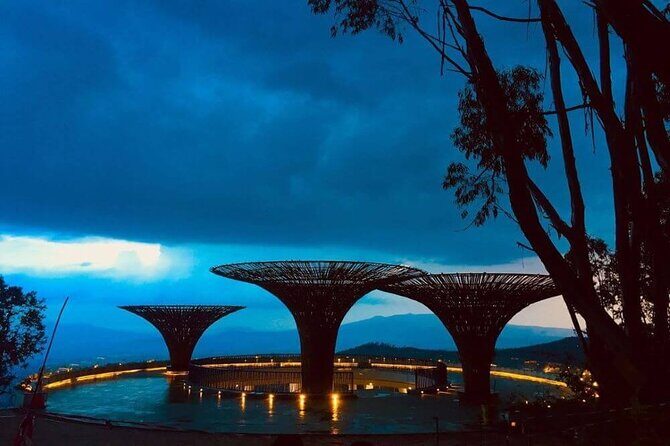
Mount Entoto is where the day turns scenic. You drive up to a hill area at around 3,200 m and then spend about two hours at the park with an observation deck. From there, you get panoramic views of Addis Ababa—exactly the kind of “now I see the city” perspective you can’t get from street level.
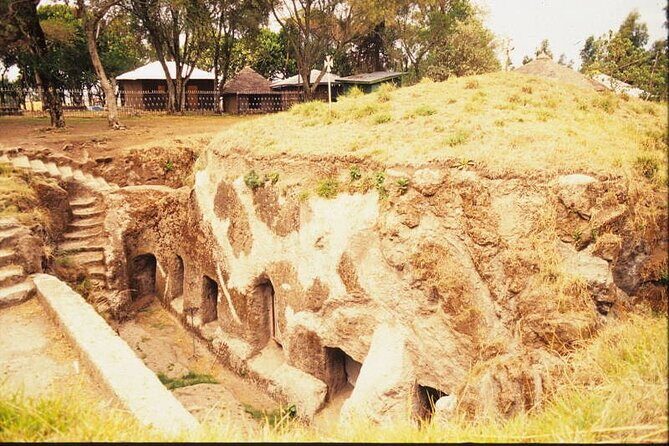
This stop also has a historical backbone. Entoto is tied to a time when Addis wasn’t yet the main seat of power—this area was the capital before Menelik II moved it to what you now know as Addis Ababa. The listing also notes that the king’s palace remained until today, which adds weight to the views: you’re not just looking; you’re looking at a place with long political memory.
You’ll also find a local museum connected to the area, featuring crowns associated with kings and church, plus costumes and insignia. That kind of detail helps connect the earlier museum visit to something more physical and geographic. Ethiopia’s history isn’t stuck behind glass here—it’s tied to place.
One consideration: at 3,200 m, you might feel it if you’re sensitive to altitude. You don’t need to panic, but do take it easy on the viewpoints and drink water. If you’re prone to getting winded, plan for slower walking and shorter bursts of exploration.
Holy Trinity Cathedral: The Haile Selassie Mausoleum Stop

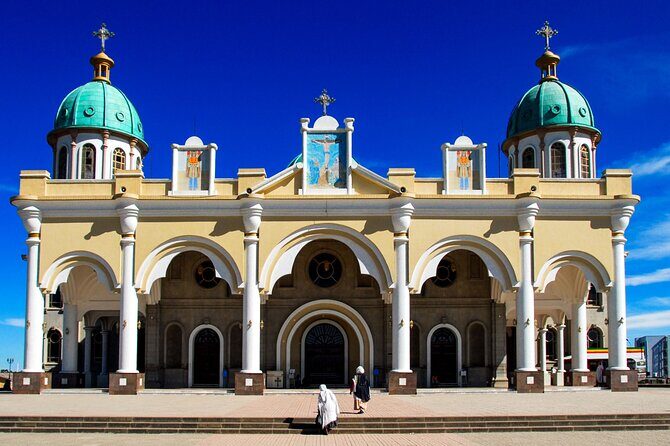
After lunch, you’ll head to the Holy Trinity section—Trinitythe in the schedule, referring to the Ethiopian Orthodox complex. The Holy Trinity Cathedral is described as Ethiopia’s most important church, so treat this as a major cultural and spiritual stop, not just a photo stop.
The highlight is the mausoleum of the last emperor of Ethiopia, Haile Selassie, and the listing also notes his wife is buried there. That’s the kind of information that changes how you look at a site. You’re not just sightseeing; you’re standing in a place that represents a turning point in modern Ethiopian history.
This is also a nice balance after the high-energy market and the museum. Even if you’re not religious, you’ll likely appreciate the formality and the way a cathedral space organizes your attention. The schedule keeps it to about two hours, which is long enough to see what’s important without dragging.
A practical note: cathedral visits often mean more standing and slower movement than you’d expect. Keep a relaxed pace and plan on soaking in atmosphere, not rushing for angles.
Mercato (Merkato) Market: The Largest Open-Air Market Feeling Up Close
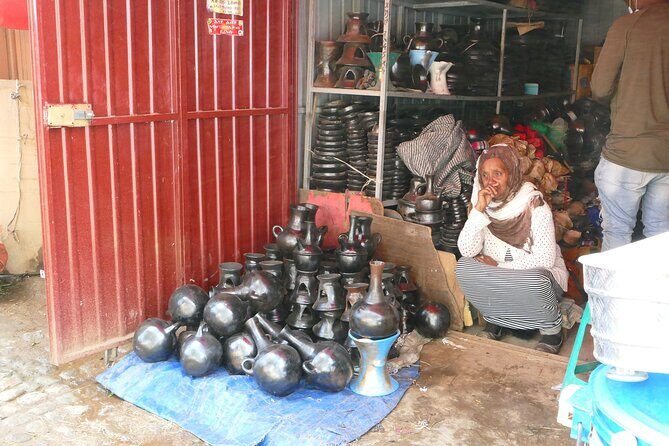
The final major stop is Mercato, also spelled Merkato in the schedule, described as the largest open-air market in Africa. You’ll have about an hour here, which sounds short until you understand the scale. In a market like this, you can walk in circles fast—so the guide matters.
What makes this stop special is the mix of modern and traditional city life. You’ll see how local commerce works day to day, not only the tourist version of Ethiopia. The listing specifically frames it as a vibrant combination, and you’ll feel that immediately in the noise level, the foot traffic, and the way vendors pull you into conversations.
The best way to make an hour count is to treat Mercato as a sensory map, not a shopping mission. Pick a few streets or stalls to understand the market rhythm. Then, if you want purchases, focus on small items that don’t require heavy decision-making under pressure.
The drawback is predictable: open-air markets can be tiring, especially after a morning of museums and a hilltop drive. If you’re easily overwhelmed, set your expectations: enjoy the energy, take breaks when you need them, and don’t try to see everything.



Lunch and Coffee: Don’t Let This Part Become an Afterthought

Lunch is built into the schedule, with the chance to taste Ethiopian foods and enjoy coffee in a traditional restaurant and coffee setting. This matters because Ethiopian coffee culture isn’t just about caffeine. It’s a social rhythm, and it fits naturally after Mercato and cathedral stops where you’ll already be thinking about tradition and everyday life.
I like that the tour treats lunch as part of the experience rather than a gap in the day. You’ll also avoid the common mistake of eating too late or too fast and then losing energy for the last stops.
If you have dietary needs, you’ll want to communicate them before you get seated. The schedule doesn’t list menus, so plan to speak up early so the restaurant options can be aligned to you.
Price and Private Tour Value: What You’re Actually Paying For
The price is $70.55 per person for a 6 to 8 hour private tour. On paper, that’s not “cheap,” but it doesn’t look outrageous when you consider what’s included: pickup offered, a mobile ticket, and guided access to major cultural stops where time and tickets can add up.
The schedule also marks admission as included or free across key locations. The National Museum of Ethiopia and Mount Entoto include admission. The Trinity Cathedral stop lists admission as free. Mercato includes admission. Stop 1 is listed as admission ticket free, with viewing and short walks.
So you’re not just paying for a driver. You’re paying for a day plan that stacks four different kinds of Addis Ababa—museum history, hilltop perspective, religious heritage, and market life—into one coherent route. That’s the value you’re really buying.
This kind of tour can be especially good if you’re:
- short on time in Addis and want a strong first-day orientation
- traveling as a small group that prefers fewer logistical headaches
- the type of person who likes seeing the big “why” behind sights, not only the “what”
The Practical Reality of a 6 to 8 Hour Schedule
This tour starts at 8:30 am, which is early enough to beat some crowds and still give you daylight for views from Entoto. Expect a full day that moves with intention: introductions and short walks early, a major museum block, a climb up to the hilltop, lunch and a cathedral stop, then a market hour.
Here’s what to plan for:
- Comfortable shoes for short walks plus market walking
- A layer for Mount Entoto’s elevation (even when the city feels warm)
- Water, especially after the drive and climb
- A flexible mindset: some places are about atmosphere, not speed
Also, since this is private, the day should feel easier to manage around your pace. Still, private doesn’t mean short. It means it’s only your group, so the schedule is designed to keep momentum.
One extra positive: pickup is offered and the tour is described as near public transportation. That flexibility helps if you’re staying somewhere where getting downtown on your own is a chore.
Who This Tour Fits Best (and Who Might Want a Different Plan)
This experience is a good match if you want a clear overview of Addis Ababa in one day. The route is built for variety: deep-time history and everyday culture, then a hilltop view, then a landmark cathedral mausoleum, then market life.
It also fits travelers who like a guided explanation. The itinerary includes introductory briefing, landmark walks, and stop-by-stop focus. If you’d rather wander alone with a loose plan, you might find this structured day a bit too directed.
Based on the tour’s emphasis, it suits:
- first-time visitors to Addis who want the essentials done well
- history-minded travelers interested in Lucy and emperor-era collections
- anyone who values a mix of city view + heritage + daily life
A Note on Guides: What to Look For
The most praised aspect from past experiences is the combination of the hilltop, the market, and the mausoleum—and the guide quality matters for all three. One guide name that comes up is Alex, described as wonderful. If you’re booking and you have the option to choose or request a guide, it’s worth asking whether Alex is available. Even when the guide can’t be guaranteed, the tour’s design works best with someone who can explain what you’re seeing without turning it into a lecture.
Should You Book This Addis Ababa Private Tour?
If you want a strong first impression of Addis Ababa—museum history, panoramic views, a major cathedral mausoleum, and a major market—then yes, I think this is a solid book. The day is packed, but it’s packed with different kinds of meaning, not just random stops.
Book it if you:
- want a guided, private day with admissions handled for the key sights
- like seeing Ethiopia’s story in multiple settings: museum objects, hilltop history, and living city markets
- appreciate structure when you only have a limited window
Skip it if you prefer slow travel, have low stamina for walking or altitude, or already plan to cover these sights on your own with extra days to spread things out.
FAQ
What’s the duration of the Addis Ababa private tour?
The tour runs about 6 to 8 hours.
What time does the tour start?
The start time is 8:30 am.
Is this tour private or shared?
It’s private, meaning only your group participates.
Does the tour include pickup?
Yes, pickup is offered.
Is a mobile ticket provided?
Yes, the tour includes a mobile ticket.
Which stops have admission included vs. free entry?
Admission is included for the National Museum of Ethiopia, Mount Entoto, and Mercato. Admission is listed as free for the Trinity Cathedral stop, and the first stop is also listed as free admission.
Can I cancel for a full refund?
Yes. Free cancellation is available up to 24 hours in advance for a full refund. If you cancel within 24 hours of the start time, the amount paid isn’t refunded.
Will I receive confirmation when I book?
You’ll receive confirmation at the time of booking.