REVIEW · ADDIS ABABA
3-Day Cultural Tour in South Omo Valley
Book on Viator →Operated by Liyu Ethiopia Tours · Bookable on Viator
Seeing the tribes is the point.
This 3-day South Omo Valley cultural route takes you from Addis Ababa to Jinka, then into the Mago National Park region and on to village visits with the Hamer, Dassanech, and Mursi peoples. The big hook is the contrast: clothing, body adornment, scarification, and ceremonial life that are all different from tribe to tribe. One thing to keep in mind is that this trip is weather- and access-dependent, and you’ll be moving a lot over remote roads.
What I like most is how practical it is for such a far-flung area: you get an English-speaking guide, an air-conditioned vehicle, accommodation with breakfast, and fees/taxes handled. I also like the small group size (max 6) because it makes village stops less chaotic and easier to manage. And in at least one account of the experience, the service stood out through guide Tariku and driver Sitotaw.
One drawback to consider: the itinerary is intense, and lunch and dinner are not included. If you dislike a tight schedule, this may feel like a “see a lot” trip rather than a slow cultural stroll.
In This Review
- Key highlights you’ll care about
- South Omo Valley in 3 days: what you actually see and why it matters
- Price and logistics: $700 for transport, guide, and real “getting there” time
- Day 1: Jinka to Turmi, Mago National Park area, and Hamer life
- Day 2: Omorate and Dassanech visits, then the Omo River canoe crossing
- Day 3: crossing Mago National Park to Mursi villages and lip/ear traditions
- The service that keeps remote days from unraveling
- Ethical and practical tips for respectful cultural visits
- Who should book this Omo Valley cultural tour?
- Should you book this 3-Day South Omo Valley tour?
- FAQ
- Where does this tour start and end?
- What time does the tour start?
- How long is the tour?
- How much does it cost?
- How big is the group?
- What’s included in the price?
- What is not included?
- Is pickup included?
- Do I need good weather?
- What is the cancellation rule?
- Is this tour suitable for most people?
Key highlights you’ll care about

- Small group (max 6) keeps the days organized when routes get long
- Flights + road time get you into the Omo region without DIY stress
- Mago National Park crossings are part of the travel experience, not a side note
- Multiple tribes in 3 days gives strong variety in dress, customs, and body tradition
- Flexible ceremony timing on Day 2 can swap activities if a Hamer event happens
South Omo Valley in 3 days: what you actually see and why it matters
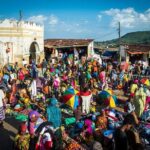
The Lower Omo area is one of Ethiopia’s most culturally diverse regions. Even within a small geographic zone, the tribes you meet can differ in language, clothing, food, and traditions. In three days, you’re not just seeing “ethnic villages.” You’re watching how identity is expressed through daily life and major rituals, including practices like body adornment, scarification, and the well-known lip and earlobe plates associated with the Mursi.
You’ll also notice something important fast: these communities aren’t presented as museum artifacts. The visits are tied to how people live—where they farm, how they decorate, and what ceremonies mean within the group. That’s why a focused route matters. If you tried to stitch this together yourself from Addis, you’d spend a lot of time on logistics and planning—and still might miss key moments.
This tour is built around that idea: you move from Turmi into the wider Mago region, cross key areas, and end back at Bole Addis Ababa International Airport. It’s a compact plan for a region that’s anything but compact.
You can also read our reviews of more historical tours in Addis Ababa

Price and logistics: $700 for transport, guide, and real “getting there” time

At $700 per person for roughly 3 days, the best way to judge value is to look at what’s included. This isn’t just a guide and a car. You’re also getting:
- Pickup offered (start is at Bole Addis Ababa International Airport)
- Air-conditioned vehicle
- Accommodation with breakfast
- All fees and taxes
- English-speaking guide
- A route that includes getting from Addis to the South Omo area by flight
That mix matters because the Omo region isn’t a quick hop. The itinerary includes flying to Jinka, then doing long drives and park crossings. You’re paying for time saved, coordination, and local experience in route planning—especially for “less-traveled” areas.
What’s not included is straightforward: lunch and dinner plus tips. So you should budget for meals on your own and plan your spending accordingly. The good news is that knowing what’s missing makes it easier to plan without surprises.
Also, the tour uses a mobile ticket, and confirmation happens at booking. The company lists a maximum of 6 travelers, which is a big deal in a place where group management can make or break your day.
Day 1: Jinka to Turmi, Mago National Park area, and Hamer life
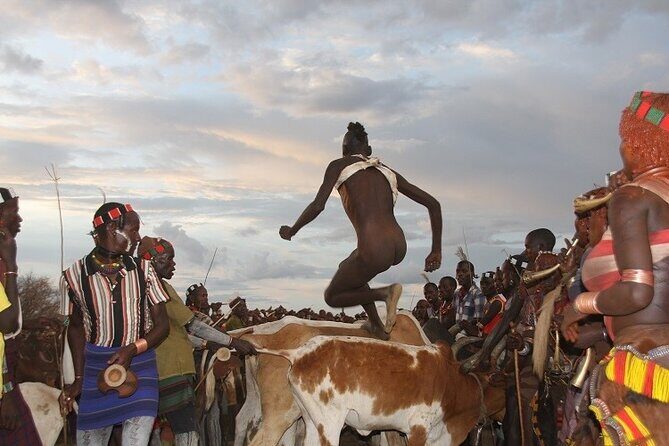
Day 1 starts with a morning departure rhythm—your start time is 9:00 am at Bole Addis Ababa International Airport. The route then goes toward Jinka, and from there you drive to Turmi, home of the Hamer people.
Turmi is one of the main places you hear about for Hamer culture. The Hamer are known for colorful beadwork and heavy neck jewelry, with iron jewelry described as a key adornment. You’ll also learn how men and women participate in cultural practices that are tied to relationships and social standing. The Hamer are especially associated with ritual practices that leave visible marks—scars that carry meaning within the community.
On the way, you stop at Bana village. That kind of add-on matters because it breaks up the drive and gives you another angle on how communities are arranged in the region, rather than treating the trip as a straight line from point to point.
The day’s time block is listed at about 6 hours for the main park-related component, and the focus is clear: set the tone with a strong cultural first contact. You’re arriving in a place where tradition isn’t separated from daily life—so dress, adornment, and ritual are part of what you’re seeing right away, not a special performance staged just for visitors.
Practical note: on Day 1, expect to move with purpose. This is not a “sleep in and meander” day.
Day 2: Omorate and Dassanech visits, then the Omo River canoe crossing
Day 2 builds variety. You head to Omorate for an excursion to visit the Dassanech ethnic group. The drive is described as about 70 km one way. The Dassanech are known for a nomad lifestyle, plus body decoration and scarification practices that are visually distinctive and part of identity and community tradition.
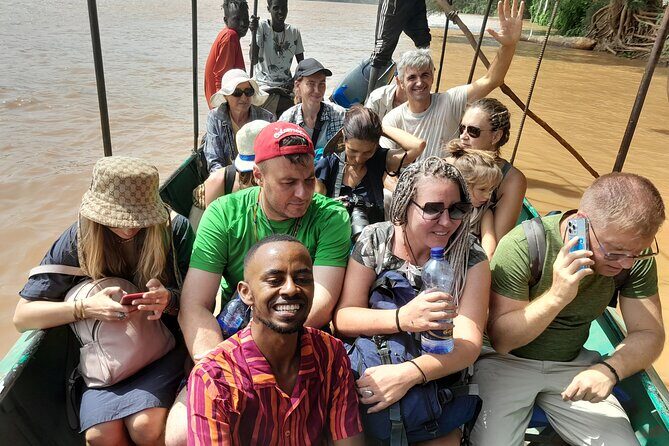
One of the most memorable elements of this day is the Omo River crossing in a dugout canoe, paired with views of the river. Even if you’ve seen rivers before, this is different because it’s tied directly to how people move and live in the region.
Then you shift back toward Turmi, where Hamer cultural events can appear in the schedule. With luck, you may participate in a Hamer marriage ceremony, including a bull jumping component. The tour even notes that an afternoon excursion might be canceled if the bull jumping ceremony is happening—because it’s considered too worthy to miss.
That trade-off is a real value point. Some tours force the itinerary no matter what. Here, the planning is set up to adjust based on whether a major event is occurring. The main consideration is that ceremony-based timing can be unpredictable, so you should stay flexible and ready to wait for the moment.
Day 2 ends with a late afternoon drive to Jinka for overnight stay, and the day is listed at 8 hours. It’s long, but it also makes sense: this is the day where you stack the most “distinctive experiences” into one schedule.
Day 3: crossing Mago National Park to Mursi villages and lip/ear traditions
On Day 3, you do a morning drive that includes crossing Mago National Park, then head to a Mursi village.
The Mursi people are best known (from global recognition) for lower lip and earlobe plates. In the village setting, those features are not just a visual landmark; they’re part of how adornment and tradition are maintained within a community. You’ll be looking at how body tradition is integrated with social life, not separated from it.
This day is shorter on paper—about 4 hours for the main stop component—but the travel time inside it is still meaningful because it’s wrapped around a park crossing. That’s one reason this route feels like more than a checklist: you’re traveling through the same kind of region the communities navigate in daily reality.
Then you return toward Addis Ababa, ending back at Bole Addis Ababa International Airport. The total flow keeps the tour tight and efficient.
A few more Addis Ababa tours and experiences worth a look




The service that keeps remote days from unraveling
One thing that comes up again and again in accounts of this kind of trip is not the scenery—it’s the human system that makes it work. You’re in a region where timing, road conditions, and access all matter. This tour is built to reduce that friction.
You get an English-speaking guide, and you’ll also be supported by a dedicated driver. In the praise you provided, the names Tariku (guide) and Sitotaw (driver) are specifically singled out for responsible, careful care. That’s exactly what you want in the Omo Valley: someone who can explain what you’re seeing, manage the route, and handle the little breakdowns that happen when you’re far from major services.
The small group limit (max 6) also helps. Fewer people means less confusion in villages, more time for questions, and smoother decision-making when ceremonies pull your schedule in a different direction.
And yes, the included setup matters: accommodation with breakfast, air-conditioned vehicle, and all fees and taxes reduce the amount of day-of decision fatigue you’ll have.
Ethical and practical tips for respectful cultural visits

This part is on you, not the tour. The South Omo experience works best when you treat the people you meet as people—first. If you’re taking photos, ask in a respectful way when possible and follow any guidance from your guide. Don’t act like it’s a photo contest.
Also, remember that practices like scarification, adornment, and ceremonial displays have meaning inside the community. If you go in expecting only spectacle, you’ll miss the social side: how people explain tradition, why symbols matter, and how identity is maintained across generations.
Finally, plan around comfort. You’re in a hot, moving, schedule-heavy program. Bring sun protection, water, and simple patience for waits during ceremonies or crossing time.
Who should book this Omo Valley cultural tour?
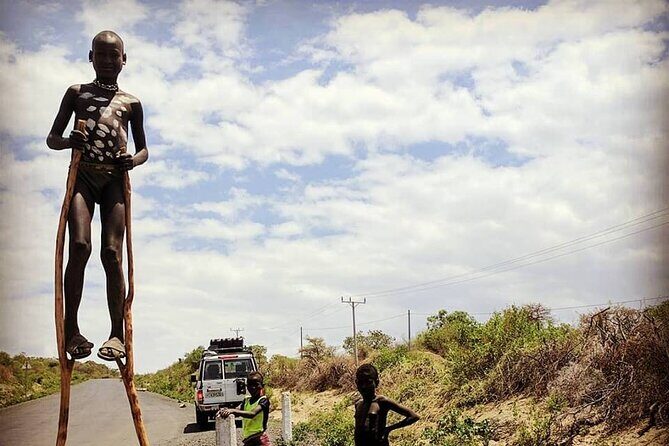
This tour fits best if you want:
- A focused, time-efficient introduction to the Lower Omo tribes
- Strong cultural variety across Hamer, Dassanech, and Mursi
- A structured plan that handles the tough parts of logistics (flight to Jinka, long drives, park crossings)
- A small group format where a guide can manage pace and questions
It’s also a good choice if you like the idea of chance-based scheduling on Day 2—like the possibility of catching a Hamer marriage ceremony—because the program is designed to give that event priority when it happens.
If you want a slow travel pace, lots of free time, and unstructured stops, you might find this too tight. Still, it’s one of the more efficient ways to see key communities without spending your whole trip planning.
Should you book this 3-Day South Omo Valley tour?
I’d book it if your goal is a compact, culturally serious sampler of the Lower Omo tribes, with the heavy lifting done for you—transport, guide, vehicle comfort, and the “getting there” challenge. The inclusion of flights to Jinka, park crossings, and accommodation with breakfast makes the $700 price feel more fair than a basic guided day trip.
I’d think twice if you’re sensitive to long drive days, meal spending on your own, or variable timing around ceremonies. This route works best when you stay flexible and treat the experience as a real cultural encounter, not a quick sightseeing route.
If you do book, I’d go in ready to ask questions through your English-speaking guide and ready to slow down your expectations. You’ll learn more when you pay attention to what people explain, not just what you see.
FAQ
Where does this tour start and end?
It starts at Bole Addis Ababa International Airport and ends back at Bole Addis Ababa International Airport in Addis Ababa.
What time does the tour start?
The start time is 9:00 am.
How long is the tour?
The duration is listed as 3 days (approx.).
How much does it cost?
The price is $700.00 per person.
How big is the group?
The tour has a maximum of 6 travelers.
What’s included in the price?
Included items are an air-conditioned vehicle, all fees and taxes, accommodation with breakfast, and an English-speaking guide. The itinerary also marks some admission tickets as included (and one stop as free).
What is not included?
Lunch and dinner are not included, and tips are not included.
Is pickup included?
Pickup is offered, and the listed start point is Bole Addis Ababa International Airport.
Do I need good weather?
Yes. The experience requires good weather, and it may be changed or refunded if canceled due to poor weather.
What is the cancellation rule?
There is free cancellation. You can cancel up to 24 hours in advance for a full refund.
Is this tour suitable for most people?
The tour notes that most travelers can participate.