REVIEW · ADDIS ABABA
2-Night 3-Day Danakil Depression Tour without Flights
Book on GetYourGuide →Operated by Ethio Travel And Tours ETT · Bookable on GetYourGuide
Volcano heat makes you humble fast. This Danakil Depression tour puts you right on the rim of Erta Ale to watch boiling lava, then drives you toward Lake Giulietti and the salt lowlands. It’s extreme, yes, but it’s also one of the most visually honest places on Earth—raw geology with people living off it.
What I love most is how close you get to active volcano action without turning it into a theme park. Day one and day two are built around early hours and short walks that actually matter, not endless sightseeing from a bus.
The main downside is the trip is tough on comfort: you should plan for three days mostly outdoors with no normal toilet, shower, or bed. If you want soft travel, this won’t match your style.
In This Review
- Key things to know before you go
- Why the Danakil Depression feels different from other volcano trips
- Price and what $300 covers (and what it doesn’t)
- Day 1: Addis Ababa to Erta Ale, then camping by the rim
- A practical reality check
- Day 2: Sunrise at Erta Ale crater pits, then Lake Giulietti and salt flats
- Lake Giulietti: the mythical below-sea-level salt story
- Day 3: Ragad (Asebo) salt mining, Dallol’s mineral terrain, and Lake Assal camels
- Getting through the heat, the walking, and the basics
- Comfort expectations (read this twice)
- Guides, language, and the small communication gaps that matter
- Who should book this Danakil Depression tour
- The big reality check: lava views and changing conditions
- Should you book this $300 / 3-day Danakil Depression experience?
- FAQ
- How long is the Danakil Depression tour?
- What’s included in the price?
- What isn’t included?
- What time does the Addis Ababa to Semera flight depart?
- Is pickup included?
- What are the key physical and health requirements?
Key things to know before you go
- Erta Ale rim access: You camp near the caldera and do the walking needed for the best views
- Sunrise at the pit craters: A morning schedule built around light and timing, not lying in
- Lake Giulietti below sea level: You’ll visit saltwater and salt-flats tied to Afar salt-making
- Dallol and colored mineral mining: You get the visual shock of volcanic chemistry up close
- Ragad (Asebo) salt mining + camel loading: You’ll see how rectangular salt pieces move to camels
Why the Danakil Depression feels different from other volcano trips
The Danakil Depression isn’t just a volcano stop. It’s a whole system: heat, salt, evaporation, and geology that shapes what the Afar people do day after day. You’re not only looking at formations—you’re seeing how life works in a place that’s naturally harsh.
Erta Ale is the headline, but the real power of this itinerary is the contrast. You start with active lava viewing and crater pits, then you shift to low basins and salt flats, and finally to Dallol’s mineral terrain and salt mining activity. The trip keeps changing your mental “image” of the region, so it doesn’t feel repetitive.
You can also read our reviews of more evening experiences in Addis Ababa
Price and what $300 covers (and what it doesn’t)
At $300 per person for a 2-night, 3-day program, this can feel like a bargain once you look at what’s bundled. The tour includes all meals, water bottles for the trip, entrance fees and licenses, accommodation for the nights, and the basic on-the-ground setup for camping. You also get surface transport in a four-wheel-drive Land-cruiser with fuel and a driver allowance.
It also includes a local Afar-region guide, plus cooking and camping equipment, and scout and police service in the Afar Region as per the program. That last part matters more than people think when you’re going far off the usual route.
What’s not included is your roundtrip flights, plus personal expenses. The itinerary still depends on an early flight from Addis Ababa to Semera (ET110 at 6:45) to start day one, so you’ll need to handle that flight ticket yourself. If your plan doesn’t line up with that timing, you’ll need to adjust your schedule.
Day 1: Addis Ababa to Erta Ale, then camping by the rim
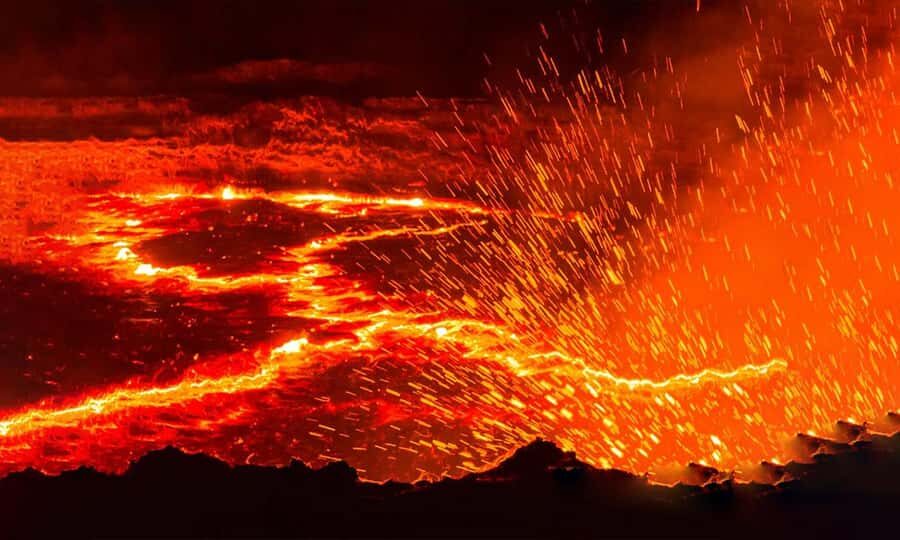
Day one begins with travel out of Addis Ababa and into the Erta Ale area via Semera, with pickup at Semera Airport on arrival from ET110. From there, you drive to Erta Ale, which in Afar language means smoky mountain. Erta Ale is an active volcano with a 30 km base diameter and a summit caldera about 1 km square. It’s known for the world’s only permanent lava lake, which is why the viewing here is such a big deal.
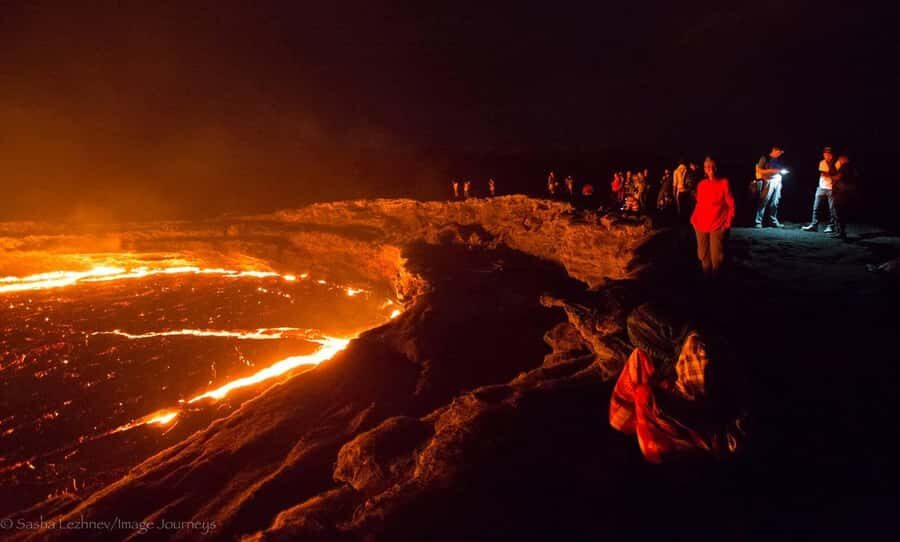
Once you arrive, you don’t just stand around. There’s a trek up to the Erta Ale viewing area, and the program has vehicles transporting camping materials and food to the rim. That’s important for value: you don’t carry everything yourself while you’re already dealing with heat and uneven ground.
Then comes the night near the rim—this is the part that makes many people book in the first place. You spend the night watching the dramatic action of the boiling lava, which is exactly what it sounds like: heat and glow and movement, not a distant photo opportunity.
A practical reality check
One caution: the volcano can change. One recent reality reported in feedback was that the lava view may be reduced if conditions differ from what you expect. That doesn’t mean you should cancel your plans—it means you should understand that active volcanoes aren’t movie scenes.
Day 2: Sunrise at Erta Ale crater pits, then Lake Giulietti and salt flats
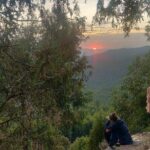
The schedule on day two is built around morning timing. You wake up early to see sunrise at the northern pit crater. From there, you walk about five minutes to the southern and central pits, so you’re moving but not doing a long hike.
The pit crater details matter because they hint at how the viewing works:
- The main pit crater is about 200 m deep and 350 m across.
- The smaller southern pit is about 65 m wide and around 100 m deep.
After that crater time, you descend from Erta Ale around 9 am following an early breakfast. The program aims to get you back to camp by about 10:30, which is a needed buffer in a place where temperatures can climb fast.
A few more Addis Ababa tours and experiences worth a look

Lake Giulietti: the mythical below-sea-level salt story
Then the trip shifts from volcano drama to salt reality. You drive to Lake Giulietti, described as a saltwater lake more than 100 meters below sea level in one of the deepest depressions of the planet. This is where you start seeing why the Danakil Depression is as much about chemistry and survival as it is about scenery.
You then visit the salt flats where the Afar people obtain salt by evaporating the water of the lake. That’s the key: salt isn’t just a backdrop. You’re watching the process tied to daily work in the depression.
From there, you continue toward Erbiti and then to Abaala / Hamed Ela for the night at Hamedela.
Day 3: Ragad (Asebo) salt mining, Dallol’s mineral terrain, and Lake Assal camels
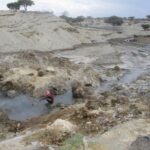
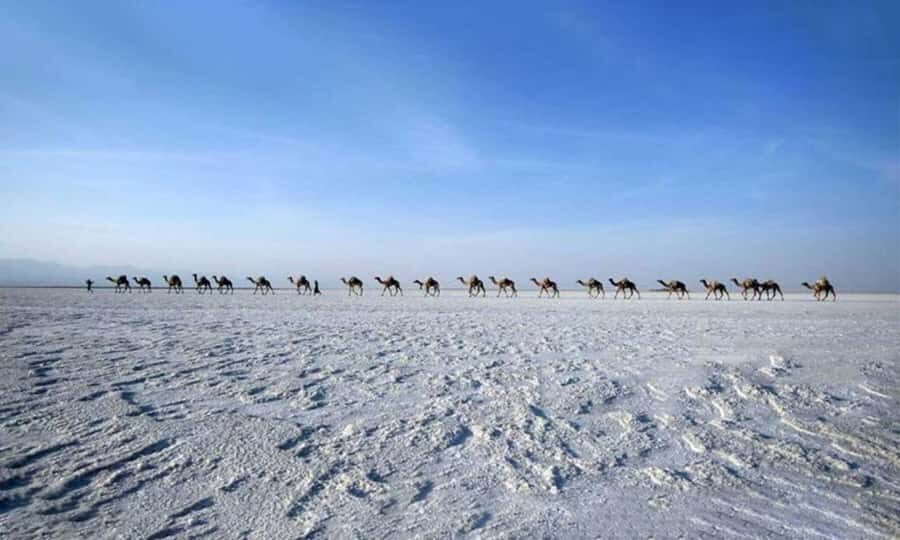
Day three starts with salt work you can’t ignore. You drive to Ragad (Asebo), where local people mine salt from the ground. You’ll see workers breaking salt, cutting it into rectangular pieces, and loading the salt onto camels. It’s practical knowledge you can carry home: the salt trade here is physical and time-bound, not a slow tourist photo set.
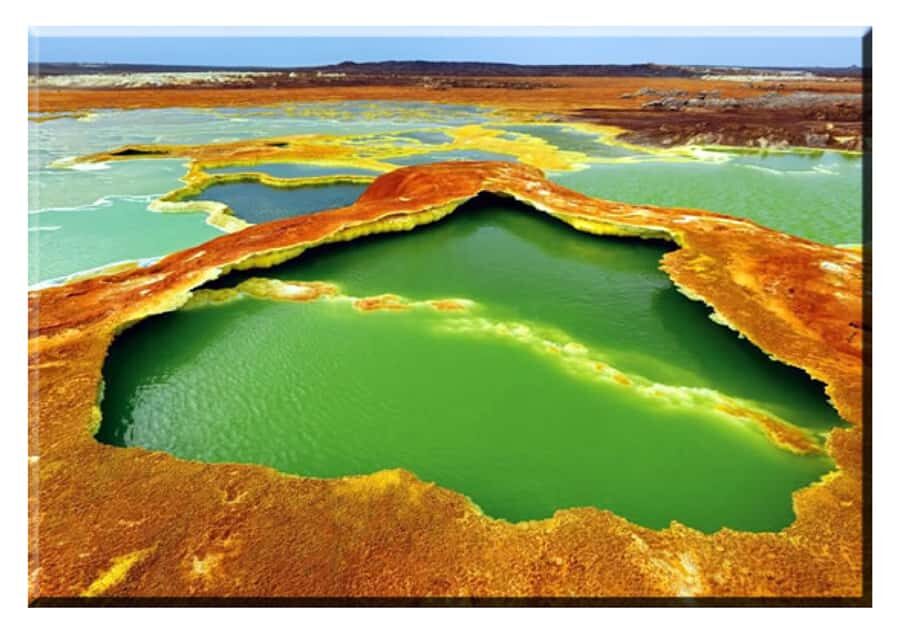
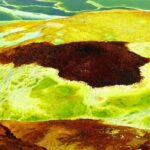
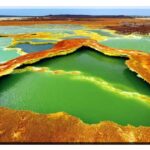
Then you head to Dallol and the surrounding low areas. Dallol is known for different landscape formed by volcanic activity, and the program has you visit the colorful mineral terrain and the salt mining activity there. The effect is visual and immediate: bright color comes from minerals left behind as water evaporates and volcanic chemistry does its thing.
After Dallol, the itinerary includes Lake Assal and a follow-up look at camel caravans. Lake Assal is part of what makes this circuit feel complete. You’re not just visiting one point—you’re connecting multiple salt ecosystems and watching the same general theme play out in different forms.
Finally, you drive back to Semera and fly back to Addis Ababa.
Getting through the heat, the walking, and the basics
This kind of trip is not hard because it’s complicated. It’s hard because it’s physical and exposed.
You’ll want comfortable shoes with good grip for uneven ground. Bring warm clothing even if you think you won’t need it—early mornings and nights can feel colder than you expect in desert and volcanic basins. Pack sunglasses, a hat, sunscreen, and a flashlight for the evening setup.
Hydration is crucial. The program is explicit that temperatures can be very high, so you should treat water like a main character, not an afterthought. The tour provides bottled water for the trip, but you should still be sensible with how you drink.
Comfort expectations (read this twice)
Expect a “camping-style” setup rather than hotel comfort. One piece of feedback I found especially important was the reminder that there’s no normal toilet, no shower, and no proper bed. That doesn’t make it less worthwhile—it just changes how you prepare your body and mind for the experience.
If you’re the type who gets stressed by basic conditions, consider this your warning label.
Guides, language, and the small communication gaps that matter
The tour includes a live tour guide in English. That’s great because the region and the environment can be overwhelming, and you’ll want clear explanations.
That said, language experience can vary between staff members. One note that stands out from feedback is that not all drivers speak English well, so you might need to keep your questions for the English-speaking guide. This is normal for remote regions—just don’t plan on perfect two-way conversation with every person in every vehicle.
Also, the program includes local guide service for the Afar region and scout and police service in the Afar Region. Those elements are part of how this route stays organized and safe in remote conditions.
Who should book this Danakil Depression tour
This tour is built for people who can handle physical strain and exposure. The trek to Erta Ale is described as challenging, and there’s significant walking on uneven terrain.
It’s not suitable for:
- children under 12
- pregnant women
- people with back problems
- people with heart problems
That list isn’t “optional.” If any item applies, you should skip this program.
You’ll also get more from it if you’re comfortable with outdoors travel for three days. The payoff is close interaction with active geology and salt-making culture, but you have to be mentally ready for the conditions that come with it.
The big reality check: lava views and changing conditions
Active volcanoes can change. A recent note highlighted that the volcano may be a bit collapsed, meaning you may not see lava the way you hoped. Another reality is that weather and light affect what you can spot from the rim.
So I recommend a mindset shift: plan to see the volcano environment itself, not only a specific lava performance. The crater pits and rim views are still meaningful even if lava visibility is less dramatic than expected on a given day.
Should you book this $300 / 3-day Danakil Depression experience?
Book it if you want a guided, structured way to see the Danakil Depression’s three headline elements: Erta Ale (active volcano rim time), Lake Giulietti (below sea level saltwater and salt flats), and Dallol + Lake Assal (mineral terrain and salt/camel activity). The price can be good value because meals, water, entrance fees, guide support, and most logistics are included.
Skip it if your main goal is comfort. The camping conditions are basic, and the walking plus heat can be a dealbreaker. Also don’t book if you fall into the listed medical or pregnancy categories.
If you do book, prepare like a pro: strong shoes, warm layers, hydration focus, and a flexible mindset about lava visibility. When you line up the right expectations, this tour delivers one of the most unforgettable mixes of geology and human salt work in Ethiopia.
FAQ
How long is the Danakil Depression tour?
The tour runs for 3 days, with 2 nights included.
What’s included in the price?
The program includes all entrance fees and licenses, accommodation, and all meals throughout the tour, plus bottled water. It also covers surface transport in a 4-wheel-drive Land-cruiser (including fuel and driver allowance), local guide service, cooking and camping equipment, and scout and police service in the Afar Region.
What isn’t included?
Roundtrip flights are not included, along with personal expenses.
What time does the Addis Ababa to Semera flight depart?
The itinerary specifies a morning flight from Addis Ababa to Semera (ET110) departing at 6:45.
Is pickup included?
Yes. Pickup is included from hostels, hotels, the airport, or guesthouse.
What are the key physical and health requirements?
Physical fitness is required because the trek to Erta Ale is challenging and involves walking on uneven terrain. The tour is not suitable for children under 12, pregnant women, people with back problems, or people with heart problems.