REVIEW · ADDIS ABABA
Day Trip From Addis Ababa To Debre Libanos & Blue Nile Gorge
Book on Viator →Operated by Simien Image Ethiopian Tour and Travel Company · Bookable on Viator
Cliffside monasteries change your pace fast. This day trip to Debre Libanos Monastery and the Blue Nile Gorge is one of those Ethiopia outings where the sacred and the wild sit side by side, all within reach of Addis Ababa. I like how the day is built around real, lived-in places: a 13th-century Orthodox pilgrimage site, then river gorges and bird-country just beyond the city’s noise.
I also like the wildlife angle. You may see baboons and birds, and this area is known for birdwatching, including the endemic Harwood’s Francolin. The main consideration: you need moderate fitness, since you’ll be moving around cliff and gorge areas, and the time spent for wildlife viewing is short, so sightings are never guaranteed.
In This Review
- Quick hits before you go
- Debre Libanos Monastery: an Orthodox pilgrimage site above the gorge
- Portuguese Bridge: a narrow span with a rainy-season wow factor
- Blue Nile Gorge country: where birdwatching meets river gorges
- How the day actually runs from Addis Ababa
- Price and value: what your $117.95 covers
- The lunch: Ethiopian comfort with a practical schedule
- Wildlife odds: baboons, birds, and how to maximize your chances
- Who should book this Debre Libanos and Blue Nile Gorge trip?
- Should you book it?
- FAQ
- What time does the tour start?
- How long is the day trip?
- Does the tour include hotel pickup?
- What will I see during the tour?
- Is lunch included?
- Are tickets included for the main stops?
- What group size should I expect?
- What fitness level do I need?
Quick hits before you go
- Debre Libanos Monastery (13th century): a major Ethiopian Orthodox pilgrimage site tied to Saint Tekle Haymanot
- A terrace between cliff and gorge: stunning setting above tributaries of the Abbay (Blue Nile) system
- Portuguese-style bridge photos: a narrow span with impressive cascade potential in rainy season
- Birdwatching focus: Harwood’s Francolin plus several other species you might find
- Lunch included with drinks: Ethiopian meal, bottled water, and coffee or tea
- Small-ish group: maximum of 25 people, with hotel pickup available
Debre Libanos Monastery: an Orthodox pilgrimage site above the gorge
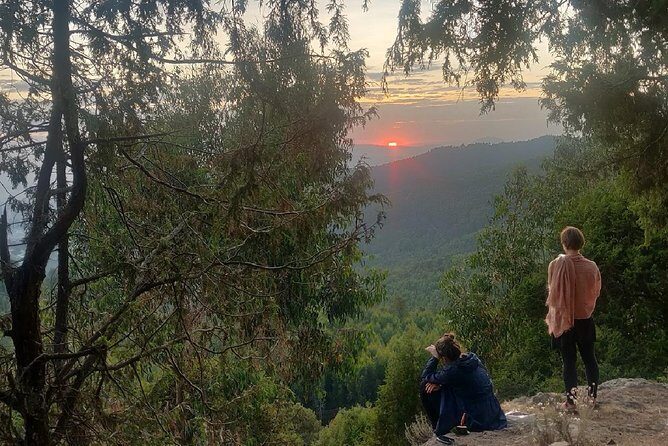
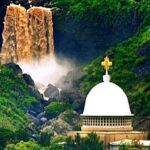
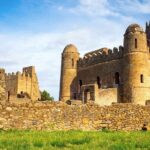
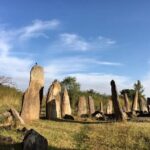
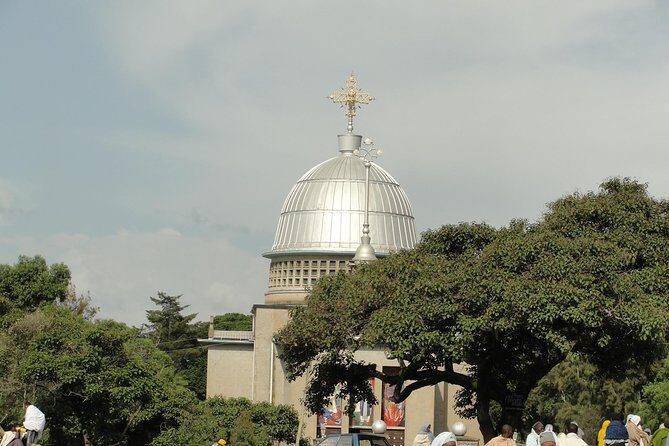
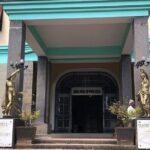
The heart of this tour is Debre Libanos, located northwest of Addis Ababa. You’re going to a complex that sits on a terrace between a cliff and the gorge of a tributary feeding into the Abbay River system. Even without fancy explanations, the location does half the work for you. The monastery feels anchored in the rock, not staged for visitors.
Debre Libanos is traditionally dated to the 13th century. The story ties it to Saint Tekle Haymanot, who is said to have meditated in a cave for 29 years. The monastery’s chief abbot, called the Ichege, is traditionally described as the second most powerful official in the Ethiopian Church after the Abuna. That matters because it helps you understand why this place is treated as more than a pretty viewpoint.
Expect the stop to last about two hours, with admission included. Your time here is long enough to take in the setting and wander at a steady pace, but it’s not so long that you’ll feel stuck. Wear shoes with solid grip. You’ll likely encounter uneven ground, and you’ll be shifting your footing because the views keep pulling you toward the edges.
A small realism check: none of the original buildings survive. What you see today reflects later structures and ongoing religious life, not a perfectly preserved time capsule. That’s not a disappointment. It’s part of why the visit feels genuine—this is a living pilgrimage space, not a museum display.
A few more Addis Ababa tours and experiences worth a look
Portuguese Bridge: a narrow span with a rainy-season wow factor
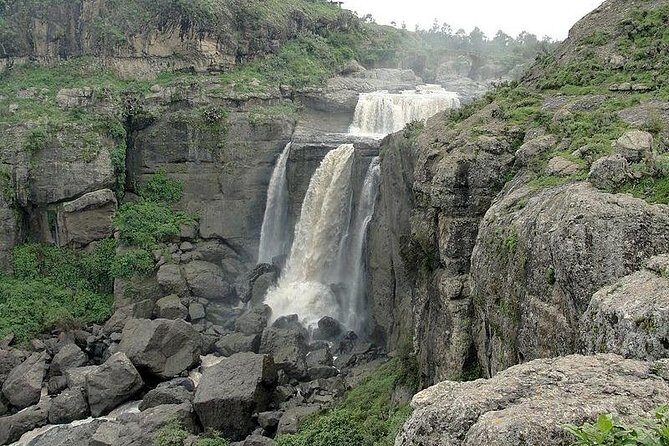
Next you’ll head to the Portuguese Bridge area near Debre Libanos. This bridge is famous for its looks—narrow, photogenic, and framed by the gorge below. The story behind it is also a good reminder that history in Ethiopia often comes through layers, not clean straight lines.
The bridge is described as having Portuguese origins in the 16th century, but it was actually built at the turn of the 19th century by Ethiopians using an old Portuguese style. That mix explains the name and also why the structure looks the way it does. You’re not just seeing a random ruin; you’re seeing how outside influence and local rebuilding practices ended up in the same spot.
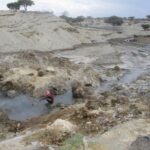
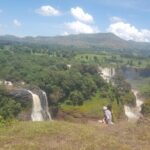
Plan for about 1 hour 10 minutes here, with admission included. The best visual payoff tends to be in the rainy season, when the cascade below the bridge can look powerful and noisy. If you’re visiting in drier months, you may still get great photos, but the dramatic flow might be less intense—check local conditions if that detail matters to you.
This stop also functions as a good mental reset. You go from monastery atmosphere to a more nature-and-views moment. Just keep in mind that you’ll still be in gorge country. Take your time on any uneven paths and don’t rush for photos if you’re unsure of the footing.
Blue Nile Gorge country: where birdwatching meets river gorges
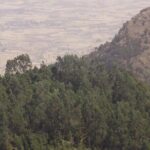
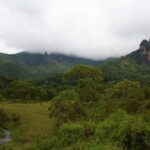
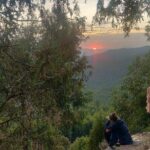
After Portuguese Bridge, the day shifts into the Blue Nile Gorge region through the Jemma River and surrounding valleys. The area around Debre Libanos and Fiche sits beside a large gorge where the Jemma River runs in. The Jemma then joins the Wenchit before reaching the Abbay (Blue Nile) River. In other words, you’re watching part of the drainage system that shapes the bigger story of the Blue Nile.
This is where the birdwatching focus comes in. The Jemma Valley is known for bird watching tours, with an emphasis on the endemic Harwood’s Francolin. I like that the tour doesn’t sell bird sightings as guaranteed. It gives you a target species and a set of other birds you might spot instead, which is far more realistic in the field.
Possible bird sightings in this area include Banded Barbet, Black-headed Forest Oriole, White-billed Starling, Red-billed Starling, White-winged Cliff Chat, White-backed Black Tit, White-cheeked Turaco, and Hemprich’s Hornbill. That’s a serious list. Even if you only see a couple of them, you still get that feeling of being in a place with real species you won’t find at home.
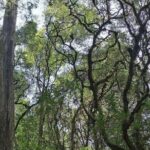
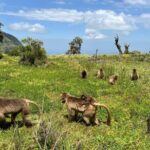
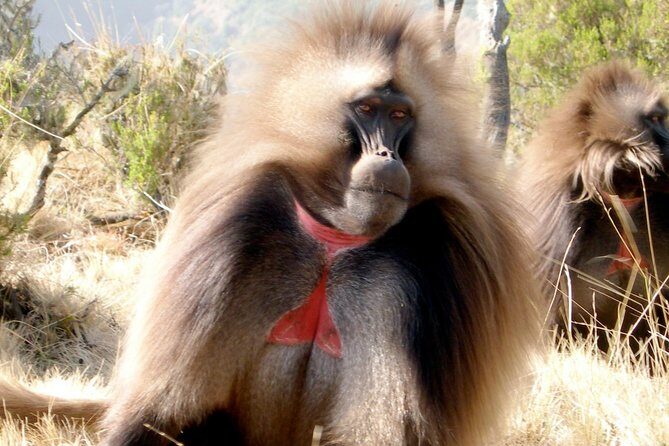
The tour also notes the possibility of endemic mammals and baboons. In places like this, you’re often dealing with short windows. You might catch movement in the trees, or you might hear something first and only later see it. Keep your eyes up and don’t fixate only on one direction.
The wildlife/gorge stop is only about 30 minutes, and admission there is listed as free. That short timing is the trade-off. You’ll get a glimpse and a chance at sightings, but if you want extended birding, you’ll probably want a dedicated birdwatching trip later. Still, for a day tour, it hits a lot: gorge scenery, bird-country context, and a chance to see wildlife without committing the whole day to walking.
Bring binoculars if you have them. If you don’t, you’ll still enjoy the scenery, but bird spotting becomes harder when the action is small and fast. Also bring a light layer. Gorge areas can feel cooler, especially if clouds roll in.
How the day actually runs from Addis Ababa
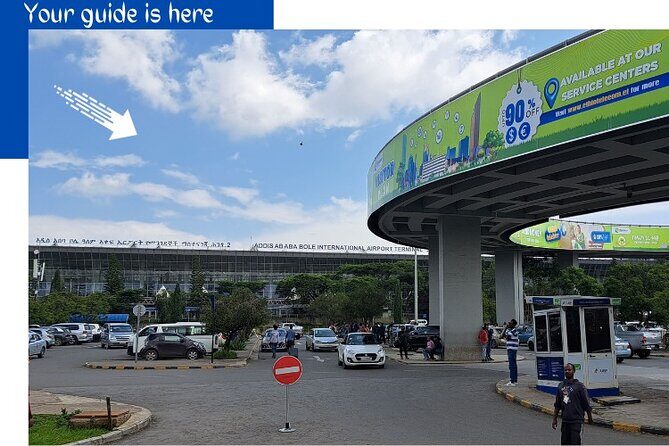
This tour starts at 9:00 am, with a total duration of about 6 to 9 hours. Hotel pickup is offered, and the group max is 25 people, so you’re not in a huge crowd. There’s also an air-conditioned vehicle, which matters on Ethiopia day trips when the road time stacks up.
Because the stops add up to limited hours at each location (about 2 hours at Debre Libanos, 1 hour 10 minutes at Portuguese Bridge, then roughly 30 minutes in the gorge/bird area), most of the remaining time goes to driving and buffer. That’s normal, but it affects how you should plan your expectations. You’re doing a sampler day, not a slow wandering hike.
One practical tip: start hydrated and plan your bathroom timing. A 9:00 am departure with rural roads means you’ll want to avoid waiting until you’re already out on the route. Bottled water is included, but you’ll still feel better if you begin the day already refreshed.
Wear a day bag that’s easy to carry while you’re walking. You’ll want space for your phone, water, and anything you bring for sun or insects. Start with comfortable shoes and quick-dry clothes. You’re moving between viewpoints and walking around the monastery area, then stepping into gorge viewpoints again.
Price and value: what your $117.95 covers
At $117.95 per person, the big value is that the tour isn’t just transport. You’re paying for a guided day with admissions, lunch, and basic comfort items built in. Included items are listed clearly: an Ethiopian lunch (including a vegan option as stated), bottled water, coffee or tea, all fees and taxes, plus the air-conditioned vehicle.
Admission tickets are included for Debre Libanos and Portuguese Bridge. The gorge stop lists admission as free. You also get a mobile ticket, which is convenient, and the tour is capped at 25 travelers, which keeps the experience from turning into a conveyor belt.
Where this price makes sense is for people who want structure. Hiring a driver yourself can work out in some cities, but you would still need to handle admissions, timing, and the guide portion. Here, you’re buying a plan that already puts the right stops in the right order.
Where the price may not feel as perfect is if you’re the type who wants more time at just one place. With a day like this, you’re trading depth for variety. Still, for most first-time visitors doing Addis-based trips, that’s a fair trade.
The lunch: Ethiopian comfort with a practical schedule
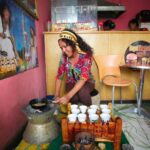
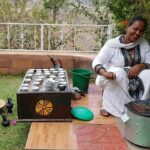
Lunch is included, and it’s Ethiopian fare with a vegan option listed. You’ll also have coffee and/or tea included. That combo is important on a day like this, because rural road trips can make hunger hit faster than you expect, especially when you’re out watching and walking.
The schedule also helps: you’re not stuck waiting forever for food. You’ll want to eat something that keeps you steady, since you still have driving and viewpoint time after lunch. If you’re sensitive to spices, it’s smart to ask for the mildest option available, since Ethiopian cuisine often leans flavorful and spicy by default.
Also note that alcoholic beverages are not included. That’s normal for a day tour, but it’s worth knowing if you were planning to toast the views.
Wildlife odds: baboons, birds, and how to maximize your chances
The tour frames wildlife as a real possibility—baboons and birds, including birdwatching targets in the Jemma Valley. What you should take from that: wildlife watching here is about patience and positioning, not a guaranteed show.
For birds, focus on the areas suggested by your guide and keep noise down. Birds can react to sudden movement and chatter. For baboons, scan for quick motion near trees and rocky edges, but don’t chase them. The goal is to enjoy what you see without crowding animals.
If you’re serious about birding, Harwood’s Francolin is your anchor species. Even if you don’t see it, you might find other species from that provided list. That’s why I like this tour format: it gives you targets and possible matches, so you’re not guessing with zero guidance.
Rain can change the day. It can make Portuguese Bridge look more dramatic due to the cascade below it. It can also affect how slippery footing feels. If rain is in the forecast, bring a light rain layer and accept that gorge country can be a bit slick.
Who should book this Debre Libanos and Blue Nile Gorge trip?
I think this tour is a strong fit if you want three things in one day: ancient Ethiopian Orthodox pilgrimage history, gorge scenery, and wildlife/birdwatching chances. It also works well if you’re based in Addis Ababa and don’t want to plan logistics alone.
You’ll likely enjoy it most if:
- You like history that has a strong story behind it, like Saint Tekle Haymanot and the Ichege role
- You enjoy being outside, even during short stops
- You have moderate fitness and you’re comfortable walking around uneven terrain
- You want a guide and admissions handled for you
It might be less ideal if you’re chasing a very specific bird or want lots of time for a long trek. The wildlife window is brief, so it’s better as a taste than a full birding mission.
One more small note from actual day-of energy: a guide named Becki is mentioned as great, and that matches the style you want for this route—someone who can translate what you’re seeing without rushing you through the views. The support from the driver also gets praise for being unusually helpful and personal.
Should you book it?
Yes, if you want a well-rounded Addis day trip that combines Debre Libanos’s spiritual significance with Blue Nile Gorge scenery and an honest wildlife/birdwatching chance. The value is strongest when you care about convenience: pickup, admissions, lunch, and guided timing all included.
I would hesitate only if you need long, slow time in one place, or if you’re uneasy with moderate walking around cliff-and-gorge areas. In that case, you might prefer a longer outing focused only on monasteries or only on birdwatching.
If your goal is to get a real sense of Ethiopia beyond Addis walls, this hits the mark.
FAQ
What time does the tour start?
It starts at 9:00 am.
How long is the day trip?
The duration is about 6 to 9 hours.
Does the tour include hotel pickup?
Pickup is offered.
What will I see during the tour?
You’ll visit Debre Libanos Orthodox Church/Monastery, Portuguese Bridge, and then spend time around the gorge/river area connected to the Abbay (Blue Nile) system.
Is lunch included?
Yes. An Ethiopian lunch is included, and a vegan option is listed. Coffee and/or tea are also included.
Are tickets included for the main stops?
Admission tickets are included for Debre Libanos and Portuguese Bridge. The gorge-related stop lists admission as free.
What group size should I expect?
The tour has a maximum of 25 travelers.
What fitness level do I need?
The tour lists a moderate physical fitness level. You should be comfortable moving around monastery and gorge areas.