REVIEW · ADDIS ABABA
Day Trip to Lake Wenchi
Book on GetYourGuide →Operated by LIYU ETHIOPIA TOUR AND TRAVEL · Bookable on GetYourGuide
Lake Wenchi feels like a reset button. I like the crater-lake scenery and the laid-back boat time to small islands, not just a quick look-and-go stop. One thing to consider: it’s a full day with walking (about a 2.5-mile/4-km trail), and it’s not a fit if you want zero effort or have limited mobility.
The drive is part of the experience, rolling from Addis toward Ambo on the new Ambo road. Along the way you pass places like Menagesha Forest and the Holetta River, then reach Ambo (about 120 km from the capital) before heading up to the crater rim near Wonchi.
In This Review
- Key things that make this Lake Wenchi day trip worth your time
- Leaving Addis Ababa: the Ambo road drive with real countryside texture
- Ambo stop: stretch your legs and reset before the crater climb
- Wonchi crater rim: start point for forest, lake views, and multiple ways down
- The 2.5-mile lake-edge trail: how much effort you’re really signing up for
- Hot springs and mud-bath time: the break your body will thank you for
- Dug-out boat to the central island church: short ride, meaningful payoff
- Time at the dock and along the shore: best use of your slow moments
- Guides on the ground: what names like Oli, Amatchew, and Abraham mean for your trip
- Price and logistics: is $175 per person good value?
- What to pack (and what to wear) for comfort at Lake Wenchi
- Who should book this Lake Wenchi tour, and who might skip it
- Should you book? My practical take
- FAQ
- How long is the Lake Wenchi drive from Addis Ababa?
- Is the tour only for people who can hike a lot?
- What does the tour include?
- Is lunch included?
- Will there be a boat ride?
- What language is the guide?
- Who should not book this tour?
- What should I bring?
Key things that make this Lake Wenchi day trip worth your time
- A scenic drive west from Addis, crossing rural areas and key river-basin crossroads en route to Ambo
- Two ways to get down to the crater area: walk or ride (the day gives you options, not one forced route)
- Hot springs and mud-bath time as a real break from the hike
- A dug-out boat trip onto the island in the center of Lake Wenchi to see the church
- Shore views plus free-ish time to hike along the lake or enjoy the dock area at your pace
Leaving Addis Ababa: the Ambo road drive with real countryside texture
Most day trips start with a car ride you tolerate. This one starts with a road you actually watch.
You leave after breakfast and head west on the new Ambo road, passing Menagesha Forest to the north and stopping the mind from wandering by pointing out things you’d miss if you drove alone. You also go by the Holetta River (a tributary of the Awash), then the small town of Addis Alem, where Menelik II once planned to make his capital. It’s a small historical note, but it helps the scenery feel less random.
As you get closer to Ambo (around 120 km from Addis), the scenery becomes more “working countryside” than tourist postcard. The route is framed by the intersections of three of Ethiopia’s major river basins: Awash, Omo, and Guder. You don’t need to be a geography nerd to appreciate why that matters—it’s the kind of landscape logic that explains why you see different valleys and farmland patterns as you go.
If you’re worried about being bored in transit, don’t be. One of the best practical surprises here is that the scenery keeps changing as the day moves from urban edges to greener rural stretches.
A few more Addis Ababa tours and experiences worth a look
Ambo stop: stretch your legs and reset before the crater climb
At Ambo, you’ll stop for refreshment. This is more than a quick break—Ambo is where Ethiopia’s most famous mineral water is drawn, so it’s a simple way to connect the day to something local and tangible.
You also get a pause before the ascent to the Wonchi crater rim. That matters because once you start climbing (nearly 1,000 meters up over about 27 km), your pace shifts from sightseeing-drive mode to outdoors mode.
Think of this stop as your “switch.” If you treat it like a real break—water, bathroom, snack if you need it—you’ll feel a lot better once the trail and hot springs take over later.
Wonchi crater rim: start point for forest, lake views, and multiple ways down
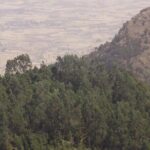
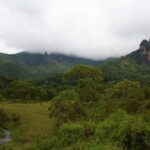
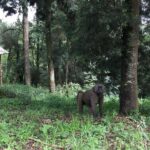
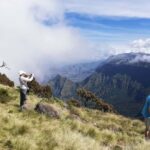
Near the crater rim, the payoff begins. From up high, you see verdant forest (in the plain sense: thick green growth) and a crater lake with islands—a setting that feels rare in Ethiopia because the lake sits inside an extinct volcano.
Here’s where the day gets flexible. You can:
- leave vehicles at the rim and descend on foot,
- ride down,
- or drive down all the way.
That flexibility is not just convenience. It’s a built-in way to match the day to your energy level. If you want the satisfaction of walking, you can. If you’d rather save your legs for the lake and hot springs, you can.
You’ll also have picnic lunch at this crater area. One practical note: lunch is listed as not included in the tour price. In real life, that often means the picnic stop may not be fully covered. Before you go, ask what’s actually included at lunch time—so you don’t arrive hungry or unsure.
The 2.5-mile lake-edge trail: how much effort you’re really signing up for
Once you’re in the crater area, you’ll do a 2.5-mile (4-km) trail section to reach the edge of the lake. The walking passes green fields and small villages, which keeps the route from feeling like a single-file hike through the same scenery.
This is the part of the day you should plan for realistically:
- Comfortable hiking shoes are a must.
- Expect uneven ground—this isn’t a treadmill.
- If you’re the type who likes photos, you’ll probably slow down a bit to take them, and that’s fine.
The biggest mindset shift is to treat it as a gentle outdoor stroll rather than a “hard hike.” It’s active enough to make the lake feel earned, but not so intense that you’re stuck in pain mode.
Hot springs and mud-bath time: the break your body will thank you for
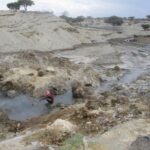
After the trail time, the itinerary shifts to relaxation and recovery. You visit the hot springs, and in the day’s flow you’ll also get time for mud-bath style relaxation in the hot-springs area.
This stop is valuable for two reasons:
- It gives your legs a rest after the walk.
- It turns the crater visit into more than a view. You’re not just looking at nature—you’re interacting with the place.
If you’re sensitive to heat or strong smells, go slow. If you’re up for it, it’s exactly the kind of moment that makes a day trip feel like more than “transport plus photos.”

Dug-out boat to the central island church: short ride, meaningful payoff
Then comes one of the most memorable parts of Lake Wenchi: the boat trip.
You’ll go by a dug-out boat to the island in the center of the lake to visit the church. This is usually a short ride, but it changes your perspective fast. From land, you see the crater and shoreline. From the water, the lake becomes a stage—quiet and close.
Even if you’re not religious, the visit works as a cultural stop. You get to see how locals and visitors connect with the island as part of lake life, not just as a scenery feature.
Time at the dock and along the shore: best use of your slow moments
Back on the lake side, you’ll spend time around the dock and shoreline area. The idea here is simple: soak in the crater-lake calm and choose how active you want to be.
Your options typically include:
- hike along the shore, or
- enjoy the dock area and views with less walking.
If you love scenery photography, don’t rush this part. The lake’s mood can change quickly with weather and light, and crater lakes often look different from one hour to the next.
Also, if you’re prone to motion sickness, the boat ride is short, but still plan to sit comfortably and keep your head steady. A calm mindset matters more than you’d think.
Guides on the ground: what names like Oli, Amatchew, and Abraham mean for your trip
This tour runs with an English-speaking guide, and the experience quality depends heavily on how smoothly the day flows with local context.
In particular, I saw strong praise for the team that includes Oli, Amatchew, and Abraham. The practical impact of that kind of guide support is huge:
- You get explanations that make the drive feel coherent, not random.
- You feel more confident when you’re switching environments (car → trail → hot springs → boat).
- And if you’re traveling solo, having a steady, safety-minded team matters.
Even without dramatics, that’s the difference between a day trip you remember fondly and one you mostly survive.
Price and logistics: is $175 per person good value?
At $175 per person, this day trip lands in the “reasonable if you want comfort and guidance” category.
Here’s what your money is covering:
- Private transportation
- English-speaking guide
- Entrance fee
- Bottled water
- Boat trip
- Tax
So you’re not just paying for a seat. You’re paying for the full chain: the long drive, the guide support, and the paid access points that otherwise require coordination.
Where people get tripped up is often food. Lunch is listed as not included, even though there’s a picnic lunch stop on the schedule. That’s exactly why it’s smart to confirm what’s covered in practice—snacks, beverages, and whether the picnic includes a meal or just a break spot.
If you want to DIY this, you’ll likely spend time figuring out transport, crater access, and the boat. Paying for a guided, packaged day is often cheaper once you value your time and reduce stress.
What to pack (and what to wear) for comfort at Lake Wenchi
The single must-do item: hiking shoes.
Beyond that, use common sense for a crater day trip:
- wear footwear with traction (the walking segment is about 2.5 miles/4 km),
- bring water habits in mind (bottled water is included, but you still want personal comfort),
- and dress in layers because a crater day can feel different between rim, forest shade, and lake breeze.
If you’re thinking about the hot springs: wear something you’re willing to get muddy or damp. It’s one of those “better safe than sorry” moments.
Who should book this Lake Wenchi tour, and who might skip it
This day trip fits best if you want:
- scenic variety (countryside drive + crater lake views + forest time),
- light-to-moderate walking (the 2.5-mile trail),
- and a mix of culture and nature (the island church visit and boat ride).
It’s also a good option if you like structure. The day flows from pickup after breakfast to Ambo, crater rim, down to the lake area, hot springs, boat, and return by midafternoon.
Who might reconsider:
- If you want a mostly sedentary day.
- If you struggle with walking on uneven ground.
- And if you’re in the age range where travel operators flag limitations (this tour is marked as not suitable for people over 95 years).
Should you book? My practical take
If you’re doing Addis Ababa and you want one day that feels genuinely different from city sightseeing, I think this is a strong choice.
Book it if you want a full-day crater experience with real payoff: lake views, hot springs and mud-bath relaxation time, and a dug-out boat trip to the central island church. Also book it if you appreciate being guided through transitions—car to trail to boat—without having to manage logistics yourself.
Hold off or ask extra questions if you care a lot about lunch inclusions, or if you’re uncertain about how you’ll handle the 2.5-mile/4-km walking segment. A quick clarification about what you’ll eat at picnic/lunch time can remove the only likely frustration.
FAQ
How long is the Lake Wenchi drive from Addis Ababa?
The drive to Lake Wenchi is about 3 hours, and the tour is a full-day experience with pickup after breakfast and a return by midafternoon.
Is the tour only for people who can hike a lot?
No. You can choose how you descend and you also have dock time, but there is a trail section of about 2.5 miles (4 km), so bring hiking shoes and expect some walking.
What does the tour include?
It includes private transportation, an English-speaking guide, entrance fee, bottled water, the boat trip, and tax.
Is lunch included?
Lunch is listed as not included. The day includes a picnic lunch stop at the crater area, so it’s smart to confirm what’s provided.
Will there be a boat ride?
Yes. You’ll take a boat trip to explore the lake’s small islands, including a dug-out boat to the central island church.
What language is the guide?
The guide provides English.
Who should not book this tour?
The tour is marked as not suitable for people over 95 years.
What should I bring?
Plan to bring hiking shoes. The route includes walking and uneven terrain.
If you want, tell me your walking comfort level and whether you’re traveling solo or with family, and I’ll help you decide if the trail and hot-springs timing sound like your kind of day.