REVIEW · ADDIS ABABA
South Omo Valley Tribes 8 Days Tour Package
Book on Viator →Operated by Finot Tour Ethiopia - Day Tours · Bookable on Viator
Tribes, lakes, and road dust in one trip. This 8-day South Omo Valley tour pairs Addis Ababa museums (hello, Lucy) with remote village days in Ethiopia’s Great Rift Valley, where life still runs on older rhythms. I like the way the plan mixes human culture stops with real nature time, instead of treating the trip like a checklist.
What really adds weight is the human side: an English-speaking guide, and often guides like Haile or Danny who are praised for clear communication and smooth trip handling. One heads-up: expect basics and long drives, plus an early start (7:00 am), so you’ll want a moderate fitness level and patience for the road.
In This Review
- Key highlights you’ll actually feel on the ground
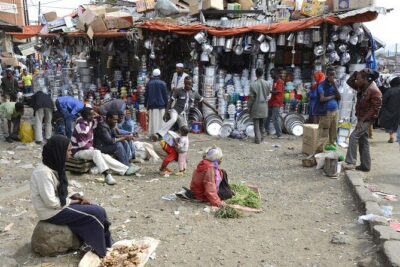
- Entering Addis Ababa: Mercato arrival and the Lucy payoff
- The Dorze Mountains Drive: Tiya stelae, lakes views, and weaving villages
- Nechisar National Park at the best hour: Lake time instead of just photos
- Konso villages and the wagas: World Heritage, not a quick photo stop
- Karo along the Omo: chalk mixtures, tsetse reality, and ceremonial art
- Mursi and Key Afer Market: what you’ll see, and how to handle it
- Hawassa to Abijatta-Shalla: flamingoes, pelicans, and hot spring time
- Shashemene finish: fishing market closeness and thermal bath recovery
- Price and logistics: how $1,890.54 makes sense (and where it doesn’t)
- The guide factor: Haile and Danny set expectations for how this should feel
- Road time, early starts, and what to pack for basic conditions
- Cultural sensitivity: how to make village visits feel right
- Should you book South Omo Valley Tribes?
- FAQ
- What does the tour cost?
- How long is the tour, and when does it start?
- Is pickup included?
- Is this a private tour?
- What’s included in the price?
- What isn’t included?
- Is free cancellation available?
Key highlights you’ll actually feel on the ground
- Lucy at the National Museum in Addis Ababa, before you head into the wilderness days
- Nechisar National Park scenery plus a boat trip on Lake Abaya and/or Lake Chamo region
- Konso World Heritage villages with hilltop stone walls and the famous wagas funerary sculptures
- Karo face and body painting made from chalk mixed with rock, iron ore, and charcoal
- Key Afer Tribal Market as a weekly meeting point of multiple Omo Valley tribes
- Wendo Genet Spa thermal bath and a final day built around local daily life in Shashemene
Entering Addis Ababa: Mercato arrival and the Lucy payoff
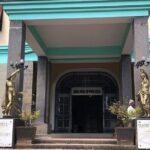
Day 1 starts with the classic Addis rhythm: you land at Bole International Airport, clear immigration and customs, then meet your FINOT Tour Ethiopia representative for a transfer to your hotel. After a break, you’ll get a guided look at the Ethnological Museum and later the National Museum.
I love that you start with museum time because it gives context before the remote days. At the National Museum, you’ll visit the famed Lucy display, a 3.2 million-year-old female hominid discovered in Ethiopia—one of those moments that makes the rest of the journey feel larger than tribal visits alone.
Practical note: the tour includes admission tickets for the museum portions on Day 1, so you’re not scrambling for cash or tickets later.
You can also read our reviews of more tours and experiences in Addis Ababa.

The Dorze Mountains Drive: Tiya stelae, lakes views, and weaving villages
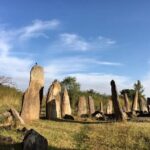
On Day 2 you leave Addis early and head south toward Arbaminch, using route stops that move you through different climates and elevations. There’s a brief stop at Tiya to see the UNESCO registered stela fields—an easy culture hit before you get back on the road.
As you continue, you’ll have lunch break at Wolayita Sodo, then climb into the Gughe Mountains. The Dorze village visit comes at altitude, around 2600 m, with views over Lake Abaya and Lake Chamo on the way—great if you like big weather and big sky moments.
Dorze is about craft and architecture. You’ll see the tall, beehive-like houses, watch for the cotton weaving tradition, and get a sense of how people build for their environment. The downside is time: this is a full day of driving plus village viewing, so comfortable shoes and a steady stomach for roads matter.
Nechisar National Park at the best hour: Lake time instead of just photos
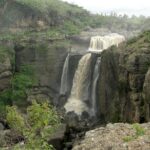
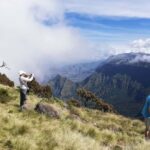
Day 3 shifts into nature with a visit to Nechisar National Park HQ, in a setting the tour describes as both scenic and among the least visited. You get sweeping views across plains toward volcanic hills on the eastern boundary, plus the big Rift Valley lake scenery.
A boat trip is part of the plan, which is a smart choice here. Seeing these lakes from the water tends to feel more alive than looking from a roadside pull-off, and it also helps you understand why the surrounding tribes and wildlife are tied to the lakes.
Then you drive to Konso for overnight. If you’re the kind of traveler who enjoys moving from one strong “scene” to another—museum to mountain village to park—this day keeps momentum.
Konso villages and the wagas: World Heritage, not a quick photo stop
Day 4 focuses on Konso, a World Heritage listed site of cultural significance, and you’ll visit a traditional hilltop village early in the morning. Konso villages are built up for protection, with high stonewalls and separate compounds, plus terraced agricultural fields outside.
The standout detail is the wagas funerary tradition. These are magnificent carved wooden sculptures created to honor Konso warrior heroes who killed an enemy or animal. It’s not just art on display—it’s a cultural system tied to memory, identity, and social cohesion.
Because the village setup is spread out and on uneven ground, plan for walking and slow scanning. The experience is worth it, but it’s not a “stand in one spot” kind of visit.
Karo along the Omo: chalk mixtures, tsetse reality, and ceremonial art
Day 5 brings you into Karo territory, after breakfast and a drive into a new tribal area. The Karo live along the east bank of the Omo River and practice flood retreat cultivation, with crops like maize, sorghum, and beans.
A key difference in the tour description is their livestock situation: the Karo keep only a small number of cattle because tsetse flies are prevalent. That small detail matters because it connects an insect problem to everyday choices—what people raise, what they can safely maintain, and how life organizes itself around biology.
You’ll also see the famous Karo body and face painting tradition. White chalk is mixed with yellow rock, red iron ore, and charcoal to create the colors used for ceremonies, and face masks may appear at times. Because this is a visual tradition tied to events, it’s smart to approach with respect and awareness that these markings often aren’t entertainment props.
Mursi and Key Afer Market: what you’ll see, and how to handle it
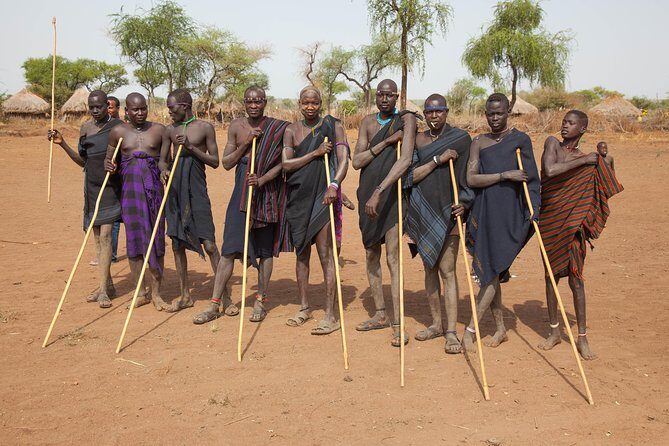
Day 6 starts with a Konso area stop at the Konso Cultural Centre, then you drive to Mursi village. The Mursi women’s custom is a headline feature of this region: as described on this itinerary, women slit the lower lip when reaching maturity and insert circular clay discs.
Next comes Key Afer Tribal Market, described as one of the best markets in the Omo Valley. Because it’s a weekly event with multiple tribes showing up, it becomes more than a simple shopping stop. You’ll walk around with a local guide, covering market sections like animals, vegetables, cereals, and more.
Then you head back for overnight. This day can feel intense because it combines intimate cultural viewing with a busy public marketplace. For your comfort, I’d treat it like two different experiences: one where you’re quiet and observant, and one where you’re practical and ready to move through crowds.
Hawassa to Abijatta-Shalla: flamingoes, pelicans, and hot spring time
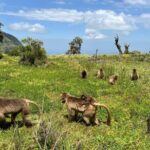
On Day 7 you drive to Hawassa, in the Rift Valley lakes area, and the plan includes time around hot springs plus a visit to Abijatta and Shalla National Park. This is where you’ll trade tribal focus for bird and wildlife viewing.
The park is specifically described as a place for aquatic birds—great white pelicans, greater and lesser flamingoes—and you might also spot other life like ostrich farming and endemic mammals such as warthogs and grand gazelles. It’s a helpful balance after several days of village-based cultural viewing.
Because birding can be hit-or-miss depending on timing, build flexibility into your expectations. The real win here is that this day gives you a full nature block, not just a short roadside stop.
Shashemene finish: fishing market closeness and thermal bath recovery
Day 8 shifts from wilderness driving back toward Addis Ababa by road. You’ll stop at Amora Gedel, the daily fishing market on the shore of Lake Hawassa, where you’ll get very close to pelicans, storks, and other birds that have become used to human presence.
On the way to Shashemene, there’s a stop to see Ras Tefreian village. The tour frames Shashemene as a town connected to the Ras Tefreian / Rasta community, given by Emperor Haile Selassie I.
Then you end with downtime at Wendo Genet Spa, a thermal bath. After the Omo days, that kind of physical reset is more valuable than it sounds—hot water loosens road stiffness and helps you enjoy the final Ethiopian buffet dinner with local drinks.
Price and logistics: how $1,890.54 makes sense (and where it doesn’t)
At about $1,890.54 per person for roughly 8 days, this tour isn’t cheap in the way budget travel is. But you’re paying for a lot of moving pieces: transport in an air-conditioned vehicle, an English-speaking guide, bottled water (2 liters per day per passenger), driver allowance, and local guide fees.
Food is also covered: breakfast for 7 days, plus lunches and dinners listed for 8 days each. Admission fees are included as well, and the package covers all fees and taxes—so you avoid that annoying phase of adding up small costs day by day.
What’s not included is the big stuff: international and domestic flights, alcohol, video and camera fees where applicable, tips, telephone calls, laundry, and other personal expenses. If you want to travel with zero surprises, budget a little for alcohol and any camera fees you might run into.
Value lens: if you’re okay with long drives and basic conditions, the tour offers a structured route that hits both culture and nature, with guiding that’s praised for being flexible and smooth.
The guide factor: Haile and Danny set expectations for how this should feel
Your guide can make or break a trip like this, and the feedback you’re likely to hear about this operator points to strong communication and real flexibility. People highlight guides such as Haile and Danny for going out of their way to manage the program well, explain what you’re seeing, and keep things moving without confusion.
There’s also a practical note: some travelers reported that the trip ran perfectly, with flexibility to adjust the route when conditions allowed. On a road-heavy itinerary, that kind of adaptability matters more than fancy marketing.
If you’re someone who appreciates humor and a friendly tone, this tour’s guide style seems to fit that vibe too.
Road time, early starts, and what to pack for basic conditions
The tour starts at 7:00 am, and that’s a big clue about your days: you’ll be up, out, and moving. You should also assume uneven walking on village days and plenty of time in the vehicle between regions.
The tour calls for moderate physical fitness. That doesn’t mean “athletic,” but it does mean you should be comfortable with walking in warm conditions, climbing a bit on uneven ground, and handling long travel stretches without feeling fragile.
Pack for both extremes: museum day in Addis and rugged, remote days in the Rift Valley region. Comfortable shoes, sun protection, layers for temperature changes, and a basic patience toolkit will do more than trying to look perfect.
Cultural sensitivity: how to make village visits feel right
This itinerary brings you into living communities, including places where ceremonies and traditions are central. The best way to get a good experience is also the simplest: be respectful, ask questions through your guide, and avoid turning serious cultural items into souvenirs.
Body painting, lip-disc customs, funerary sculptures, and markets all have meaning beyond aesthetics. If you keep your posture calm and your behavior thoughtful, you’ll get more from the day and you’ll travel in a way that doesn’t feel extractive.
Also, remember that these are basic-condition regions. A little patience with slower rhythms makes the experience feel less like a show and more like real contact with how people live.
Should you book South Omo Valley Tribes?
Book it if you want a structured 8-day route that blends Addis museum context with wilderness nature days and village visits that go beyond a surface stop. This tour shines when you like variety: Konso hilltop history, Karo ceremonial art, Mursi culture focus, plus bird and lake time around Hawassa and Abijatta-Shalla.
Skip it or reconsider if you hate long road days, basic conditions, or early starts. Also, if you’re expecting luxury comfort, this route won’t be designed around that.
If you’re the type who enjoys being guided—especially by someone like Haile or Danny—and you want a trip that’s organized but still adaptable, this is a strong fit.
FAQ
What does the tour cost?
The South Omo Valley Tribes 8 Days Tour Package is priced at $1,890.54 per person.
How long is the tour, and when does it start?
The duration is about 8 days, and the meeting start time is 7:00 am.
Is pickup included?
Pickup is offered.
Is this a private tour?
Yes, it’s a private tour/activity, and only your group participates.
What’s included in the price?
The package includes all fees and taxes, air-conditioned vehicle, 2 liters of bottled water per day per passenger, driver allowance, English-speaking guide and local guide fees, plus breakfast (7), lunch (8), and dinner (8).
What isn’t included?
Not included are international and domestic flights, alcoholic drinks, video and camera fees if applicable, tips, telephone calls, laundry services, and other personal expenses.
Is free cancellation available?
Yes, free cancellation is available. You can cancel up to 24 hours in advance for a full refund; if you cancel less than 24 hours before the start time, the amount paid won’t be refunded.